Chevy confident it has resolved its plenum fires issue at Indy
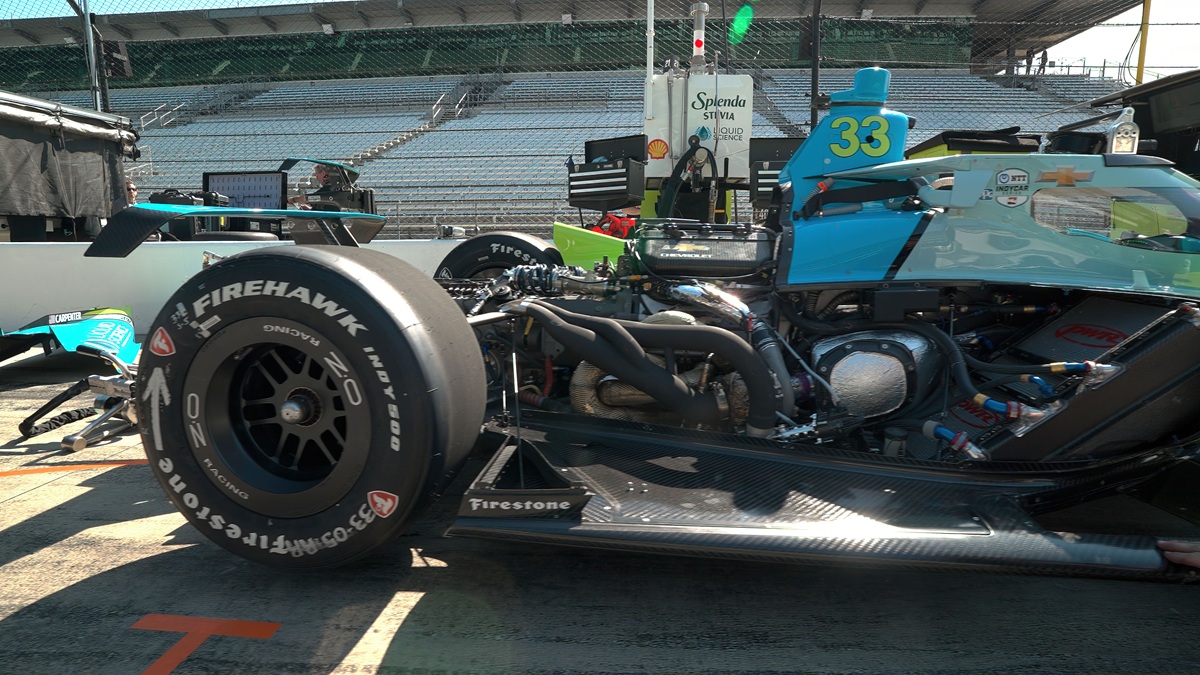
Team Chevy dominated all phases of the Indianapolis 500 in 2024 after sweeping the front row in qualifying with a Team Penske 1-2-3, owning the top eight starting spots, and winning the race with a 1-2 authored by Penske’s Josef Newgarden and Arrow McLaren’s Pato O’Ward. Despite its complete ownership of the event, though, one issue emerged that struck a number of its drivers from Fast Friday practice through the end of qualifying when its 2.2-liter twin-turbo V6 motors were pushed hard in high-boost configuration.
With the engines cranked up to deliver average speeds above 230mph around the giant 2.5-mile oval, the term "plenum fire" was used on a frequent basis as drivers reported losing power at inopportune moments during qualifying simulation runs on Fast Friday and again when it counted during time trials on Saturday and Sunday.
Although Chevrolet declined to comment on the topic, RACER understands the reigning IndyCar manufacturers’ champion initiated a study after the Indy 500 to determine why flames from the combustion chambers were escaping upward and lighting the mixture of fuel and air alight in the overhead turbo plenum, which momentarily starved the engines from having what they need to produce power.
No plenum fires were reported during the high-boost practice session during April’s Indy Open Test, which has inspired confidence within the brand that a fix to the problem has been found.
High-boost practice begins Friday at 12pm ET.
Presented by:

Marshall Pruett
The 2026 season marks Marshall Pruett's 40th year working in the sport. In his role today for RACER, Pruett covers open-wheel and sports car racing as a writer, reporter, photographer, and filmmaker. In his previous career, he served as a mechanic, engineer, and team manager in a variety of series, including IndyCar, IMSA, and World Challenge.
Read Marshall Pruett's articles
Latest News
Comments
Comments are disabled until you accept Social Networking Cookies. Update cookie preferences
If the dialog doesn't appear, ad-blockers are often the cause; try disabling yours or see our Social Features Support.