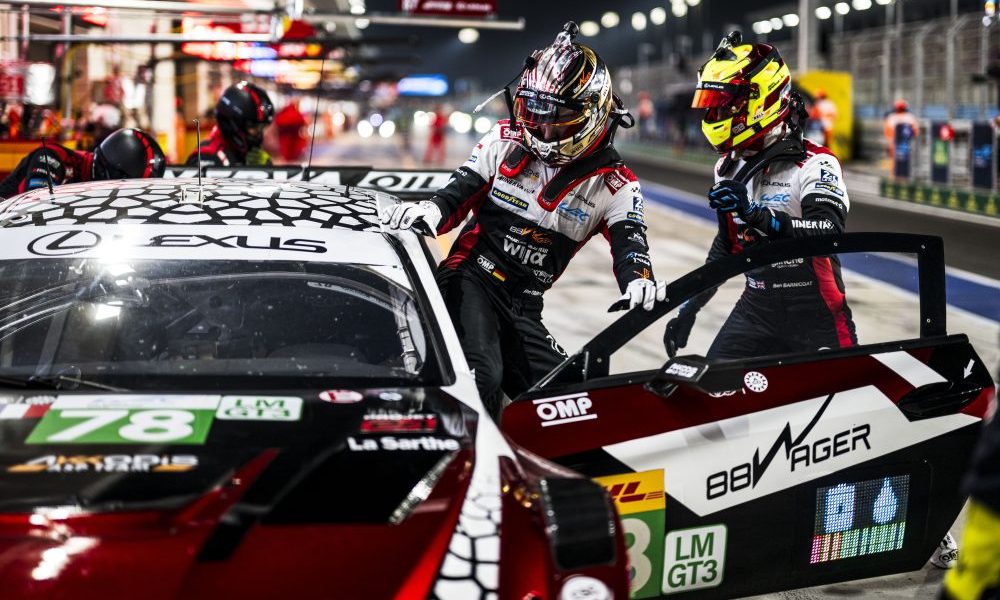
Charly Lopez/DPPI
WEC introduces driver compensation ballast rules
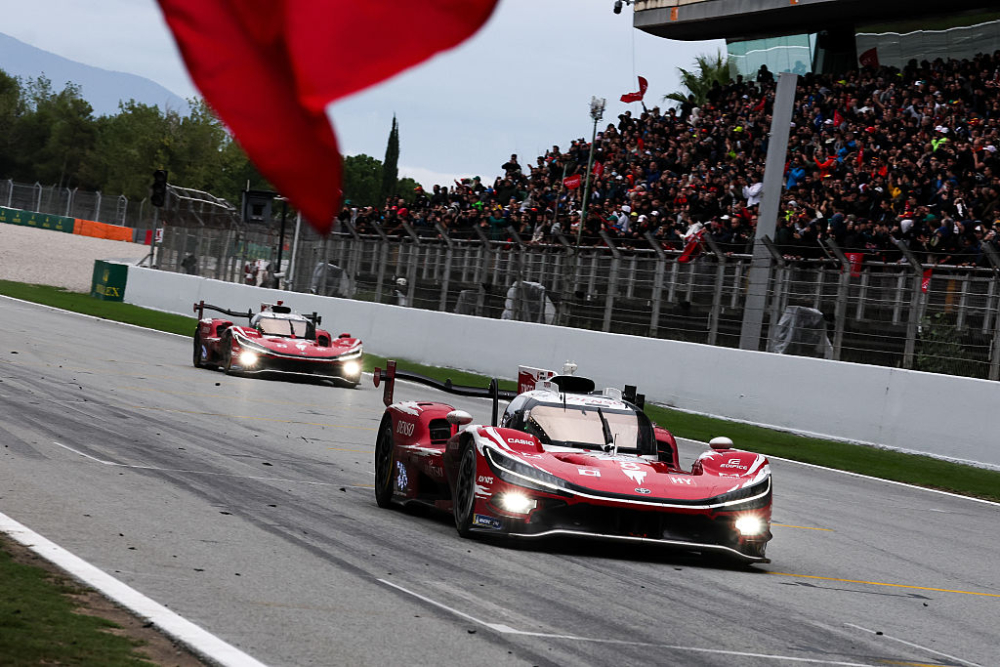
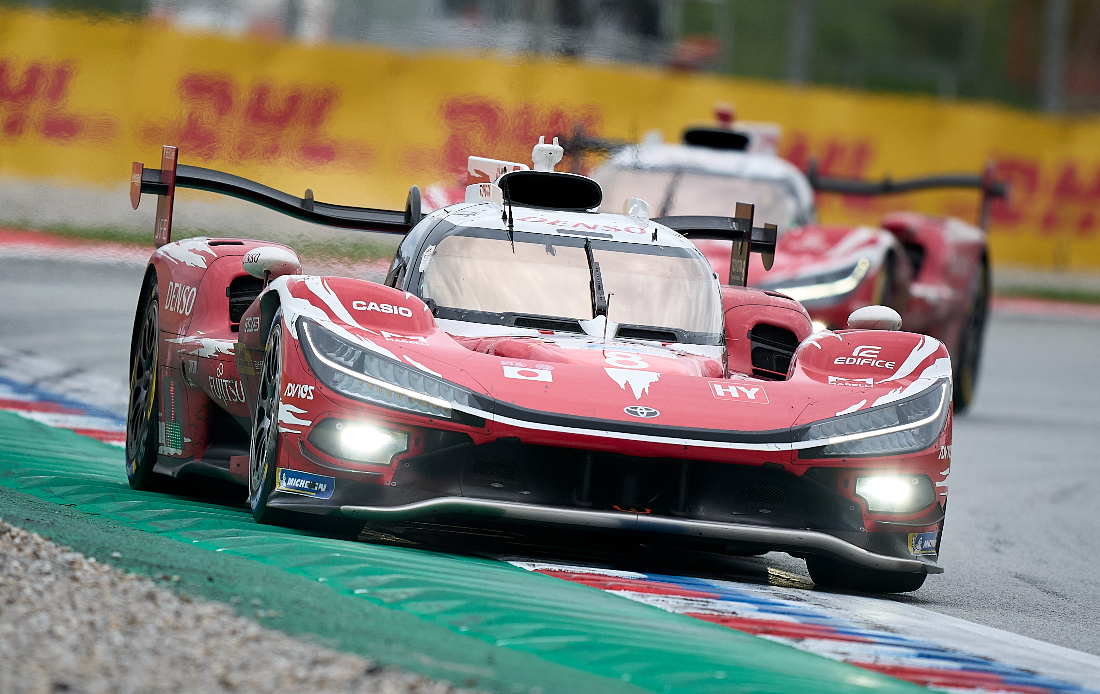
Driver compensation ballast rules have been introduced to both the FIA WEC's Hypercar and LMGT3 classes in time for the 2025 season opener in Qatar on Friday.
These new rules, which aim to eliminate the disadvantage some driver crews featuring heavier and/or taller drivers faced, come after the drivers in both classes were asked to attend a weigh-in during last week’s Prologue test in Qatar.
The rules state that the reference crew weight has been set, as expected, at 82 kg, meaning crews that have a combined average weight that comes in under that figure will have ballast applied to their car.
An example of how the average will be calculated was presented in a bulletin posted on the championship's online noticeboard this morning.
The three minimum driver weights for each crew (the weight of each driver with their complete safety clothing) will be added together and divided by three. This gives the average.
For example:
Driver (1) = 77.8 kg
Driver (2) = 80.2 kg
Driver (3) = 82.9 kg
The calculation produces the following average: (77.8 + 80.2 + 82.9)/3 = 80.3 kg.
This means that the ballast applied to the car would be 2 kg, as it’s 1.7 kg and the ballast will be rounded up to the highest integer.
The compensated minimum car weight will also be calculated separately for Qualifying in Hypercar with a “compensated minimum car weight” figure.
In Hypercar, the ballast “must be positioned in one of the homologated BOP ballast positions within the car wheelbase” and “the homologated weight distribution must be respected”.
And in LMGT3, ballast must be positioned within the ballast box in each car’s cockpit.
The technical delegates can also request random spot checks on driver weights up to an hour before qualifying. If the driver's weight is lower than the minimum figure declared, they will be reported to the stewards.
“The minimum penalty,” the document continues, “will be an increase of the driver compensation ballast and if applicable Qualifying/Hyperpole driver compensation ballast, by difference between the measured and the declared driver weight, rounded to the highest integer number.
“It is the responsibility of the team to calculate the appropriate compensated minimum car weight (and/or the qualifying/Hyperpole compensated minimum car weight) and apply the correct amount of ballast accordingly.”
The full bulletin can be found here

Stephen Kilbey
UK-based Stephen Kilbey is RACER.com's FIA World Endurance Championship correspondent, and is also Deputy Editor of Dailysportscar.com He has a first-class honours degree in Sports Journalism and is a previous winner of the UK Guild of Motoring Writers Sir William Lyons Award.
Read Stephen Kilbey's articles
Latest News


Comments
Comments are disabled until you accept Social Networking Cookies. Update cookie preferences
If the dialog doesn't appear, ad-blockers are often the cause; try disabling yours or see our Social Features Support.