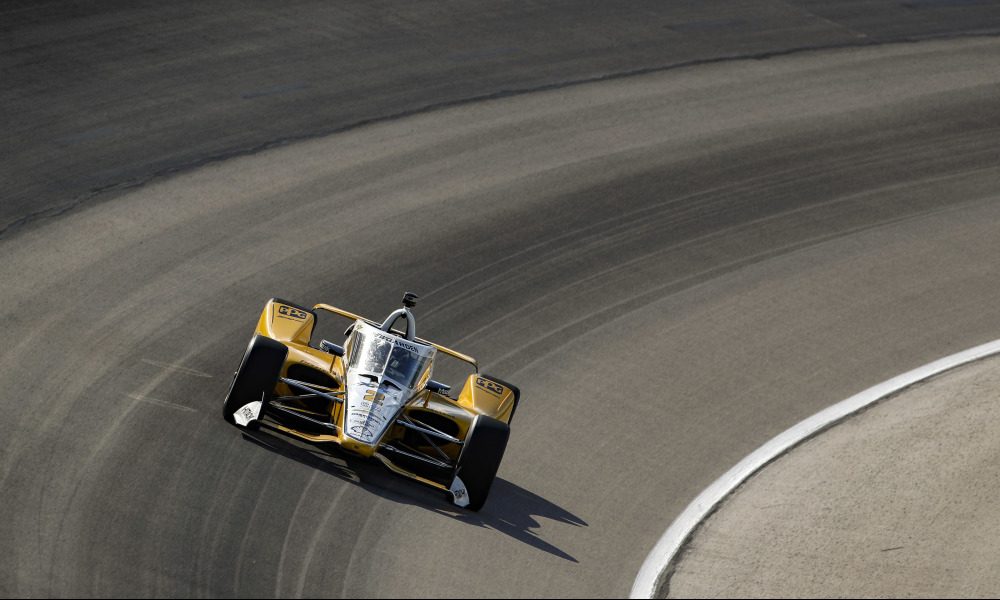
Phillip Abbott/Motorsport Images
IndyCar exploring solutions for Texas traction issues
The NTT IndyCar Series has come up with three potential solutions to use this weekend in an effort to improve track surface conditions and the quality of its racing at Texas Motor Speedway.
The cause for action comes from ongoing issues on the second lane in all four turns on the 1.5-mile oval, where the application of PJ1 traction compound in its second lane – done at the request of NASCAR for its races – has caused serious issues for IndyCar with mismatched levels of grip with the bottom lane.
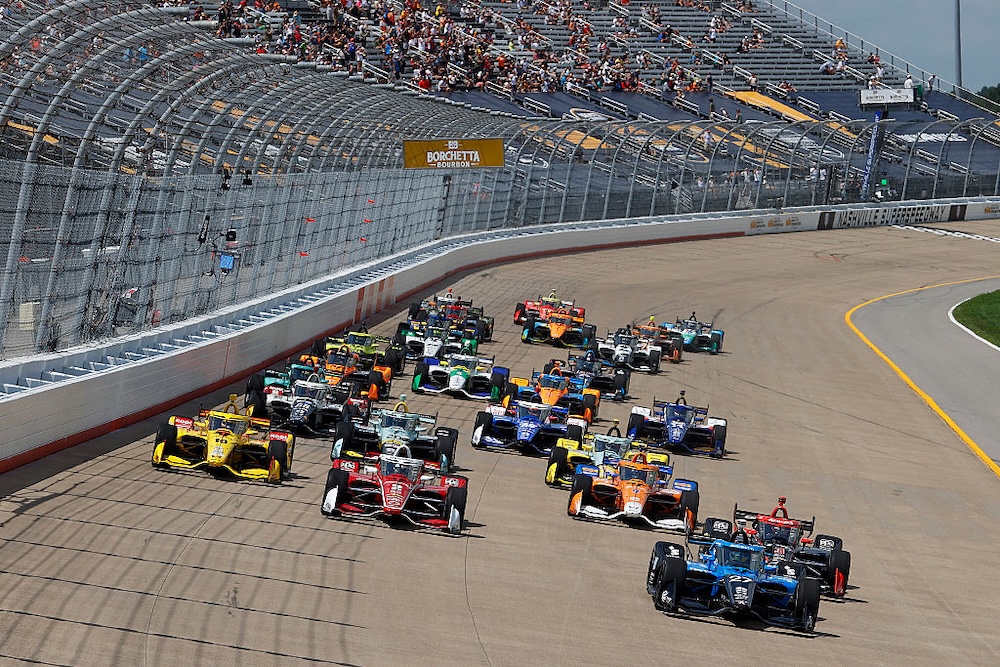
As a result of the mismatch, IndyCar drivers have stayed at the bottom of the corners, largely avoided the second lane to reduce the likelihood of spinning and crashing, and that has turned recent visits into a single-file processions.
Although the track has made efforts to scrub the PJ1 material from the circuit, remnants of the product embedded in the minute pockets beneath the surface and its dark color have led to higher surface temperatures than the bottom lane.
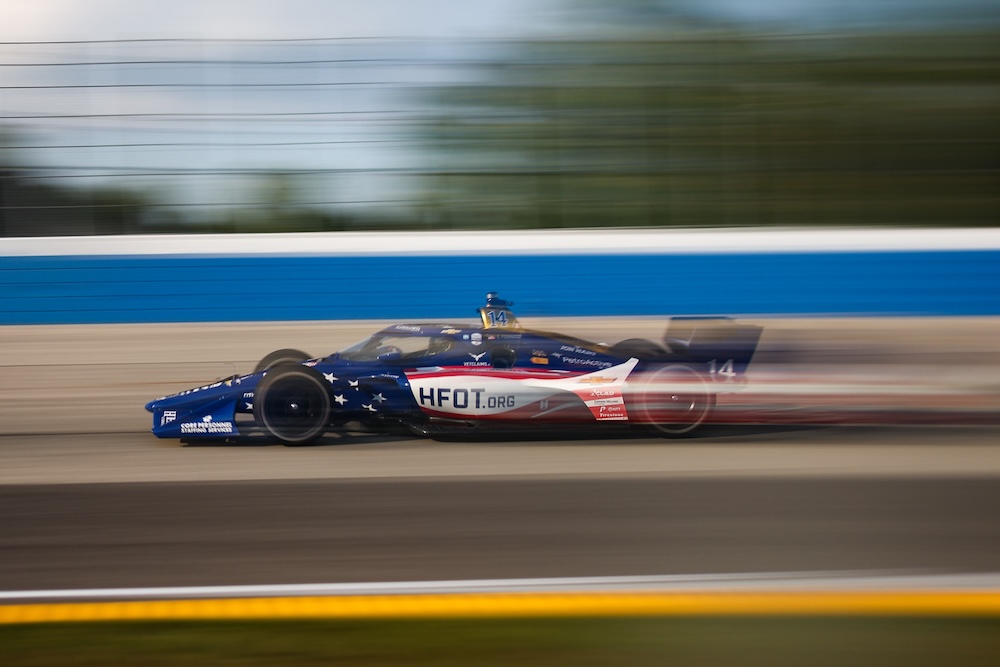
Along with the lack of running and natural application of Firestone rubber onto the second lane, both factors, have contributed to the differing levels of grip and prevented all but the bravest drivers from attempting to go two-wide through the corners.
RACER has learned that of the possible remedies IndyCar is considering, one is to use to try and drag a steel mesh device over the areas where PJ1 remains in an effort to create consistent amounts of grip on the bottom and second grooves. Another is to try and use a chemical wash to have the same effect.
And the third, which appears to be the most likely option to be implemented, is to create a special period of time during one of the two practice sessions on Saturday for drivers to venture out, build up speed in a measured and progressive manner on the second lane, and use all 27 cars to put down rubber on the upper groove to best match what’s on the bottom. If it’s successful, the plan – which Team Penske’s Will Power has been calling on for years – would restore the drivers’ ability to go high or low without fear of crashing.
At present, two 60-minute practices are positioned before and after qualifying on Saturday. RACER understands IndyCar is evaluating whether to add an extra 30 minutes of practice to one of the sessions to accomplish the rubbering-in process.
Marshall Pruett
The 2026 season marks Marshall Pruett's 40th year working in the sport. In his role today for RACER, Pruett covers open-wheel and sports car racing as a writer, reporter, photographer, and filmmaker. In his previous career, he served as a mechanic, engineer, and team manager in a variety of series, including IndyCar, IMSA, and World Challenge.
Read Marshall Pruett's articles
Latest News
Comments
Comments are disabled until you accept Social Networking Cookies. Update cookie preferences
If the dialog doesn't appear, ad-blockers are often the cause; try disabling yours or see our Social Features Support.