Penske Entertainment
Support growing for new IndyCar chassis in tandem with hybrid powerplant
Four IndyCar drivers have performed track tests with Dallara DW12s in a specification that simulates the weight and power of IndyCar’s newly-delayed 2024 hybrid engine package. After the tests, all four drivers came to the same conclusion: A new chassis is needed to carry the 2.4-liter twin-turbo V6s and energy recovery systems (ERS).
The NTT IndyCar Series’ long-held plan has been to extend the lifespan of the DW12 by using it as the initial vessel for the hybrid powertrain. After mating the hybrid powertrain with the old car to go racing for one or more years, IndyCar has said a new and lighter chassis will replace the DW12 at an undetermined point in the future. It could be 2025, 2026, or later.
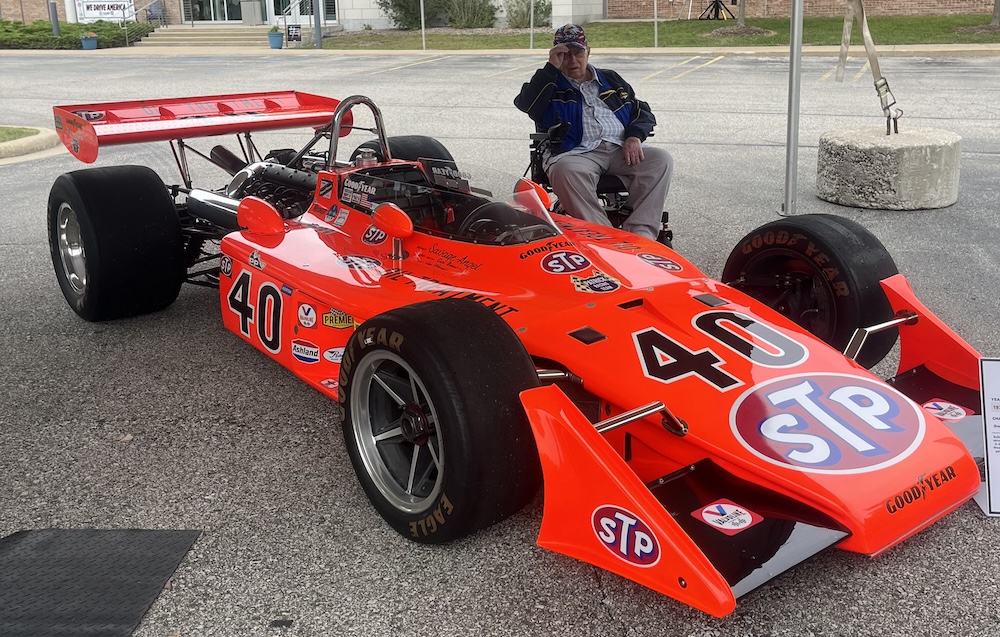
In most of the major vintage racing organizations, cars must be at least 10 years old to be eligible for entry at historic events. It means the new-for-2012 DW12, which just entered its 11th season of use by IndyCar and will become a teenager if it’s retained in 2024, is the only chassis that’s currently qualified to participate in the modern racing championship it was designed for and in vintage races at the same time.
With the hybrid engine formula pushed from 2023 to 2024, the delay with the 2.4-liter twin-turbo V6 motor and ERS package has given IndyCar and Dallara an unexpected gift of time — a free year — to commission a next-generation car to complement the new powertrain and unveil both in unison.
To date, IndyCar’s interest in fast-tracking a new chassis has been limited. When asked last weekend at St. Petersburg about the likelihood of using the hybrid postponement to commission a Dallara DW24, the series seemed disinclined to stray from its plans and retire the DW12 before the hybrids come online.
Moving forward, excessive and escalating chassis weight is the main concern and the primary reason for the pleas to mothball the DW12 and replace it with something lighter and custom made to compliment the hybrid technology.
So far in testing where the weight of the 2023 car has been tried with the DW12, drivers have been massively underwhelmed by the product.
Once they are completed, the ERS units made by MAHLE are expected to add between 110 and 120 pounds to the rear of a car that is already much heavier than the DW12’s designers intended. The most recent steps in the 2023 development process were completed last year with running done at the Indianapolis Motor Speedway by Meyer Shank Racing’s Helio Castroneves and Arrow McLaren SP’s Pato O’Ward, and at Mid-Ohio with Chip Ganassi Racing’s Alex Palou and Team Penske’s Josef Newgarden.
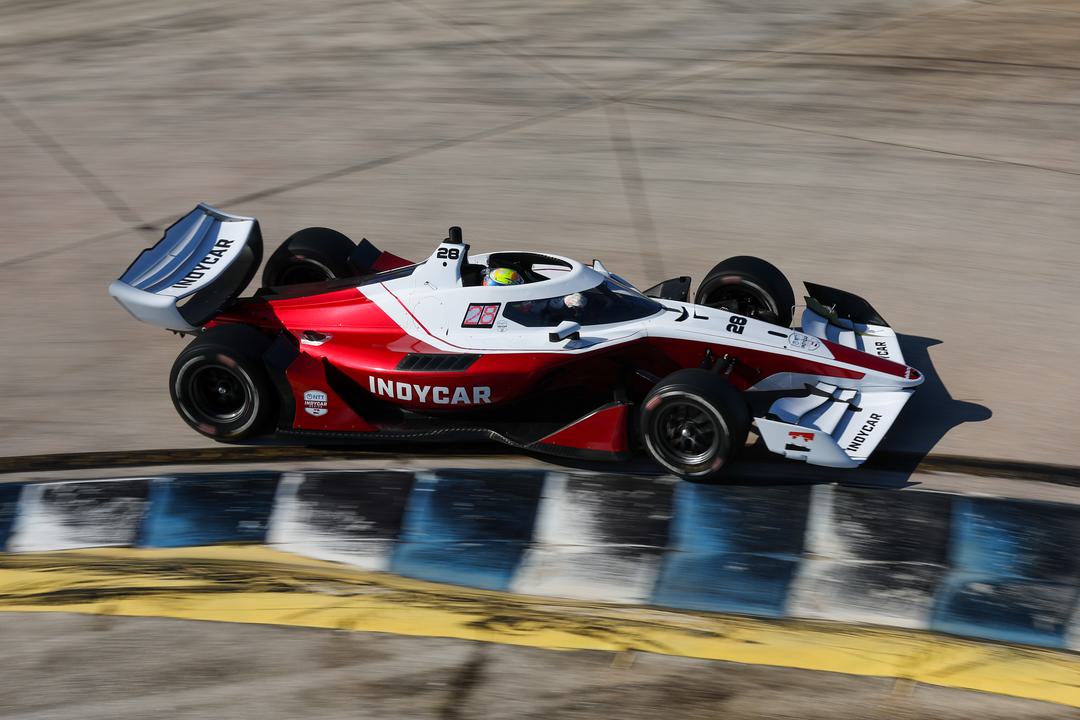
In both tests, the Chevy- and Honda-powered teams bolted in 120 pounds of ballast behind the engines to replicate the estimated final weight of the ERS units. After factoring in the addition of 60 pounds to the front of the cars that arrived in 2020 as IndyCar introduced its sturdy aeroscreen cockpit safety device, the aged DW12s would be saddled with 180 pounds of extra mass to manage in 2024. Filled with fuel, and with the drivers strapped in, the hybrid DW12s should tip the scales in excess of 2000 pounds which, like the age of the chassis, would make for another unflattering modern record.
IndyCar also asked Chevy and Honda to dial up the horsepower at the tests to simulate the 800-900hp meant to be produced by the hybrid powertrains. At Mid-Ohio more so than IMS, the power hike gave Newgarden and Palou a first look at how the higher weight, power, and speed affected handling, accelerating, and braking. Based on the feedback from the four test drivers from their time spent on the big 2.5-mile IMS oval in 2023 trim and at the 2.3-mile Ohioan road course, their honest opinions are worth sharing without interruption:
PATO O'WARD: “We have an opportunity coming up in the next few years where IndyCar is on the rise, many people have interest in it, and it's time for a new car when a new engine is coming out. All these safety things that we've added onto this DW12 car are amazing. The problem is this car wasn't designed from zero with all these add-ons; we need a car that's designed with all of this new stuff and all the safety stuff put in from the beginning. Everything is just going to get better. I understand it's going to be a bit more cost, but I feel that for the long run, it's definitely the way to go.
“I don't think adding on more and more things to an already very heavy ‘Frankensteined’ car is gonna do the trick. And it just gets to the point where there's nothing we do in the setup that helps you get rid of the plowing understeer in the corners. The thing just doesn't go where you want it to go. You can influence it somewhat initially, with very fast turning to get the thing rotated as soon as you can, but in long-lasting corners, you can't do that or you're going to be spinning off into the wall. There’s a hard balance to find there.
“When we’re adding so much more weight to the back of the car, that’s gonna oversaturate the tires to (beyond) what they’re capable of. That's the issue that I see. We're adding more power and weight, but we don't have more tire. Lightness would help us.
“Like I said, I think the time is now for a new car. It's time for a new era, together with the hybrid engine, with a new car, that's created together with the aeroscreen. Build a package that's built from zero together. You know, low, fat, fast and loud. That's what we want.”
HELIO CASTRONEVES: “This (DW12) car has been here since 2012. They did a great job, but in my opinion, if we’re going to do this new engine, we have to do it the right way.
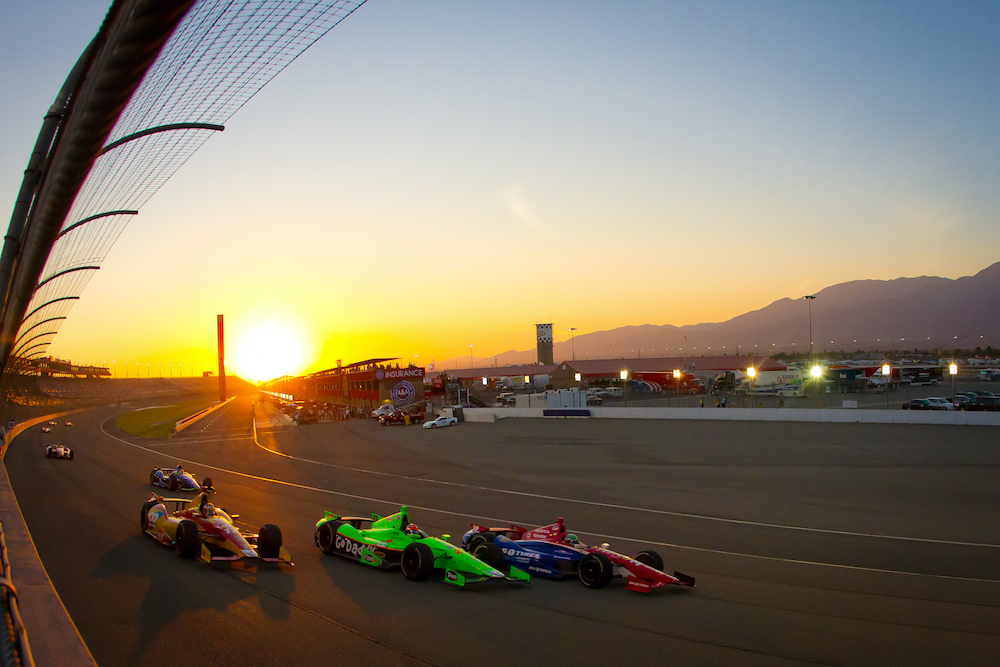
The current chassis has been in active service since 2012, making it uniquely eligible for both current IndyCar and vintage racing. Eric Gilbert/Motorsport Images
“We’ve put the new safety panels on the side, we put the new aeroscreen on it, and we’ve done all these things. And then we add these 120 pounds, and maybe other stuff, which is a lot. But if we’re doing this engine, start fresh, start with a new car, so it can go for 10 more years in the future. So my opinion on that is start it right, do it right, go to the new chassis.”
JOSEF NEWGARDEN: “I love our current chassis, without a doubt, but I am certainly a fan of bringing on a new chassis sooner than later. So whenever that's gonna fit into the timeline is not up to me, but I'm in the club of asking for it sooner than later.
“Observationally from my side, the effort of driving the cars is only going to go up another notch and I've always been a fan of keeping the cars as difficult to drive as possible. I always want an area where I can separate myself against the competition, but you reach a point where you may be asking too much of the average person in the field.
“I think the physical demand is certainly starting to get to a place where it's going to be very difficult to drive the cars with 120 pounds of more weight on the chassis. I think from a tire standpoint, Firestone can build a great tire and the more tire management that's required from the drivers is only a good thing. The more that we have to manage the tires, the more the really skilled guys are going to enjoy that and have a bit of a separator.
“But from a performance and just a safety standpoint, I think a lighter car is always going to be better for those two classifications. I think as we march towards the future, we want more power. I love the idea of the hybrid system and tying into road-car technology. But we've got to also find a way to keep the weight reasonable.”
ALEX PALOU: “It was Newgarden and me at the track, and when we first tested the new spec with more weight and more power it was tough to drive, because the car was super-heavy and was not easy to stop. Especially at Mid-Ohio, which is not super-easy with the brakes, but it's not the hardest either. It was also tough physically. I remember we did three consecutive long runs and (afterwards) we both were done. We spoke after the last session and we were like, ‘Man, I don't know if we can drive this thing.’
“It's not really nice to drive because as IndyCar drivers, we want to be fast, and we feel being fast in the corners, but putting more weight on makes it slower in the corners so it was not great to drive. I don't think we gained much with putting more power in. I did not like the way it was driving. The first laps it was super-lazy in the corners, and especially at Mid-Ohio, you have to connect one corner to the other. It was quite bad on the brakes and going with a car with more power, it’s gonna be super-bad on the brakes and on our shoulders as well. To be honest, we need a new car. I think everybody feels that way.”
To date, the argument against bringing out a new chassis at the same time as the hybrid engines has centered on costs. In this regard, and to its credit, IndyCar has been clear in its mission to avoid stretching the bank accounts of its teams.
Conversely, the cost to update each DW12 is expected to be significant, which begs the question as to why teams would be asked to invest six-figure sums into old cars that will be replaced with new cars to buy 12 to 24 months after the hybrid engines go live. Would holding onto the DW12 instead of going to a new chassis in 2024 end up being a waste of money for its teams?
Asked if they had a preference on whether IndyCar should get Dallara going on a new chassis to go with the hybrid powertrain in 2024, or stick with the staggered introductions and do a new chassis in 2025 or beyond, a few IndyCar team owners and team managers gave us their unfiltered thoughts. And unlike the drivers, a unanimous opinion was not found.
MIKE SHANK, MEYER SHANK RACING: “Right now I'm really torn on this. On one hand I really appreciate what IndyCar has done with the spreading out the costs. I can't tell you how much it helps. I applaud IndyCar a million times over, but on the other hand, this car weighs nearly 2000 pounds now in hybrid form.
“It's 10, 11, 12 seasons old, and I think that since a new car’s going to come fairly soon, we should all bite the bullet and get a car that's optimized for these systems and stop scabbing more stuff onto an old car. The financial model is spreading asset costs over time, and for us, we're in deep enough now that we own four chassis.
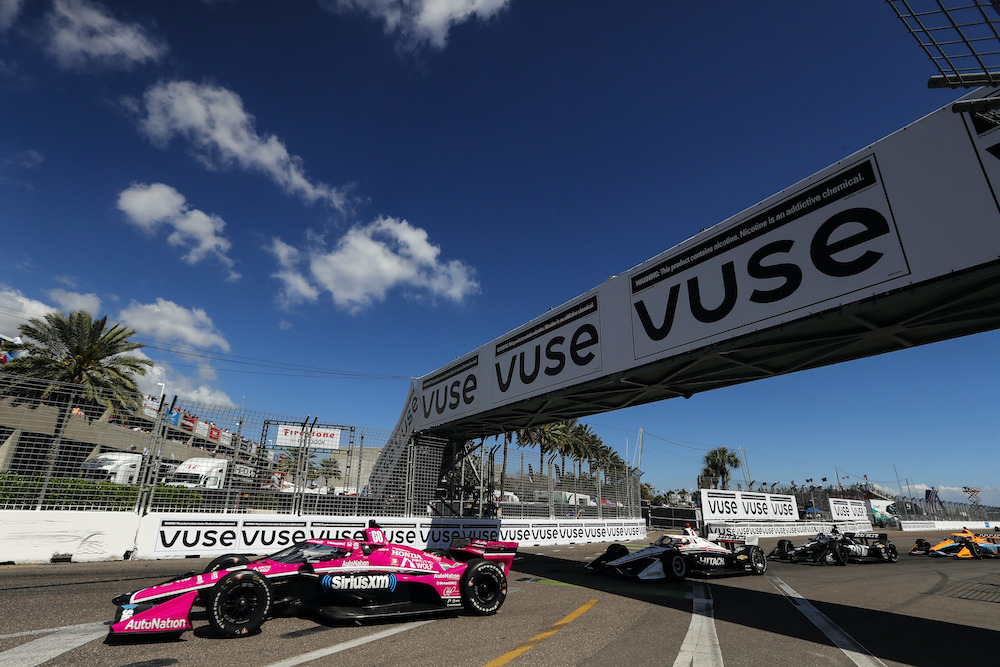
Some owners are cautious about the initial cost of a new chassis, but believe that a clean slate makes sense in the longer term. Phillip Abbott/Motorsport Images
“It won't be fun. It will be painful. But it's also rapidly approaching the time where we must think about getting a new car done. I picked up that chunk of lead that went into our car at the Speedway, and man, it's 120 pounds. That’s like having a body in the back end of the car.
“So listen, we all have the same bullet to swallow. The safety stuff that we have, I wouldn't trade it, and the hybrid stuff that’s coming, I wouldn’t trade it. But at some point we’ve got to think about what we’re putting it in.”
MICHAEL ANDRETTI, ANDRETTI AUTOSPORT: “I know IndyCar is trying really hard on keeping the budgets as far down as they can, and it's a tough thing. Nobody knows exactly what it’s going to cost us to do this. It would be good to know what that total cost is going to be, but the reality is we get surprises every year.
“We’re in IndyCar’s ears all the time on what they're doing and how it’s all going to work, but in the end, it’s probably not going to be what we really want. Whatever they end up doing with the timing on the costs, it's going to be something that we just have to figure out how to make it work.”
ED CARPENTER, ED CARPENTER RACING: “You know, it's something that we've all been thinking about. But we haven't received direct questions from the series as to how the costs [of doing both the chassis and engine at once] would affect us. Have we seen changes like that have an impact on car counts in the past? Yes. We’re definitely in a phase we've seen before, nearing the end of a [chassis] cycle where I think it does make it easier for car counts to swell.
“So I'm sure a new engine, new chassis, even in consecutive years, would have an effect from a car count perspective, I think it'll pull it back. I don't know that every team out there will be able to absorb the capital increase that's required to upgrade a fleet.
“We’ve heard some verbal estimates from IndyCar what they're expecting the costs to be, but we still haven't seen exact numbers and specifics and there's always a little more that comes with it than you think. Regardless, it’s a big investment, whether you're running one or four cars. Doing new engine and new car investments on top of each other will put a strain on the paddock, I would think.
“But whatever it ends up being, it's something that we need to know quickly. Every team’s situation is different, because as you're looking to sign drivers, do extensions, sign sponsors, do their extensions, with big financial changes like that, you may have to negotiate differently or make decisions differently. We need to be thinking down the road with how we're going to execute our plans.”
ZAK BROWN, ARROW MCLAREN SP: “I’m always sympathetic to the finances of any racing team. However, I think the current chassis has served us extremely well for a long period of time and it's inevitable that a new chassis should debut sooner rather than later. And I think timing it with a new engine creates a lot of excitement for the race fans, and as an opportunity to take IndyCar racing to another level and build on the great momentum that we have.
“You're going to have to do it eventually, and clearly, IndyCar is in a very healthy state with a 26-car grid. I think costs have been extremely well managed, and I think no team is ever going to be excited about substantial capital expense hits, but thinking in today's world, there are different scenarios and financial incentives that anything from the series to the chassis manufacturer to the city of Indianapolis in the past could get behind.
“So I think if he went to our partner Dallara and put together a brief about creating some financing opportunities in place for teams to pay over multiple years, I would think that's pretty achievable.”
MIKE HULL, CHIP GANASSI RACING: “I think a staggered plan was probably okay until they decided to introduce the hybrid. Before that, it was just a regular non-hybrid engine they were bringing out. You think about what's happened here, and the plan was a steady movement toward a new chassis in ’24 or ‘25. With the safety enhancements they’ve done to the car, the hybrid was never really on the table. Now the hybrid’s on the table, and yeah, the people that have tested the car so far are not satisfied with it. We did test the car in Mid-Ohio, and I wouldn't say it was really great.
“We’ve been told to expect to make a $250,000 investment in modifying each chassis we own and in buying all the parts that are specific to the hybrid specification. And that does not include the cost of labor. That’s the minimum cost to expect per chassis. Well, when all is said and done, we’ve got 10 Dallara DW12s to update to work with this new hybrid concept. We’ve got 10 cars, that’s eight runners and two spares. We’re looking at $2.5 million just to do the updates on the 10 cars we currently have.
“If they come up with brand-new cars for us to buy, say 10 cars at $400,000, that's a $4 million investment for Chip Ganassi Racing. So I don't know where you draw the line financially on this thing, and yes, it's more money if we have to buy new cars instead of spending on the old cars.
“Maybe I’m seeing this differently than some others see it, but if we’re having to spend $2.5 million already, no matter what, to keep the DW12s going a few more years, how far is it really to keep going to $4 million and buy 10 new cars that have a much longer lifetime ahead of them?
“Are we in this thing for the long-term? Are we in this thing for the short term? If we're truly here in IndyCar racing with a long-term mentality, then you need to spend money in the right places, and the right place isn’t investing millions of dollars into cars that are ready to be put out to pasture. The answer here is looking at us right in the face.”
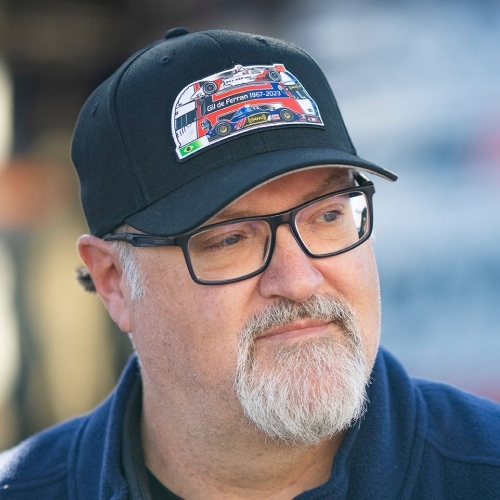
Marshall Pruett
The 2026 season marks Marshall Pruett's 40th year working in the sport. In his role today for RACER, Pruett covers open-wheel and sports car racing as a writer, reporter, photographer, and filmmaker. In his previous career, he served as a mechanic, engineer, and team manager in a variety of series, including IndyCar, IMSA, and World Challenge.
Read Marshall Pruett's articles
Latest News
Comments
Comments are disabled until you accept Social Networking Cookies. Update cookie preferences
If the dialog doesn't appear, ad-blockers are often the cause; try disabling yours or see our Social Features Support.