IMS Photo
PRUETT: Why isn’t Willy T Ribbs’ 1991 car in the IMS Museum?
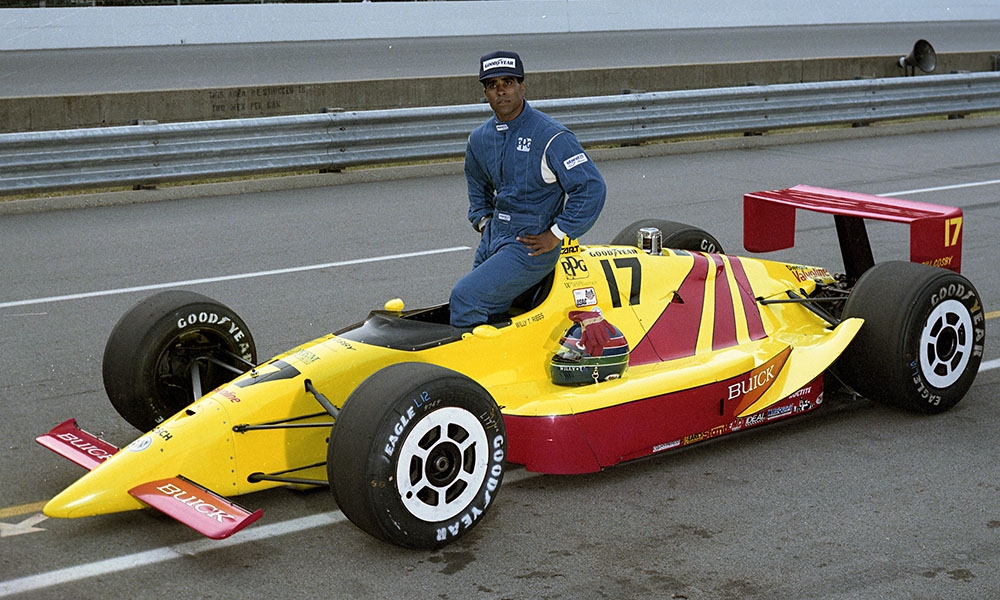
A friend asked an innocent question a few weeks ago: Why isn’t Willy T. Ribbs’ history-making chassis from the 1991 Indianapolis 500 on display in the Indianapolis Motor Speedway Museum? Having reached the 30-year anniversary of Ribbs’ entry into the record books as the first African American driver to compete in the Indy 500, it was an interesting topic to consider.
In that tall, square building nestled between Turns 1 and 2, dozens of Indy cars dating back to the first 500 in 1911 are presented for tens of thousands of annual attendees to see. Dragsters, sports cars, off-road trucks and even Indy 500 obscura like the last car to qualify with an average speed below 200mph have been preserved and shown to the museum’s visitors.
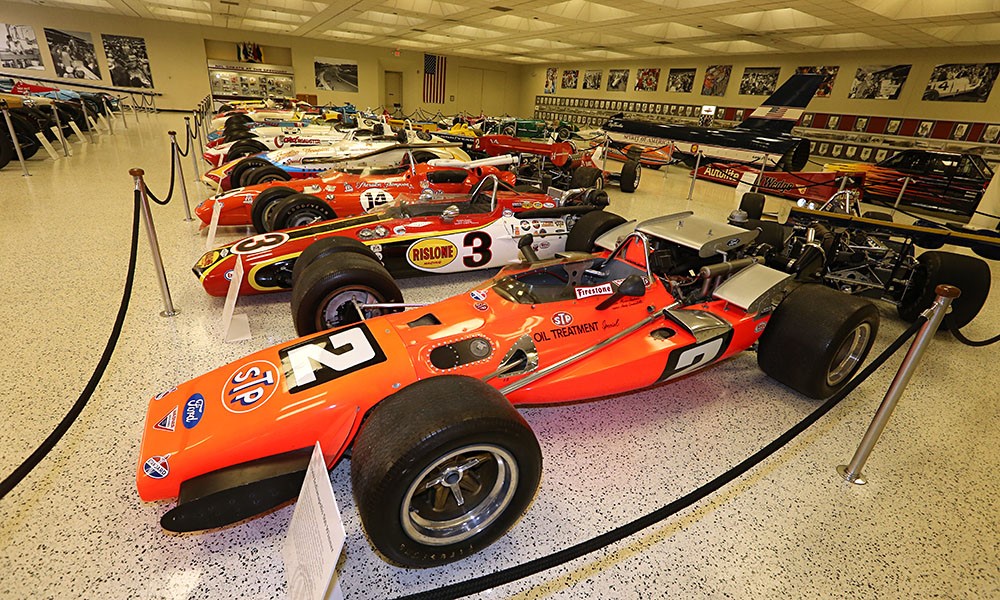
Cars displayed at the IMS Museum commemorate significant days from the Speedway's long history. Image by Marshall Pruett
Finding the reason as to why something as important as Ribbs’ No. 17 Walker Racing Lola T90/00-Chevrolet is missing from the hall of vehicular honorees didn’t take long to answer. Arriving at the conclusion also offered an interesting tour through IndyCar’s past.
“I bought the car from a guy called Antonio Ferrari, whose Euromotorsport CART team ran it in 1990,” Derrick Walker told RACER. “It all came about because I’d decided to start my own team in 1991 and was trying to find some money and a driver. So I went to Phoenix, which is where many teams went to test before the season. I was waiting there, mooching around, trying to see if there were any deals going, and somebody mentioned to me Willy T. Ribbs was trying to find somebody to run him in the Indy 500.
“So I tracked him down. He had some sponsorship -- not enough, really -- but with that, I decided to do it. I talked with Antonio, who had an old Lola for sale with an old, worn-out Cosworth engine to go with it. It was the best we could afford, so I bought that off of him. That was Lola chassis HU12.”
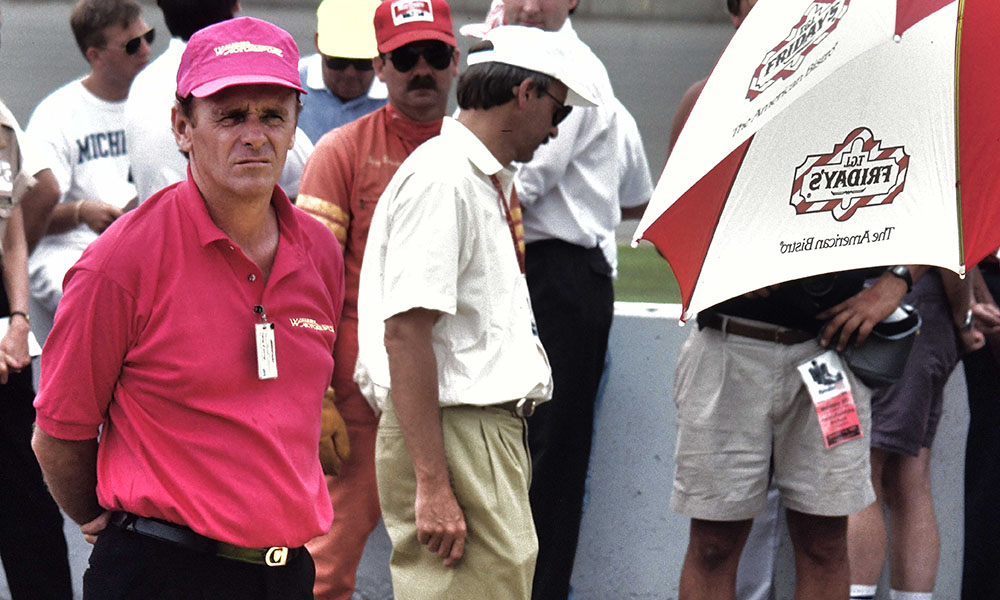
Derrick Walker in 1991. Image by Dan R. Boyd
Well chronicled in the documentary Uppity, Walker -- the former Indy 500-winning Team Penske team manager -- went from the proverbial penthouse to the outhouse after leaving the wealthiest and most dominant IndyCar program to start his own outfit. Stuck with last year’s Indy car design and a tired engine, Ribbs and Walker Racing were in for an epic uphill climb to make enough speed and qualify for the biggest single-day sporting event in the world.
Beset by crushing setbacks and mounting pressure to make the field of 33 starters, Ribbs and the Walker team persevered amid high drama and earned 29th-place on the grid with a four-lap qualifying average of 217.358mph.
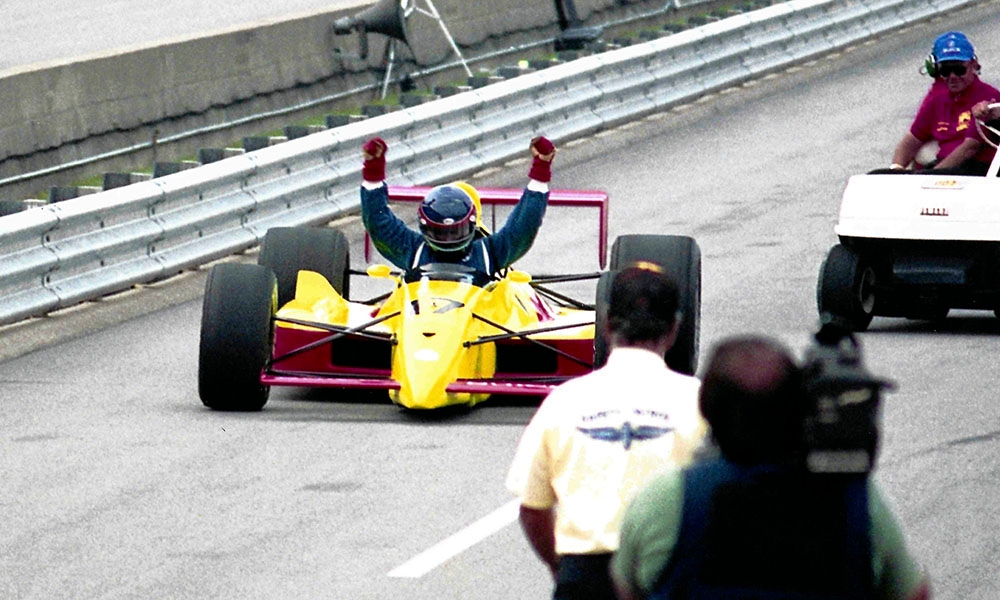
A historic moment for Willy T. and Indy. IMS Photo
The 200-lap race was anticlimactic by comparison; a missed upshift by Ribbs overrevved the Buick engine on loan, and by Lap 5, the chartreuse and hot pink No. 17 Lola was coasting to a smoky stop.
Although their finish of 32nd was far from satisfying, Ribbs made history with Walker. The duo added one more Indy 500 start during their collaboration in 1993 where, using a newer Lola T92/00 chassis, they started 30th and placed 21st at the checkered flag. But the whereabouts of that original Lola T90/00, chassis HU12, is the one of interest.
After the Indy 500 on May 26, Ribbs and Walker raised modest amounts of sponsorship to keep going and complete a partial season, with stops at the CART street race in Detroit next on the calendar, followed by visits to the airport circuit in Cleveland and another street race out in New Jersey where they earned a 10th-place finish. It was at the next round, on the big superspeedway oval in Michigan, where the story of chassis HU12 takes a pivotal turn.
“I had a conflict that Michigan weekend, so I couldn’t be there,” Ribbs said. “So they put Jon Beekhuis in the car.”
Raised 15 minutes from Ribbs in Los Altos, Calif., Beekhuis was a talented open-wheel racer who won the 1988 Indy Lights championship before waging a three-year campaign to find consistent opportunities to drive in CART. Nearly a year had gone by since Beekhuis took part in his last race -- the 1990 Michigan 500 -- when the chance arose to fill in for his fellow Bay Area man with Walker at the 1991 event.
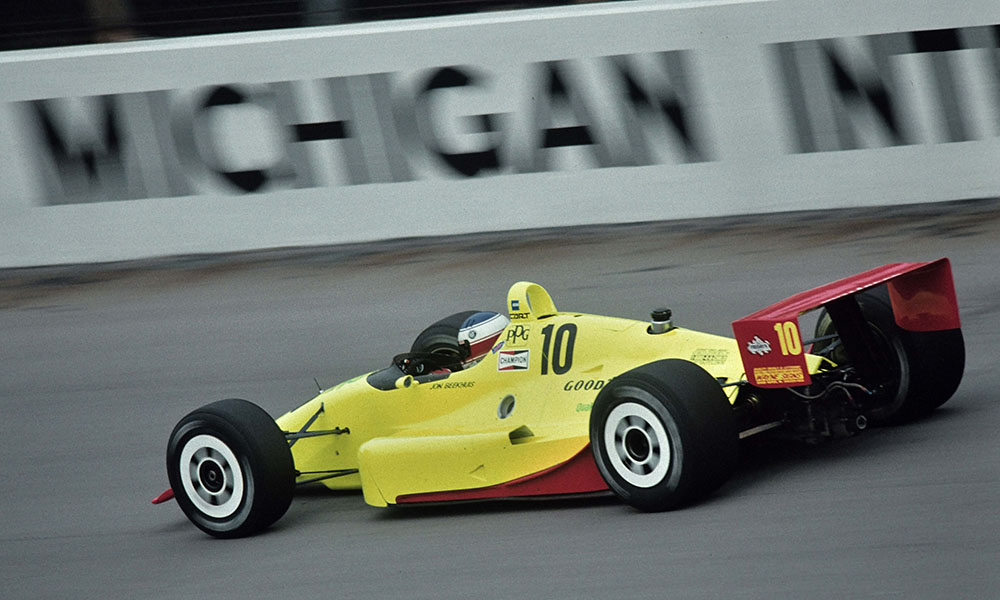
Beekhuis and his ill-fated Lola at Michigan. Image by Dan R. Boyd
Beekhuis and the renumbered No. 10 Walker Lola-Cosworth were nothing less than impressive, qualifying 12th with a speed of 220.627mph around the fast 2.0-mile oval.
“I know Willy really didn’t want us to go and race without him, but I told him, ‘I have to go because that's the only source of income I can get,’” Walker added. “And so that's how we went to Michigan with Jon.”
“I didn’t find out about the old pushrod until I woke up in the hospital,” Beekhuis said.
As the official record shows, Beekhuis and chassis HU12 got through practice and qualifying, but didn’t take part in the Michigan 500 race.
“It wasn’t until after he’d crashed that we learned a [suspension] pushrod failed,” Walker said. “It was the right-front pushrod that went in the morning warm-up session, and he hit the Turn 3 wall very hard on the right side. When people from Lola came by and looked at the car and saw the pushrod, they said, ‘Well, you've got the original pushrods on this thing. We've made updated pushrods, since the originals were a problem... That's why it failed.’”
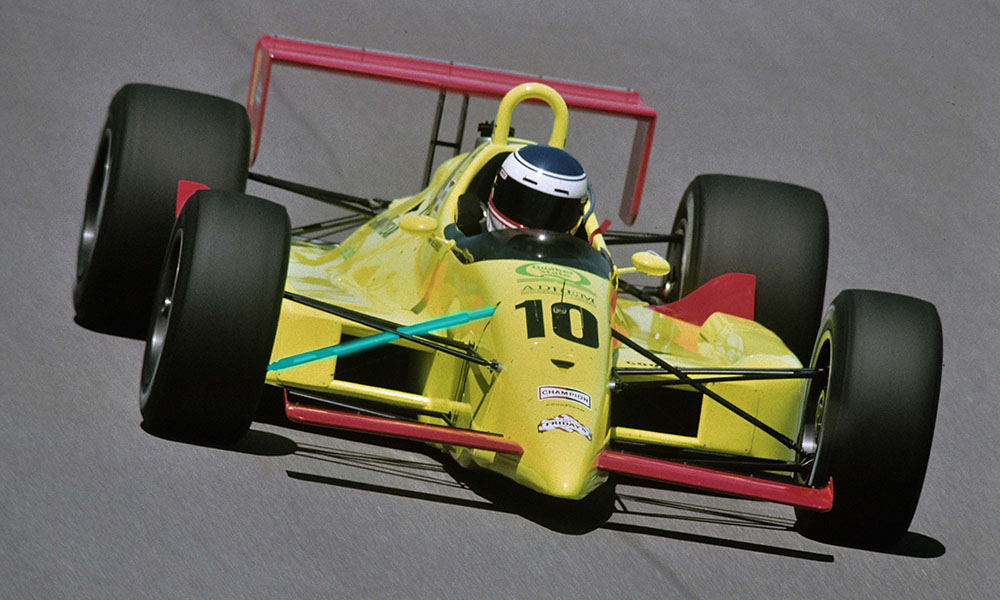
Beekhuis at speed with the old pushrod highlighted in blue. Image by Dan R. Boyd
“The year before at the Michigan race, Al Unser Sr. had exactly the same crash I ended up having,” Beekhuis said. “He was in a ’90 Lola and the pushrod failed; he hit the wall hard, broke his femur, and they stopped the event for a long time while they assessed the reason and had reinforced pushrods done for the Lolas, because the field was mostly Lolas.
“Somehow, an older pushrod got used and we had a big crash ourselves; that was well over 200mph. And when the pushrod fails, the car just sits down on that corner and scrapes along the track while you’re truly a crash test dummy waiting to hit the wall.”
Decades later, Beekhuis -- better known these days for his peerless broadcasting career as a motor racing pit reporter -- has no problem recalling the small details.
“My right hand was trapped against the steering wheel,” he said. “The right-front wheel got trapped between the wall and the car in the impact and the wall pushed the wheel and tire into the side of the tub right where my hand was gripped on the steering wheel. The whole tub kinked around that tire. I was in the cockpit under major pressure for 20 minutes until they cut the car apart.
“So it smashed my hand against the steering wheel -- which I still have -- and then my helmet hit the wheel, so I think that, with the G forces in the impact, ended up knocking me out. But after I hit, I was sliding down the track with my broken hand on the radio button, I said, ‘Something broke on the car’ to the crew, and then I passed out. That’s such a driver thing to do…I needed them to know it wasn’t my fault, and then I was out.”
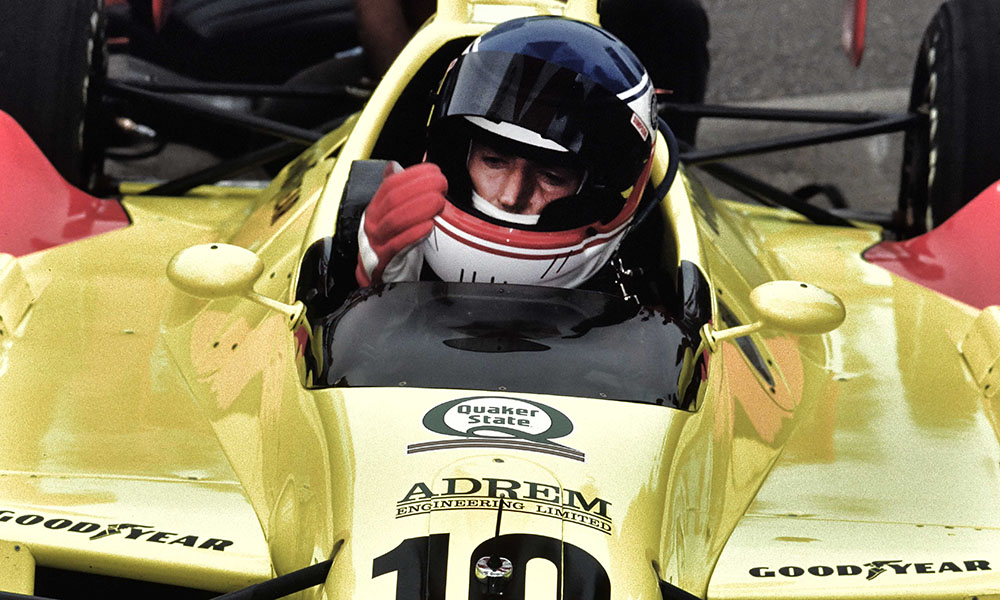
The pushrod-induced crash pre-empted Beekhuis’ run with Walker, and his IndyCar racing career ended shortly thereafter. Image by Dan R. Boyd
Heavily bruised and dazed, Beekhuis was extricated from the twisted chassis once it was cut away on the right side by the safety team’s hydraulic Jaws of Life machine. Transported to Foote Hospital in Jackson, Mich., Beekhuis was fortunate to escape with a single broken bone in his right hand.
“Of course, I'd never run a Lola before this one I’d bought,” Walker said. “I didn't realize there was a part on the car just waiting to fail. We found out the hard way.”
In an era where CART IndyCar chassis technology relied mostly upon aluminum honeycomb construction, the suspension failure and the ensuing crash into the Michigan wall at nearly 220mph meant Lola T900/00 HU12 had met its competitive end. Owing to the extensive damage in the impact and the section carved away by CART’s emergency response team, there was no chance of repairing and racing Ribbs’ history maker.
“Beek-man was in the car when it was written off,” Ribbs said. “As a matter of fact, he about wrote himself off; that was almost his last race ever. It was a sad way for it to end up.”
Walker continues to lament the mistake that injured the blameless Beekhuis and wrecked his one and only chassis.
“‘Shame on you, dummy,’ is what I thought to myself," he said. “I’ve still got the faulty pushrod to this day. And it's clearly snapped off. But of course, I was damn unhappy.”
Returning to May of 1991, a request from one of America’s great institutions was placed with Walker Racing.
“Did you know the Smithsonian wanted that car?” Ribbs asked. “They wanted to get it after Indy. Walker said, ‘Well, we're gonna run it and then we'll give it to you at the end of the season.”
“At the time, it was my only car,” Walker said. “There was there was an approach from the Smithsonian on it, but you know, nobody said, ‘Here's some money, we'll buy it off you and you can go buy another one.’ I needed the car to race and earn my living and pay my crew, so there was no way I could give the car away to anyone after Indianapolis. I’d have needed to buy something else, and that wasn’t going to be possible after basically going broke running at the Speedway.”
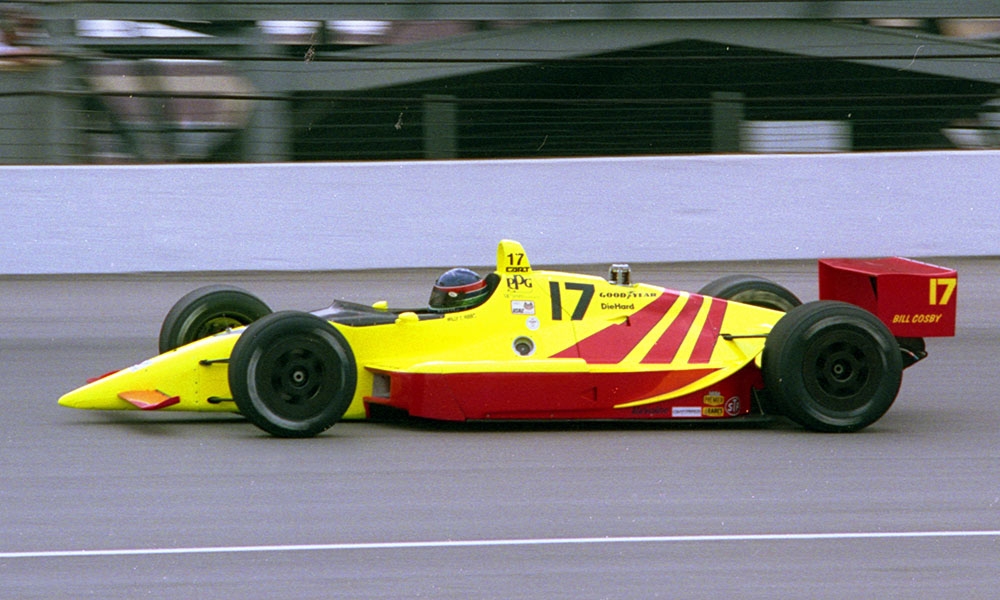
Ribbs at speed in HU12 at Indy. IMS Photo
Transported from Michigan to Walker Racing’s shop in Indiana, a full damage assessment on HU12 was completed.
“We took it back to Indianapolis and stripped off everything we could that wasn’t damaged, because we needed to carry on if we got another car,” he said.
At the same time, Walker scrambled to find new funding to purchase another used Lola T90/00 and prepare it for the next race, held three weeks later on the streets of Denver. He was successful in that endeavor. Despite the sizable setback with Beekhuis at the previous round, a new coat of chartreuse and pink was applied to the replacement Lola, and in the thin Colorado air, Ribbs produced a career-best finish of sixth with the stand-in chassis.
With the crash dilemma resolved and Walker Racing back on the CART IndyCar trail, a fateful decision was made with old chassis No. HU12.
“It’s in the garbage dump,” Ribbs said. “I don't know what dump it’s in, but that's where it is.”
Unlike most sports where memorabilia of immense cultural importance or athletic excellence are thought of as items to preserve for future generations, the idea didn’t occur to Walker’s team 30 years ago.
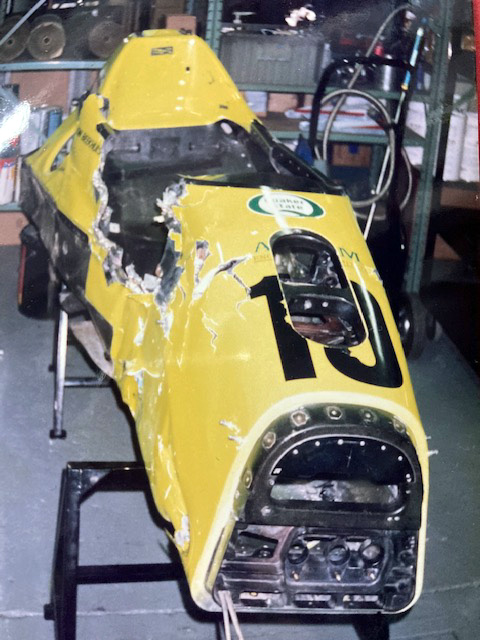
“We eventually pitched the chassis; it's in some landfill in Indianapolis,” Walker said in a regretful tone. “The thing is, you look back now, and having Willy as the first African American to qualify and race at Indianapolis was a big deal at the time, but it lasted a short period of time afterwards. The bubble was burst once the race was over. It was hard to get that support after that for Willy. Everything was done on a shoestring budget to get from race to race once Indy was over.
“After Willy qualified, we’ve got McDonald’s calling and wanting to be on the car. And they were -- it helped us to dig out of the money pit we’d dug ourselves into. But after the race, it's like the flame went out and everybody else went back to square one. It was back to how do you find money to continue? So what I’m saying is that almost immediately after Indianapolis, this feel-good story had run its course, and we weren’t patting ourselves on the back with this achievement.
“It's only now, when I think back to then and wonder about whether I should have hung onto that chassis, and I think yeah, maybe I should. But you know, at that point, it was all about survival and trying to run a team and get established. A destroyed race car that we could no longer use was what we saw, and so we got rid of it.”
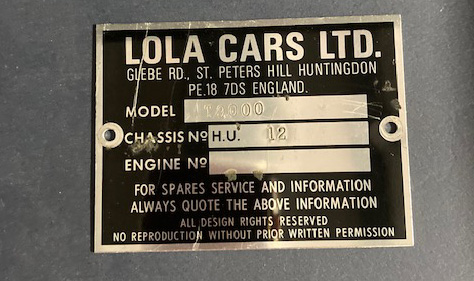
Original chassis plate and crash damage images courtesy of Derrick Walker
Barring an Indiana Jones-style archaeological expedition to find and recover chassis HU12 under decades of waste, the only chance of seeing Ribbs’ No. 17 Lola-Cosworth at the IMS Museum would come from the funding and assembly of a recreation built around an original T90/00 model. Ribbs says an initiative was afoot when Uppity was about to debut, but the notion has cooled and faded.
“About three years ago, the museum was looking to do a replica of the 1990 Lola,” he revealed. “And everybody wanted a half a million dollars, minimum, and we're not talking about one with engine. A rolling chassis. They wanted a 1990, wanted to put it in the colors of Indy 1991, car number 17, to go into museum for history’s sake.
“You ever see hyenas out in the bush? They haven't seen the carcass, but they smell it, nose up in the air. That's what we got here, you know? People trying to take big money off the Indy 500 museum, wanting to sell an old chassis that isn’t even the real one Walker owned, and they weren’t gonna bite on those dollar amounts. My ass. They said, ‘No thanks.’”
With the purchase of IMS and the NTT IndyCar Series by racer and businessman Roger Penske in 2020, Ribbs has placed his hopes in solving the absence of having a No. 17 Lola-Cosworth -- in those blinding period-correct colors -- on the IMS Museum floor with the track’s new caretaker.
“If RP wants to get one, he'll put the dogs out and they'll track a ’90 chassis down and make that happen,” Ribbs said. “If anyone can do it who truly cares about history, it’s Roger.”
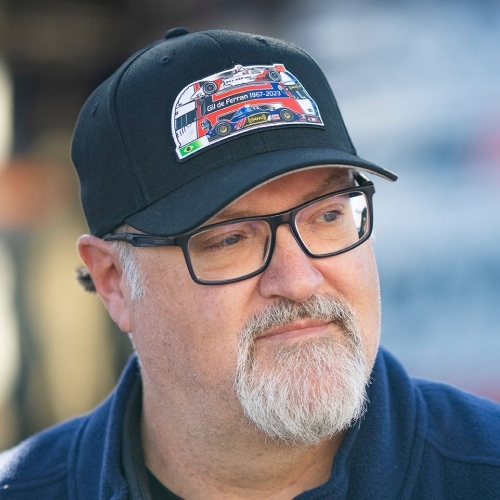
Marshall Pruett
The 2026 season marks Marshall Pruett's 40th year working in the sport. In his role today for RACER, Pruett covers open-wheel and sports car racing as a writer, reporter, photographer, and filmmaker. In his previous career, he served as a mechanic, engineer, and team manager in a variety of series, including IndyCar, IMSA, and World Challenge.
Read Marshall Pruett's articles
Latest News
Comments
Comments are disabled until you accept Social Networking Cookies. Update cookie preferences
If the dialog doesn't appear, ad-blockers are often the cause; try disabling yours or see our Social Features Support.