Robin Miller’s Mailbag for May 26, presented by Honda Racing / HPD
hpd.honda.com
and on social media at@HondaRacing_HPD
and https://www.facebook.com/HondaRacingHPD.Questions for Robin can be sent to millersmailbag@racer.com. Due to the high volume of questions received, we can’t always guarantee that your letter will be printed, but Robin will get to as many as he can. Published questions have been edited for clarity. Views expressed do not necessarily reflect those of RACER or Honda/HPD.
Q: Can a team, especially a big team and one with technical alliances, fall into a trap of relying too much on their technical/data instincts and ignore their "racer" instincts? Some examples: Ed Carpenter Racing must have missed the memo that Chevy teams weren't supposed to be competitive. When asked Sunday morning if Team Penske had reached out for help, Ed said no and that he more or less wouldn't expect them too. That to me says it's not Chevy issue, it's a Penske issue. Rinus VeeKay said something similar after qualifying that Chevy gives them plenty of power and tools and it works for his team. Ed, and his team, are racers, and drive them fast and hard. Third and fourth are the results.
On Friday during the broadcast, Paul Tracy said, "At Team Penske, they more or less tell you your setup." Could this be why their rookie driver (albeit an exceptional one) was the best qualifying car in what was a pretty dismal performance? No data to rely on, just going with a gut and being a racer, not looking at endless years of data of what should and shouldn't work?
On Sunday morning during practice, Townsend Bell and PT were discussing the merits of Top Gun Racing being able to throw out everything but the kitchen sink to try and go fast, versus Team Penske not being able to take that big leap due to sponsor obligations, etc. PT (in my mind, correctly) thought it was a benefit for Top Gun, and Bell disagreed. Your thoughts? Last question, any rough idea on the crowd sizes? Sunday especially looked quite well-attended.
Chris, Chicago, IL
RM: Of course, anybody can get lost and that’s what happened to Team Penske in 1995, but instead of taking the cars from Rahal as is, they naturally had to change them. At least that’s what I recall. R.P. is very proud and doesn’t ask for help and it’s worked 18 times, so not sure how a qualifying badass like Power can be stuck in the last row and a rookie with very little oval-track experience blow off all his teammates, but that’s why it’s called racing. I doubt if Scott was some renegade going out on his own, but whatever he had suited his style. ECR’s awesome performance took away any Penske excuse that it was Chevrolet. Top Gun did about as well as can be expected considering its time frame and maybe Penske was more conservative, but I doubt sponsors had anything to do with it. I was told 45,000 people each day and that looked fairly accurate – nice turnout.
Q: I enjoy reading your work. Several years ago when I found RACER magazine and saw your name, I thought it was your son since I remember seeing your name for what seems a half century. Keep it up. What has happened to Penske? Last year it had a slow start to the season and an overall small step back in performance. This year, the performance has eroded further. Is it due to loss of personnel, Roger's distancing from active team management or something else?
Mike Woodall
RM: Well, Penske won seven races in 2020 and Newgarden was a close second in the title, so I don’t really see that as regression. The bottom line is that it’s just a lot more competitive and tougher to win a race with all these talented kids.
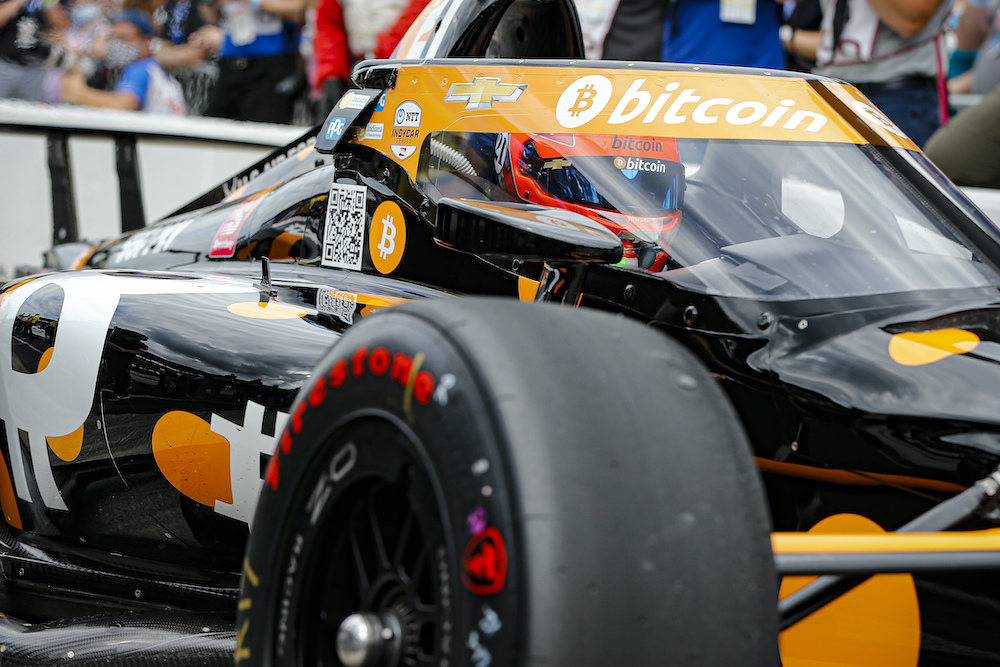
All Bowties are created equal, but based on qualifying, some teams are better at using them than others. Phillip Abbott/Motorsport Images
Q: My question is with regard to bluffing, if there is such a thing. Over the years at Indy, during the practice weeks leading up to qualifying; when certain large, successful teams seem to be struggling to get up to speed, I’ve heard the phrase, “They’re not showing all of their cards just yet.” Is this truly a tactic used sometimes by the teams? If so, what is it supposed to do – lead other teams into a false sense of security? I would think all of the teams would be doing the best they possibly can to get the most out of their cars, regardless of what other teams are doing, or not doing. Chip Ganassi Racing sure doesn’t seem bashful about showing how fast its cars are this year. What say you?
Steve Sporer, Chicago, IL
RM: A.J. and Sneva would run two or three corners hard and then back off so nobody could get a read on their lap times (long before computers ruled), and in 1994 all the Team Penske drivers were told to never run a complete hot lap in practice for fear of exposing their advantage. So it happens, but probably a lot less now because everyone has the same equipment.
Q: I know it’s pretty late to sell tickets, but with the CDC lifting mask regulations, any chance they’ll up the attendance limit for Indy? Even in California the L.A. Dodgers are going to full capacity. Seems The Captain is getting screwed here. Will they lift the mask requirements inside the track now, too?
Dustin, KS
RM: It doesn’t appear there will be any concessions made in either area. Our beloved mayor said at the annual breakfast last weekend to blame him for the masks and I do because fans are outdoors, most of them have been tested and the rest of the country is loosening up.
Q: Will Power mega-fan here. Now that I have taken my first deep breath since Friday morning, I can’t help but feel the desire to immaturely point fingers. Is it me, or has the 12 crew been playing musical chairs with key positions since 2017? From 2009 through 2016 it was Willy P and Tim Cindric against the world. Totally synched, IndyCar champs, more poles than anyone. Then Newgarden joined the team and they sent Cindric to Josef’s pit. Not ideal for the 12, but OK.
In 2018 The Captain took over and Rocket was his spotter. Until the month of May that is, because then Roger and Rick left to go to Helio’s crew. All right, disappointing but understandable. Then came Jon Bouslog. Indy 500 champions. Elation beyond belief. Next year: so long, Jon Bouslog. Followed by two non-stellar years for the 12 car and yet another strategist shuffle between The Captain and Ron Ruzewski.
Now Bouslog’s back, and they send him to McLaughlin’s pit along with Mears and longtime Power crewman Matt Jonsson. I know Dave Faustino is maybe the only variable that matters to Will. But for God’s sake, he’s the winningest driver in Penske history and he is consistently getting his crew switched around and receiving the “he’ll be fine” treatment from the team. This past weekend showed he won’t be fine. Not to knock Ruzewski, and I understand everyone at Penske is talented, but the only reason that car is in the show is because of Will’s bravery in Turn 2. What does a guy have to do to get some consistency in his garage?
Grant V. from MN
RM: It has been musical chairs for WP, but he and Faustino have stayed together and I think that’s the most important element. Obviously, the whole team is scratching its head this month, and I’ll admit this is the first time I’ve not considered Penske as being one of the favorites.
Q: It’s great we’re finally achieving car counts greater than the 33 available slots for the Indy 500 and made Bump Day interesting again. You never can tell who will run into trouble – take Will Power on the brink of not making the field this year, or Alonso not making the field two years ago.
So, I was wondering – since 1960, what was the greatest number of cars bumped out of the Indy 500 lineup that had been qualified going into the final qualifying session?
Brad from Powder Springs
RM: Russ Thompson, the smartest man about the Indy 500 statistically, was kind enough to provide this info: “So this probably isn't the answer Brad is looking for, but in 1980, Day 3 got completely rained out. And the weather didn't look great for Sunday. There were only 19 cars qualified and 38 cars in Gasoline Alley that were not yet qualified. So when the track opened on Day 4, it was frantic. Rutherford was on the pole at 192.256. Tony Bettenhausen Jr. accepted a speed of 176.410, hoping the rain came. His plan failed. Long story short, seven cars were bumped before the rain came at 4:20. It ultimately took a speed of 182.463 to make the field.”
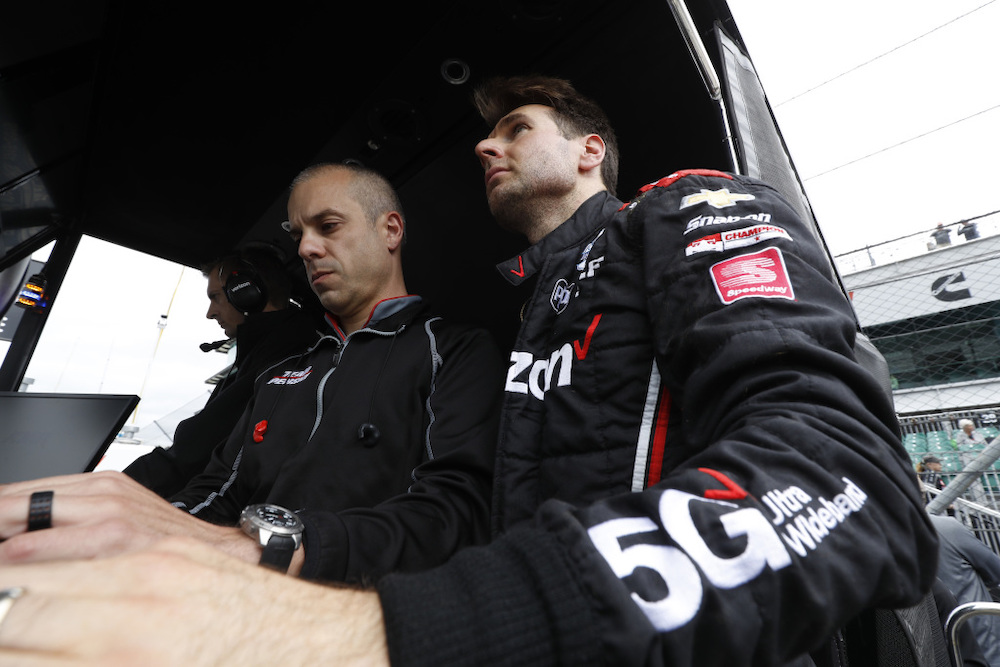
It's been musical chairs on the strategy side of Power's pit wall, but the clutch partnership with engineer Dave Faustino remains intact. Michael Levitt/Motorsport Images
Q: I know it’s only practice, but Honda has taken Chevy to the woodshed. Given historically the Honda fuel mileage has been better and it has what appears to be a horsepower advantage based on trap speeds, has Chevy punted shifting to development in the new engine package?
Troay Strong, KC
RM: Obviously this was written before qualifying, but Rinus VeeKay and Ed Carpenter pretty much dispelled the theory GM didn’t have the ponies to compete. And why would Chevy tell the media anything?
Q: If Helio is averaging 230.513mph, what is the top speed heading into Turn 1? It’s safe to say no other series other than Top Fuel is going that fast! Balls of steel.
Jack C.
RM: I saw various cars reach 239mph going into Turn 3 during qualifying, and it seemed like 237 was the best for Turn 1.
Q: I take issue with the entire last row being vulnerable when only two cars are trying to bump in. P31 should be locked into the race based on Saturday’s time. P32 and P33 should be the only positions up for grabs because you only have two cars trying to get in. If three cars were trying to bump in, then P31 would be vulnerable, of course. Why the whole row?
Jeff, Florida
RM: Because it’s a better show for television.
Q: I hear people complain about IndyCar racing all the time. In my mind, the last 10 years have been spectacular compared to what I have watched on YouTube. I’m saying the 2010s rival the ’80s and ’90s. Do you disagree?
Matt Maurer from Boulder Junction, WI
RM: If you’ve read what I’ve been writing the past few years, you’ll know I think it’s as competitive as IndyCar has ever been, and it should be since everyone has the same car and the engines are so close. But the depth of the teams and drivers have improved as well, and it’s usually a good show.
Q: I was reading the article on RACER in regards to IndyCar recognizing the need for more oval races on the schedule and got to thinking. What if IndyCar tried out a fewer shorter paved ovals like Lucas Oil Speedway or other smaller tracks across the Midwest? As it is most oval races draw smaller crowds, so these would make for better TV and sponsors. You wouldn't need a 300-lap event, just make it a 100-lap feature or something that didn't require pit stops. Make it a Friday or Saturday night event. It could also be a boost for these tracks after dealing with the pandemic last year, and this year's limited crowds.
I understand the sanctioning fee would be a major issue for a lot of these tracks, but would it make sense for IndyCar to give it a try next year at one or two tracks and see how it pans out and offer a reduced fee?
Don, Milwaukee
RM: I truly think Richmond would have been perfect because of the width, banking, speed and infrastructure, but can’t imagine Indy cars on the IRP oval.
Q: Since I caught some heat for not actually asking a question previously (just concerned about series popularity), I'll ask a question or two this time. If ovals are becoming extinct in IndyCar (except IMS and Gateway) and it costs so much to stage a street race (and turning a profit may be suspect, but thanks Nashville!), that leaves road courses. Other than the current road courses on the schedule, what other potential venues are there for IndyCar in the future?
Randy Mizelle, NC
RM: Montreal would be my first choice, and maybe Road Atlanta if IndyCar could help with some safety upgrades. I hate that COTA is gone, but the massive NASCAR crowd (in the rain) tells me IndyCar won’t be going back.
Q: I love reading your retro and Tough Guy articles. One thing in the excellent Fiore/Zimmerman piece jumped out at me: "ran all day on one set of tires and finished eighth.” I’ve read that Foyt completed the race on one set of tires in ’64 and Mario was forced to run the entire ’69 race without changing the right rear. But how common was that, and when was the last time someone completed the race, let alone won it, without changing tires?
Tom Hinshaw
RM: I have no clue, but I imagine the mid ’70s would have been the latest for anyone not changing tires. Unless you only had one set, like my pal Jerry Sneva at Trenton. He spun, flat-spotted all four tires and was told that’s all they had when he came into the pits. He went back out and drove on those rocks until the right-front suspension broke. I think it was 1975 or ’76.
Q: What is the peak horsepower for the Chevy and Honda? What is the maximum variation from one Chevy engine to another Chevy engine? Also, same question for Honda engines.
William, Evansville, IN
RM: I’m told it’s around 550hp in practice/race boost at IMS, and knocking on the door of 700hp which the boost is turned up for Fast Friday and qualifying (also road and street courses). After nearly 10 years with the same engine, there’s little or no variation from one engine to the next. Both manufacturers expect these numbers to go up significantly with the new hybrid engine in 2023.
Q: I miss the call of "Gentlemen, start your engines...." The prose was not so elegant when Janet Guthrie qualified, but in other races, if all the qualified drivers are male, wouldn't it be nice to give the more traditional command?
Marcus Erickson, Snohomish, WA
RM: If there are no female drivers in the race you could go back to Gentlemen, but it’s not gonna fly most Mays.
Q: Love reading the Mailbag and appreciate your insight and everything you do.
The month of May is certainly a special time to be an IndyCar fan, and since for me the glory days were the turn of the century when CART was in its heyday, I always find myself thinking about what it would have been like seeing Greg Moore at Indy. He was so fast and aggressive at almost everywhere that CART ran, and if I remember correctly he had just signed to race for The Captain for the 2000 season. It seemed like all the stars were aligning for him to become one of the all-time greats when we lost him.
I eventually became a big Dario fan and I know that he and Greg were great friends, and Dario had pretty good success at Indy. So my question is, do you believe he could of had the same success at Indy as Dario, or even Helio – since I believe that’s who Penske signed for 2000? Or was his aggressive style not suited to a place like the Speedway? Would love to hear your thoughts.
Ron, Dayton, OH
RM: Ponder this: Helio wasn’t close to being the oval-track driver that Greg was at that time, and there is no doubt he would have been a multi-Indy winner. Do yourself a favor and watch his pass on Zanardi at Brazil in 1999, or when he won Michigan on the last lap, or his wins at Milwaukee and Homestead – and that wasn’t even with the best engine.
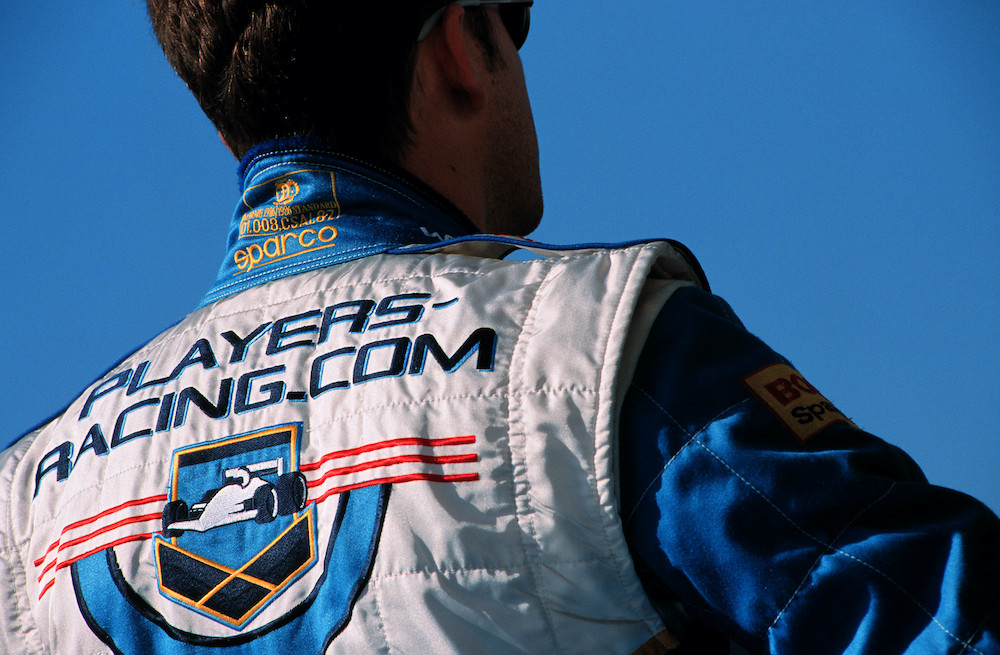
For Moore, the Borg Warner beckoned. Michael Levitt/Motorsport Images
Q: NBC couldn’t find a veteran IndyCar engineer for the TV coverage? I’m sure Mr. Letarte is a very nice man, but his ignorance of IndyCar technical issues gets tired fast. Paul Tracy gives far more valuable info about how the car works than Letarte does. Its kind of strange that Indy 500 coverage features a NASCAR champion driver and crew chief, just like over on the other channel’s NASCAR coverage. Next year they should just pair Tracy with a retired IndyCar engineer. NASCAR guys don’t move the dial at the Indy 500.
Steven Kent, Boston
RM: NBC has full-timers like Steve, Marty Snider, Kelly Stavast and Dave Burns, and while NASCAR is their primary beat, they have five months while FOX hosts Cup with not much to do so it was decided to use them on IndyCar. Kevin Lee and Dillon Welch resume more of an active role when NASCAR starts, but the trend in network racing is to only use a couple pit reporters except for a big event like Indianapolis. And I don’t know of any out-of-work IndyCar engineers that are TV ready.
Q: I hope you can answer a question that came to me as I watched the weekend’s events. Drivers often struggle hearing questions from pit lane reporters when there is activity on the track. Has NBC ever considered outfitting reporters with an extra headset to hand drivers for such interviews? Seems like it would end the wasted time of repeating unheard questions, and might even provide a better/closer microphone that improves sound quality for viewers, too. A quick disinfecting wipe between interviews could solve any hygiene concerns.
Brad Cloud, Missoula, MT
RM: I imagine if you were going to sit down for five minutes with a driver it might make sense, but for just asking a couple quick questions, can’t see it happening. Not a bad idea though.
Q: We all absolutely love the chemistry between the current NBCSN team and especially enjoy the banter between Townsend Bell and Paul Tracy. But after several years of hearing it and taking it in each weekend, I have to ask a question I'm sure others have thought about. When was the last broadcast where Paul Tracy didn't say something to the effect of, "Oh no, that might get him a penalty" and/or "Race control might have to take a look at that"? It has to have been a long, long time. If ever.
We all love PT, and we know over the years he's probably had portions of the rule book thrown at him the rest of us didn't even know existed. He's our resident penalty expert because, well, he's PT. That being said, every race broadcast, I wait for him to mention something about someone getting a penalty. It's almost like "PT" is starting to mean "Penalty Time." Am I wrong?
Matt Dernick, Tomball, TX
RM: Not sure where that came from, because PT is the original “let ’em race” guy and it goes against his very grain. Stirring up a little controversy is likely the end game.
Q: I think NBC really screwed up by broadcasting on the network at the time they did. All the first runs were done at that point and there wasn't any drama to build up. I know it's a matter of scheduling, but still, I think they missed the boat. I'm a native Hoosier (but living in Texas). Even though I don't live in Indiana, I still was disappointed when Indiana chose to go to Eastern Time years ago. Why didn't the Speedway adjust the hours so that practice/qualifications ended at 7:00 p.m. instead of 6:00 p.m.? There's still the same amount of daylight at 7 p.m. on Eastern time as there would have been at 6 p.m. on (non-observed Central) time.
If it was extended to 7:00, we would truly have the same Happy Hour conditions as there were years ago. I know it's been this way for a few years now, but why was it decided to end qualifications at 5:50 p.m. instead of 6:00 as it had been in years’ past? Was this network driven so they could wrap up before the top of the hour?
Bobby Whitmore, Flower Mound, TX
RM: When network leaves you a hole, you take it. Happy Hour hasn’t mattered in years, so why make the mechanics’ day even longer? Yes to your last question.
Q: I've got the answer to save ovals: Pack racing. It has been avoided in the past due to the obvious dangers of it. But now we have the hideous aeroscreens which, according to NBC race coverage, are responsible for saving a life at every other race. Might as well put them to the test. The 2015 Fontana race was no doubt one of the most exciting I've ever seen. Of course nobody showed up or watched it on TV, but nobody anticipated such a race to happen in the first place. But if IndyCar announced that from now on all oval races were going to look like that and stuck with it, in a season or two ovals would be packed again. Or maybe they'll still be in the same position they are today, but then at least IndyCar can say it tried it all before letting them die for good.
Blake from Alabama
RM: Fontana was more of a drafting race than a pack race because drivers could make moves and get away from each other. Twenty cars droning around in formation, two-by-two, at Texas wasn’t good racing in my mind. But because the cars are safer we should revert to pack racing? Ain’t gonna happen, and it wouldn’t make one iota of difference at the box office or on TV. We saw what happened in the IRL’s closing years.
Q: I’m only a couple of years younger than you, so I, too, remember back in the ’60s when short ovals like Milwaukee, Trenton, Langhorne and Phoenix were one-day affairs. Has IndyCar considered going back to that format? Practice early Saturday afternoon, qualify late afternoon, race Saturday evening. Wouldn’t that be cheaper for the teams and promoters? And the fans would get a full day of action. Do you think that would help revitalize ovals?
Peter, Gainesville, VA
RM: Gateway needs two days because of all the racing it hosts, but Texas would be perfect as a one-day show and I think that’s where IndyCar is headed: two days for road courses and a late Friday practice for street circuits. It saves teams and promoters money, and doesn’t hurt the show.
Q: I just read the interview with John Menard on NBC Sports, but to this day I ask the question: “Why did the CART team owners sell them their old cars?” If they didn’t do that, what cars would have ran? That could have been a gut punch to the IRL. I mean, how much money did the CART owners get? Seems like a very short-sighted move.
Jim Doyle
RM: Arrogance. CART never dreamed Tony George would spend millions and millions trying to prove his point, and they didn’t think the IRL would last a year.
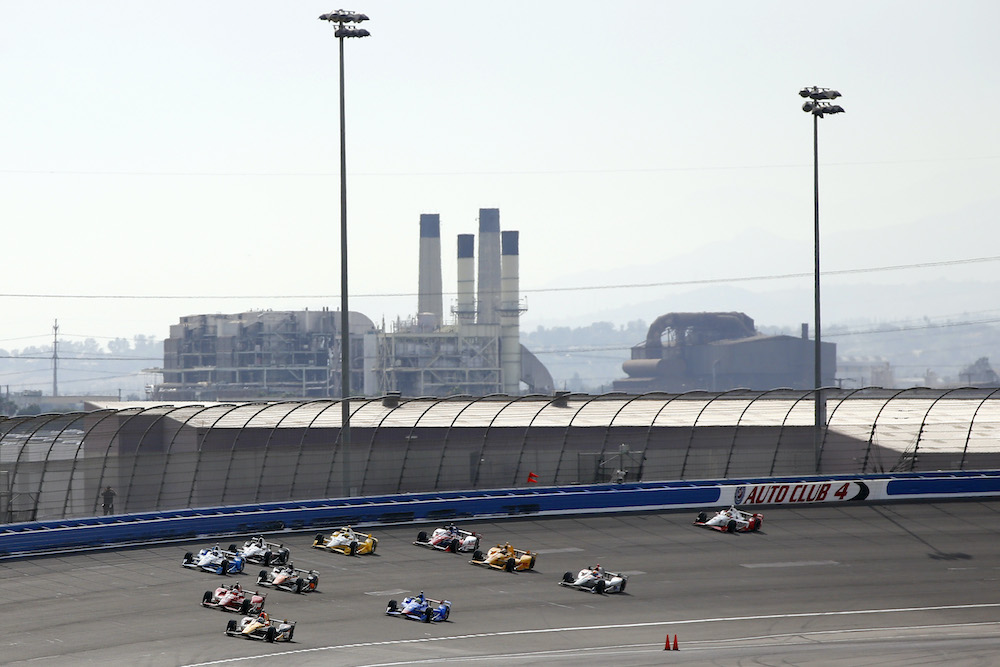
Fontana 2015: The best race you never saw in your life. Ellman/Motorsport Images
Q: In the last 30 years has any previous Indy 500 winner never hit the wall at the Brickyard? I can remember most of them having accidents either before or after winning the Indy 500. Any winner lucky enough to have never hit the wall?
Will Irons
RM: Gil de Ferran, Kenny Brack, Eddie Cheever, Will Power and Simon Pagenaud never crashed after winning Indy.
Q: I have been following F1 since 2012 (well before Mercedes dominated F1). Before Hass F1 began. Before Liberty Media bought F1. And before Drive To Survive. When F1 CEO Stefano Domenicali said in that call to Wall Street analysts during Spanish GP weekend that F1 would talk to teams about hiring an American driver, how could that work? Like a Red Bull driver search that led to Scott Speed into a F1 seat at what is now AlphaTauri, or in NASCAR when what is now Roush Fenway racing did that Driver X show on the Discovery Channel in the mid 2000s?
Kurt P.
RM: I think it’s all B.S.. F1 doesn’t want or need an American unless he brings $20 million, and I refuse to even acknowledge there’s a one percent chance.
Q: You have come into possession of a time machine. After taking the infant versions of Tony George and Bernie Ecclestone from their respective cribs and placing them up for adoption in Charlotte, NC so that they will grow up to be NASCAR's problem, what do you do?
HB
RM: I don’t know, but I’d have been worried if Bernie ran NASCAR. It might be even bigger than it was 15 years ago.
Q: Two shout-outs and one question. First shout-out is to IndyCar for creating the drama of pole day and bump day with a 35-car field. Yes, I'm old enough to miss the full Month of May, but I think IndyCar's current qualifying procedure is a great compromise. My second shout-out is to you for your outstanding article on the 1971 McLaren, my all-time favorite Indy car. It's the most clean, simple design ever. As a kid I repainted all my Matchbox, Hot Wheels, Johnny Lightning etc., cars every year to match that season's cars. I probably spent a couple hours mixing up my Testors model car paint to get that papaya orange color just right.
I was amazed to learn they only built three and then sold one to Penske. You would think they would keep it as a backup rather than selling it to your prime competitor. That got me thinking about backup cars in general. I was in Turn 1 at Milwaukee in 1975 when, in Sunday pre-race practice, Johnny Rutherford plowed his Gatorade McLaren into the wall. J.R. always had the last pit stall there so I had a clear view of his hauler behind the pit wall. I swear before he came to a full stop there were crew members headed for the hauler, and they were lowering the backup car at the same time they were hauling away the wrecked primary.
When did backup cars start appearing, and were they "T-cars" identical to the primary, or last year's model? (Mario's Brawner Hawk in 1969 being the prime example). I wish you the best of health. The open-wheel community needs you.
JZ, Cedarburg, WI
RM: Thanks JZ, I think some teams had backups by the late ’60s and early ’70s but they would be older models (Mario’s Brawner/Hawk in 1969), and I’m not really sure when an identical T-car first emerged – probably via The Captain.
Q: Any word on the memorabilia show this weekend?
CD
RM: It will be at the Embassy Suites event center in Plainfield from 4-8 p.m. on Friday and 9-4 on Saturday. Admission is $5 and good for both days.
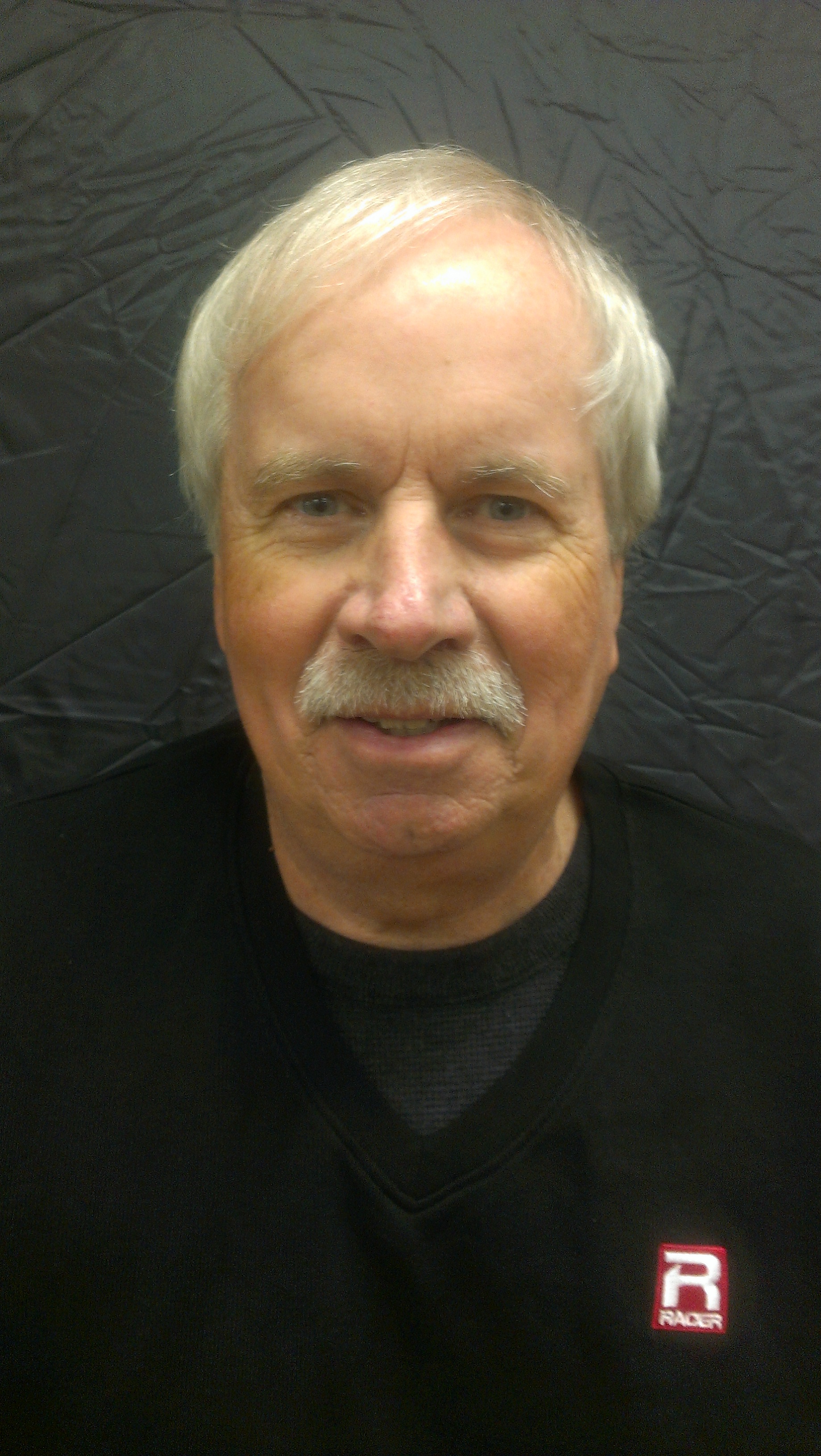
Robin Miller
Robin Miller flunked out of Ball State after two quarters, but got a job stooging for Jim Hurtubise at the 1968 Indianapolis 500 when Herk's was the last roadster to ever make the race. He got hired at The Indianapolis Star a month later and talked his way into the sports department, where he began covering USAC and IndyCar racing. He got fired at The Star for being anti-Tony George, but ESPN hired him to write and do RPM2Nite. Then he went to SPEED and worked on WIND TUNNEL and SPEED REPORT. He started at RACER when SPEED folded, and went on to write for RACER.com and RACER magazine while also working for NBCSN on IndyCar telecasts.
Read Robin Miller's articles
Latest News
Comments
Comments are disabled until you accept Social Networking Cookies. Update cookie preferences
If the dialog doesn't appear, ad-blockers are often the cause; try disabling yours or see our Social Features Support.