Robin Miller’s Mailbag for February 17, presented by Honda Racing / HPD
hpd.honda.com
and on social media at@HondaRacing_HPD
and https://www.facebook.com/HondaRacingHPD.Questions for Robin can be sent to millersmailbag@racer.com. Due to the high volume of questions received, we can’t always guarantee that your letter will be printed, but Robin will get to as many as he can. Published questions have been edited for clarity. Views expressed do not necessarily reflect those of RACER or Honda/HPD.
Q: You had a lot of negative remarks regarding your Comeback Club article that ranged from it being too macabre, to Romain Grosjean’s accident being taken too lightly, to other various complaints. I saw nothing wrong with the article. I grew up during the time when the command to start a race should’ve been “drivers, start your coffins.” Today, safety standards are so much better that when a driver has a horrible-looking accident. They more often than not climb out of their cars and walk away; even at today’s speeds compared to 50-60 years ago. I believe that your complainers are too young to comprehend that, or they’re just a bunch of bleeding hearts that can only live in their “current” world and could care less about history. Sorry for the ramble, but I had to get that off my chest.
Now for my question: Do you know if Romain lost his candidacy at Foyt Racing because of his refusal to participate in the Indy 500, or was it for some other reason? Foyt could’ve always found another driver for the 500. Thank you, and please keep up your HOF-quality writings!
James B. Michener, Albuquerque, NM
RM: Thanks for your note. The purpose of that column was to give a history lesson on what constitutes a near-fatal crash and to honor the brave men who returned to race again after almost losing their life. It wasn’t an attempt to downplay the emotional trauma Grosjean encountered in Bahrain or to suggest it wasn’t a serious crash, but the defective guardrail and subsequent fire made it a lot worse than it should have been. I’m not sure how serious A.J. and Larry were about Grosjean, but I doubt Indy was a deal-breaker. I think they were already pretty far down the road with Charlie Kimball anyway.
Q: Regarding Romain Grosjean, folks should be aware of his accomplishments. Now, compare the titles for Spencer Pigot, Zach Veach, Charlie Kimball, Conor Daly, Ed Jones, Sage Karam and JR Hildebrand and let’s discuss who is the more accomplished and who brings what to the IndyCar series. We have to remember that a factory team in F1 hired Grosjean whereas none of the above even got a whiff. Watch or don’t watch, but don’t try to diminish someone’s accomplishments.
I’ve always gotten the impression that many think that F1 races on road courses and street circuits are slow. Last year at Spa, the fastest speed across the start/finish line was 203.3 mph. At Monza it was 220.3 mph in the speed trap. Even at the slowest circuit on the calendar, Monte Carlo, there is a place where the cars are well over 180 mph.
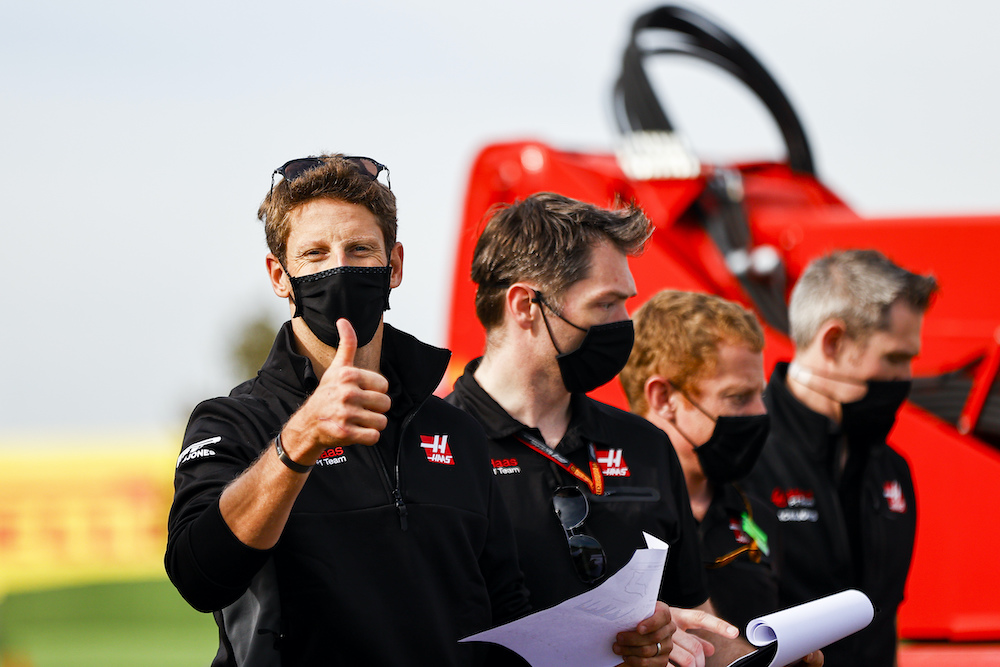
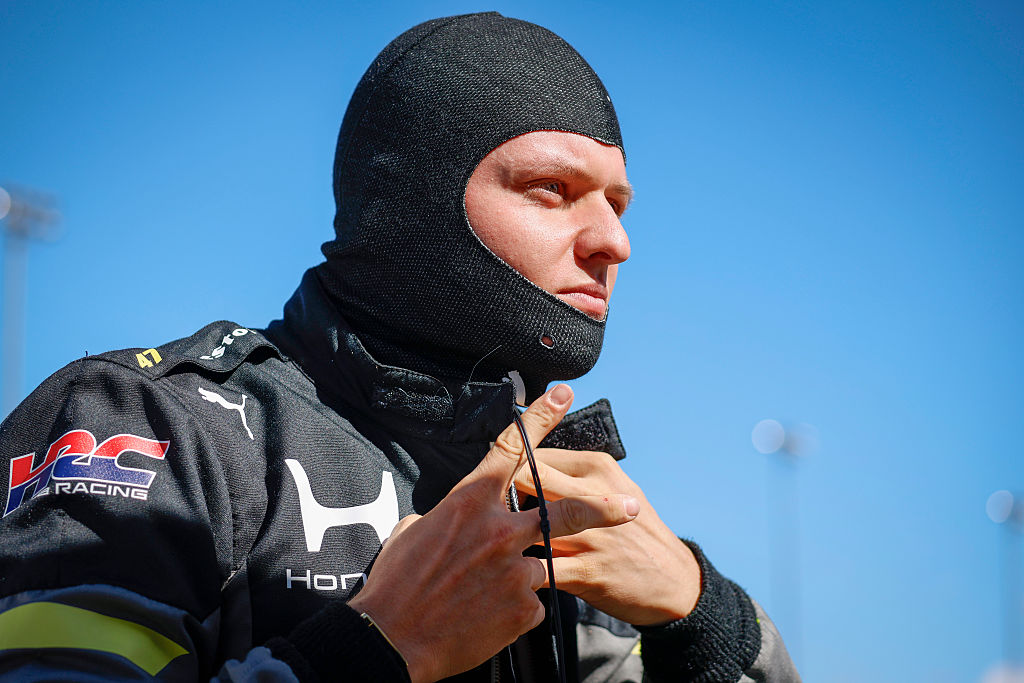
If there are so many opinions about Grosjean now, what's it going to be like once he's actually driven the car? Andy Hone/Motorsport Images
Further, it is patently not our place to decide how brave someone needs to be. And seeing as how precious few of us have ever pushed the button in a serious race car, I can’t see how we have the right to criticize. Also consider that while a driver is in control of his actions, that does not cover mechanical reliability and the actions of others. Remember that Justin Wilson and Dan Wheldon were victims of crashes that they did not cause. Anyway, I’m tired of people complaining about who’s brave and who isn’t. Folks ought to put their spare time into figuring out how to get people to oval races...
Don Hopings, Cathedral City, CA
RM: He won the GP2 title and Euro F3 crown, and has made 181 F1 starts with 10 podiums driving for Renault, Lotus and Haas. His propensity to crash or be involved in accidents is pretty staggering when you add them all up, but he always seemed to have pace even though he was never on the best team. Is he that much better than all the guys you named? I guess we’ll find out, but he’s at least got a lot more even footing in IndyCar. I don’t recall much criticism of his ability, just the fact he didn’t want to run ovals, and obviously it takes plenty of intestinal fortitude to run F1.
Q: Ever since I read the initial comments on Jimmie Johnson signing with Chip Ganassi to drive Indy cars but not in the Indy 500, I can't help but laugh. Jimmie promised his wife he wouldn't run because of the danger? Has Mrs. Johnson ever been to a NASCAR demolition derby like last Sunday’s Daytona 500? Is there danger? Of course! It's racing. But to bow out of the biggest sporting event in the world because your wife said no? Shaking my head – what say you?
Vincent Martinez, South Pasadena, CA
RM: Jimmie used to call Dario all the time and ask questions about Indy and how long it would take him to get up to 200-210-220 mph, and he was interested in giving it a try. But after Dan Wheldon’s accident we believe his wife told him no way he was ever running an oval in an Indy car -- let alone IMS. It’s hard for old guys like me to comprehend, because growing up with A.J., Parnelli, Mario, Herk, the Unsers, Johncock and J.R., an ultimatum like that wasn’t part of the vernacular. I’m proud of J.J. for trying out IndyCar and I know he could have a shot at some success on ovals, so maybe by the time May gets here he’ll have convinced his wife the cars are safer than ever with the Aeroscreen and he’ll get the green light.
Q: Been reading your recent pieces bemoaning that Grosjean or J.J. don't have the balls to do Indy. You state the racers in the ’60s and ’70s had more balls. Well, remember 1968 when one Rufus P. Jones walked away from Indy at a young age never to race there again? His reasoning was not all that different than Romain's or Jimmie's ... he wanted to become a father, and given he now was living a very comfortable life and could easily provide for his family, it would be foolish/negligent for him to continue to run Indy. So I think you should cut folks like Romain or Sam Hornish or Parnelli some slack, OK?
Scott in Michigan
RM: Don’t put words in my mouth. I’ve never said or written they didn’t have the balls to do Indy, but rather scratched my head on why anyone would rule out the biggest race in the world until at least testing to see what it was like. I still think J.J. may do it. When Mike Conway walked away from ovals most of the racing media didn’t question his bravery, we applauded his courage for admitting his wasn’t comfortable and had lived through a horrific accident and wanted to concentrate on just road racing -- where he was very good.
As for Rufus, he survived the most lethal period in American open-wheel racing and vowed he wouldn’t start a family until he was done with Indy cars, and kept his word. He knew he’d tempted fate for a decade. But he didn’t quit racing, and continued kicking ass in Trans Am and Baja. Parnelli is one of the best and bravest to ever strap on a midget, sprinter or Champ Car, and nobody ever questioned his bravado. Not sure why Hornish is in your note – he simply went to NASCAR because he’d won everything in open wheel and R.P. suggested he make a move.
Q: A.J. and Dixon have combined for 117 career wins, 13 championships and five Indy 500 wins, and what is amazing is that not one of those has ever been in a Penske car. Did Roger ever try to sign A.J. or Dixie? Would it be safe to say they are the two best drivers not to set foot into one of Roger's cars?
Ryan McKeever
RM: Yes, that would be safe to say. Tim Cindric told us a few weeks ago the timing was never right to get Dixon, while A.J. wasn’t going to drive for anybody after he started his team.
Q: I may anger some folks but I think the expansion of the "specialist" drivers in IndyCar is devaluing what an IndyCar driver actually is. It has always been the case that, unlike F1, an IndyCar driver is to be capable of performing on practically any kind of circuit. An IndyCar champion must be good at ovals of all types, road and street circuits. That's what makes heroes in IndyCar. I've been unhappy ever since Ed Carpenter decided to not continue as a championship contender and convert to being a spoiler in oval races. I guess T.K. has earned the right to a final set of ovals but for another F1 driver to cross over, as with Grosjean, to become not an IndyCar championship contender but yet another specialist truly devalues the IndyCar franchise. Agree?
Dale Murray, Mount Joy, PA
RM: Ed improved greatly in road racing but understood he was always going to be playing catch-up so that’s why he went the ovals-only route. It made sense and gave him the option of hiring a good road racer. I don’t think Grosjean ever had an eyes for the IndyCar title like Mansell, I just think he sees IndyCar as a chance to be competitive again – like Stefan Johansson, Alex Zanardi, Mark Blundell, Mo Gugelmin, Justin Wilson, Sebastian Bourdais, Takuma Sato and Marcus Ericsson.
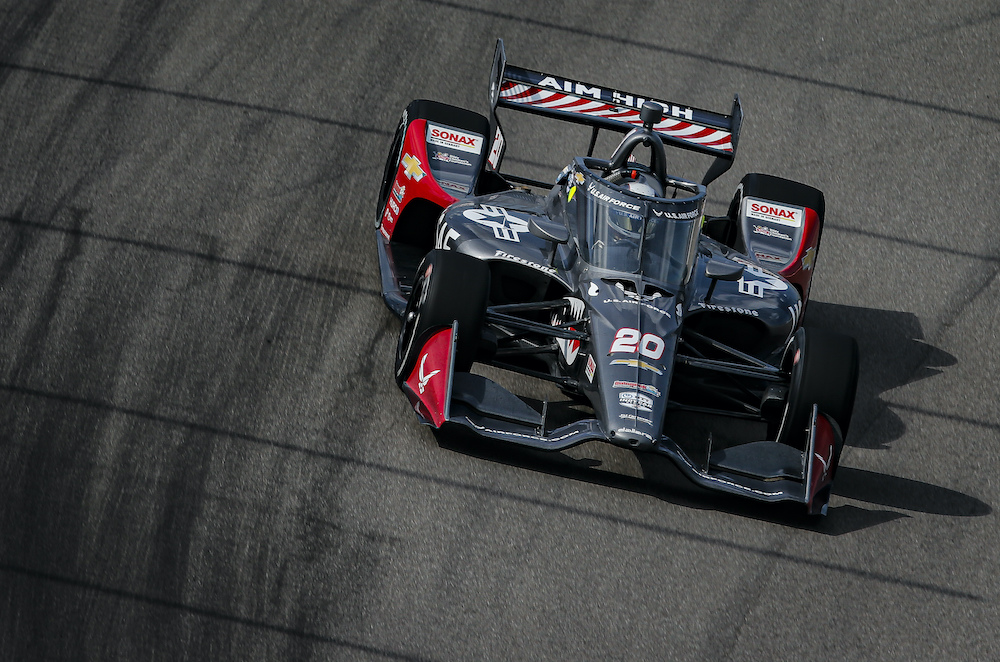
Are "specialists" devaluing IndyCar, or do they highlight the versatility of the drivers who do the full season? Barry Cantrell/Motorsport Images
Q: Congrats on the Motorsports Hall of Fame and your comments about how it felt. Your article on the Comeback Club is very good. I remember late in A.J.’s career, he crashed and broke his legs – I believe at a road course? Is he the toughest? It is a testament to the courage of Grosjean and Lauda and others to even get back in a car. You forgot Sebastian Bourdais at Indy, but then there have been so many. Amazing that safety has progressed so far that Grosjean has the chance to race so soon.
Every driving decision takes courage. It is never automatic to do the job, and the risks are ever present despite technology. Enjoyed the Chili Bowl and the diversity of drivers from many disciplines. Keep up the great insights and illuminating the past, too. Any word on Gordon Kirby’s comprehensive IndyCar book? Has Donald Davidson written books, or will he in his retirement? Maybe you should be the new historian; you know the eras so well.
Craig Bailey
RM: A.J. smashed his lower extremities at Elkhart Lake in 1990 and qualified in the middle of Row 1 at Indy in 1991. He and Lee Kunzman are the two toughest SOBs I’ve ever met, but it does take a lot of mental toughness to get back into a race car after a terrible crash – especially if you were always conscious. Kirby’s book is motoring along so hopefully we’ll have it in time for Xmas in 2021 or 2022. Donald co-authored an Indy 500 history book with Rick Shaffer a few years ago, but I’m not sure if he’s planning another one now that he’s retired. I would vote for Dave Scoggan, Tim Coffeen and Shaffer to be the IMS historians.
Q: Hope all is going well, and wanted to let you know how much I enjoy your writing. It seems to be getting better. I wanted to add my two cents to the question/comments by Steve from St. Pete regarding Grosjean’s and Johnson’s plan to not run the 500 or Texas. All of the racing, drivers and owners have become so corporate that I think risk management, whether it be the risk of crashing, offending someone or just putting the wrong foot forward, has caused most motorsports to lose its personality. Have you got a mental image of Mrs. Foyt telling Anthony that, "That's it, I don't want you taking so many chances?" He would probably throw a wrench at her.
While I am ranting, it is also worth mentioning that the loss of horsepower and addition of downforce has also taken out lots of danger, but left us with a much more vanilla show. Don’t get your panties in a wad. I know that the racing is good, the safety has improved and the fact that teams other than Penske, Andretti or Ganassi can occasionally win makes for some good racing. I know it's easy for someone like myself to expect these drivers to go for it, and I sure as hell ain’t driving a little street missile into Turn 1, but that is why I pay for a ticket or tune in the TV to see what these guys, (oops, and ladies) are doing.
This brings me to the one lost feature of the 500 -- track records. Crank up the horsepower and go for a track record and then let us fans see who’s got the biggest pair when it comes to braking. Don’t think it will bring all of the fans back, but do think it would help get more folks into the stands. What say you?
Paul, Charlotte, NC
RM: The new wave of IndyCar fans likely thinks we’re barbarians because we can’t imagine an open-wheel racer worth his salt not wanting to run the Indianapolis 500. That’s why so many drivers began racing -- to get a shot at Indy. Obviously, times have changed. And nobody wants to hear it, but the danger element elevated Indy car racing to new heights in terms of respect. It’s still plenty risky going into a corner at 225 mph and nobody questions today’s drivers in terms of bravery, but there was something about the 1950s-’60s-’70s that captured the general public’s attention that no longer exists. Don’t think a new track record would have much bearing on attendance -- that ship has sailed, and people can just stream practice or qualifying if they’re interested.
Q: We have been debating the lack of IndyCar's popularity since The Split in 1996. The obvious reason has been, well, The Split; and then we go on to add that NASCAR was on the rise and was taking those fans away already, in addition to there being so many more entertainment options these days. Has it been the economy, the lack of American drivers, the competition, the erratic schedule, spec cars? I'm sure we could throw in several more factors.
I've been contemplating this more recently, as my own son is not even interested in IndyCar racing. He is 19 now and has been exposed to the TV being on for virtually every IndyCar race during his lifetime. I even took him to two Indy 500s and a couple of Phoenix IndyCar races; no interest. He does however, like rallying, WRC in particular, and has even looked up and become obsessed with the now-defunct Group B series from the ’80s. He says he likes the changing track surface/conditions, the innovative cars and… the danger element. You nailed it with your response to Steve in St. Peterburg. That’s it! The unintended consequence to all the safety innovations over the decades has created something that’s not so interesting anymore. Not only do we not have "gunfighters" anymore, but in part, safety has led to spec cars.
What I remember being excited about in the ’70s and a bit into the ’80s was the obvious innovation. Never will we see another Danny Ongais in the "Batmobile" or a Gurney Eagle, or a Jim Hall Chaparral, or a Penske PC-7, 9B, 10 or 23! You can do all you want with marketing, the schedule, etc., etc., but until it's dangerous -- and it never will be again, not in this society, we have -- at best, as you say, it’s a niche sport. I guess I need a question somewhere in here, so am I wrong, or just old and crabby? And yes, I'm asking this of someone who is, old and crabby.
Will, La Mesa, CA
RM: I’m mesmerized watching the Isle of Man because it’s the most insane thing I’ve ever seen, and those are the ballsiest creatures on this planet. MotoGP is also bravery personified as is AMA flat track racing on the Mile. Midget and sprint car racing round out the top five. Now this isn’t to say that IndyCar racing isn’t entertaining or that its drivers aren’t brave, but unless you are sitting in the old USAC observer’s booth outside a turn at Indianapolis, Indy cars don’t take your breath away. They look too stuck to the track and, dare we say, too easy to drive.
Of course they’re not, and the fast guys are still on the edge, but visually it doesn’t leave your mouth open like watching one of those maniacs miss a concrete wall by six inches on his motorcycle at 175 mph through a city. And we can hardly see the drivers anymore in IndyCar or midgets or sprints, and that was another part of the lure -- watching them fight for control. Your son’s fixation on rally cars just proves a point that a little out of control is exciting, just like the indoor supercross shows that are full of young people. You are guilty of being old and crabby, just like me, but be thankful we were around for the good old days.
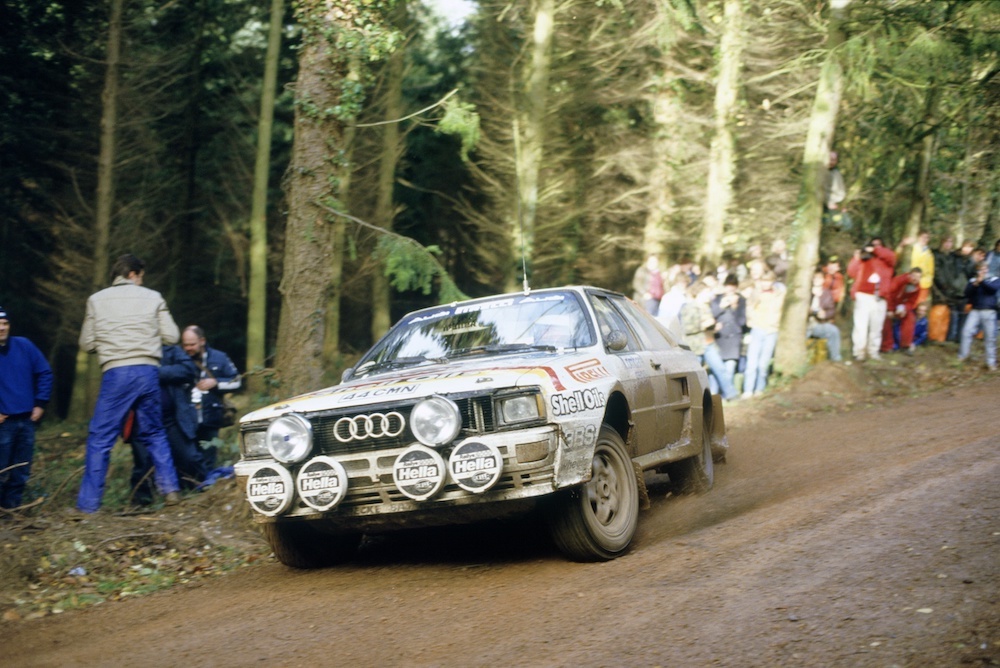
The WRC's extraordinary Group B era is a perfectly acceptable obsession in our book. Motorsport Images
Q: Thanks for the amazing article on the history of F1 racers in IndyCar. Having followed IndyCar in its various iterations on and off since I was a kid, I recall races in Japan, Australia, Brazil and Canada in prior decades. Did IndyCar (or CART/Champ Car/USAC) ever rival F1 in popularity when it had more of an international schedule? Did IndyCar ever think it could go head-to-head with F1 for the global fan base before The Split? IndyCar is so much more competitive and fun to watch than F1 these days, and yet not long ago, it seemed like California-born Rossi didn’t even know much about IndyCar before he left F1. Just wondering if it was always like this.
William Tyree
RM: Long story, short version: When Nigel Mansell abandoned F1 for CART in 1993, CART ratings were better in England than F1. Ditto Australia, where Barry Sheene had a bar and a CART party on Sunday nights to watch the races. Bernie was a nervous wreck and begged Mansell to come back because CART was a big threat.
Q: I wonder whether you have any insights into Helio’s one-off with AMSP last year? As I recall, he did not suit up with them for the 2020 season finale, and he’s moved onto doing the 2021 partial season with MSR. Was it simply that he didn’t impress at AMSP?
Steve V
RM: No, I think AMSP always wanted a couple of young gassers for 2021, and Helio was just a convenient substitute for Oliver Askew.
Q: What are the different responsibilities between IndyCar, marketing, advertising, and/or promoters? Who is responsible for those activities at the various IndyCar racing venues? Are the sponsors also involved? What's really behind losing Iowa? It seems to be popular and has good racing. What has to be done to save it?
Bill in CA
RM: IndyCar promotes the series, the promoter takes care of the race and NTT supposedly does both. When Honda or Firestone or Bommorito Automotive Group (Gateway) sponsors a race, they all promote it. NASCAR shut Iowa down and the financial nut didn’t make sense, so R.P. passed on buying the track. Hit the lottery and buy it yourself, because that’s about the only hope right now.
Q: Since there is a Duel race to qualify for the Daytona 500, has there ever been a qualifying race in the IndyCar Series?
Chris Fiegler, Latham, NY
RM: Back in the 1960s they had hooligans or qualifying races for the drivers that didn’t go quick enough in qualifying, and the top two finishes advanced. IndyCar tried heat races at Iowa in 2012 but they didn’t pay any money so they were quickly abandoned.
Q: First order of business is to congratulate you on your induction into the HOF. After seeing many words concerning the Freedom 100 on Carb Day, I must give you my answer as to why this will not be presented in May this year, or maybe never again with Roger Penske at the helm -- and I cannot totally disagree with his reasoning which follows. If you read deep between the lines, my conclusion is that below the surface, The Captain believes the the Indy 500 should be the only race on the oval, much like it was for over 75 years.
The pandemic gave him a reason not to run the Freedom 100, and I believe that he saw the opening to return tradition and readily jumped on it. In addition, he has stated that he was not comfortable with drivers with minimal or no experience running 200 mph on this prestigious oval. To be honest, there have been several serious accidents, many of which were due to a lack of experience with drivers in over their heads, not to mention that the Indianapolis Motor Speedway is probably the most unforgiving racetrack anywhere in the world.
There can be no doubt that many of these races have been thrilling to watch, with several great finishes over the years. I would be the last person to put words in Mr. Penske's mouth, but it is most obvious that he recognizes and believes in the traditions of the Speedway formed over his many years of competition on this hallowed ground. Even though Mr. Penske does not know me by name, I have had many opportunities to be in his presence many times during my duties at IMS and IndyCar for over 50 years, and I characterize him as calculatingly aggressive with great respect for his tea. What’s your take?
G.T.
RM: I think you may be spot-on, because I’ve heard that R.P. only wanted one race on the oval in May and he was also concerned about the lack of experience on ovals for some of the Lights drivers.
Q: Robin, one reader's question about after-hours goings-on in Gasoline Alley jarred loose a memory of hearing Donald Davidson talk about a guy known as "The Prince of Darkness" because of his nocturnal work habits and outstanding fabrication skills. A little digging comes up with the name Don Brown and some great stories of his work. He was another part of what makes Indianapolis different from any other race.
Did you know him? Living on Long Island, I didn't get much chance to see a lot of dirt action, but pavement modifieds were a whole other story and Richie Evans was one of the best, if not the best. For years, with my butt firmly planted in the Turn 2 bleachers at Islip Speedway, I'd see the Rapid Roman many times during the season doing battle with local shoes, Charlie Jarzombek, Jim Hendrickson and Fred Harbach, among others. Watching Evans and Charlie J run the outside line in traffic for 200 laps, nose to tail, never touching each other while looking for a mistake, was the true definition of breathtaking. You were always in for a good show when Evans, Jerry Cook and company were unloading in the pits. For those that never saw him race, you will never understand what he meant to the modified division. Thanks for remembering him. And, I'll buy the pie...
Jim Mulcare, Westbury, NY
RM: Don Brown told me once he wished I would simply go away and never return. But that’s because he was rebuilding my midget, and I would bring him doughnuts after I got off work at The Star. After asking stupid question No. 10 in the first 30 minutes, he would tell to either shut up or go home, because he didn’t have time to try and educate me about something I could never comprehend. Of course he was right, but The Prince was a great guy and one of the greatest fabricators on this planet.
I drove him crazy, but he took pity on me and agreed to take me to my first outdoor USAC race in 1975. He’d worked from 9 p.m. to 2 p.m. getting the car ready after I broke the ring & pinion trying to start it, so then it was time to load up and head for Champaign, Ill. But when we rolled the car up to go on the trailer, we discovered it was way too wide to fit. Then Brown threw a fit: “Jesus, you can’t even measure the trailer to fit your car.” I didn’t have the heart to tell him I never considered measuring the trailer, so we took off all four wheels and tied the car onto the trailer with 2x4s. Brown built and repaired some of the best Indy cars of the ’60s and ’70s and now he was babysitting a mechanical moron. “You’re not clueless,” he told me that night. “You’re hopeless.”
The best caption for this is the description Robin used when he emailed the photo over: Don Brown almost smiling at an indoor midget race with helper Ray Kuhlthau and his No. 1 pain the ass in 1976. Robin Miller collection
Q: As a follow-up to the scenario where both Honda and Chevy drop out of IndyCar, you said, "Penske would figure something out." What about returning to bring your own engine, and just put a limit on horsepower and budget? Considering Roger’s age, do you think he has an overall plan already made out to pass on to his heir? I hope you are doing well. I didn’t realize you were still on chemo after all of this time. Let’s hope 2021 brings better times for us all.
Tim B.
RM: Teams can’t afford their own engine programs, so I would assume it would be some kind of a spec engine like Champ Car had with Cosworth. Roger Penske is the smartest, most prepared person I know so, yes, I think he’s got a plan in place. Chemo is OK if you can get in orange or grape.
Q: This question isn't directly related to racing, so please forgive me. The Mailbag has become something of a routine for me each Wednesday, and may I congratulate you on its success; it's a great concept. To that end I was wondering, do you know if any other journalists do something similar?
Jordan, Warwickshire, UK
RM: Good question, Jordan. I started the Mailbag at The Indianapolis Star in 1991 or ’92 when I was asked by the publisher’s daughter to provide something special for on-line viewers they couldn’t get in the newspaper. I did it until I got fired in 2001, then I took it to ESPN and then to SPEED, and now it resides at RACER. I know Curt Cavin kept it going at The Star for a few years, and I think somebody in a NASCAR paper or magazine tried it, but not for long. I’m amazed there aren’t Mailbags for F1, NASCAR and even IMSA, because the interest is there.
Q: When you write that book I have been pleading, shaming and threatening you to write, you must devote a chapter to not only the best driver to not win the Indy 500, but maybe one of the best racers of his era that nobody knew: Mr. Lloyd Ruby. Ruby was an interesting character and great racer hiding in a Texas country boy, and needs to be remembered for his wide range of racing accomplishments. Remember Robin, it starts with just jotting down a few thoughts and it will write itself from there... Love ya man,
Jim Fischer, Mentor, OH
RM: Well, I had the pleasure of working on Rube’s team in 1974 and he would be a big chapter because of all his stories and accomplishments. Most people don’t realize what a good road racer he was, and pretty damn good on a motorcycle as well. On top of all that, he was a prince of a person and as humble as he was friendly.
Q: Enjoy your Mailbag! I have a question and maybe an answer on safety for the drivers. It has to do with the start of the race. Let’s please stop the movement (out of line) by the drivers before they pass the green flag. Before the green flag, let’s have a point to stop warming up the tires and get them organized in line for the important, safe start. Let’s have the drivers stay in line (maybe a determined spot) until passing the green flag. Send them to the back of the field if they don’t. The starter or starters can't anticipate a green all the time.
Many accidents have happened on the green. I want the drivers to be safe. I raced karts and hydros for years, and our starts were safe and penalties were handed out if we got out of line. We must keep our drivers as safe as possible. I love the Indy cars and have been a fan since 1955. My first race was in 1958 at the Milwaukee Mile (Art Bisch), and have been a fan ever since.
Coach Luther
RM: Not exactly sure what you are referring to, but here’s an explanation from IndyCar’s Race Director Kyle Novak:
“In NASCAR and IMSA there is no passing within your column until you reach the S/F line, even when the green comes out before you reach the line. Having worked for IMSA before IndyCar, I can say that perfectly formed starts are a point of pride and tradition for the France family. In IndyCar, racing begins when the green flag comes out, so you can pass anyone, anywhere, once the green is displayed, regardless of your relative position to the S/F line. Keep in mind our cars can’t lean on each other and push one another like in NASCAR. Plus, think of how much faster our cars accelerate. Telling a driver that they can’t pass within their own column creates its own share of problems – imagine the predicament a driver can be placed in if the car in front doesn’t go on green, pass and risk the penalty? Or don’t go and get run over and/or lose spots.”
Q: Don’t know if you are aware of the Netflix series about Formula 1 called Drive to Survive. While I am not a fan, I understand that it is popular and has helped grow their fan base in the U.S. For that reason, I suggest that IndyCar should consider creating a similar show that would chronicle the 2021 season (behind the scenes). There are more storylines in play this year, that could be told in a compelling way to non-IndyCar fans, than ever before.
Here is a list off the top of my head: Jimmie Johnson -- I know this one is obvious. But his name resonates outside of IndyCar and his skill with social media and the following he has created could really amplify such a TV show and the series. Scott McLaughlin -- three-time reigning Supercar champion, relocating to the States to race for RP. Romain Grosjean -- a nothing-burger to American fans before his big accident. But now he is the driver that rose from the flames and will have to cope with returning to high-level open-wheel racing after that accident. Young guns: Herta, Pato, Palou, VeeKay. With IndyCar’s TV package in 2022 likely to involve streaming of some kind, this could be a natural off-season offering on that same streaming service and hopefully introduce these stories and personalities to more of the general public.
Kirby, Indianapolis
RM: I know of it, I’ve never seen it, but it gets rave reviews and would be great for IndyCar. But somebody has to pay for it and somebody has to want it, so those are two pretty big hurdles. Maybe as Peacock gets going an IndyCar show could be a possibility if IMS Productions was involved.
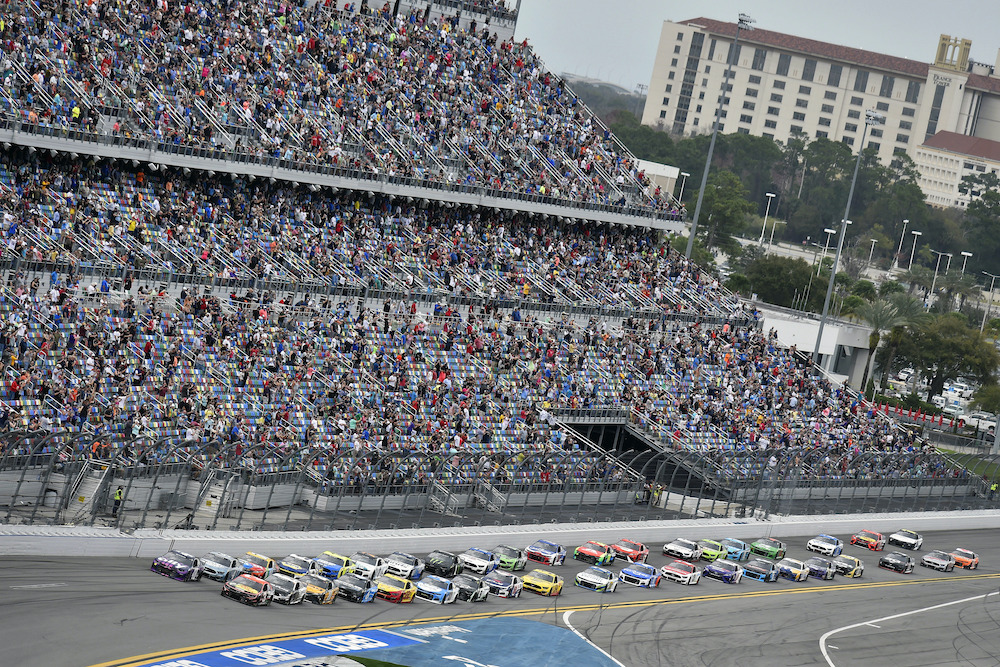
Those really are two very neat lines. You can see why the France family is so proud. Nigel Kinrade/Motorsport Images
Q: Jim Shampine’s appearance in last week’s Mailbag brought back a flood of memories, watching Jim and his 8-Ball coupe run against the likes of Richie Evans, Geoff Bodine, Maynard Troyer and, of course, the legendary Dutch Hoag at Upstate New York’s Spencer Speedway. Having been a child of the Depression, Dutch always put the needs of his family first. So instead of pulling up stakes in Bath, NY and heading to Charlotte – as Geoff Bodine would do from Chemung NY some years later – Dutch shouldered the responsibilities of operating a truck stop restaurant, tire company and trucking business while racing – and winning – three nights a week at short tracks across New York and Pennsylvania. Dutch is the only driver to win at the storied Langhorne track on both dirt and paved surfaces. In his solo try at Daytona, he finished second in what was then the Permatex 300. No doubt if he’d made the move, The Flying Dutchman would have given the likes of Petty and Pierson a run for their money. Great column, Robin. Thanks for keeping the memories alive!
Mark Holdren, Marion, NY
RM: Dutch sounds like a lot of those guys in the ’60s that worked full-time, raced on the weekends and likely had the talent to get to the top but were satisfied with their lifestyle. Bob Kinser and Dick Gaines comes to mind. I never had the pleasure of watching Shampine race, but Bentley and Bones Bourcier have told me stories and he might have been a bullet at Indy.
Q: With Denny Hamlin being part-owner, does this raise a conflict of interest issue? What if Denny and Bubba Wallace are battling for the win? Doesn't the possibility exist that Denny could be swayed to react differently competing against a car he owns? Please share your thoughts about this.
Gary Bowin, Fresno, CA
RM: Only if Toyota says it’s worth $1 million to Hamlin to help get Bubba his first victory.
Q: The powers that be over at NASCAR are going to get somebody killed. They say, "We've made safety our number one priority, see how we can bunch up 40 cars together and make them explode into infernos of fire and debris on the last lap of a race, and everyone walks away!" Until one day, one the driver doesn't walk away. They had the nearest of misses last year, and what did they do about it? Wind ’em all up and let ’em loose again.
They should just have the one-lap Daytona race. Whoever makes it around the track first wins, because that's what it's come down to -- one lap, push, beat, bang, block and destroy any car in your path, and win the race. It's disgusting, and I disgust myself every year by watching it because I'm race-starved by February and have a need for speed.
I watched 24 hours of intelligent, fast, great racing two weeks ago at Daytona -- it can be done. We, as race fans should demand better than tuning in to see a snooze fest for three hours followed by one lap of sheer terror. Sorry, just had to rant, can't wait to see the Indy cars in my home city of Nashville this summer. Hope you can make the trip down here. Stay safe.
Tony Obrohta, Nashville, TN
RM: It’s exactly what NASCAR and FOX prays for: a big crash they can anticipate and hype the whole race and then try and act surprised. Tony Stewart was great on Saturday during one of the Xfinity wipeouts when he sarcastically said: “Shocked!” It’s not racing and never has been, and I don’t watch because it’s insulting to call it racing.
Q: As I watched parts of Sunday’s taxi parade at Daytona, I once again was stumped by why NASCAR rules over IndyCar when you compare the actual competition on the track. Daytona can be summed up by long periods of follow-the-leader punctuated by multi-car crashes. But then I remembered an incident from my past.
When CART pulled out of Homestead-Miami Speedway, I was the editor for a section of the Herald that dealt with the Homestead area, and I assigned a reporter to do a story about how local business leaders thought they would be impacted. In her story was a quote from a local leader with the observation that people could identify more with NASCAR because the cars were familiar to them, while a CART race was all about Porsches and Ferraris. I laughed as I deleted it and told her to pass the word to him that the only Porsches and Ferraris at Homestead for a CART race were in the parking lot. That wasn’t the only reason for the lack of support for the CART race at Homestead -- South Florida is a lousy sports area unless it is a Super Bowl or major championship -- but the guy may have had a point, as misguided as it was. Do you think this misconception still holds true, or has NBC managed to overcome that?
Paul Borden, Miami
RM: I think, Paul, that most people regard NASCAR as the only form of racing in America because it blew CART/IRL away in terms of marketing and promotion from 1996-2008. A couple years ago I was at a gas station across the street from Iowa Speedway and two good ’ol boys were talking as an IndyCar transporter pulled in. “Wonder who’s running this weekend?” said one. “I don’t know but the big boys, NASCAR Trucks, are here in two weeks.” NBC has done a magnificent job trying to get IndyCar on the radar, but sadly it’s just a niche sport that has six times less fans than NASCAR despite having much better racing. Thanks for your note.
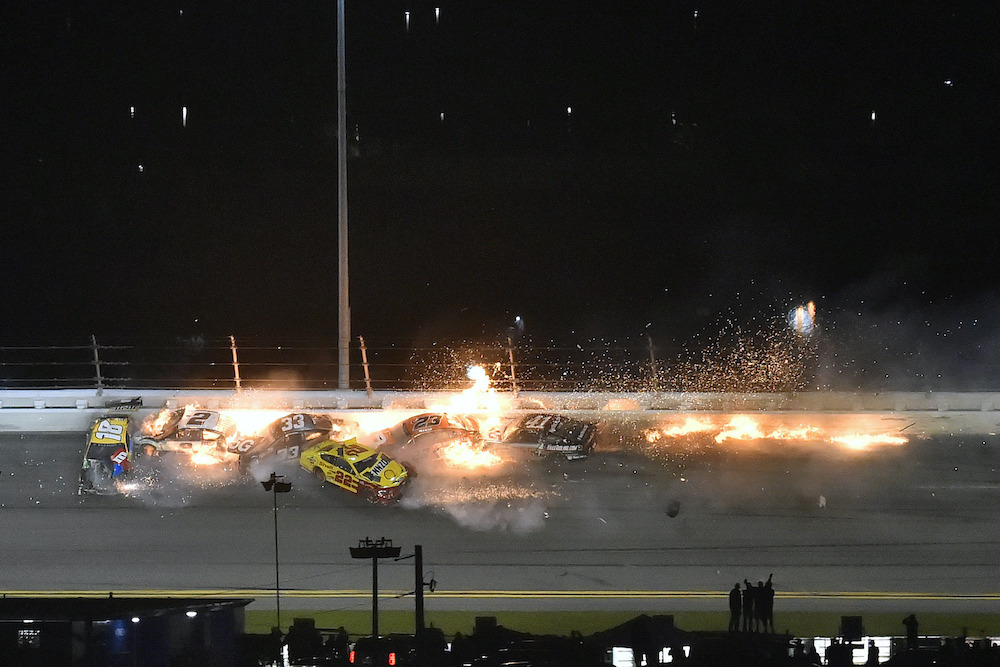
Who saw that coming? #TheBigOne Nigel Kinrade/Mototsport Images
Q: I have to disagree with RACER’s article about safety. Read Rapid Response by Dr. Steve Olvey and you will find that NASCAR was the last of all the major racing divisions to focus on safety. And it wasn't until after the death of Earnhardt that they did move in that direction. And I take get tired of NASCAR taking credit for innovations like the SAFER walls that were started by Tony George and the University of Nebraska-Lincoln’s Midwest Roadside Safety Facility. Thanks to Dr. Steve Olvey, Dr. Terry Trammell, CART the Indianapolis Motor Speedway, racing is as safe as it is today.
Joe Mullins
RM: You are preaching to the choir, Joe. NASCAR only made safety a priority after its biggest star was killed. To hear NASCAR brag about its commitment to safety is a joke. Olvey, Trammell, Wally Dallenbach, Jim Downing, Bob Hubbard, Tony George and Dr. Dean Sicking brought car and track safety into the 20th century, and NASCAR simply tagged along. I really wish I could write what I know – maybe someday.
Q: I received your recent e-mail to Robin Miller’s Mailbag and wanted to reach out. IndyCar’s goal is to put our sport in front of as many people as possible. We broadcast our sport in over 120 countries across the globe and we are continually looking for ways to improve our product and distribution. Canada is a very important market for IndyCar – home to avid fans, competitive Canadian IndyCar drivers and a world class event in Toronto. Our broadcast partner in Canada, Sportsnet, is still determining their broadcast schedule for 2021 -- they will carry up to 10 races on their more widely distributed channels including Sports One and Sports World. In addition, they will carry all practices, qualifying, and races live on their Sports Now + streaming platform.
With nine races on NBC, the 2021 Sportsnet broadcast schedule, and their Sports Now + streaming platform, we hope to make this season as accessible as possible for all our fans in Canada. We’ll continue to review our current arrangements with the goal of making our sport as accessible as possible in the future.
Michael Montri, INDYCAR VP Promoter & Media Partner Relations.
RM: Figured it was a good time to have IndyCar’s new schedule-maker weigh in with our Canadian fans. Thanks, Michael.
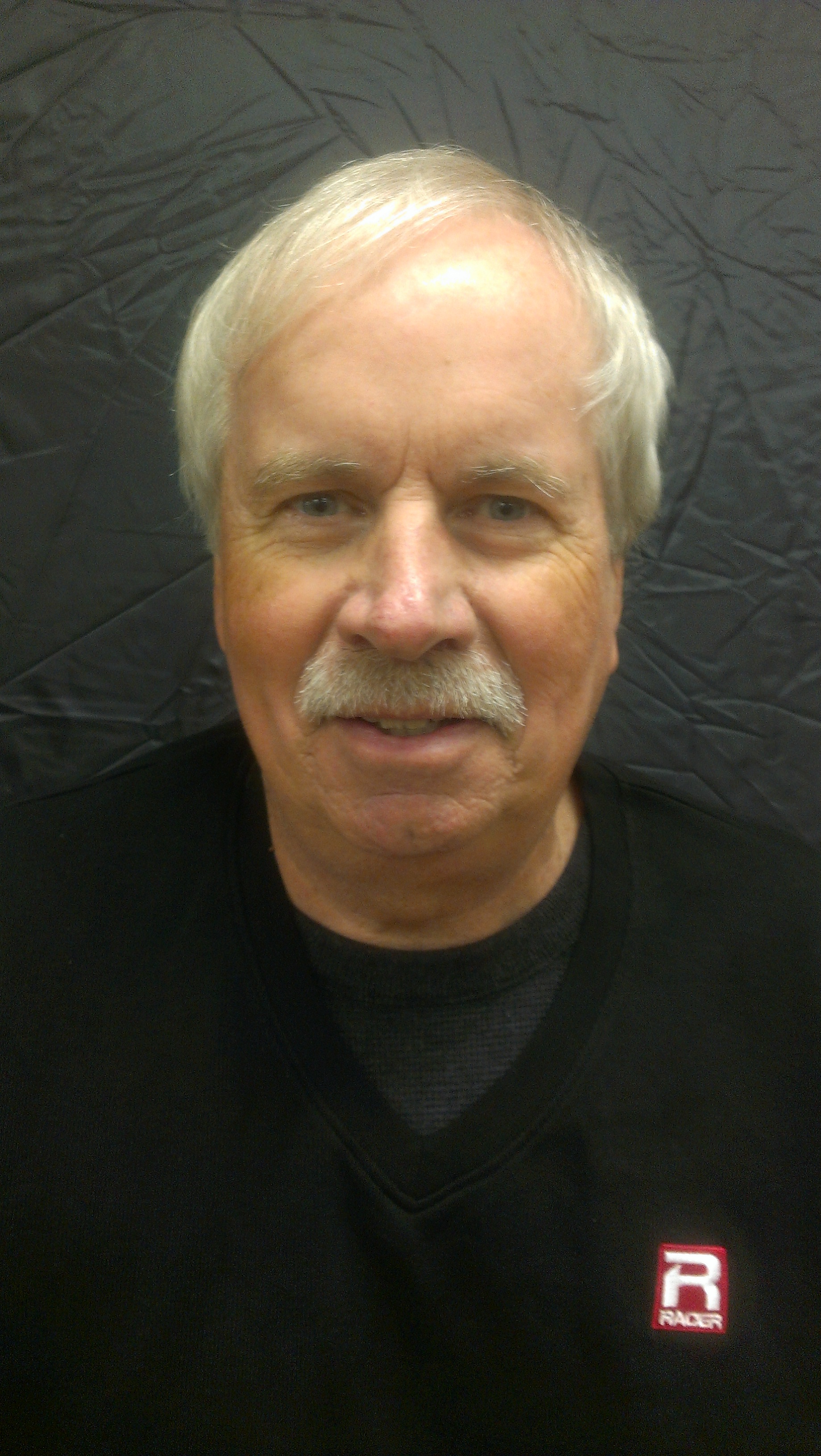
Robin Miller
Robin Miller flunked out of Ball State after two quarters, but got a job stooging for Jim Hurtubise at the 1968 Indianapolis 500 when Herk's was the last roadster to ever make the race. He got hired at The Indianapolis Star a month later and talked his way into the sports department, where he began covering USAC and IndyCar racing. He got fired at The Star for being anti-Tony George, but ESPN hired him to write and do RPM2Nite. Then he went to SPEED and worked on WIND TUNNEL and SPEED REPORT. He started at RACER when SPEED folded, and went on to write for RACER.com and RACER magazine while also working for NBCSN on IndyCar telecasts.
Read Robin Miller's articles
Latest News
Comments
Comments are disabled until you accept Social Networking Cookies. Update cookie preferences
If the dialog doesn't appear, ad-blockers are often the cause; try disabling yours or see our Social Features Support.