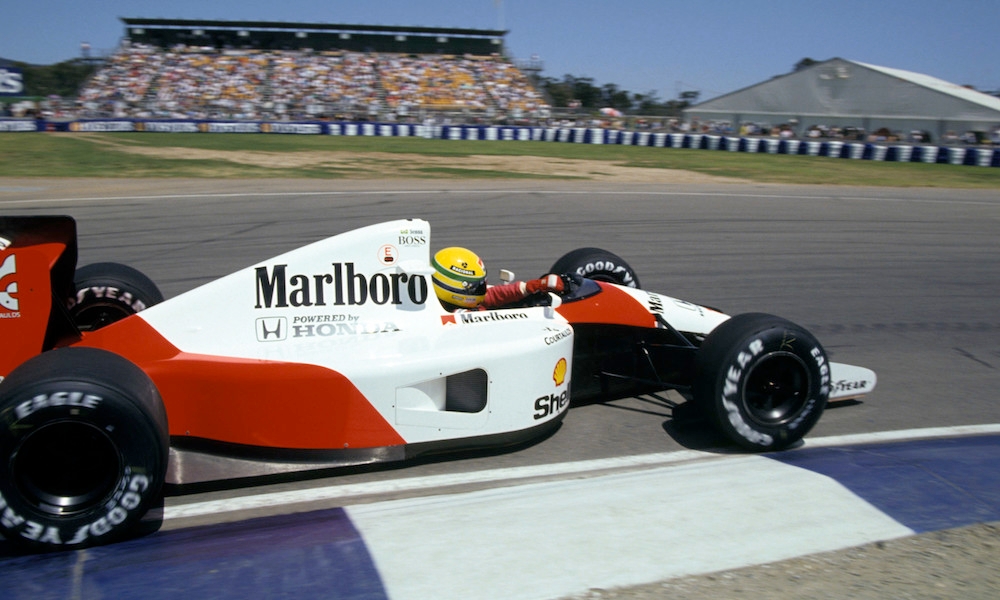
Ercole Colombo/Motorsport Images
Senna tops F1 Insight to identify fastest driver since 1983
Formula 1 has used its partnership with Amazon Web Solutions (AWS) to produce a list of the 20 fastest drivers in the sport since 1983, with Ayrton Senna coming out on top.
Titled ‘Fastest Driver’, the ranking is the latest F1 Insight that uses machine learning technology intended to provide a data-driven list of the fastest drivers and rank them on raw pace. The methodology focuses on qualifying performance, comparing teammates and removing anomalies such as weather-effected results. Teammates were only considered if they had completed at least five qualifying sessions against each other, while age and long breaks from racing were also considered.
“By comparing teammates in qualifying sessions, the machine learning-based tool focuses on a driver’s performance output, building a network of teammates across the time-range, all interlinked, and therefore comparable,” said an F1 statement. “By comparing laptimes between teammates only, the Fastest Driver algorithm effectively normalizes for car and the team performance. Overall, this builds up a picture of how drivers from different generations compare, by analyzing the purest indication of raw speed – the qualifying lap.”
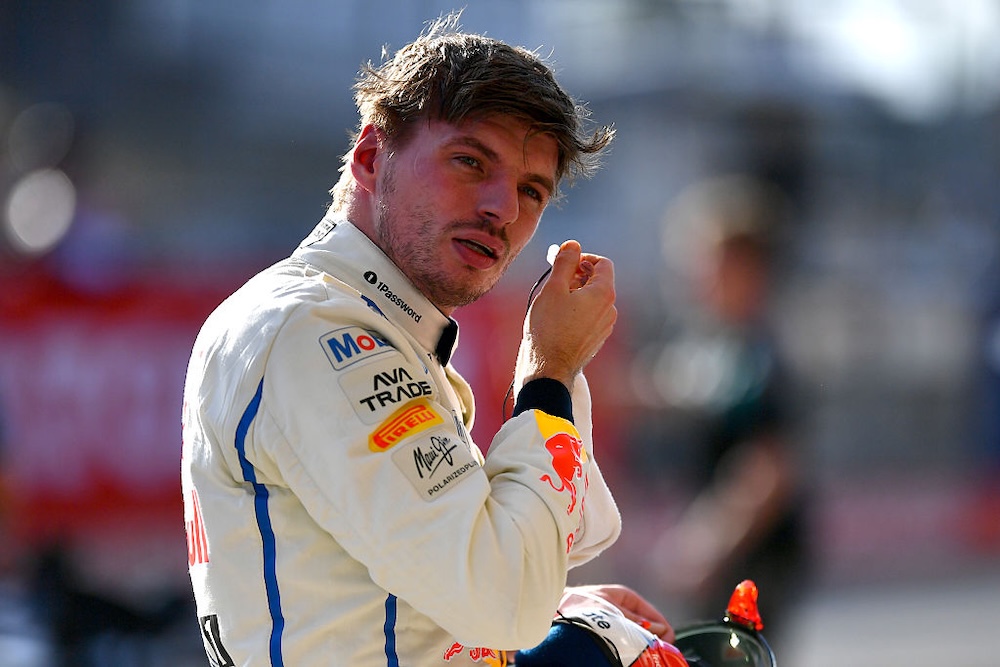
The final rankings – which have received a strong response on social media – places Senna at the top of the list of fastest F1 drivers since 1983, beating Michael Schumacher by 0.114s. Six-time world champion Lewis Hamilton is third – 0.275s off Senna – with Max Verstappen just 0.005s further back in fourth place.
Fernando Alonso, Nico Rosberg and Charles Leclerc are all next on the rankings, ahead of the surprise entries of Heikki Kovalainen in eighth and Jarno Trulli ninth, while Sebastian Vettel just makes the top 10.
Former Ferrari and Williams engineer Rob Smedley said such an algorithm is the sort of thing teams themselves use to try and separate a driver’s ability from car performance.
“Within the team environment this type of modeling is used to make key decisions on driver choices,” F1’s director of data systems said. “As drivers are more often than not the most expensive asset of the team, it is important that the selection process is as robust as possible. A process such as this therefore would be deployed by the F1 team’s strategists in order to present the most objective and evidence-based selection possible.
“Fastest Driver enables us to build up a picture of how the drivers compare, by analyzing the purest indication of raw speed, the qualifying lap – and it’s important to note this pure speed is the only element of the vast driver armory we are analyzing here, to showcase the quickest drivers ever, which is very exciting.”
The top 20:
Ayrton Senna - 0.000s
Michael Schumacher +0.114s
Lewis Hamilton +0.275s
Max Verstappen +0.280s
Fernando Alonso +0.309s
Nico Rosberg +0.374s
Charles Leclerc +0.376s
Heikki Kovalainen +0.378s
Jarno Trulli +0.409s
Sebastian Vettel +0.435s
Rubens Barrichello +0.445s
Nico Hulkenberg +0.456s
Valtteri Bottas +0.457s
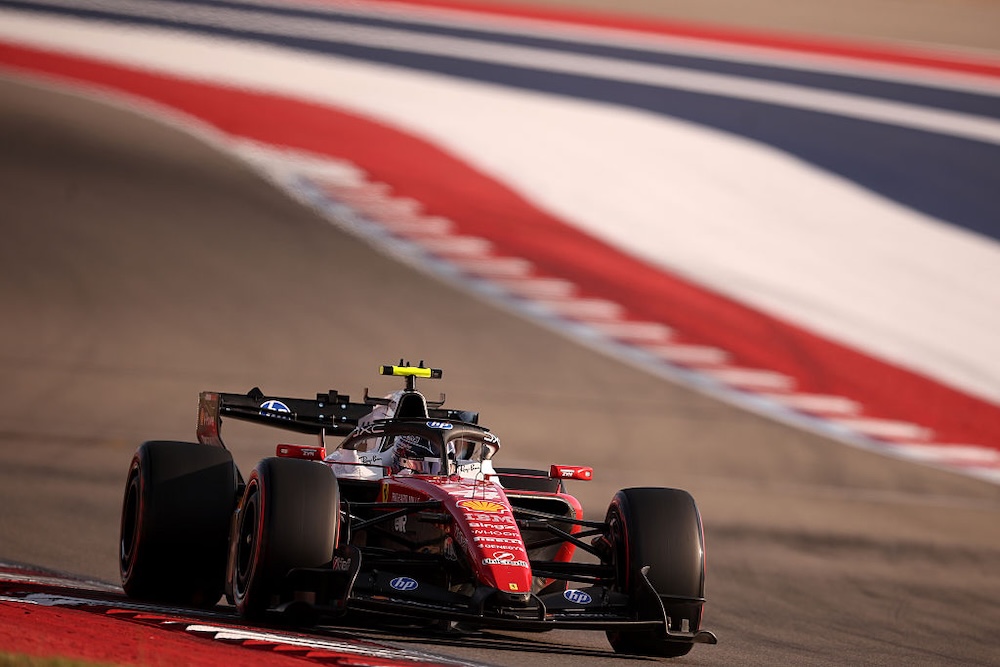
Carlos Sainz +0.457s
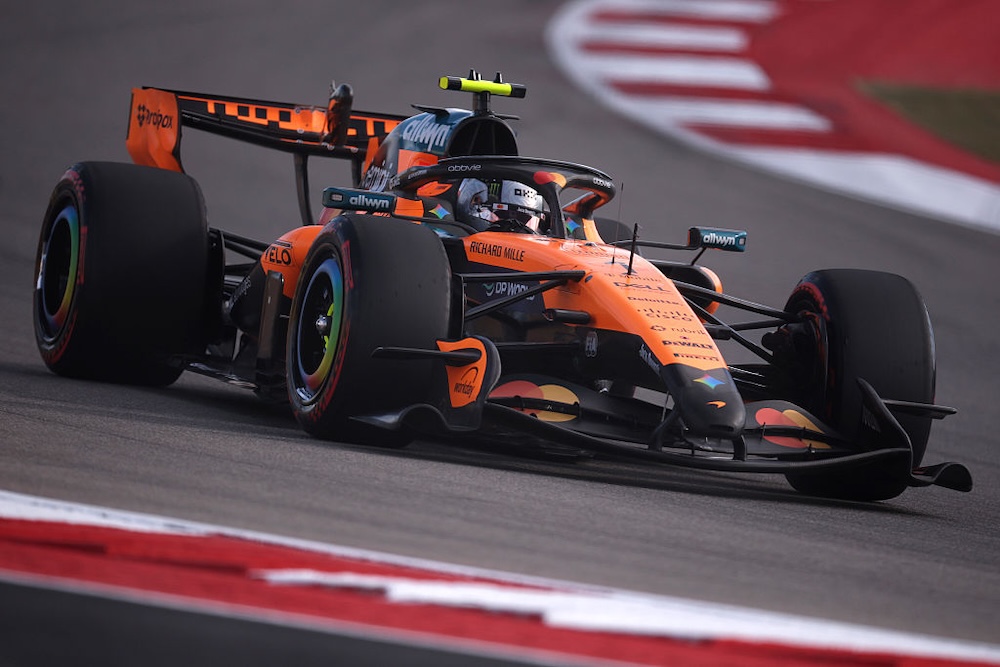
Lando Norris +0.459s
Daniel Ricciardo +0.461s
Jenson Button +0.462s
Robert Kubica +0.463s
Giancarlo Fisichella +0.469s
Alain Prost +0.514s
Presented by:


Chris Medland
While studying Sports Journalism at the University of Central Lancashire, Chris managed to talk his way into working at the British Grand Prix in 2008 and was retained for three years before joining ESPN F1 as Assistant Editor. After three further years at ESPN, a spell as F1 Editor at Crash Media Group was followed by the major task of launching F1i.com’s English-language website and running it as Editor. Present at every race since the start of 2014, he has continued building his freelance portfolio, working with international titles. As well as writing for RACER, his broadcast work includes television appearances on F1 TV and as a presenter and reporter on North America's live radio coverage on SiriusXM.
Read Chris Medland's articles
Latest News
Comments
Comments are disabled until you accept Social Networking Cookies. Update cookie preferences
If the dialog doesn't appear, ad-blockers are often the cause; try disabling yours or see our Social Features Support.