Mark Sutton//Motorsport Images
FIA considering restrictions on F1 qualifying engine modes
The FIA has informed teams it is considering introducing tougher restrictions regarding the use of qualifying engine modes as early as the first race after the Spanish Grand Prix.
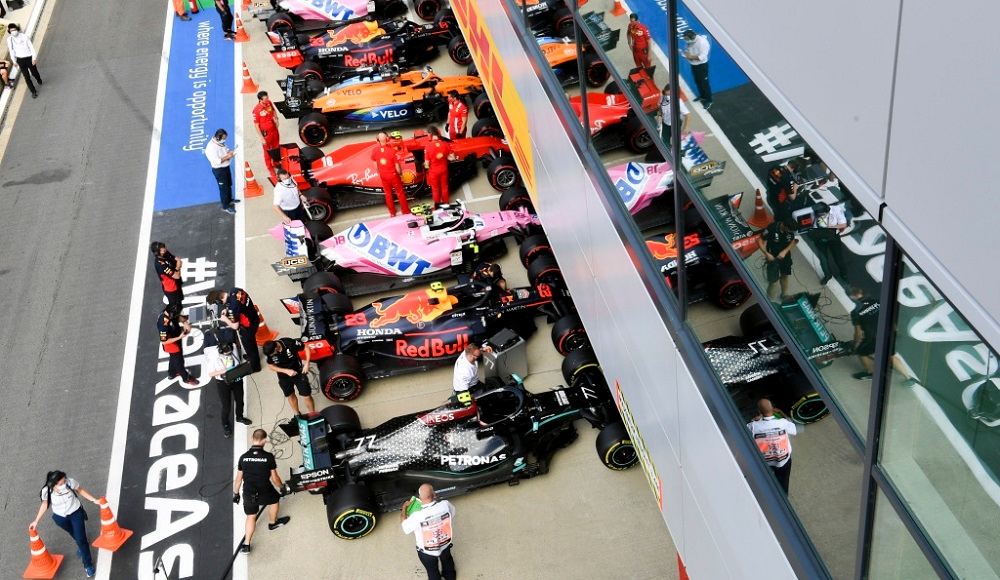
Teams regularly use peak power unit performance at specific times during qualifying but are rarely able to utilize them during races. The advantage gained by Mercedes when it activates its strongest qualifying mode in Q2 and Q3 has been particularly significant this season, with the Saturday performance not always translating to the same advantage for the Mercedes-powered teams as Red Bull is closer in race trim and the likes of Racing Point and Williams have tended to struggle more on Sundays.
The FIA has now told teams it is looking into the way it will police the use of such modes, potentially bringing them under parc ferme regulations or importing a limitation that will mean they have to be able to be used for a certain amount of time during a race. Although the topic is still under discussion, it is understood that restrictions could be brought in as early as the Belgian Grand Prix at the end of August.
RACER understands certain manufacturers are pushing heavily for any changes to be introduced at Spa-Francorchamps in an attempt to try and limit Mercedes’ advantage. Technical directives surrounding power unit usage were common last season and had a clear impact on Ferrari’s straight-line speed, with team principal Mattia Binotto confirming power unit performance was lost as a result.
Mercedes has dominated qualifying so far in 2020, with the team enjoying an advantage of over a second to the next non-Mercedes powered car in each of the last four qualifying sessions.
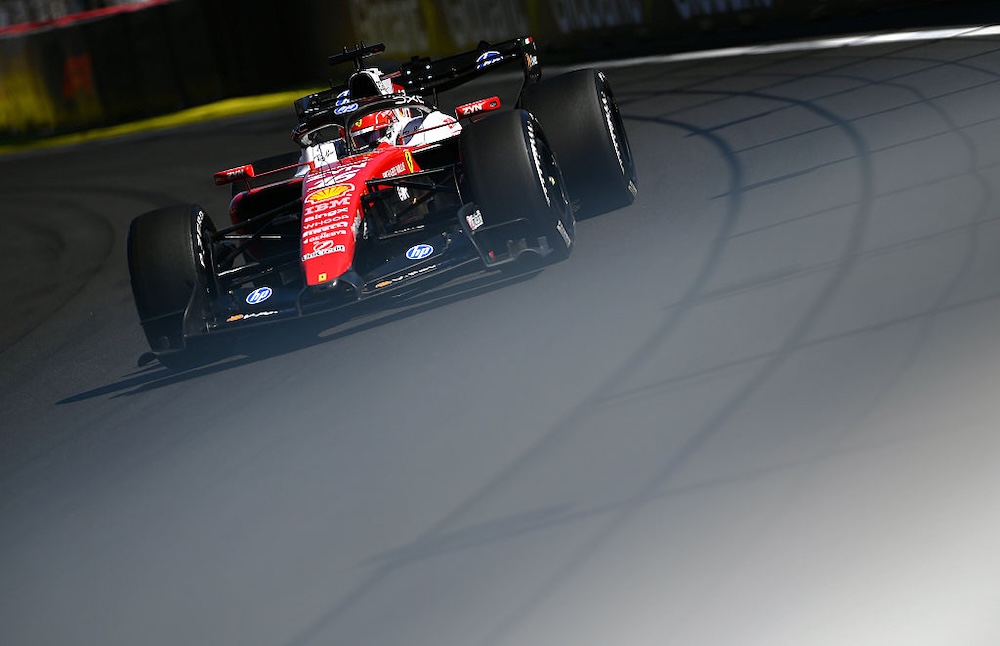
With the Ferrari-powered teams struggling so far this season, Charles Leclerc says the team is only able to use the same modes on both Saturdays and Sundays at the moment and therefore could benefit.
“To be honest, on our side I don’t think it will affect us so much,” Leclerc says. “I think it can only be positive for us. How much will it be beneficial? It’s still to be seen but for us, I can say we don’t have anything different from qualifying to the race, so for us it won’t change anything.”
Sebastian Vettel echoed his teammate’s points, saying Ferrari’s current position would mean it would not be hurt by such a rule change.
“As Charles says, it doesn’t affect us this season so let’s wait and see what happens,” Vettel said, “I think it always depends on what you’re able to pull off. I guess If you have something developed or in your engine that you can probably run a certain amount of mileage with more power or stress on the engine, then probably not the best news.
“I guess depending on how much it makes a difference to you, you’re either happy or not happy -- pretty simple.”
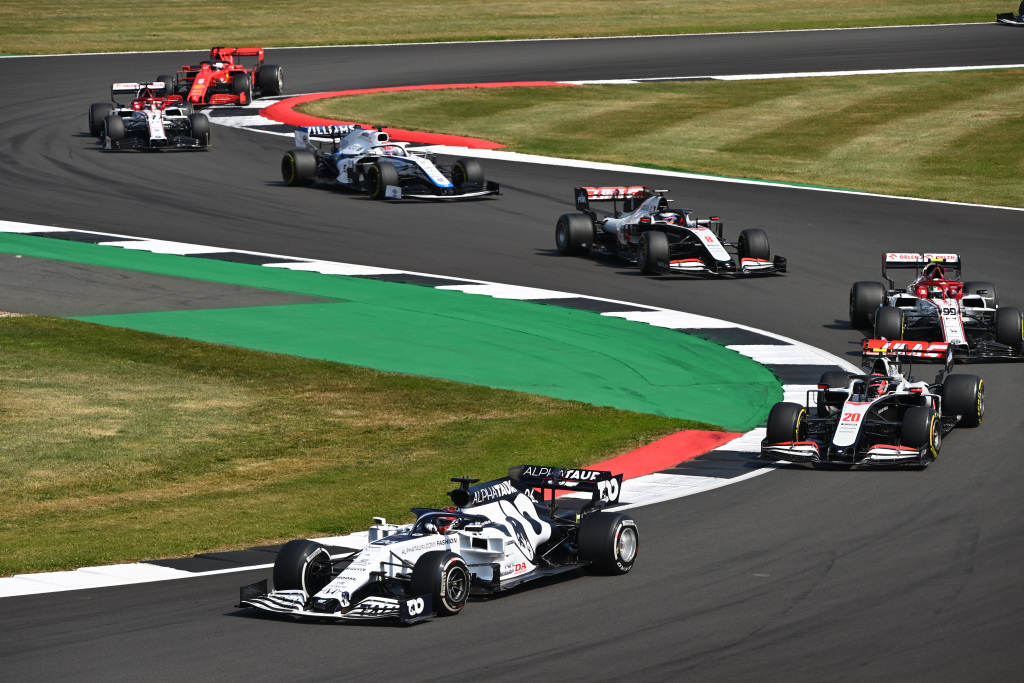
Limiting power modes could have repercussions all the way though the field. Mark Sutton/Motorsport Images
Haas uses Ferrari power units so Romain Grosjean is also hopeful it would make that team become more competitive, citing an overtaking move from a Mercedes-powered Williams on Kevin Magnussen in last weekend’s 70th Anniversary Grand Prix as an example of some of the power unit mode differences.
“To be 100% honest I just read on Twitter about the new rule,” Grosjean said. “I haven’t discussed it with any of the engineers, the impact it may have. I know what we have between free practice, qualifying and race -- I don’t know what the others have. It’s difficult to answer right now. Obviously, yes, when there’s a new rule coming in you always hope it’s going to be in your favor rather than the other way around, so I guess we wait and see for Spa.
“When I was watching the onboards from the last race and I saw Nicholas Latifi could overtake Kev through Turn 9 and Turn 10, obviously they -- (with) the Mercedes engine -- have a button that is very powerful, because it’s definitely not a place where you can overtake a car.
“If it was down to me we’d go back to the KERS time where you’d have 100% battery for the lap and you could use it as you wanted to defend or attack. That was quite cool, to just be able to use your energy for the lap as you wanted.
“I know it’s a different era and so on but I think when the driver has got some say on how he wants to defend or to attack, it’s pretty cool. Again, we know what we have and what difference it’s going to make to us. I don’t know what difference it’s going to make to the others.”

Chris Medland
While studying Sports Journalism at the University of Central Lancashire, Chris managed to talk his way into working at the British Grand Prix in 2008 and was retained for three years before joining ESPN F1 as Assistant Editor. After three further years at ESPN, a spell as F1 Editor at Crash Media Group was followed by the major task of launching F1i.com’s English-language website and running it as Editor. Present at every race since the start of 2014, he has continued building his freelance portfolio, working with international titles. As well as writing for RACER, his broadcast work includes television appearances on F1 TV and as a presenter and reporter on North America's live radio coverage on SiriusXM.
Read Chris Medland's articles
Latest News
Comments
Comments are disabled until you accept Social Networking Cookies. Update cookie preferences
If the dialog doesn't appear, ad-blockers are often the cause; try disabling yours or see our Social Features Support.