Chris Jones/IndyCar
IndyCar's aeroscreen passes its first real test at Iowa
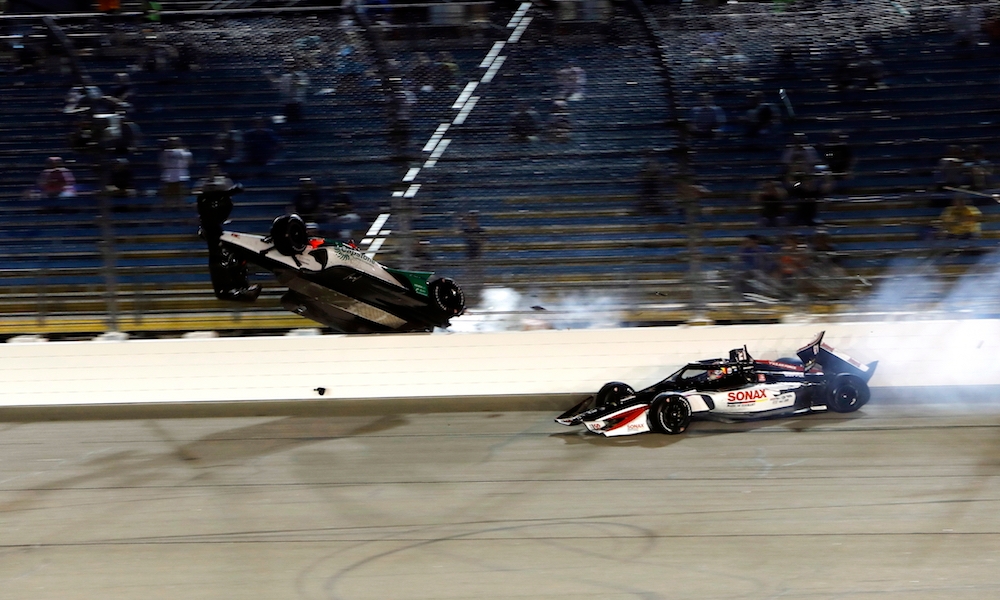
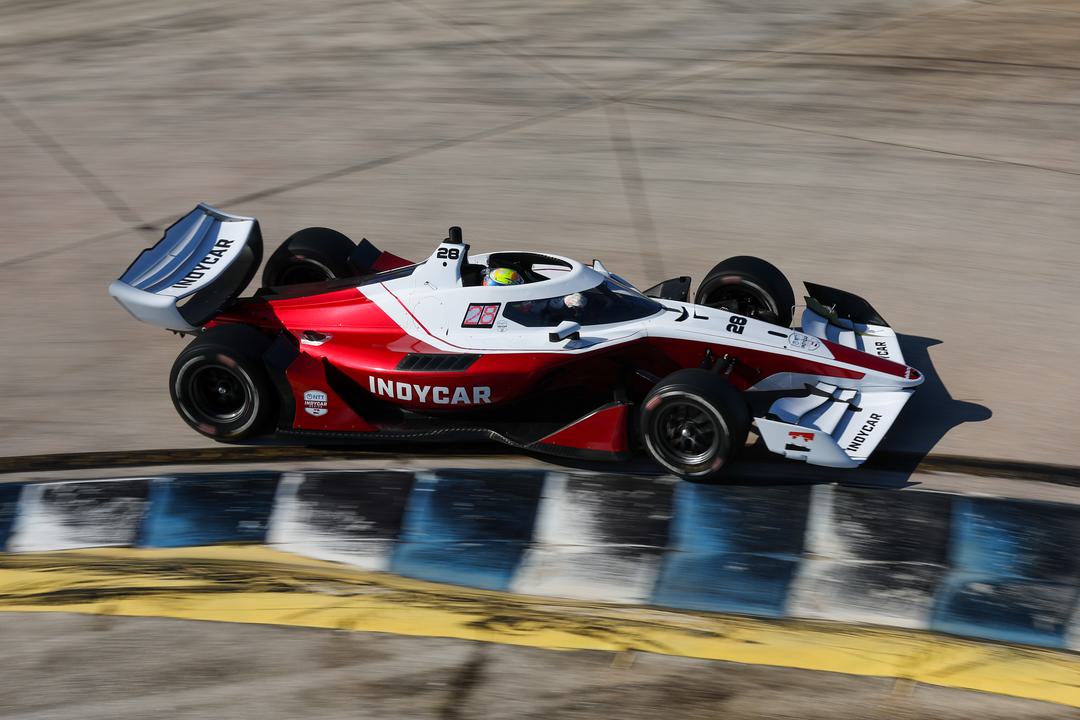
The NTT IndyCar Series’ decision to outfit its cars with a titanium halo enveloped with a thick laminate shield might have saved one or more lives on Friday night at Iowa Speedway.
After waving off a restart on lap 157, Ed Carpenter Racing’s Rinus VeeKay appeared to slow behind eventual race winner Simon Pagenaud and move to the right, and behind the Dutch rookie, Andretti Harding Steinbrenner Racing’s Colton Herta was caught in an accordion affect, launching the No. 88 Honda over the left-rear tire of VeeKay’s No. 21 Chevy.
Prior to getting significantly airborne, Herta’s unimpeded nose – minus its wings – attempted to spear into the left side of VeeKay’s cockpit, level with his helmet. With the PPG screen acting as a vertical barrier, Herta’s nose was forced upward, sliding skyward on the screen before hitting the Pankl halo and flying over VeeKay’s Dallara DW12 chassis.
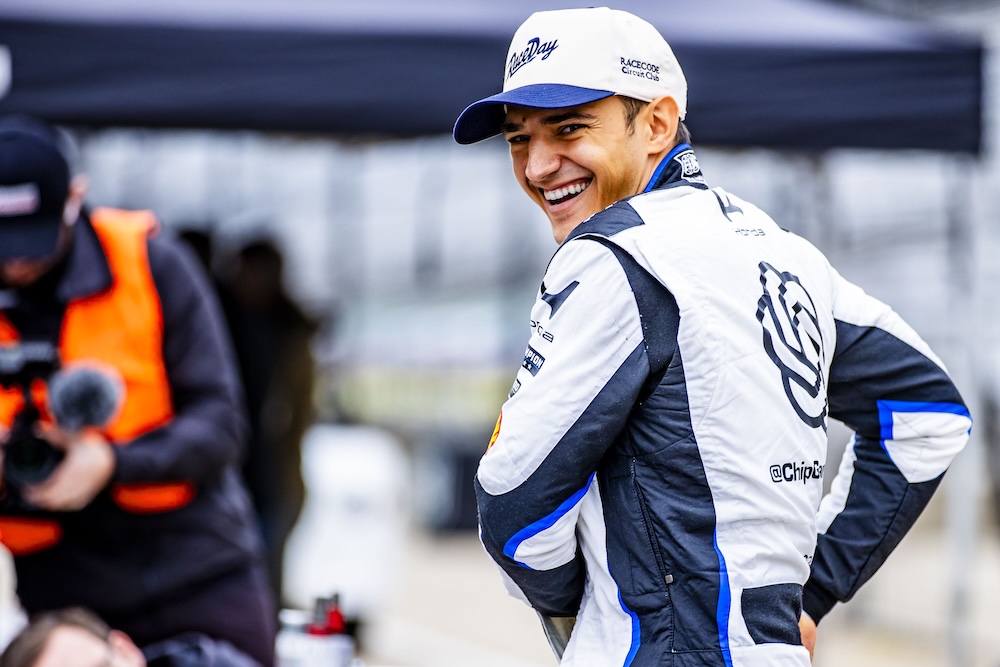
Behind VeeKay and Herta, debris from their cars shot towards Marcus Ericsson’s No. 8 Chip Ganassi Racing Honda, but the debris was deflected by the aeroscreen.
“It was a bit scary on the restart,” Ericsson told RACER, who ducked inside the car as pieces pelted the screen. “There was a lot of debris flying and some big pieces was hitting the aeroscreen, so it shows IndyCar has done a great job with the aeroscreen. They did some really good work today to protect me.”
After the race, Ericsson’s race engineer Brad Goldberg reported the aeroscreen suffered no visible damage and would be reused for Saturday’s race.
“I was really surprised, actually; there’s nothing to show from the impacts,” he said. “There’s more damage done to the sidepod than the aeroscreen from the debris field that came back at Marcus.”
VeeKay’s team has extensive repairs to make to the car to get it ready for Saturday night’s 250-lap race to close the Iowa doubleheader. The teenager was understandably pleased to have no physical damage to overcome after the aerocreen did its job.
ECR team manager Tim Broyles says the PPG laminate on VeeKay's car wasn't significantly damaged; the carbon fiber ring that seals it atop the halo is what bore the brunt of the damage.
"Outside of the shroud around the halo is what got destroyed; Herta's car ricocheted off of there," he added. "It was just a big crash."
Designed by Red Bull Advanced Technologies, and manufactured by PPG, Pankl, and Dallara, the titanium frame bolted to the DW12s is rated to withstand loads of more than 30,000 pounds. The screen, which underwent ballistic testing, repelled a two-pound metal slug fired at more than 170mph.
Marshall Pruett
The 2026 season marks Marshall Pruett's 40th year working in the sport. In his role today for RACER, Pruett covers open-wheel and sports car racing as a writer, reporter, photographer, and filmmaker. In his previous career, he served as a mechanic, engineer, and team manager in a variety of series, including IndyCar, IMSA, and World Challenge.
Read Marshall Pruett's articles
Latest News
Comments
Comments are disabled until you accept Social Networking Cookies. Update cookie preferences
If the dialog doesn't appear, ad-blockers are often the cause; try disabling yours or see our Social Features Support.