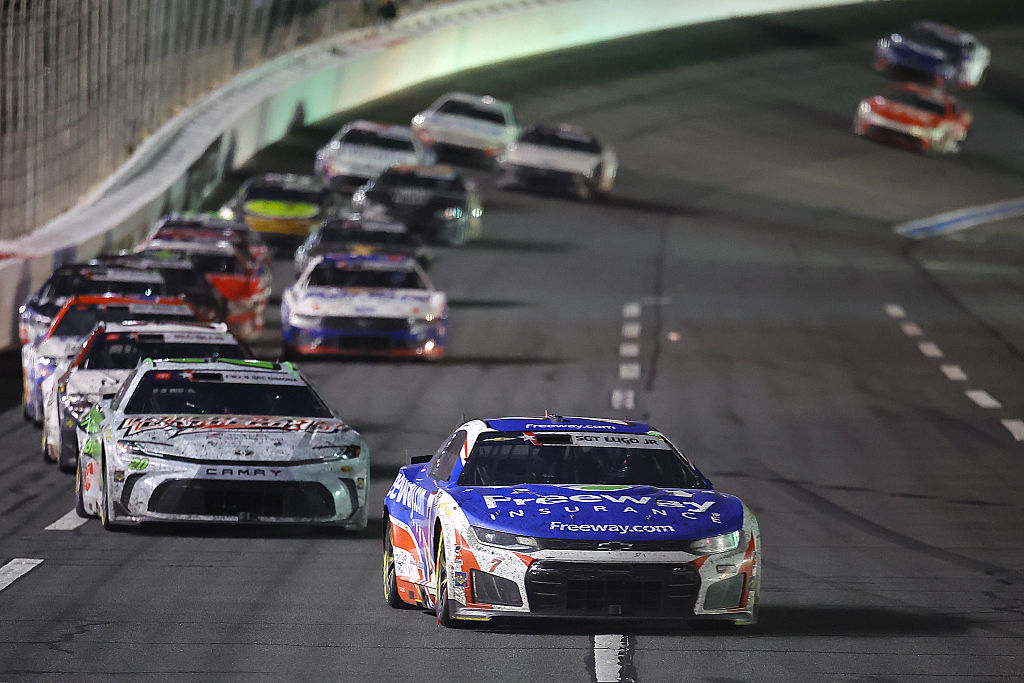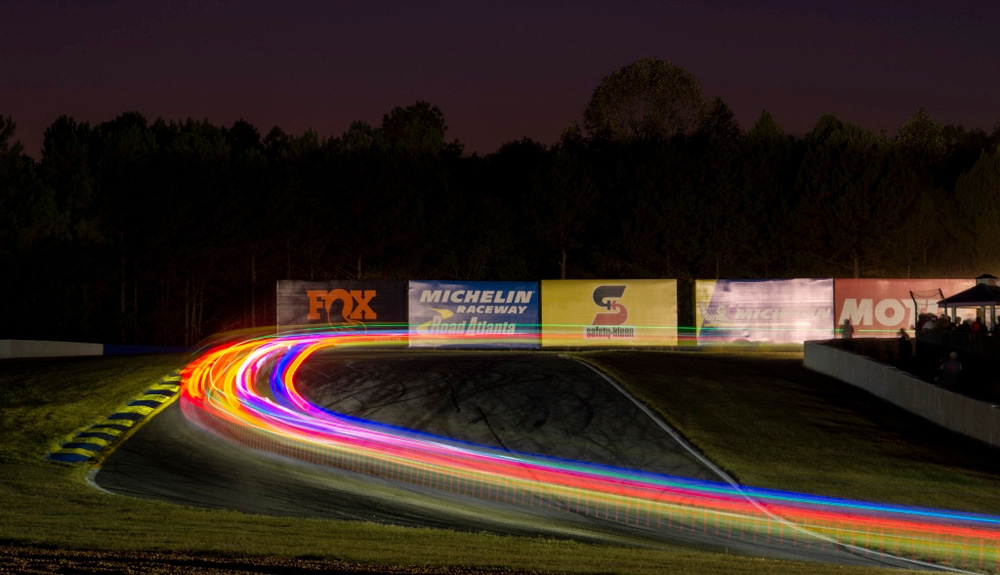
Image by Scott LePage/LAT
NASCAR likely to follow IMSA’s lead on hybrid tech
IMSA’s efforts to introduce hybrid powertrains for its Daytona Prototype internationals in 2022 could serve a secondary purpose that benefits NASCAR.
RACER has learned that IMSA’s plans to source, test, and introduce battery-based kinetic energy recovery systems (KERS) with its next-generation DPis is drawing significant interest from its parent company, NASCAR, which has taken an increasing role in IMSA’s DPi 2.0 planning sessions.
According to multiple sources, the most recent steering meeting pointed IMSA’s KERS initiative in a new direction where NASCAR will rely upon its sports car series to carry out a significant portion of the hybridization workload that will eventually appear in the Monster Energy NASCAR Cup Series.
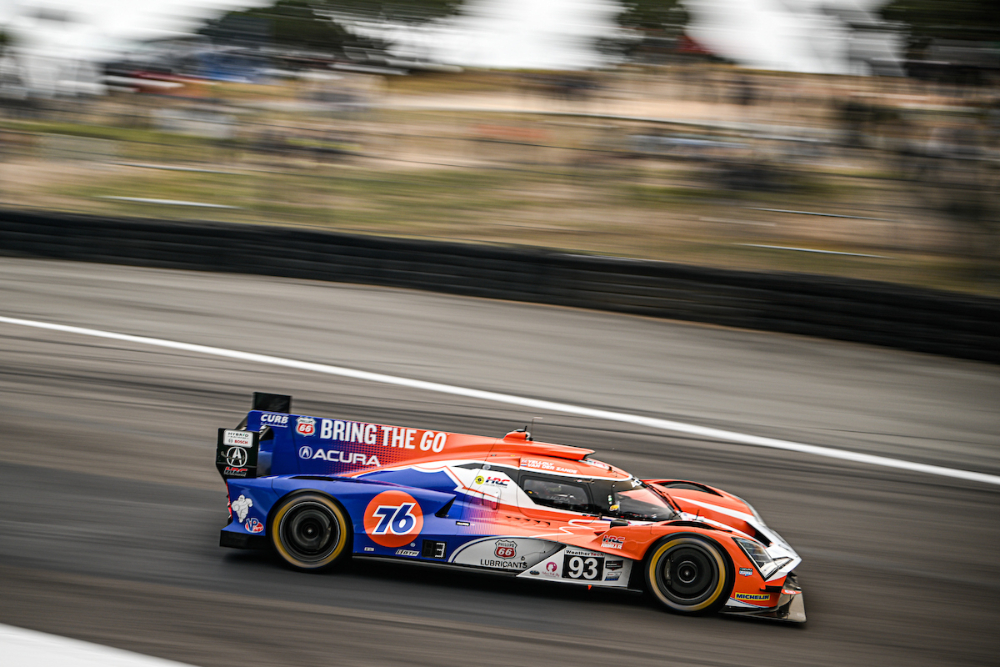
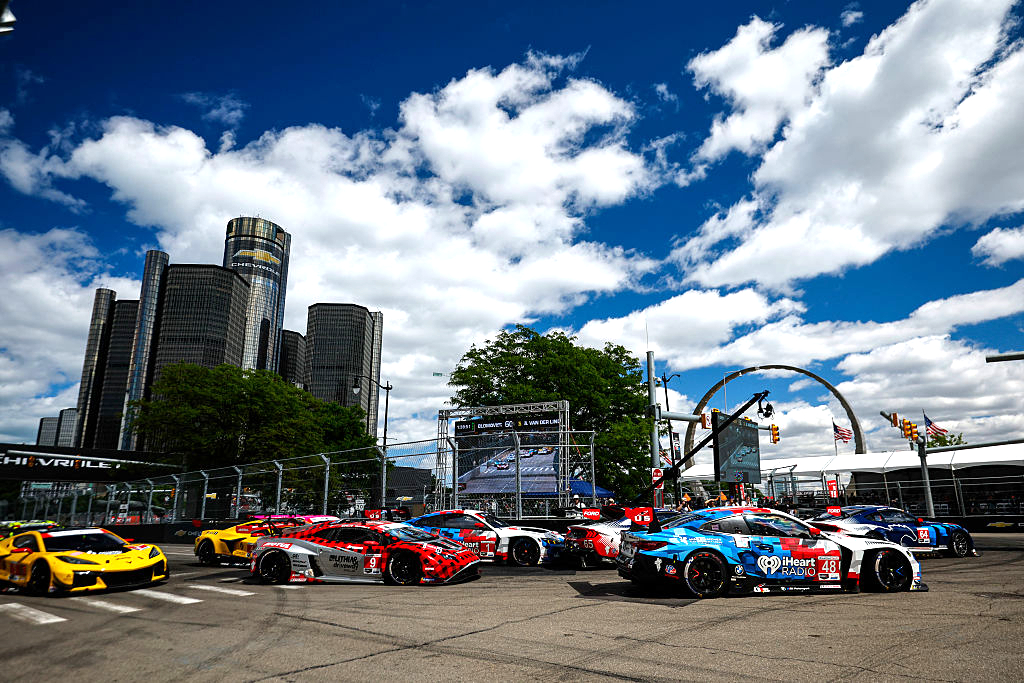

With IMSA’s technical team focusing on the adoption of spec KERS units making something in the region of 50hp, the blueprint established for DPi 2.0 would, under the new dual-series strategy, see NASCAR utilizing IMSA as a developmental test bed for whatever KERS solution that makes its way into stock car competition.
Of interest, the timelines for IMSA’s hybridized prototypes and NASCAR’s adoption of KERS could be somewhat divergent. Although hybrid NASCAR powertrains have been spoken of as something that could land as soon at 2021 with its new ‘Next Gen’ car, the most recent discussions have painted 2024 -- two years after IMSA’s hybrid debut -- as a more likely season to make its greatest technological leap.
Marshall Pruett
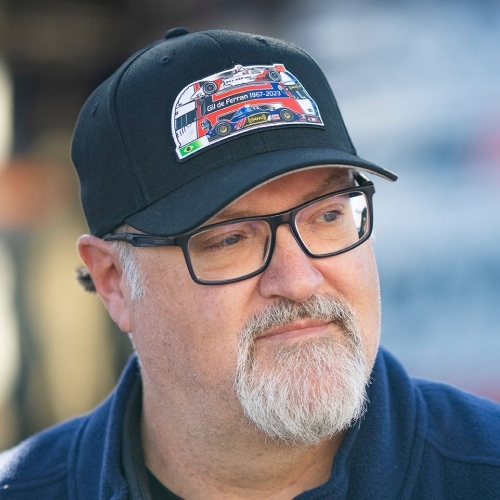
The 2026 season marks Marshall Pruett's 40th year working in the sport. In his role today for RACER, Pruett covers open-wheel and sports car racing as a writer, reporter, photographer, and filmmaker. In his previous career, he served as a mechanic, engineer, and team manager in a variety of series, including IndyCar, IMSA, and World Challenge.
Read Marshall Pruett's articles
Firestone Firehawk INDY 500 V2: There’s more to it than a name
Latest News
Comments
Comments are disabled until you accept Social Networking Cookies. Update cookie preferences
If the dialog doesn't appear, ad-blockers are often the cause; try disabling yours or see our Social Features Support.