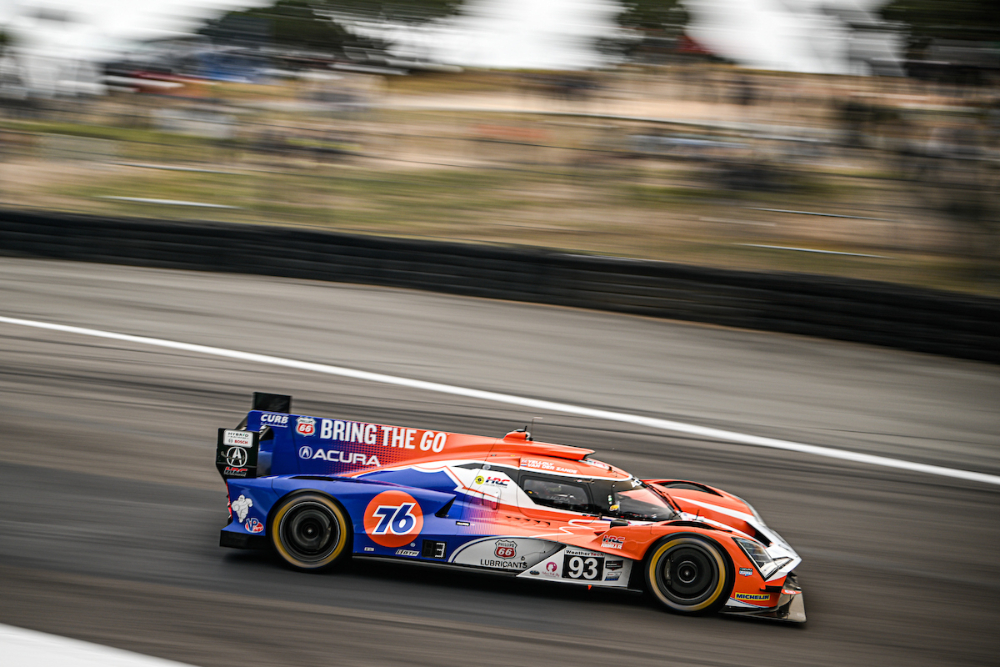
Nissan's milestone: First GT3 engine to win in DPi
With Tequila Patron ESM's breakthrough victory at Road America on Sunday, Nissan's road car-based GT-R engine became the first of its kind to win in IMSA's new Daytona Prototype international formula.
Following seven straight wins by Cadillac and its custom 6.2-liter V8 powerplant, ESM, chassis supplier Ligier and Nissan, through its NISMO competition arm, earned the distinction of powering the first DPi winner using an engine taken from GT3 competition.
Plucked from the same production-based Nissan GT-R NISMO GT3 that races in the Pirelli World Challenge series, Blancpain Endurance Series and other global GT3 categories, the stout 3.8-liter twin-turbo V6 achieved a meaningful milestone for the Japanese brand.
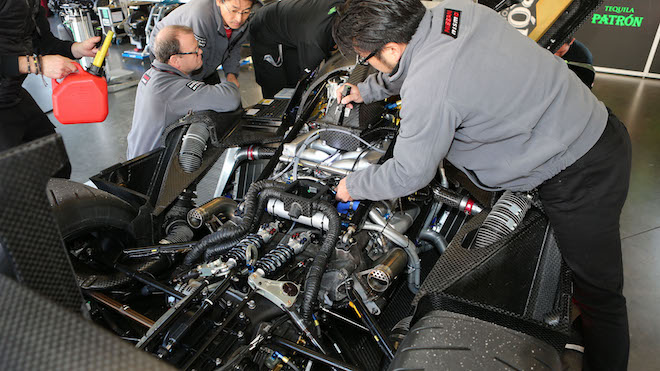
"The program itself didn't start out as Nissan directly participating in the DPi program; it was working together with ESM and Onroak in a partnership, and with the time we had and the rules, using a GT3 engine was the best choice we had," NISMO global motorsports director Michael Carcamo told RACER.
"We knew that might be a disadvantage to some of our competitors that didn't use GT3 engines, but with [Balance of Performance], we expected it could be equalized. As we saw at the beginning of the year, the advantage was bigger than expected, so the work and effort to get the GT3 engine to a competitive state was an uphill battle. That motivated everyone to find solutions.
"We had some ups and downs with race results, but we just recently had another step for this race and we had another improvement. It's special to come into the series with a true road-derived engine that has found success in the DPi formula."
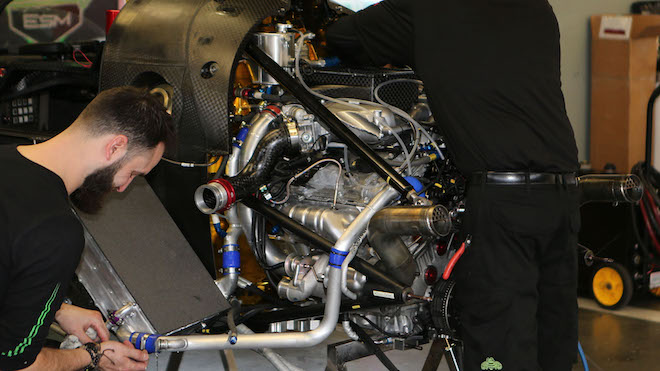
NISMO's learning curve with its TTV6 in the back of the Nissan Onroak DPi has been short and unrelenting. Due to the late commissioning of the program, all three parties began track testing and development a few weeks before the season opener at Daytona, and with the different environment surrounding the motor in the back of the Ligier chassis, Carcamo's team made constant adjustments to suit the DPi platform.
"We've had so much experience with the GT3 category and 24-hour races – Bathurst, Spa, Dubai – but it was the unforeseen issues with using the GT-R engine in a DPi that we had to overcome," he said. "It was cooling, and heat, and weight; those things were tailored for the GT3 car, but had to be customized to the DPi. There was a lot of trial and error to meet the car's needs."
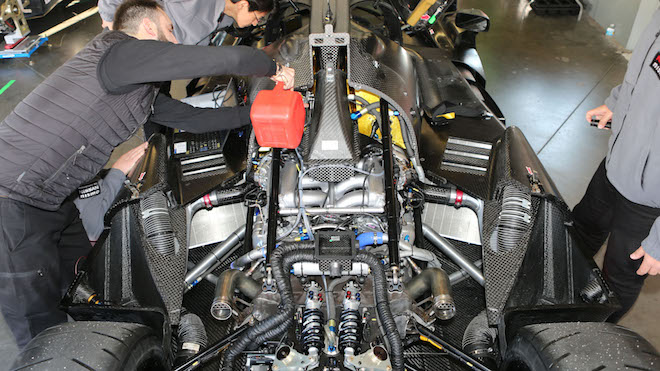
Along with the winning No. 22 Nissan Onroak DPi driven by Pipo Derani and Johannes van Overbeek, the No. 2 shared by Scott Sharp and Ryan Dalziel underwent a change in electronics vendors coming into Road America. Cosworth, which supplies electronics for the Nissan GT-R NISMO GT3, was retained for the DPi project, but as Carcamo explains, a move to Motec unlocked more potential from the DPi than was previously available.
"The application software with the GT3 car isn't as sophisticated as you can use in DPi, so it took us some time to make those modifications as well," he said. From greater refinement with ECU tuning to a wider range of traction control adjustments, the electronics changeover also contributed to ESM's impressive performance last weekend.
"It gave us a lot more flexibility," he said. "What we discovered was the advantage to be gained through software was significant. Even if you had a strong, reliable car, there was a lot to be gained for engine performance and driver preference."
With two races left for IMSA's Prototype class and just two DPi manufacturers left to fight over those WeatherTech SportsCar Championship victories, more GT3-based wins could be in the works at Mazda Raceway Laguna Seca and Petit Le Mans.

Firestone Firehawk INDY 500 V2: There’s more to it than a name
Latest News
Comments
Comments are disabled until you accept Social Networking Cookies. Update cookie preferences
If the dialog doesn't appear, ad-blockers are often the cause; try disabling yours or see our Social Features Support.