Prospects rising for third IndyCar engine supplier
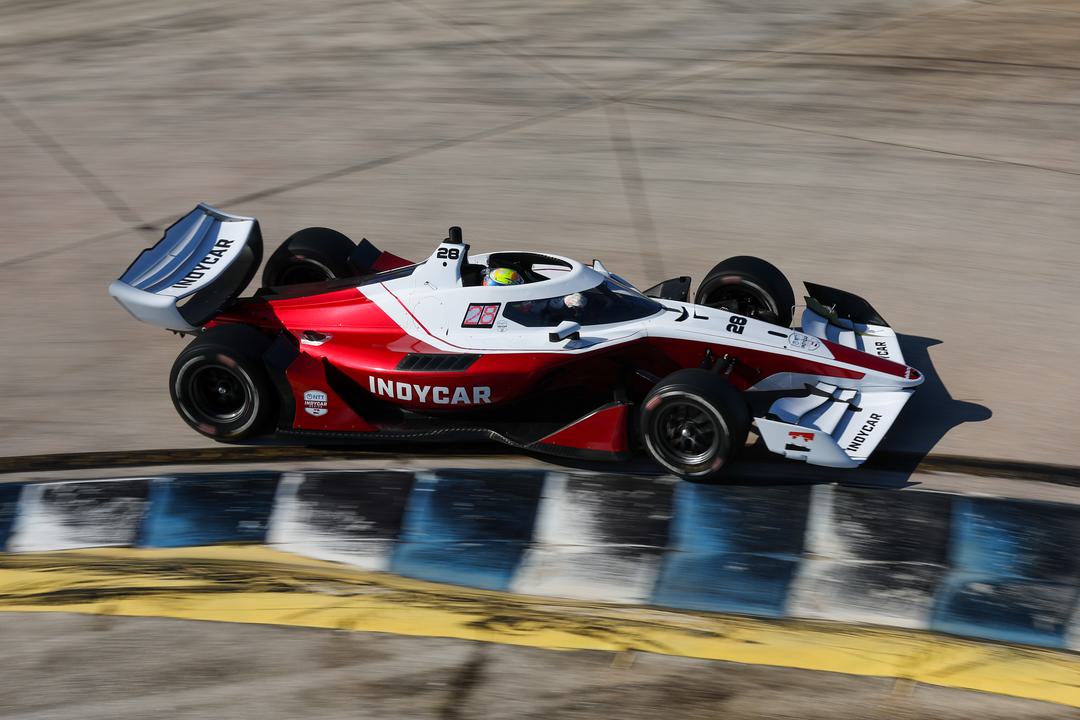
Verizon IndyCar Series CEO Mark Miles is cautiously optimistic a third auto manufacturer is getting closer to joining Chevy and Honda as an official engine supplier. IndyCar's most recent engine formula made its debut in 2012 with Chevy, Honda and Lotus building purebred 2.2-liter turbocharged V6s, and with the departure of Lotus at the end of the season, the series has been on the lookout for a replacement since 2013.
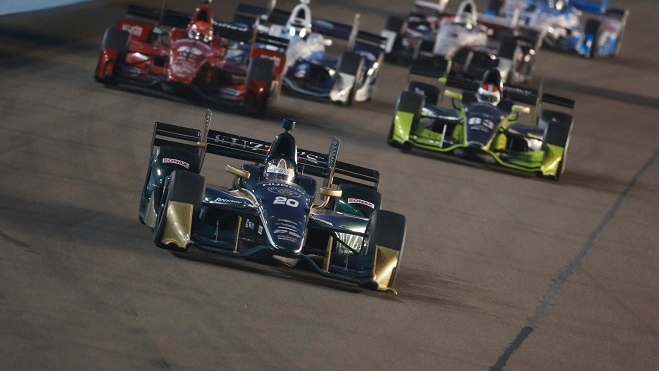
With Chevy and Honda stepping up to cover 20-plus full-time IndyCar entries (and the field of 33 cars for the annual running of the Indianapolis 500) in the absence of Lotus, both manufacturers have been vocal in their desire for a new engine supplier to enter the series and return to a three-way supply structure. It makes the interest being shown by a new manufacturer a welcome sign of progress.
"I think a third [manufacturer] is important for lots of reasons," Miles said. "From the time I've been involved ... there's always a conversation with one or more of them, and I think we are at a point now with one of them that seems more promising, but further and more pointed than we've had before."
Although Miles wouldn't be drawn on the identity of the interested manufacturer, the car company is believed to be based in Europe.
"If we got something done in the first half of this year, you still wouldn't see them probably till 2019," he added.
A number of factors could be behind the manufacturer's interest.
IndyCar has bucked the recent downturn in TV and attendance figures experienced by many North American motor racing series. The open-wheel series' delivery of multi-year increases in both areas has been highly encouraging, but is still has a long way to go before it matches the audience size and overall footprint offered by NASCAR.
Even though stock car racing remains firmly atop the list of most popular racing series, IndyCar's growing TV ratings and fan base could be strengthening its appeal as an alternative to consider.
The relative lack of manufacturers in IndyCar could also be seen as a positive for a brand trying to attract attention in a less congested environment. IMSA's WeatherTech SportsCar Championship is overflowing with manufacturers; more than a dozen brands jockey for position in front of IMSA's TV cameras as rich and diverse endurance racing takes place. Given the smaller footprint IMSA holds next to IndyCar, and the abundance of manufacturers already entrenched in the WeatherTech Championship, sharing a bigger open-wheel spotlight next to Chevy and Honda could also be seen as an attractive option for some brands.
Provided the marketing and demographic data makes sense to a manufacturer, the final hurdle – and it's a significant one – is the cost to create an engine made specifically for the Verizon IndyCar Series.
Although there's no fixed price for a manufacturer to spend on bringing an engine into the series, Miles offered the number that has been quoted to car companies if they partnered with an experienced and ready race engine provider like Cosworth.
"[If] they're going to do it through somebody who's got all the pieces, pretty much ready to go, the upfront number is 20 million bucks or so," he said. "Fifteen, 20 or so."
The next item, the ongoing support of that engine program, is a more complicated financial component. But it also reveals an interesting formula that could entice a manufacturer to look at the total outlay for a multi-year program in a different light.
With each manufacturer currently allowed to charge $1 million per entry for an engine lease, the potential to reduce the annual expenditure through generating income is considerable. Although Chevy and Honda have suggested they lose up to $500,000 per engine lease, the financial intake from each lease would present a partial offset each season.
Like the upfront costs to bring an IndyCar engine to market, it's hard to put an exact number on how much manufacturers spend each season, or to gauge how much the $1 million leases reduce the annual budgets committed by Chevy and Honda, but Miles does not believe it's an imposing figure.
"To supply the teams, have the presence, provide the support for the teams, in my mind for a car manufacturer, [it's] $2-3 million bucks as the fixed cost if you want to think of it that way, on an ongoing basis," he said. "It's just not that big [of] a deal."
Altogether, by taking the high upfront number of $20 million to create an IndyCar engine and combining it with an annual support expenditure of $6 million--twice as big as Miles estimates--over a five-year span, a manufacturer could plan on a total financial commitment of approximately $50 million.
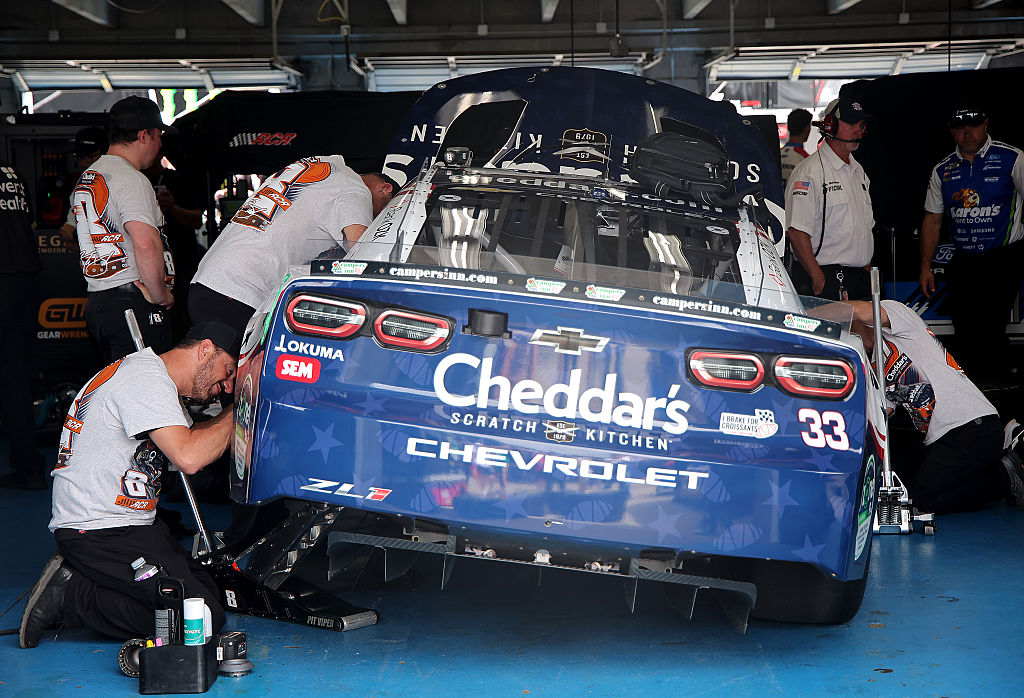
At roughly $10 million per season for a five-year program, it means a manufacturer could participate in IndyCar each year for less than half of what it takes to sponsor a single entry in the Monster Energy NASCAR Cup Series.
Depending on the perceived return on investment, that $10 million annual venture could be seen as a bargain by some brands, and for others, it could be viewed as a questionable price to play one level below NASCAR. Miles, unsurprisingly, hopes IndyCar can offer manufacturers a solution other series cannot provide.
"What we want, of course, is not just that they come in," Miles said, "but that they are doing it because they really want to activate and help promote the sport and their association."
Provided Miles and IndyCar competition president Jay Frye can bring a third manufacturer to the grid as an official partner and engine supplier, the lingering question of cost versus value would seemingly fall in IndyCar's favor.
Listen to the full conversation with Miles and RACER’s Robin Miller and Marshall Pruett on IndyCar’s efforts to sign a new manufacturer and more of the cost estimations starting at the 15m40s mark below:

Latest News
Comments
Comments are disabled until you accept Social Networking Cookies. Update cookie preferences
If the dialog doesn't appear, ad-blockers are often the cause; try disabling yours or see our Social Features Support.