IndyCar expects single aeroscreen in 2018
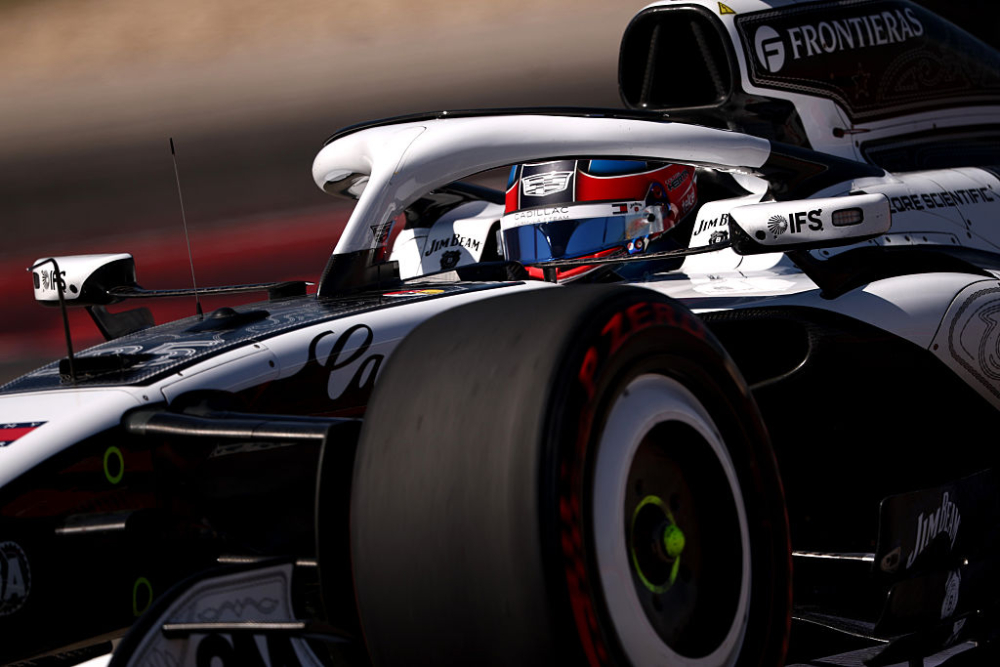
After a year-long evaluation of options, the Verizon IndyCar Series appears to have a final direction for its cockpit protection device. Using input from its drivers, IndyCar's competition department expressed an initial belief that multiple aerocreens would be required to provide clear sightlines from the cockpit when switching between flat and banked circuits. That belief has been revised, according to IndyCar competition president Jay Frye, who expects a single aeroscreen device to serve the drivers' needs at every track when it is introduced in 2018.
"We have numerous things we've worked at, looked at," he said. "We're honing in on one that seems to be the best that could work wherever we go."
Along with new universal bodywork
that will replace the current aero kits made by Chevy and Honda, the look of a Verizon IndyCar Series machine will be radically different than what is in use today."Going forward with the '18 car, we're working on side impact protection, we're going to have more of that," Frye added. "We're full-speed ahead."
IndyCar's aeroscreen could be on a Dallara DW12 as early as late July or August when track testing begins with the new 2018 universal bodywork. And if it's not part of those outings, Frye is confident it will be on a car later in the year.
"Hopefully, yes; I don't know if it will be on [for] that [first round of tests], but before the end of the year it will be on, yes," he said. "We've come a long way, we think, in the [aeroscreen] material; we think we've come a long way in the application; we think we've come a long way on the mechanics of how you can structurally put something on the car correctly. We're making good progress."
Under Frye's direction, IndyCar's competition department has gained newfound respect within the paddock for its open and collaborative approach to most topics. Asked if IndyCar would mandate the use of the aeroscreen, or if it would seek feedback from its teams to determine whether it should be used, Frye described something akin to a mandate similar to the 2018 universal bodywork that will use paddock input to shape the final product.
"I think like everything we try to do, we've got a lot of very smart people in this paddock," he said. "Once we get [ready] with the universal kit, we're going to get it to a certain point, and we're getting close to that, where we're going to get lots of input from them. 'What about this, do we want that, do we not want that, this piece, that one?', that kind of thing.
"The [aeroscreen is the] same thing. We're full-speed ahead with this project. Once we get it to certain point, then we're going to get the teams involved and see ... the cause and effect. We're going to do all we can do, then it's going to be great to have their input going forward."
Following recent comments from Schmidt Peterson Motorsports IndyCar driver Mikhail Aleshin, who panned extra safety modifications like the aeroscreen, Frye was asked if abandoning the aeroscreen and leaving IndyCar's open cockpits untouched was ever considered. His answer hints at what could emerge on DW12s later this year.
"So, I think it's a polarizing subject," he said. "There are people who think 'well, this is an open cockpit IndyCar!' Well there's one [aeroscreen] application where you can put something on a car, and really I don't even know if you're really going to notice it that much. So maybe that's the balance where it does create much more protection than there is now, but it still manages to have the open cockpit feel, look, integrity."
Presented by:

Latest News
Comments
Comments are disabled until you accept Social Networking Cookies. Update cookie preferences
If the dialog doesn't appear, ad-blockers are often the cause; try disabling yours or see our Social Features Support.