PFANNER: The Power of "Yes"
Paul Pfanner is the President and CEO of Racer Media & Marketing, Inc. and the founder of RACER Magazine and RACER.com.
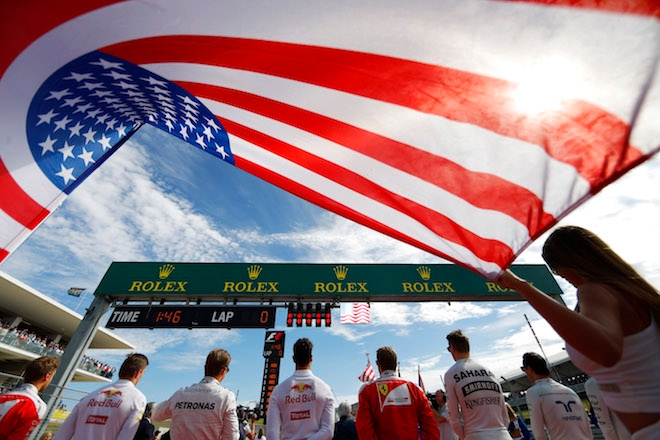
This week could go down as a turning point for motor racing worldwide. The defining moment of this new era was the long-anticipated end to the Bernie Ecclestone era in Formula 1. For two decades, I've joked that the brand positioning statement for Formula 1 is "no" and that Bernie shrewdly used this simple but powerful two-letter word to play the egos and insecurities of all involved to his advantage.
in a recent story
by RACER.com's F1 correspondent Chris Medland: "We needed a sport that while respecting what made it great, has a sense of energy and innovation. In many ways, in a simplistic sense, the sport said 'no' too much and we have to start saying 'yes' – not gimmick it up, but find ways to do new and exciting things to have the sport continue to grow and interest and excite people." Amen to that.As I've joked about Bernie's reliance on "no", I've also wondered who would end up owning Formula 1 in the future. I kept coming to the conclusion that the best candidates would probably be one of the world's top media companies with massive reach, and a need for live sporting content with global audience gravity and untapped commercial potential. Now we will find out if this theory is true.
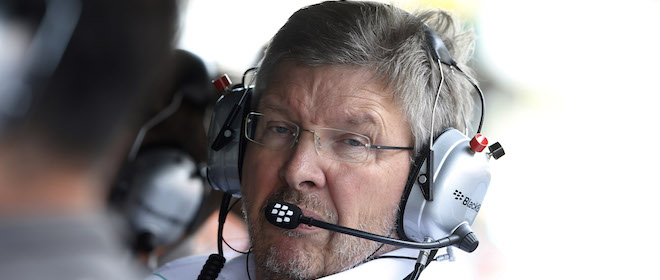
Sure, there are real risks inherent in the steep learning curve for the new American management team of Liberty Media President and CEO, Greg Maffei, F1 Chairman and CEO, Carey, F1 Managing Director of Commercial Operations, Sean Bratches but this risk is balanced by a person with unrivaled experience inside the sport. Ross Brawn, F1's new Managing Director of Motor Sports is the best possible person to lead and evolve F1 from a technical and sporting perspective.
However, the greater risk for F1—or any sport today—is to ignore the massive shift in consumer behavior driven by an ongoing revolution in media creation and distribution. It is safe to assume that Messrs. Maffei, Carey and Bratches, and their Liberty Media colleagues, know a quite a bit more about the shifting landscape of TV, digital media, live entertainment, advertising and marketing than most people involved in managing motorsports.
Unlike some who lead racing today, the Liberty Media team has said some telling things that show they accept all the possibilities of the digital age. They know that the future is to be found in the hearts and the hands of the fans, rather than in the agendas of sports leagues serving the narrow interests of team owners or track operators above all else. In the era of new media, the audience is the media and in reality, audiences co-own the sports they are devoted to by investing their time, money, reputation and personal identity.
Sustaining interest and sparking passion for something worthy of an audience's devotion is now Job 1 for every sport — not just racing. Making people care about their favorite racing series before and after every race day and between each season is the real key to a better tomorrow. Beyond offering compelling reasons for people to care, it is even more important to give them reasons to feel good about their favorite sport. It all comes down to validation of what they believe in and their self-esteem. Long before racing became an entertainment business, racing was an inspiration business. If you inspire, you can create desire.
Carey and Brawn have both called for simplification of F1's rules, and that should be met with enthusiasm from fans, participants, sponsors, automotive manufacturers and the media. It is easier to share our enthusiasm for F1 if we aren't required to spend 45 minutes explaining the sport's complex and ever-changing rules to a newbie. It is far better if they can intuitively grasp the premise of the sport and then see, hear and feel something amazing that moves them emotionally. Only then will you have the spark of inspiration that leads them to becoming a devoted fan. The sport will surely grow if you don't bore them or insult their intelligence. Remember this thought as you read on.
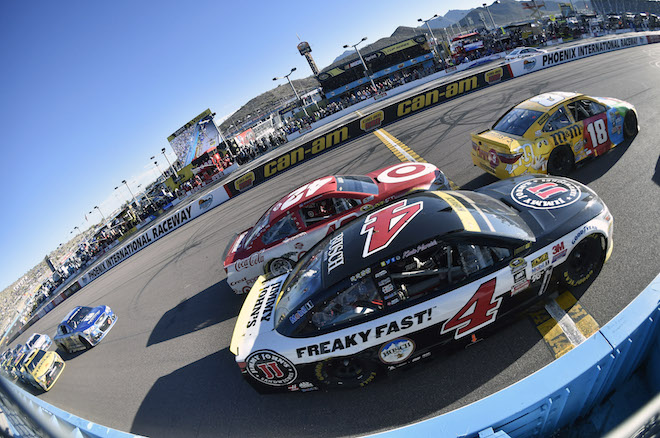
Change will not come easily - or quickly, given the long-term contracts governing F1. But have no doubt that profound change is coming across all important areas of F1, and it can't come soon enough for a sport that has been struggling with its identity and holding on to the sponsors and audience it has. It is worth noting that F1 now has real competition from the WEC and Formula E for manufacturer investment. Both of these series have also led the way in generating new ways to reach consumers in the digital age, so the pressure is on to evolve or be left behind.
is supportive of the latest moves,
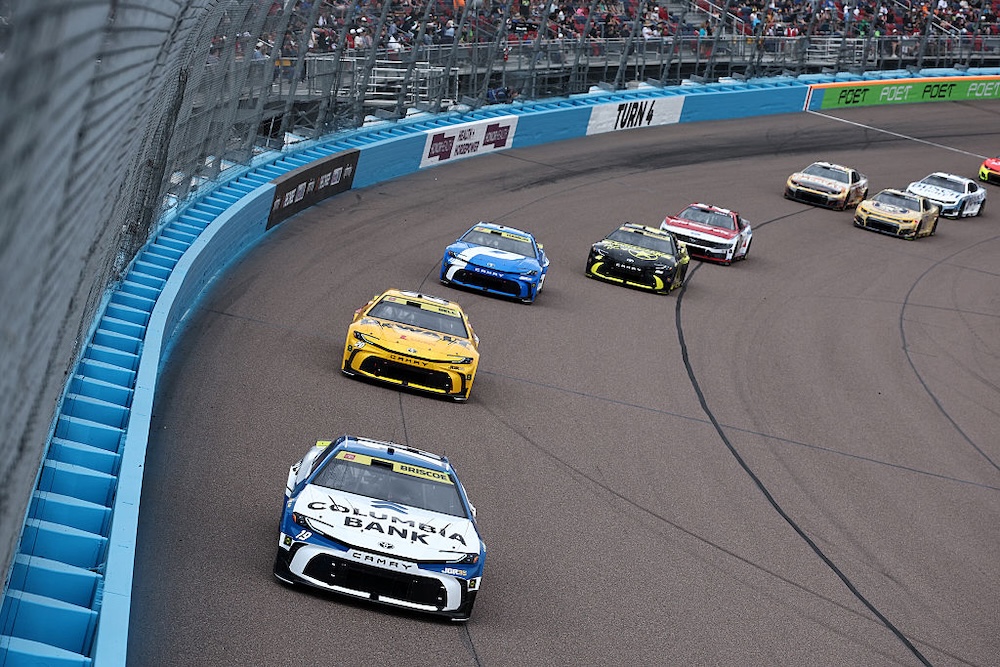
I feel like I've seen this boring B-movie before so I am not convinced. Based on the mixed message board and social media responses from RACER.com's readers and NASCAR fans on other forums, it seems I am not alone.In my opinion, NASCAR should remember what built the sport in the first place and then consider a "less is more" mindset to make the racing and the championship more meaningful. I can't help be feel that the latest changes are just another reactive, complicated and confusing misstep by the team managing a sport that, like F1, has been plagued by serious identity, audience and sponsorship issues. As a fan of all forms of racing, I am watching with concern to see if NASCAR embraces a narrative of "alternative facts" regarding the health of their sport, or if they bravely choose to embrace the realities and new opportunities found in the 21st century.
Racing fans and racers continue to tell us that NASCAR is at its best when it is brave, raw, rough and real. When NASCAR is true to itself it thrives because it represents a relatable way of life that people want to belong to, rather than a ritualized and trivialized entertainment product in search of an audience beyond those who share its core values and beliefs. I have yet to see that work.
The good news is that there is still a substantial NASCAR audience that dwarfs all other forms of racing in the USA. Based upon all I've seen and read during NASCAR's decline during the past ten years, I suspect most NASCAR fans long for something more authentic and unfiltered. With Monster Energy in place as the title sponsor, NASCAR now has the ideal partner with a 21st century media and marketing mindset that can help them reach new fans while re-energizing those who have turned away from the sport. I sincerely hope that Brian France and his team at NASCAR does what is right with this new Monster Energy collaboration, rather than trying to be right about their latest gimmicks that likely won't move the needle emotionally for fans or in the TV ratings.
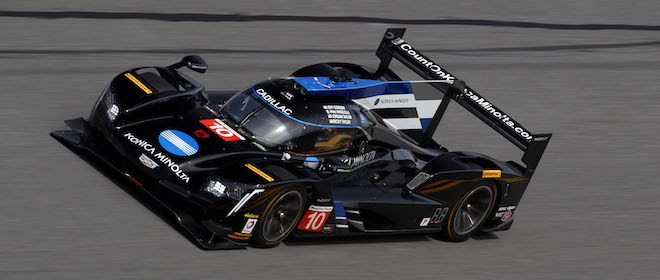
On the subject of doing what is right, there is much to be learned from the new energy found in a racing series that shares the same office building with NASCAR. Thanks to the leadership of Jim France, Ed Bennett, Scott Atherton and their hard-working team at IMSA, there has been a surge of positive news and off-season excitement about the IMSA WeatherTech SportsCar Championship. Visionary new rules have attracted a wave of exciting new cars that have sparked interest and enthusiasm that we can see in RACER.com's traffic that has been record levels for the months November, December and January.
The reason is obvious. Sports car racing fans are finally getting what they've wanted since the combining of ALMS and Grand-Am in 2014. Now the next challenge will be to evolve IMSA's TV strategy to better serve those who are devoted to the sport and those who invest in it. As is the case with F1, progress in this area will be slower due to existing contracts, but many are hopeful that IMSA's exciting new on-track content will be useful in finding a better TV partner. However, growing IMSA's audience footprint will only come if the leaders of the sport continue to say, "yes" to improving their parallel digital distribution strategy that well-suited to the long distance races that define the series.
Many believe that the best is yet to come for IMSA but there is an important caveat: True and sustainable success will only occur if IMSA's core participants and commercial partners believe that they are being heard, and that the collective ambition of the sport is aligned to benefit all key stakeholders. There is always work to be done in the politically-charged balance of performance arena, but if IMSA gets everything right, this weekend will mark the dawn of a fantastic new age for North American sports car racing, brought to you by the power of "yes".

Latest News
Comments
Comments are disabled until you accept Social Networking Cookies. Update cookie preferences
If the dialog doesn't appear, ad-blockers are often the cause; try disabling yours or see our Social Features Support.