IMSA: New direction for technical regulations
released its technical regulations
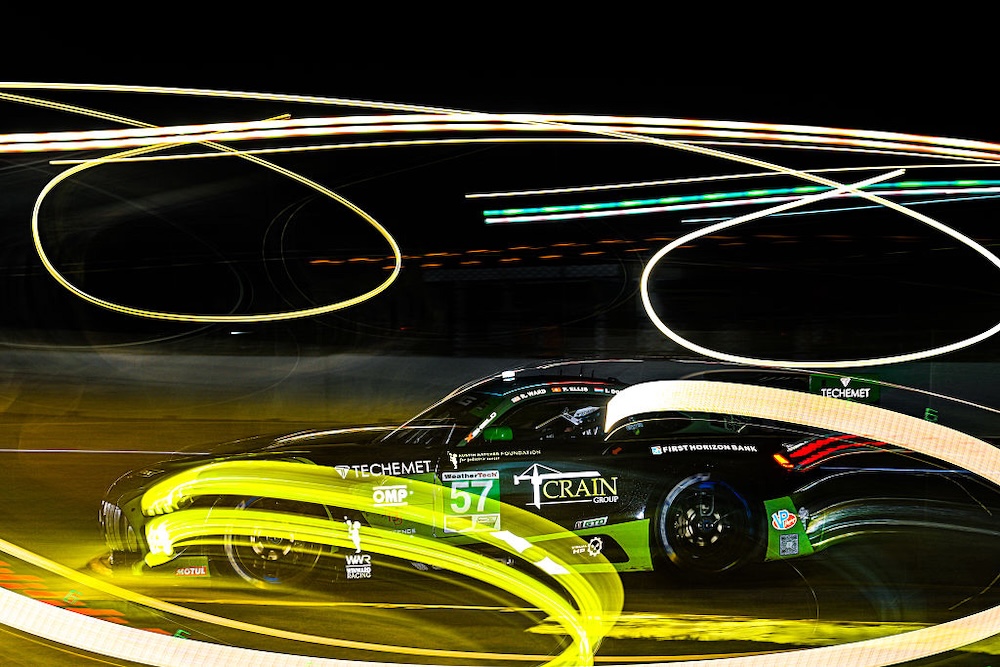
for all four classes of the WeatherTech SportsCar Championship on Friday, and within those documents, a new direction for vehicle governance is found.Using what it calls a "Technical Credential," the Daytona Beach-based sanctioning body has gone to new lengths to simplify and clarify the list of parts allowed with each model competing in its series. IMSA has also required the inclusion of all technical data – from CAD drawings to engine dyno results to wind tunnel figures – in each Technical Credential.
Related Stories
For any new or existing car (in any class, barring the spec PC category) to be considered eligible for competition, a new Technical Credential package must be submitted to IMSA. Its technical staff will review and approve (or deny) anything it feels does not belong with the car. The performance data provided will also be used, in concert with IMSA's standalone on-board data systems, to measure and compare any discrepancies should they arise.
This practice differs from IMSA's previous approach to the technical compliance with each car. In the past, carryover approvals, waivers and allowances from other championships – the FIA World Endurance Championship, or FIA GT3-based racing series, for example – were accepted and used.
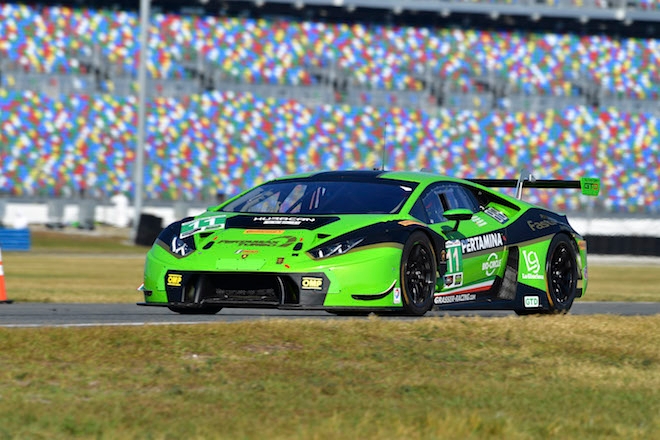
It meant an air restrictor approved for a Lamborghini Huracán GT3 competing in Europe would have been included in the car's recognized GT3 homologation standard when it raced in the WeatherTech Championship, but with IMSA's new Technical Credential system, the same restrictor, with a full set of drawings and performance characteristics supplied, must be provided to IMSA for a new round of reviews and potential approvals.
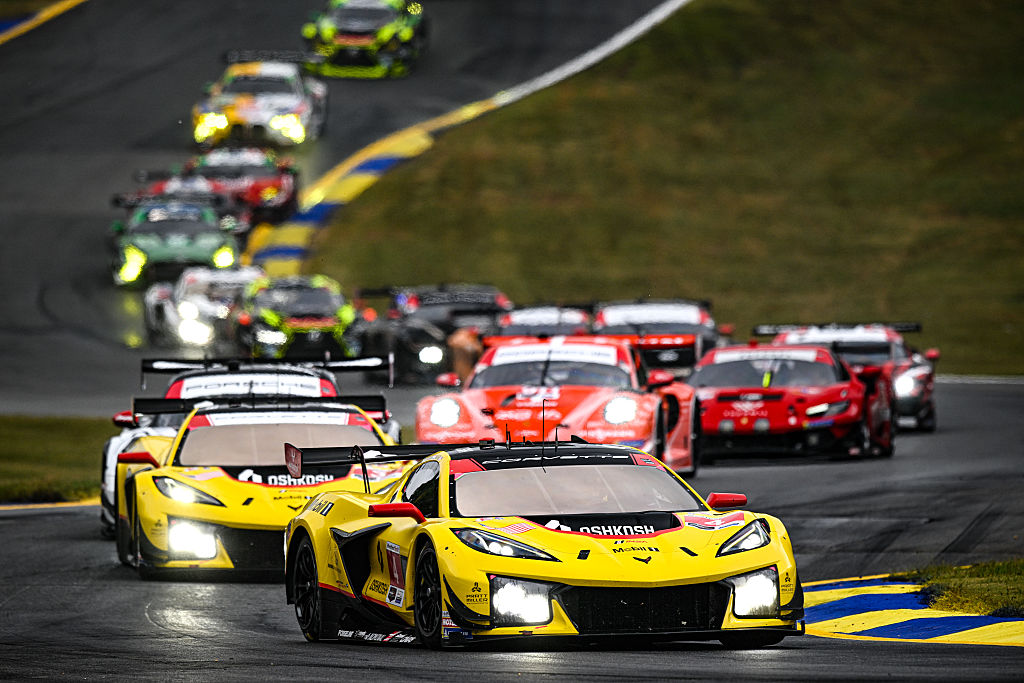
In basic terms, an FIA WEC GTE car, even with its full ACO/FIA homologation in place, would not be permitted to compete in IMSA's GTLM class until it successfully completed the Technical Credential process.
IMSA has also taken control of the information that makes its way into the final Technical Credential document. Rather than ask each manufacturer to fill out an endless array of forms and rely on the paperwork as it's submitted, IMSA has placed the burden on itself to populate each box with the correct number or piece of information. The completeness of each Technical Credential has also been assumed by IMSA.
The new-for-2017 process should, in theory, make it much easier for teams and technical inspectors to manage the legality of each vehicle during pre- and post-race technical inspection. By starting its own homologation dossier system and managing it from start to finish, lMSA should also be able to eliminate surprises and govern the legality of each car to a higher degree than at any time since its relaunch in 2014.
Additional changes have been made in the presentation of the technical regulations in verbal and visual language. Homologated items – areas that are closed for modification – have been changed to the color gray, and as an overarching rule, unless IMSA has written something is permitted in the regulations, it is not allowed.

Latest News

Comments
Comments are disabled until you accept Social Networking Cookies. Update cookie preferences
If the dialog doesn't appear, ad-blockers are often the cause; try disabling yours or see our Social Features Support.