WEAVER: Xfinity Series is the real throwback
This is what the NASCAR Xfinity Series should always look like.
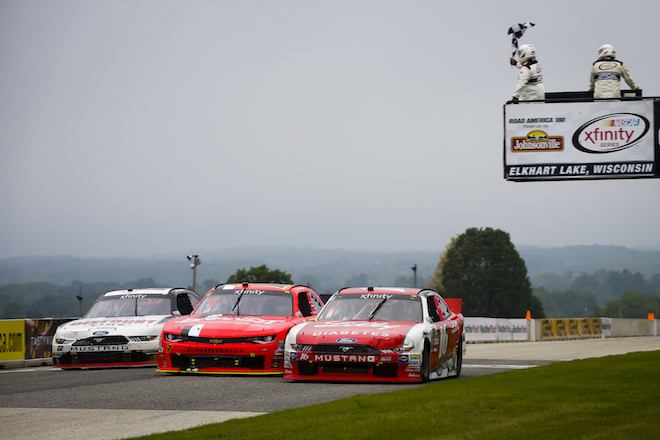
Over the past five races, the second-tier stock car tour has visited short tracks, road courses and stand-alone venues resulting in must-see television. While the entire industry will celebrate its heritage this weekend at Darlington Raceway, Xfinity has gone throwback for the entire month of August.
The races at Iowa Speedway, Watkins Glen, Mid-Ohio, Bristol and Road America have been closely contested, full of excitement and largely free of the elements that have made the tour hard to watch during the spring and summer.
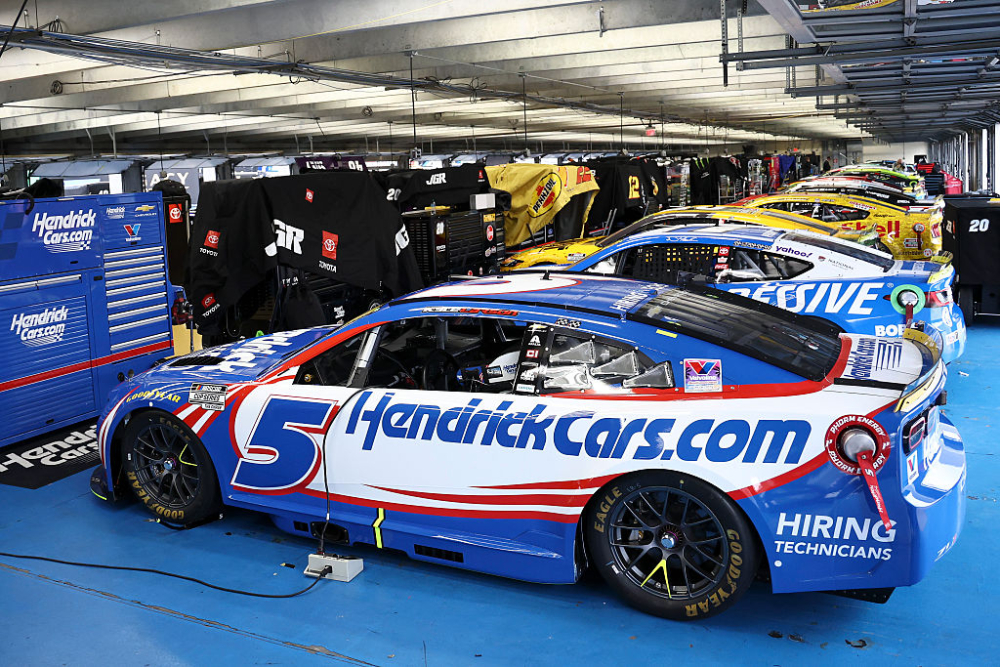
Kyle Busch is the most vilified face of the modern Xfinity Series thanks to his 20 wins over his past 56 starts. But that's really not the problem. The most glaring issue is an abundance of Sprint Cup engineering and a schedule that has largely become a carbon copy of its highest-level counterpart.
But this wasn't always the case.
This season, 28 of the 33 races on the Xfinity calendar are directly tied to a Sprint Cup event. That's 85 percent of the campaign. That's up from 26 of 35 in 2006 (74 percent) and 23 of 32 (71 percent) back in 1999 – the final season of the true Grand National Series.
For a division that claims "names are made here," the slogan really doesn't apply when only three championship-eligible drivers have won this season: Erik Jones, Daniel Suarez and Elliott Sadler. That's what made the past month so unique, special and captivating.
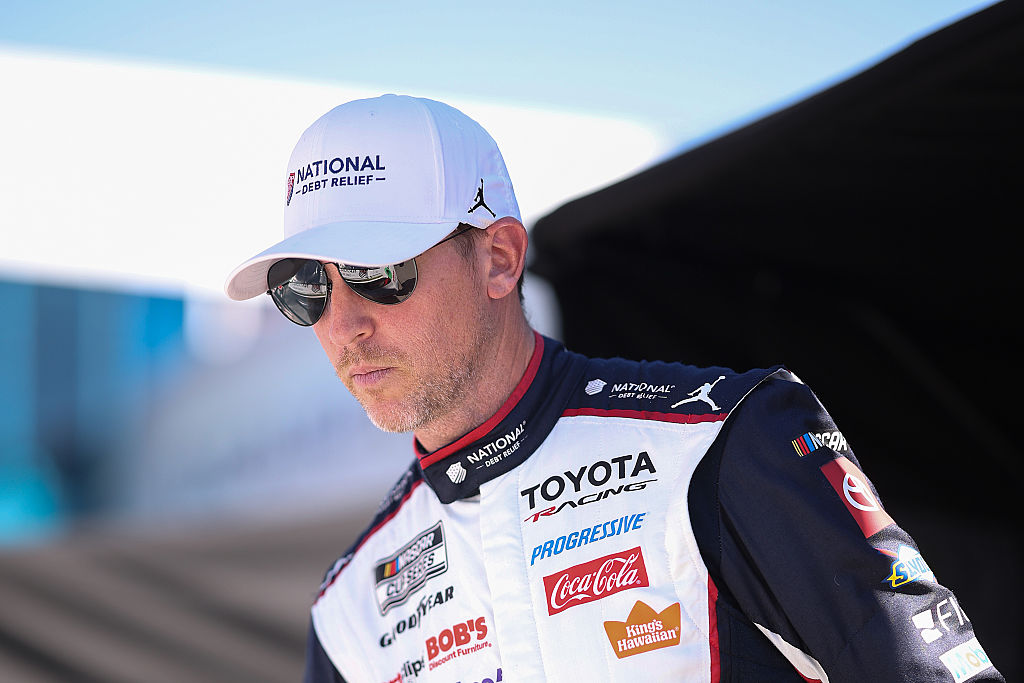
With an exception to The Glen and Bristol, August allowed the series to showcase both rising talents and the veterans who have made the Xfinity Series their home (including Justin Marks, pictured, who won his first career Xfinity Series race at Mid-Ohio). Busch has led 1,361 of his 2,068 laps completed, and that number was drastically higher before he crashed out of his two most recent appearances.
With all due respect to Busch and his No. 18 team, this is all the more reason to feature more short tracks and road courses. There's no way for him to qualify a half-second ahead of his nearest competitor or get away to a seven-second lead on tracks that are more engineering-focused.
That is, if he and his Sprint Cup contemporaries are even able to make the trip at all.
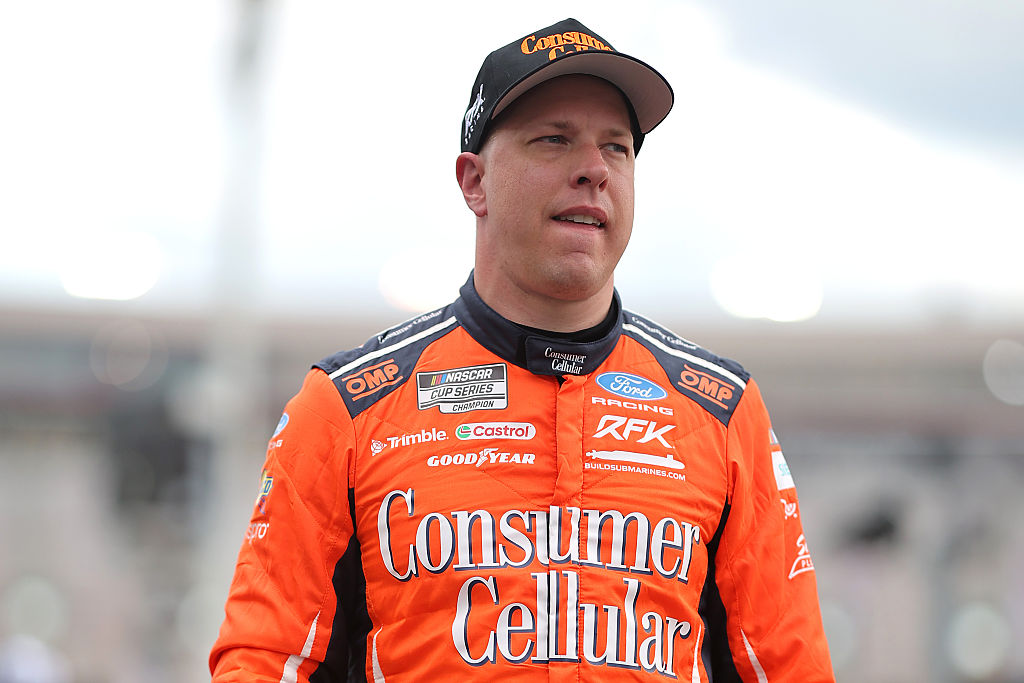
Instead, the likes of Justin Marks and Michael McDowell (pictured) have been able to win races. Corey LaJoie earned a top-10 at Bristol for JGL Racing. Jeremy Clements has made a late-season charge toward the playoffs due in part to races that minimized the effects of a Sprint Cup budget.
But most importantly, these races have been fun, and that's far and few between in the Xfinity Series lately.
It's been written before, but it's worth repeating: The series needs to return to Lucas Oil Raceway in Indianapolis and/or convert the Indiana 250 race at the Indianapolis Motor Speedway to a road course showdown. Literally no one was clamoring for an Xfinity race at Pocono Raceway while recently departed venues like Memphis, Gateway and Montreal are still fresh in our memories.
Of course, these are all pipe dreams that cost a lot of money and NASCAR has been forced to consolidate the three national tours due to the status quo. But this change (not to be confused for evolution) has sacrificed much of the personality and entertainment from what used to be weekly destination television.
At the height of NASCAR's rise in the late '90s, the old Busch Series was an exciting alternative to Sprint Cup. It spent months at a time separated from the premier division, visiting tracks like Fairgrounds Speedway Nashville, Myrtle Beach Speedway and Pikes Peak International. It toured alongside Cup just enough to be considered a useful training ground but had the diversity of schedule to provide the tour a distinct personality.
That's what the past month looked like.
It makes all the logistical sense in the world for the Xfinity playoffs to run alongside the highest level, but NASCAR should explore opportunities to allow it to stand alone during the spring and summer months. This is especially important given the need for championship contenders to win their way into the playoffs.
Give road course specialists in underfunded equipment incentive to compete for the championship. Ditto short track aces. As it stands, those drivers are mired well outside of the top 10 during races at Charlotte, Kansas and Pocono.
Names aren't made here right now, but a few changes to the schedule would certainly go a long way.

Latest News
Comments
Comments are disabled until you accept Social Networking Cookies. Update cookie preferences
If the dialog doesn't appear, ad-blockers are often the cause; try disabling yours or see our Social Features Support.