.jpg?environment=live)
INDYCAR: Tire degradation tipped to define Texas race
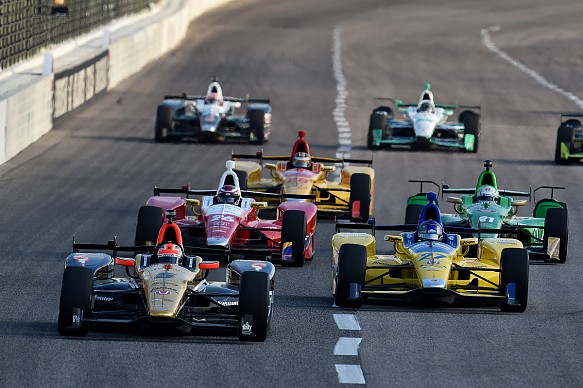
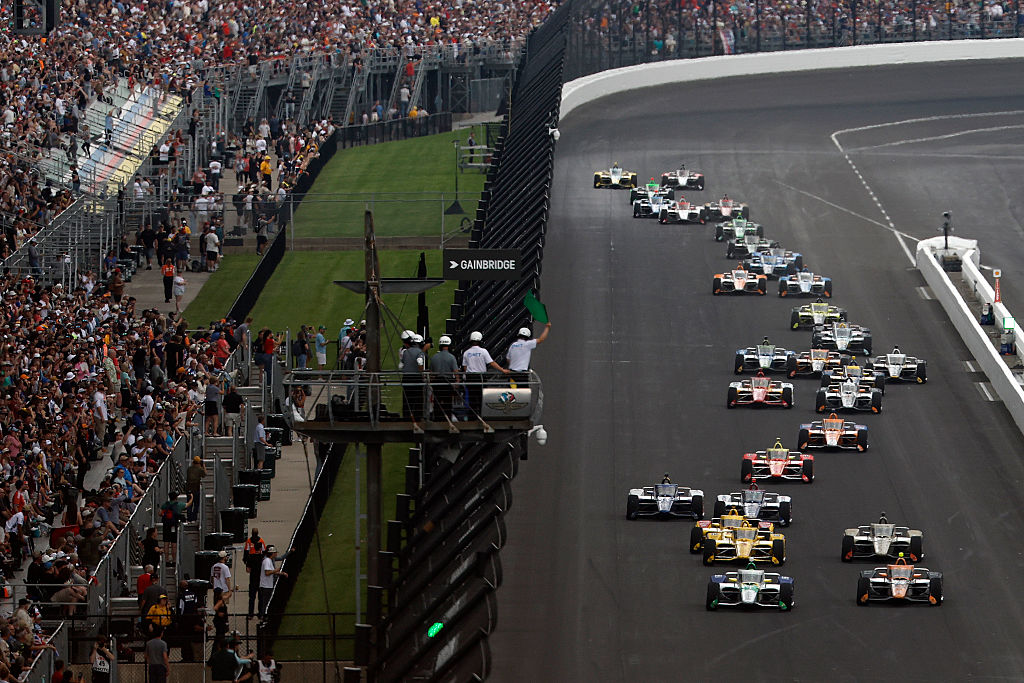
Verizon IndyCar Series drivers expect tire degradation to define Saturday night's Texas Motor Speedway race as the second-year aero kits race on a high-banked superspeedway for the first time.
IndyCar and tire supplier Firestone have encouraged degradation on tracks such as Texas since 2012 in their efforts to eliminate pack racing, alongside changes including aero set-up stipulations – much to the chagrin of track owner Eddie Gossage, who believes his venue produced "close" rather than pack racing.
Related Stories
A combination of Firestone's compound for banked ovals making its first 2016 appearance, the evolution of the aero kits and the abrasive Texas surface will make managing that degradation the key challenge.
race winner Scott Dixon believing it hit upon the correct high-downforce setup
– which he expects others to copy this time around."There's still going to be a good amount of degradation, but that's good for racing," said Dixon, who starts second alongside pole winner Carlos Munoz. "I think last year had all the components to make it a really close race. With what happened last year, I think you're going to see a lot of teams run similar downforce and pile it on."
That will be a compromise as those gambling on lower downforce will start stints much faster before their tires fade.
James Hinchcliffe said the high-degradation policy "makes it more challenging for us and makes the show better and keeps it safe."
"The impetus is on the teams and drivers to make the setup as easy on tires as can be, drivers to be patient and not go flat-out at the beginning of the stint," he said. "It's going to be a thinking man's game."
Munoz played down the importance of qualifying
after winning the pole, Helio Castroneves was relieved to qualify third as he thinks degradation will hamper anyone with ground to make up."If you are in the front you can save tires but if you are having to pass people there is no way you will be running in clean air so you can't save the tires," he said. "I think some cars will pit for tires before they need fuel."

Latest News

Comments
Comments are disabled until you accept Social Networking Cookies. Update cookie preferences
If the dialog doesn't appear, ad-blockers are often the cause; try disabling yours or see our Social Features Support.