IMSA: Rolex 24 Balance of Performance tables released
The results from the Roar Before The 24 are in, and IMSA has made a number of Balance of Performance changes to its classes for next week's Rolex 24 at Daytona.
Related Stories
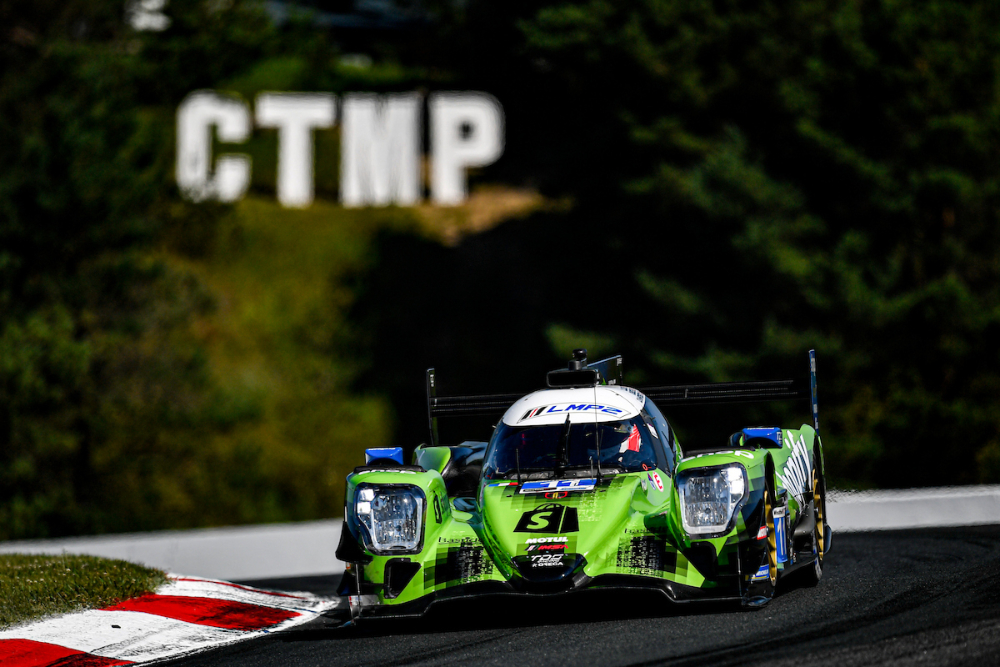
In Prototype, the Nissan V8-powered BR01 P2 chassis has received a weight break (-10 kilos to 880 kgs). Its fuel tank capacity has been set (76 liters) along with its refueling hose flow restrictor (33 mm). The DeltaWing DWC13 has received a weight increase (+5 kilos to 520 kgs). The Ligier JS P2-Honda, which led the most sessions at the Roar, has received a weight increase (+10 kilos to 950 kgs). Mazda's Lola P2, with its new gas-fueled 4-cylinder turbo, had its fuel tank capacity (78 liters) and refueling hose flow restrictor (33 mm) set.
The turbocharged prototypes also had changes to their rev-based boost pressures, with DeltaWing's 4-cylinder engine losing boost through its entire rev range, barring maximum RPM, Honda's twin-turbo V8 received gains at two RPM points, and a loss at one, Mazda has lost boost through its entire rev range, barring maximum RPM, and Ford's twin-turbo EcoBoost V6 has seen a loss at its peak RPM range. (IMSA set peak turbo boost for Prototypes – and turbos in other classes – at something close to zero for the Roar test which has been maintained for the race.)
In GT Le Mans, no weight changes were made, and only one air restrictor change has been implemented. Corvette Racing's C7.Rs have smaller holes to feed air to its V8 engines, and lost a total of 0.4 mm from the twin restrictors, which now have 29.9 mm openings to breathe through.
Turbocharged GTLM cars from BMW (sweeping boost reductions), Ferrari (sweeping boost reductions), and Ford (sweeping boost reductions) have had adjustments, except for peak RPM boost.
Fuel tank capacities and fuel flow restrictors for all five GTLM manufacturers have been set by IMSA for its big season-opening race. BMW's M6 (+9 liters to 104L, 33.5 mm), Corvette's C7.R (+6 liters to 92L, 32.0 mm), Ferrari's 488 (78L, 29.5 mm), Ford's GT (+3 liters to 98L, 35.0 mm), and Porsche's 911 RSR (+6 liters to 91L, 32.0 mm) represent the anticipated consumption and flow rates required to keep the cars on equal footing. BMW had the rear wing Gurney flap height increase (+10 mm to 15 mm total).
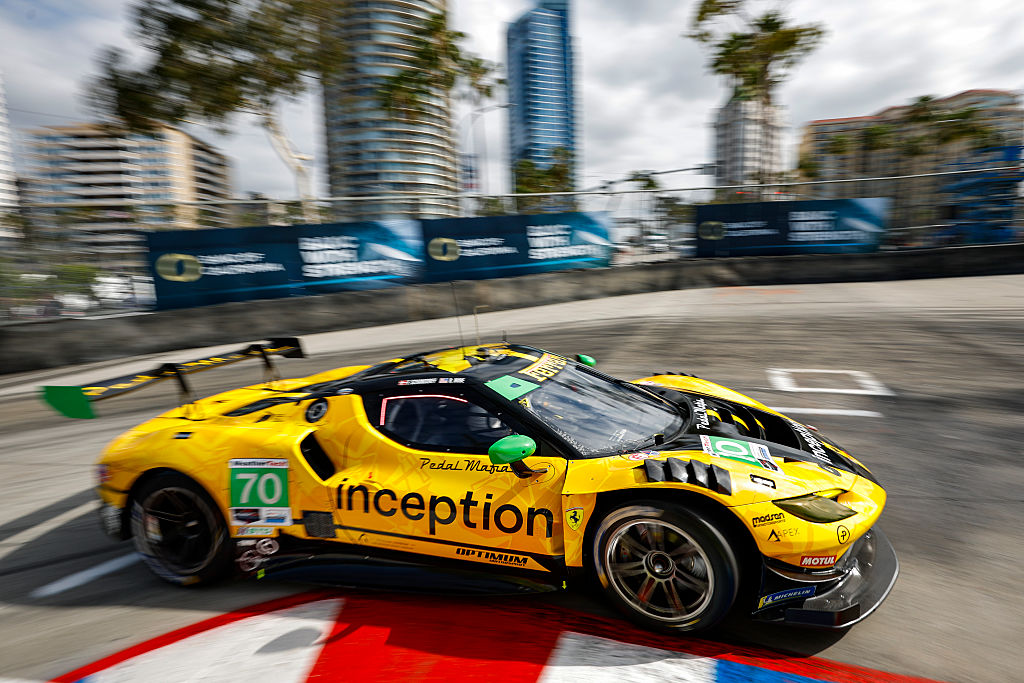
In GT Daytona, all eight models, with the exception of Porsche's 911 GT3R, received minimum weight changes and most also have engine air restrictor changes for the Rolex 24.
Aston Martin's V12 Vantage (-10 kilos to 1250 kgs, more airflow with +1.3 mm to 42.0 mm total), Audi's older R8 LMS (-10 kilos to 1290 kgs, more airflow with +1.7 mm to 54.0 mm total), Audi's new R8 LMS GT3 (+20 kilos to 1300 kgs, less airflow with -2.0 mm to 38.0 mm total), BMW's M6 GT3 (+10 kilos to 1310 kgs, adjustments throughout its boost tables), Dodge's Viper GT3 (-20 kilos to 1320 kgs, less airflow with -1.0 mm to 38.0 mm total), Ferrari's older F458 (-20 kilos to 1280 kgs, RPM limit -200 to 8200), and Lamborghini's Huracán GT3 (+20 kilos to 1280 kgs, less airflow with -2.0 mm to 37.0 mm total) have been modified for the race.
On the fuel tank capacities and fuel flow restrictor front, Aston Martin (+13 liters to 103L, 30.5 mm), old Audi (+3 liters to 107L, 34.5 mm), new Audi R8 (+4 liters to 90L, 27.0 mm), BMW (+9 liters to 104L, 30.5 mm), Dodge (+4 liters to 107L, 34.5 mm), old Ferrari (94L, 32.0 mm), Lamborghini (+1 liters to 90L, 27 mm), and Porsche (-1 liters to 84L, 25.0 mm) are locked in place. The only turbocharged GTD entry, BMW's M6, has received notable boost reductions throughout its rev range, barring peak RPM.
It's believed the changes made to some cars, and the unexpected lack of changes to others--some that struggled for pace at the Roar--is a result of the intensified data recording and analysis performed by IMSA. Using new, standalone data recording systems in each car (other than PC) to monitor driver and vehicle performance, the series was better equipped to determine which cars lacked speed due to BoP settings, and which cars were driven below their full capabilities in an effort to increase lap times and, hopefully, receive BoP breaks.

Latest News

Comments
Comments are disabled until you accept Social Networking Cookies. Update cookie preferences
If the dialog doesn't appear, ad-blockers are often the cause; try disabling yours or see our Social Features Support.