Derrick Walker on why he’s leaving IndyCar
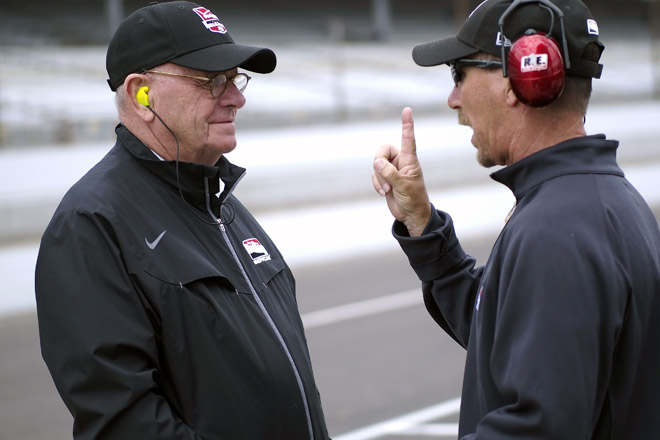
Derrick Walker is one of the most self-critical people in racing, and it’s with a heavy heart that he is resigning from his post as president of competition and operations at IndyCar. However, Walker remains upbeat and impressively defiant as he finally gets a chance to explain to RACER editor David Malsher the circumstances surrounding his direction and decisions since joining the series in mid-2013.
DM: I’m aware that you still have to work with these people for three more races so you can’t be as candid as you’d like to be… However, what led to your decision?
DW: I signed up with IndyCar on a two-year contract originally and have done more than that – almost two-and-a-half seasons – and in the few moments when I’ve had a chance to evaluate what’s best for me, I decided that focusing on my TUDOR Championship team was what I should do.
DM: How would you assess your own performance within IndyCar given the constraining circumstances?
DW: Until you come and work with IndyCar, it’s hard to imagine what it’s really like. I certainly wasn’t going to be one of those guys who just came in, fired everybody and regarded it as broken program that needed rebuilding from the ground up. I felt there was a lot to learn, and I was right; there was. Looking back there are certain things I would do differently with the benefit of experience. I think we can all say that about every aspect of our careers.
But the other thing people don’t appreciate is that change isn’t easy and there are a lot of variables and many components so that significant change takes time. It’s an evolutionary process, not something that can be done overnight. My perception before I came in was the typical competitors’ perspective – that changes should happen right away. So personally I feel that I needed more time to mark up the significant changes I had planned, but I’m proud of the team here given the resources at our disposal. Under the circumstances, I don’t think my contribution was a waste of time, and I enjoyed the challenges. But the number of challenges is as great now as they were when I joined – some of them are the same ones, some are different – so I’m disappointed to walk away from what I consider unfinished business.
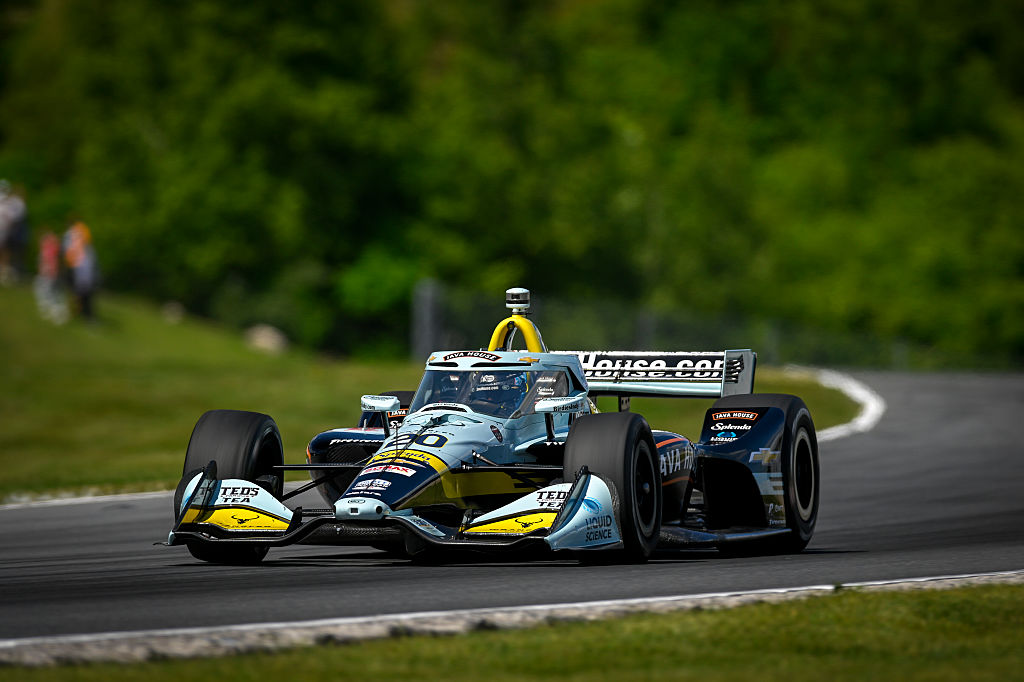
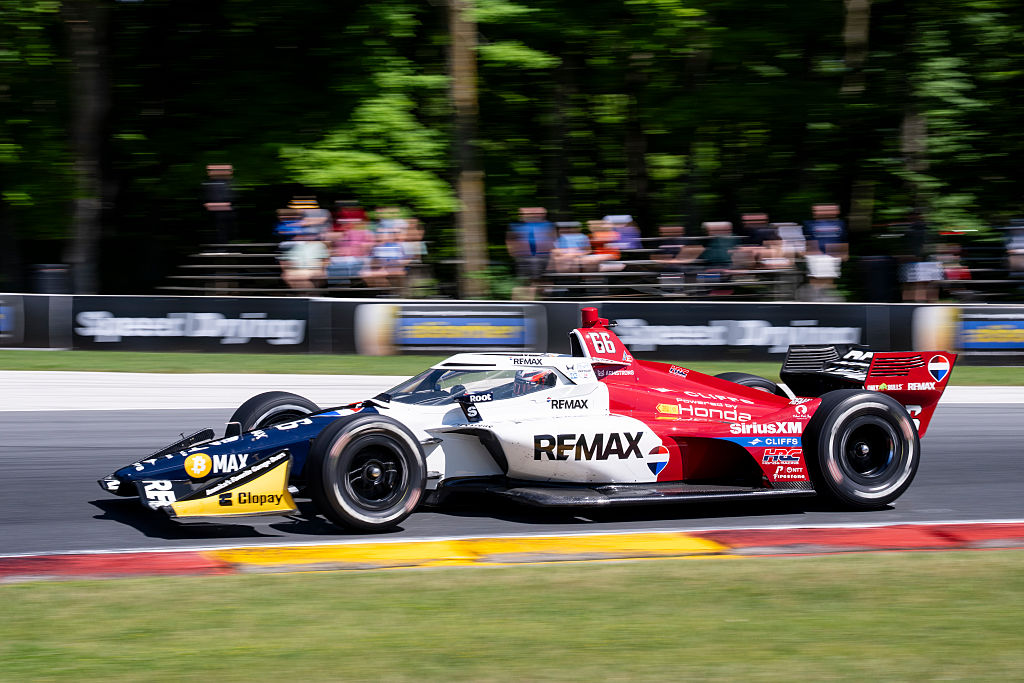
DM: The aero kits are something that have been a mixed bag for you in terms of praise and condemnation. I think we all like the fact that Chevrolets are very distinctive from Hondas, and I think fans also realized that the DW12 in its original form had served three years and so it was important that IndyCar was seen to move on. However, there were a lot of team owners who complained about the costs, and of course a lot of Honda teams were especially pissed that their aero kit was apparently inferior.
DW: The reason for aero kits was a valid one and it has proven to be a good direction for IndyCar. I’m not a big believer in the spec racing formula; we need variation. Well, any time you make change, there’s a transition period, a time to knock off the rough edges. The manufacturers wanted maximum time to develop the kits and so initially there was a shortage, so teams didn’t get them until later than they’d like and we saw there were issues with the structural integrity of some of the parts.
But the complaint about the costs… Yes, replacing parts costs money, but they were heavily subsidized by the manufacturers and still are to this day. We made a prediction and told the team owners that it was going to cost $350,000 per car over a two-year period. And to date we haven’t exceeded that. The main thing that has made this a bigger discussion was that Honda’s aero kit was not where it should be, in the opinion of Honda and its teams. This affected those team owners’ ability to sell sponsorship and therefore hurt their bottom line. Had that not been the case, I don’t think you’d have seen the same level of frustration about aero kits. You buy a complete kit for $75,000 which is subsidized by the manufacturers and then goes up to $92,000 for extra parts; it’s not like it’s off the charts cost-wise. But the collective of crash damage and the changes that were made to the kits have caused some hardship for some teams, and I recognize that.
However, this aero kit concept was never supposed to be about making the racing cheaper. Aero kits were introduced because the original DW12 had been basically the same for three years, the change would evoke interest and discussion among the fans, provide a technical challenge for the manufacturers and allow them to have a brand identity on track rather than just a logo stuck on their cars. And the idea was that this was a step toward changing the dynamics of our plan for the 2018/19 car – which is now, it seems, no longer on the table.
But I should point out that when we tried to introduce a spec damper to save costs, no one wanted to give up their damper programs. And there are some teams who I believe are probably spending as much on their damper programs as they are on aero kits, and what do dampers add to the spectacle? So I think it’s important to keep these things in perspective, even if I’m aware that ultimately it is the team owners who have to pay.
DW: I don’t know how to answer that. Or if I should…
But I will stand behind the aero kit decision because I think having innovation is good. I hear or see far more discussion from the fans about the racing, and how Honda are catching back up and Chevrolet are better at this type of circuit and so on. And the team owners need to realize that with the 2018 car apparently scratched, the investment they make now in aero kits will have benefits throughout the aero kit era, through the life of this car, and the upgrades will be heavily controlled price-wise. If certain team owners believe no change and no evolution was necessary, then I guess they would consider aero kits a failure. If we want to be perceived as a series making forward progress while keeping costs down, I think the kits are good.
And like I said, if both kits were on par with each other, then I don’t think this would have been a negative point for the team owners. And look at Honda now? They’re really fighting back.
DM: One of the problems you’ve been laboring under, and it’s particularly relevant to our next topic, has been the lack of independently attained wind tunnel data. What kind of money would you need and, also, is there a temptation of going the “Balance of Performance” route to help out a struggling aero kit manufacturer, as you’d be the only group with a verifiable back to back comparison of data?
DW: Well first of all, IndyCar is like a team in that you can never have enough money, so you could spend as little as $200,000 or as much as $1m in a wind tunnel acquiring this data and employing the personnel that would know exactly how to understand the data being attained and what to do with it. You’ve got to look at performance and safety in those circumstances. You want to monitor downforce levels – maximums – and you want as close a race as possible. You don’t want half the field disenfranchised because they went with one manufacturer rather than the other.
As for BoP, we don’t really want to go there because when you look at that as a series, we’d need a lot of capability that we don’t have currently to monitor all the possible parameters. That would be a lot of expenditure for something we don’t even want to be. However, we do recognize that if a manufacturer has some issues and applies for the chance to change, we’ll listen to their issues and find out if they have a case, what their proposed remedy would be and we have to recognize that there are teams’ livelihoods and fans to consider.
That’s the complicated way of doing it in a short-term manner. However, the whole aero kit plan is to gradually open up what we call “volume boxes” for the manufacturers to develop. In 2016, there are three areas of development to let them do more work, in 2017 there are more, and so on, basically performance upgrades on their aero kits, and these are cost-capped. It’s not like we’re suddenly escalating the costs for the team owners; they’re locked and heavily subsidized.
If Honda had approached us after a couple of races and said, “Look, we have a problem, here’s what we’d like to change,” we had the rules to allow them some development latitude.
DM: OK, moving on… The tide really seemed to turn against you during the Month of May. Airborne cars, and then the sudden decision to insist on raceday trim for qualifying. It may not have been as chaotic as it seemed, but the message that reached the media and therefore the fans seemed badly managed, let’s say. And what you’ve never really had a chance to do since then is explain your perspective.
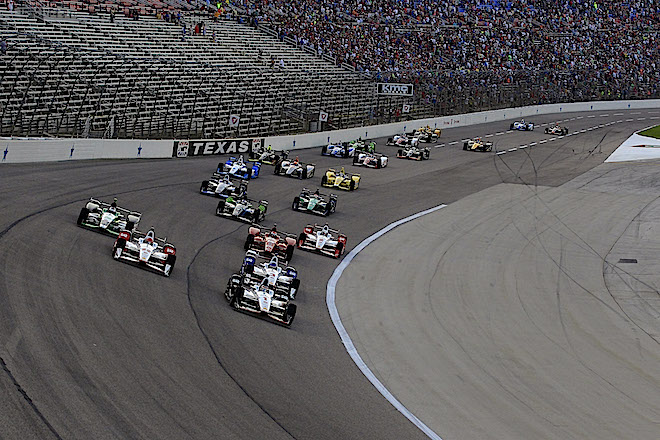
DW: When cars start flying in the air, that’s quite an unusual set of circumstances. Because all three of the cars that did it were Chevrolets, there was a temptation to assume it was just a Chevy problem. But we didn’t have the data so we were relying on the manufacturers to give us the data on computers – there’s no wind tunnel designed to evaluate the effect of lift when traveling backward at X mph – and each of our manufacturers use slightly different processes to create the data. So after the third crash, on the morning of Pole Day, and with still no definitive data available, the only thing I could think of doing at a pinch was to insist on race downforce so the cars were less likely to spin and possibly flip. We had seen three drivers get out and walk away from flip overs; how long do you keep pushing the odds of, God forbid, hurting a driver?
Now you could say that this had only happened to Chevys, so it was up to them to fix it. But we hadn’t seen a Honda in the same circumstances of traveling backward at 200-plus mph. The spins had come because the Chevy was more critical handling-wise when running minimal downforce; but we had nothing to prove that if a driver overstepped the edge in a Honda that it wouldn’t do the same as the Chevy. So I made the decision across the board that cars would qualify in race downforce. A big deal was made about us supposedly “robbing” Honda of the chance to go for pole, but since that day in May, we have received the data that showed that had a Honda reached the same angles of yaw as the Chevy, it too could have flipped.
DM: What happened to self-responsibility for consequences? If I hold a pot of boiling water over my head and tip it, that’s my own stupid fault when I get scalded. The pot doesn’t get redesigned just because someone used it in a manner that the manufacturer never intended. Well these cars aren’t supposed to be driven backwards at 220mph, so if a driver spins, surely the responsibility is on him not to do that again, rather than regulate the cars so that they’re less likely to spin (and therefore easier to drive).
DW: Well, I guess I care about our drivers and our fans to not put them in a position where they have little or no chance to defend themselves. In the old days, they did used to race like that and a lot of them aren’t around to tell us about it. I think we know better now. There’s plenty of risk out there for everyone; we don’t need them to go through a higher level of what I would call unnecessary risk for the sake of whatever…. Besides, we’re talking about flying cars here; you don’t know where the car might land, and I’m not prepared to stand idly by if there’s a risk of a car flipping into the bleachers. They came to watch a sport, not dodge debris.
So again, I’d take the same decision as I did back then regarding downforce levels, and data obtained since then has proven it was the right decision.
DW: There are variations on a penalty and there are guidelines the stewards can choose from, yes. To use your example, to get a drive-through for one of those infractions that happened inside your pitbox and didn’t hurt a team member, we felt we should let the show continue and not put such a severe penalty on the driver. All drivers make these errors, and to pretty much guarantee putting them out of the race for such a small mistake seemed over-harsh. So we endeavored to devise a system where the penalty would fit the crime. We’d rather make a monetary punishment than something that took away from the race as a whole. If you make an error that disrupts or ruins someone else’s day, then the punishment ramps up quite severely.
By comparison with NASCAR, we don’t have the multi-screen facility monitoring all the pitboxes. We have a limited number of personnel covering multiple cars, and sometimes things are missed until later when we examine videos. Some teams get away with things occasionally, so inevitably we get accused of being inconsistent. But every time we find it and we make good on it.
We admit we screwed up on Graham Rahal’s pit stop at Fontana but the view of the nozzle breaking off and going down pit lane was not seen by Race Control even though TV feed did capture it. Had we seen that, we’d have given him a drive-through. Instead, when we called the yellow, we didn’t go back and change our verdict from a post-race penalty to a drive-through.
Why did we not see it in the first place? Well, I went to our TV production team and asked what cameras we had. We have a wall of screens, but we don’t have all of the camera feeds, – not by any means, in fact. Of the 23 cameras we had that race, we in Race Control might not see more than half of them because there are in-cars, pitlane cameras, roving cameras, and so on. Our plan for the future was to have a dedicated network of cameras but we have not had the resources to do that. So when I was called to the TV booth to explain why Graham wasn’t punished, I saw that replay for the first time, and I was genuinely shocked. I asked Brian [Barnhart] and he explained it was a roving camera that was pointed in the right direction at the right time. So I insisted that from then on, I have a map of where every camera is at each track, so if we don’t automatically have a feed that we need, we can ask the production team for their feed from a particular camera.
DM: Do you think you’ve had more infractions to deal with than you would have, say, 20 years ago? In other words, has driver discipline taken a dive? Or have the rules increased? If you scan through race reports or annuals from a couple of decades ago, there was nothing like the number of in-race or post-race penalties back then…
DW: I think we see a lot more now and the replay equipment is more instant. And most of them are about safety, so they have to be imposed. As for the racing, well, this winter the plan was to bring in a select group of drivers to discuss footage that we’ve assembled of on-track incidents and ask them how we feel we should best police the series. We’re seeking to be less overbearing but also create a code of conduct easily understood by any driver coming into the series.
So there have been some good aspects to how we’ve changed Race Control over the past two seasons. The steward system is a work in progress, and we need more drivers in there, more often, because they spot things that we don’t, necessarily. But I think once we have all the tools needed, we’ll have one of the best steward systems in racing. There are no more accusations of bias that have been the hallmark of all previous systems.
DM: I discovered from an independent source – or not you, anyway – that you had your budget cut radically this season. Are you able to go into how much this has tied your hands?
DW: Hmmm… Well, I don’t think I should go into that while I’m still on the job! Plus it would sound like an excuse. It would be safer to point out that I was not born into this world as an IndyCar official, so I’ve been doing a lot of on the job self-training. Some of the decisions I’ve made, in hindsight, I would do in a slightly different way but not with different aims. I think we’re heading in the right direction in bringing back innovation to the cars but in a gradual way, without blowing costs sky-high. And with more time I know I could have made a difference so I definitely have this feeling of unfinished business.
DM: OK, let’s put it a different way: were you spread too thinly?
DW: Definitely.
DW: Sometimes, yeah. But they’re interrelated, too. And I admit that part of my attraction to this role was the sheer range of subjects thrown your way. Very appealing. So I’m appreciative to the company for the short time I had.
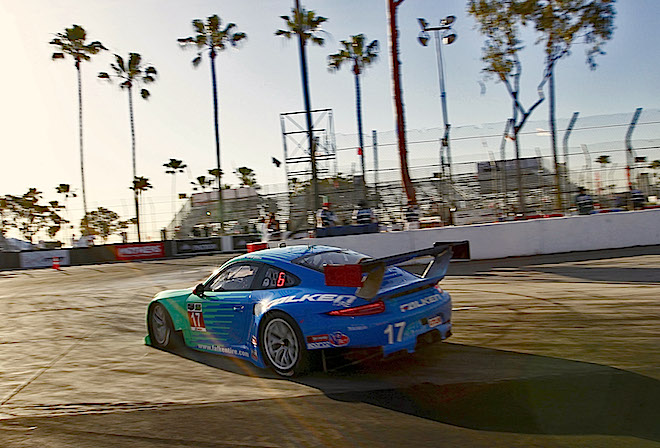
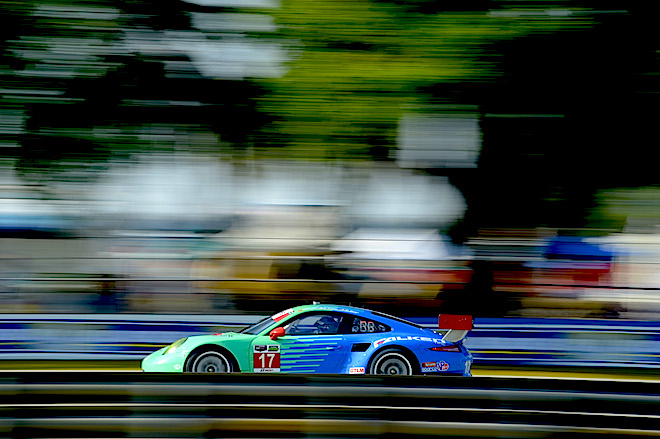
DM: You’re not shuffling off into quiet retirement. Are you continuing in the TUDOR Championship despite the loss of Falken Tire sponsorship?
DW: Yes, that’s the plan; to tie down some deals to carry on in TUDOR. Phil Howard [team manager] has done an excellent job of managing the team while I’ve been “away” and if there’s something else in racing that involves consultation or hands-on work, I’m certainly open to it.
DM: And now you’ve seen it from the other side, would you still be interested in returning as a competitor and running an IndyCar team?
DW: If I found the funding, I’d be there in a New York minute. I still have my race shop and some good people working for me. And of course if I came back, I’d be bitching about Race Control and aero kits…

Latest News
Comments
Comments are disabled until you accept Social Networking Cookies. Update cookie preferences
If the dialog doesn't appear, ad-blockers are often the cause; try disabling yours or see our Social Features Support.