.jpg?environment=live)
Want A Race Car? Start With A Street Car
Subtitle:Keith Burton Talks About The Process Of Converting A BMW 128i For The Track
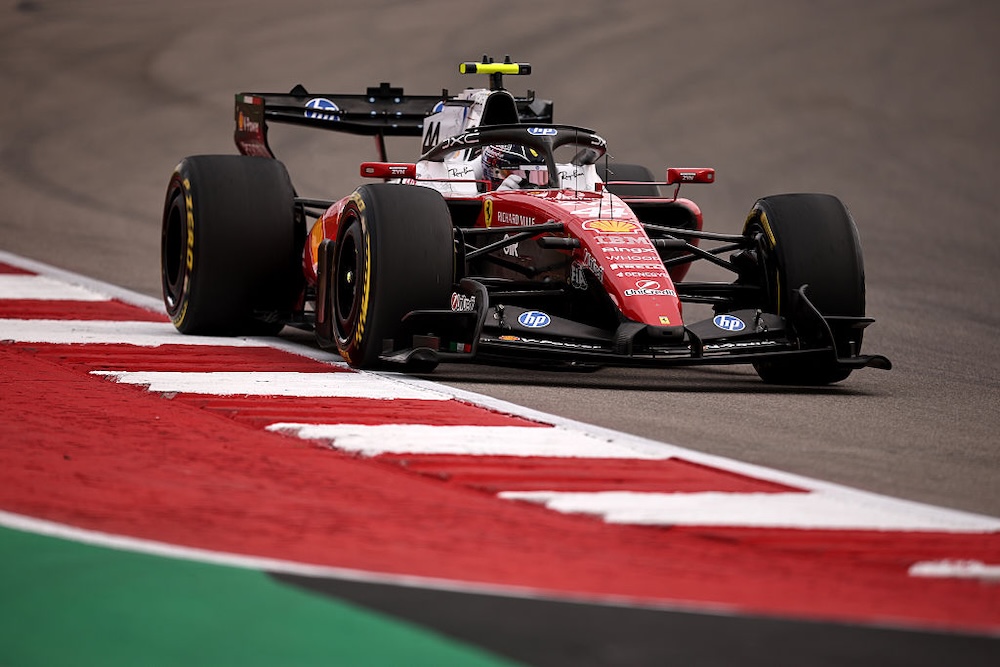
Want to race in the Continental Tire SportsCar Challenge? You can start off with a visit to a local used-car showroom. Many of the cars in the series – including the 2015 Daytona-winning Rum Bum Porsche 911 – started life as street cars.
IMSA.com asked 2013 Street Tuner (ST) championship-winning car owner Keith Burton what it would take for him to build a race car similar to the No. 23 Automotive Chemicals BMW Group/Excelda Manufacturing BMW 128i raced by Terry Borcheller and Mike LaMarra.Burton said he could have a car ready to race in about one month – although he’d prefer longer. First though, visit a used-car lot.“Almost all of the race cars in our series started out as street cars,” Burton said. “They’ve had a few miles on them – even the newer cars.”At one time, teams could go to a dealer and order a “body in white” from the factory, a stripped-down version of the street car. This was a “motorsports tub,” without any undercoating or accessories. “You’re better off trying to find a really good, 30,000-mile street car,” Burton said. “That would be a good donor car, and we can start from there. I have in the past built a BMW 128i from a completely stock 100-percent street car and put it on track in less than a month, decaled and painted. However, two or three months are more realistic.”The first step is to strip out the car’s interior and accessories. Sorry, no AC to keep cool on a hot day at Watkins Glen or radio to listen to during caution periods.The next step is installing a complete roll cage, not only for driver safety but to stiffen the unibody.
Next are the touches that make the vehicle a race car.“One of the larger pieces of the puzzle that can be more of a time challenge is the construction of the electronics. Every time you build a new car, you refine the engineering and design of the loom a little, then you have to construct that and get it fully laid in. It’s a critical piece in the middle of the car build that’s got to be in at the right time. Then you’ve got to fully configure everything, getting all the bugs out and get all the alarms set just right.”Other parts for racing – including the fuel cell, the coolers and data systems – set the race car farther apart from the street version.“It’s a highly modified car electronically, but mechanically – suspension, engine, the driveline, the unibody – it’s very similar to what you drive on the street. It’s modified according to rulebook to live in the conditions that we run them in. The lateral G’s you encounter are much greater than the ones you face in street driving conditions. To get it to handle those conditions, you’ve got to do a lot of things within the rules to get the tire to grip the surface – working with the bars and diff and dampers.”While the factory AC and BMW stereo system had to go, the driver will have comforts to compensate for the loss. A racing fresh air system supplies fresh air for the driver’s helmet, while a cool system runs water through tubes in the driver’s undershirt. The stereo is replaced by a start-of-the-art radio that enables the driver to talk to the pit crew and also receive important information from race control.Despite the addition of the roll cage and other racing systems and safety equipment, the 3,250-pound street car has been stripped down to a lean and mean 2,700 pounds – increasing the power-to-weight ratio.Would it be possible to convert a current race car back to street specifications?“Impossible,” Burton said. “The reversing process would be counter-productive. We cut away too much of the original car, in addition to welding parts of the roll cage. You would really hurt the integrity of the car by cutting out the roll cage. That, plus all of the labor to put everything back, would make it far easier by starting off with a donor car.”
Read full article on Press Room IMSA

Latest News
Comments
Comments are disabled until you accept Social Networking Cookies. Update cookie preferences
If the dialog doesn't appear, ad-blockers are often the cause; try disabling yours or see our Social Features Support.