IMSA: Chevy monitoring 2017 P2 developments
looming expiration date for the DP class
an unfortunate reality to consider.It also presents an opportunity for Kent and his team to evaluate Chevy's continued presence in the TUDOR Championship's Prototype class as P2 coupes become the category's future.
"There's been a lot of dialogue, a lot of meetings on how we could possibly take the two and come up with one common platform," Kent told RACER. "Manufacturers, Chevrolet and everybody else can take a look at it and figure out where could we possibly play?"
The joint ACO/FIA/IMSA planning commission continues to zero in on a set of unique P2 rules for 2017 that would also have special provisions for the TUDOR Championship like custom bodywork. A move away from the current production-based engine requirement is also expected to be confirmed, giving GM two options to evaluate for whatever might replace the current Corvette DP.
"There's really two paths that have potential," Kent said. "One, is there has been talk about manufacturer-specific body parts. Until the rules come down, we don't know what we can make the car look like. But if the rules come down to where they are attractive to Chevrolet and other manufacturers, that could be a path for us.
"Another path could just truly be an engine technology path, where if we can't get enough character in the [bodywork], then maybe putting an engine platform in a car like a Ligier could offer us the opportunity to continue in the prototype class, because our participation in the prototype classes has been great."
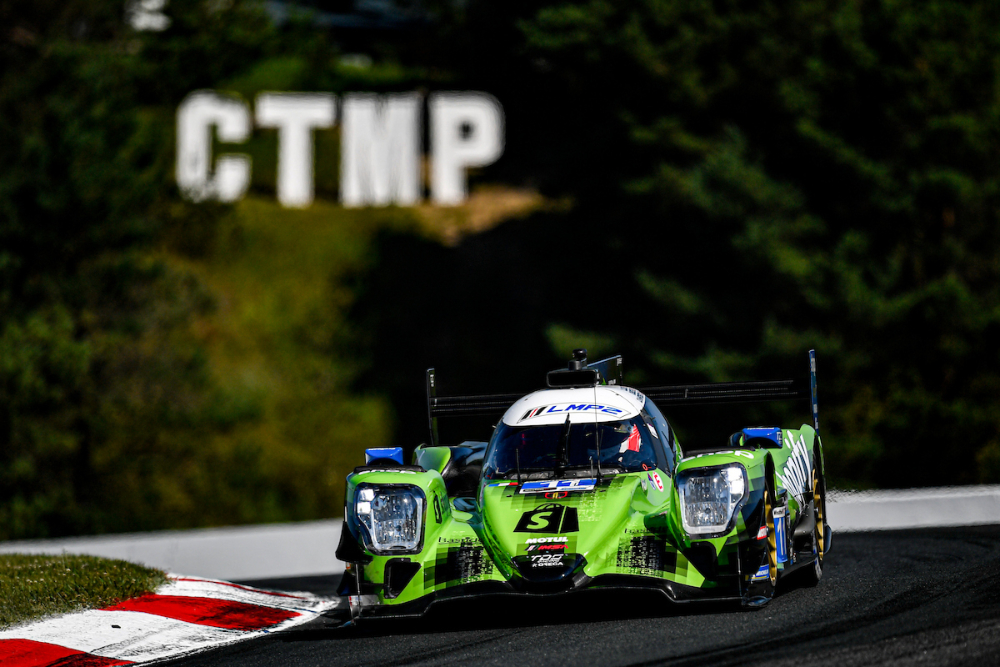
Kent's last comment is rather interesting. The 5.5-liter V8 Chevy engine that powers the Corvette DP is too big and heavy for a P2 car, nor was it designed to work as a stressed chassis member. GM's new 3.6-liter twin-turbo V6 that powers Cadillac's ATS-V Pirelli World Challenge entries, however, would be a solid candidate for IMSA P2 development and modification. A new engine could also come into play as the P2 class heads toward rules that no longer have a production-based requirement.
If GM were to move into P2 with bodywork and engines, it's worth pondering whether it would commission a kit similar to the Corvette DP that was fitted to multiple chassis, or a single firm like Riley Technologies would get the nod to produce an all-American chassis and bodywork solution to carry a Bowtie powerplant.
The closer the upcoming P2 regulations mirror the current DP rules, the stronger the chance of retaining GM. From the ACO's perspective, P2 is a privateer category where auto manufacturers are prohibited from fielding their own programs. With the direction IMSA's heading in 2017, it appears that would change—at least in the U.S., where Chevy, Mazda, and other marques could freely compete with works-assisted efforts.
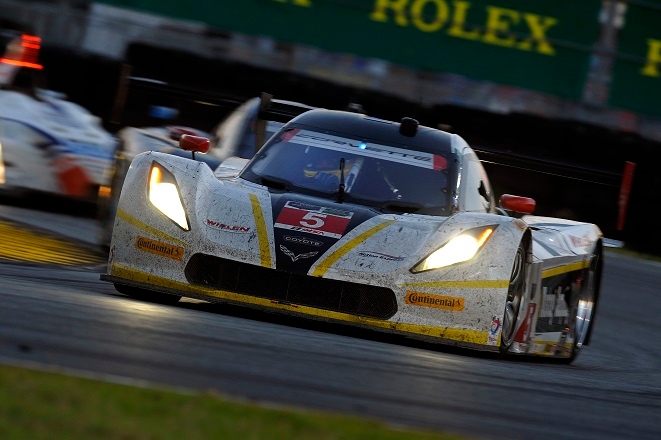
"If you look at the interest of the Corvette Daytona prototype, it's the benchmark of what can be done in this [DP] category, including the new C7 features we've come up with this year," Kent noted. "We like the platform. We think it offers us a great opportunity. But, again, we need to look at it from a business standpoint and figure out what makes sense for us to go forward."
If odds were being given on GM continuing with a P2 car, it would be favorable at this point. Another key attraction for GM is the tech transfer opportunities in the Prototype category that would add to their current endeavors in IndyCar, NASCAR, and IMSA's GT Le Mans class with the Corvette Racing C7.Rs.
"We always look to maximize the technology transfer, and it's not always part for part, it's not always taking the block from the racecar and putting it directly in the streetcar," Kent explained. "It's learning from participating in motorsports. It is developing aerodynamic tools, racecar applications that you can then apply to production cars and make the production tools better. We did that with the C7.R where when we were coming out with the supercharged ZR-1 Corvette, and the production group didn't have the advance aerodynamic tools to understand what their car was going to do at 200 miles an hour. Was it going to stay on the ground or was it going to fly?
"We engaged our racing partners, we used our aerodynamic tools from racing, applied it to that car and then took those learns and made our tools stronger. That is just an example. When we look at IndyCar, people say you don't race, you don't build open-wheel cars. But we learn by direct injection, small-displacement turbos – you learn in that environment and take those learnings back to production. Again, not part for part, but theory to theory, material to material.
"As you look forward here in this class, does it have to look like a car we sell? No. Would it be nice to have styling cues? Yes. Does the engine have to be production based? No. But should it have technologies that are relevant to production? Absolutely."
Kent says a round of updates from the sanctioning body has brought more clarity to the process of deciding whether GM will go forward with the new P2 rules. Provided the 2017 committee delivers the regulations by summer, an answer could be known before the end of the season.
"We recently met with IMSA and they provided an update on their progress with the development of the 2017 P2 regulations," he confirmed. "Once IMSA's engine, chassis and body regulations become more solidified, we will evaluate if our continued participation in the prototype class makes good business sense for us."

Latest News
Comments
Comments are disabled until you accept Social Networking Cookies. Update cookie preferences
If the dialog doesn't appear, ad-blockers are often the cause; try disabling yours or see our Social Features Support.