Clive Mason/Getty Images
Bumps in the road for F1 drivers’ love affair with COTA
There’s a chance this weekend is a coronation of a new Formula 1 world champion, and even if that isn’t the case, it could well be another massive weekend of racing in Austin.
The signs around Circuit of The Americas read: “Welcome to America’s biggest sporting event!” It’s a claim that will almost certainly generate a response from Indianapolis, not to mention the NFL and its Super Bowl organization. But could a defining feature of the track become the biggest story this weekend?
It’s hard to imagine anything will overshadow Kimi Antonelli’s title if the stars align for him to become world champion on Sunday, but Max Verstappen is already signposting an issue that he fears could prove a major hurdle that needs to be overcome, both over the next three days but also in the long term.
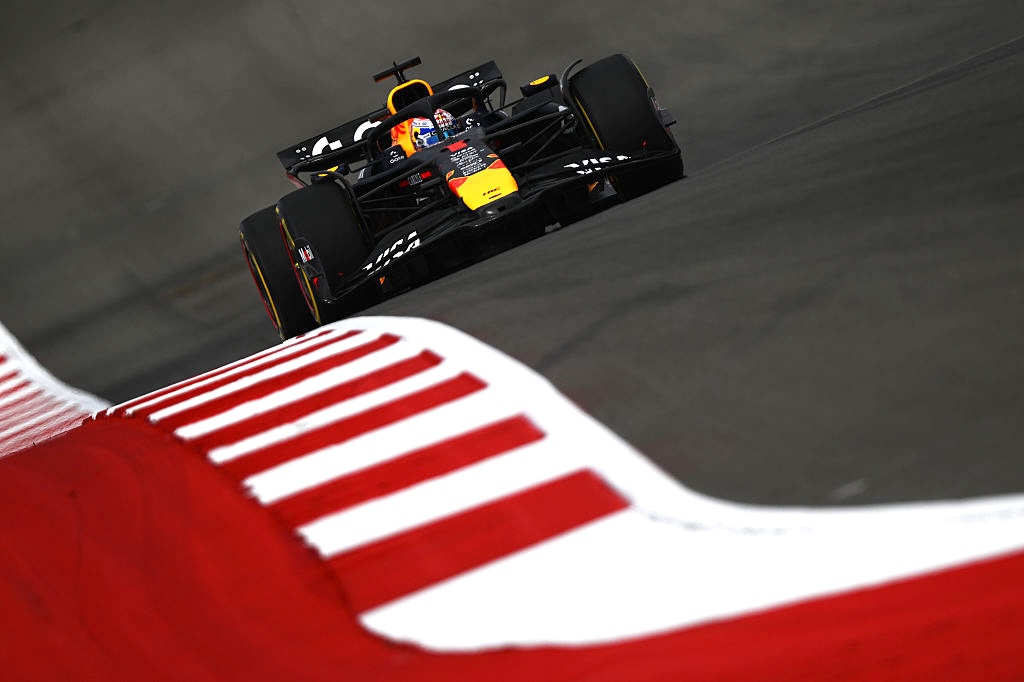
“You see also the track state from what I saw in WEC – it was extremely badly bumpy,” Verstappen said. “So I’m not really looking forward to that, to be honest, for your spine.
“I was joking about that, of course, in the last race. But it’s not really a joke, to be honest. Because we mentioned this already for years that it’s actually getting a bit out of control. And I’m sure that it’s going to be quite tough to find the right compromises around this track, in places where it’s just extremely bumpy.”
The ground effect cars were deemed particularly problematic for drivers, given the need to run the cars as low as possible to generate performance from the floor, but also stiff to deliver a stable aerodynamic platform. Verstappen says the latest generation of car is actually more severe when it comes to ride heights, because the reduction in downforce in Straight Mode prevents cars bottoming at top speed, and means they can run lower overall.
“It’s probably worse because we have very low ride heights in cornering, because on the straights you have the SM mode, so you go up,” he noted. “So in most places on the braking, especially, you actually bottom out more than before, because most of the bumps are on the braking or in the corner, not on the actual straight.
“But it’s very bad. And of course, you can use the excuse that the soil is the problem. But then you should have known that, and you need to make sure that you reinforce it more.
“I love this track. I love this place. Like, it’s one of the best layouts ever. And it’s one of the, I would say, best venues, best cities to be at. But for me, the bumps that we have are unacceptable.
“Over time, they’ve been grinding a little bit here and there. But it’s just you’re putting a plaster on the big problem. And that’s just what’s coming underneath, and that’s what you need to actually tackle in the first place. But that, of course, means you need to really fully open up the track. That costs a lot of money and time, but honestly, that’s the only way to get rid of it, because these bumps are not natural. And they are out of control.”
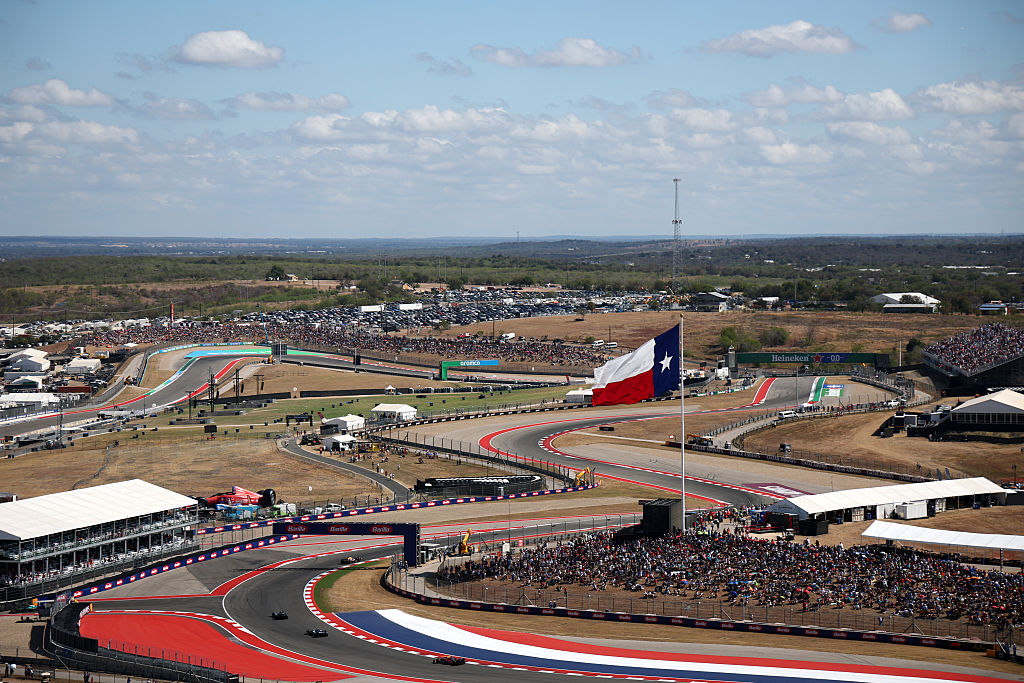
While COTA’s layout and setting are among the most popular on the F1 tour, the realities of the rack surface are starting to bite harder. Jared C. Tilton/Getty Images
Bumps on a racetrack are often very much part of the character and challenge of a venue, and teams will set their cars up accordingly. But if the machinery itself is able to withstand the impacts, then the driver becomes the limiter, and Verstappen says the situation at COTA is getting beyond an acceptable level.
“Last year, for example, you pull around 5G or 6G in a corner, but I had some impacts, like vertical load, which was over 9G on my spine,” he explained, “which I can tell you is really not fun. And especially the older you get, you think about that more and more. That’s not what you want.
“And with these cars, especially under braking, you bottom out way harder because when the wings close and the ride height comes down, under braking, it’s actually a very stressful moment. And I know around here, in some places, it’s very bumpy under braking. And especially when it’s like these kind of awkward bumps, not just bumps from the track getting older, but just the surface underneath, the soil just moving up and down. Sometimes it’s very hard to expect – if you’re a tiny bit off-line, you don’t know what is there because no one really drives there sometimes.
“So, it’s really not nice. And I think sometimes people don’t really understand that. Because I can tell you from the checks that I’ve done from my spine, the bottom end doesn’t look that great. So I know that’s part of racing. I know that can be part of sport, but it’s also further damage from the cars that we had the last few years.
“If we continue with driving, or finding this acceptable to drive on, then you are going to suffer with that much more. And people can say, ’Yeah, but there are worse sports out there for damage to parts of your body.’ For sure, but that’s why I’m not doing them.”
Lando Norris agreed with Verstappen’s stance, and related the preventative steps he takes before getting in the car.
“If you build a new track now, the FIA regulation of building a new track, the tolerances you have to be within are pretty small,” Norris said. “It [COTA] certainly doesn’t fit anywhere close to what those regulations are now, I’m going to say, but it’s an old track, not a new track.
“It’s pretty bad. There’s a lot of places I need to take headache tablets before I go out, simply because it’s so bumpy and you’re hitting your head pretty hard against the headrest and things because of the bumps, so it’s certainly not a nice thing, but there’s not much we can do.
“We complain about it – it’s stuff we brought up many, many times – but there’s only so much we can complain about things. But he’s right, certainly right.
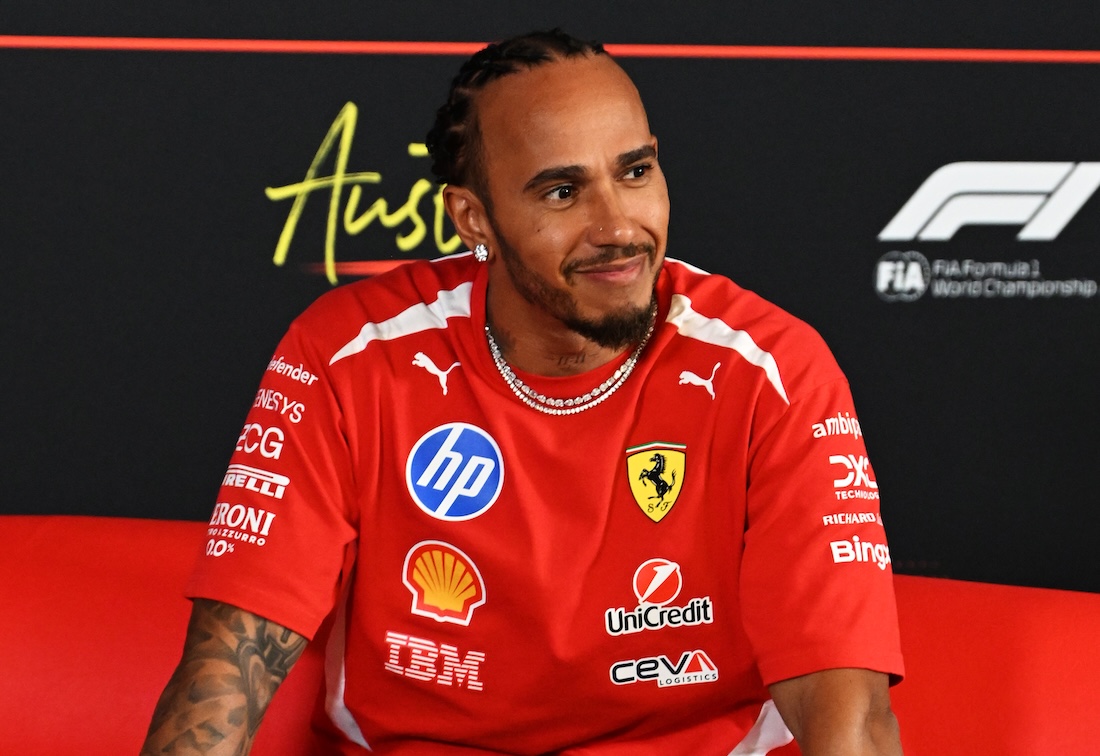
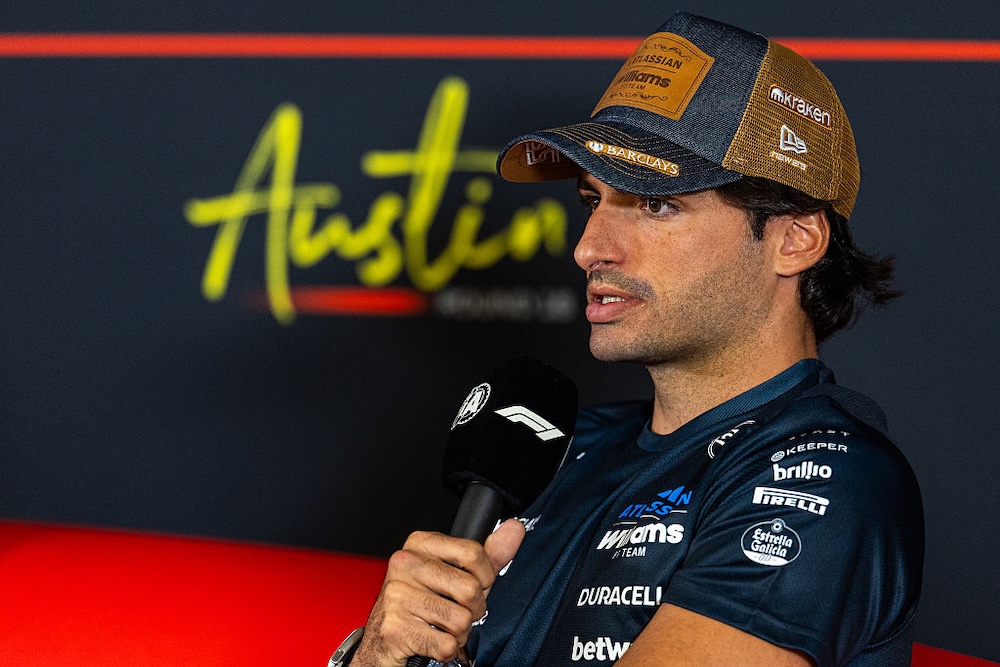
COTA remains a driver’s favorite layout, with Carlos Sainz describing it as the example for other new venues to follow thanks to the elevation changes, racing opportunities, and old-school nature of the layout.
The bumps definitely play a part in old-school, but if drivers start to begrudge something that was previously a positive of the circuit, then COTA might want to commit to significant repair work before the ride begins to hurt its reputation.

Chris Medland
While studying Sports Journalism at the University of Central Lancashire, Chris managed to talk his way into working at the British Grand Prix in 2008 and was retained for three years before joining ESPN F1 as Assistant Editor. After three further years at ESPN, a spell as F1 Editor at Crash Media Group was followed by the major task of launching F1i.com’s English-language website and running it as Editor. Present at every race since the start of 2014, he has continued building his freelance portfolio, working with international titles. As well as writing for RACER, his broadcast work includes television appearances on F1 TV and as a presenter and reporter on North America's live radio coverage on SiriusXM.
Read Chris Medland's articles
Latest News

Comments
Comments are disabled until you accept Social Networking Cookies. Update cookie preferences
If the dialog doesn't appear, ad-blockers are often the cause; try disabling yours or see our Social Features Support.