Michael Levitt/Lumen via Getty Images
When winning isn’t enough: Inside IndyCar’s mega-transfer from Ganassi to McLaren
Why would key members of IndyCar’s most dominant team choose to leave at the same time? This is turning into the biggest story of the year and could have implications that extend well into the future.
It’s definitely a question Chip Ganassi Racing wasn’t expecting to try and answer as the 2026 season reached the halfway point, but since June, the notifications from some of its heaviest hitters have been landing at a frequent clip as it’s defining driver in Scott Dixon, Indy 500-winning race engineer Ross Bunnell and performance director Chris Simmons informed Ganassi of their plans to leave the monolith. And more departures are on the horizon as we approach 2027.
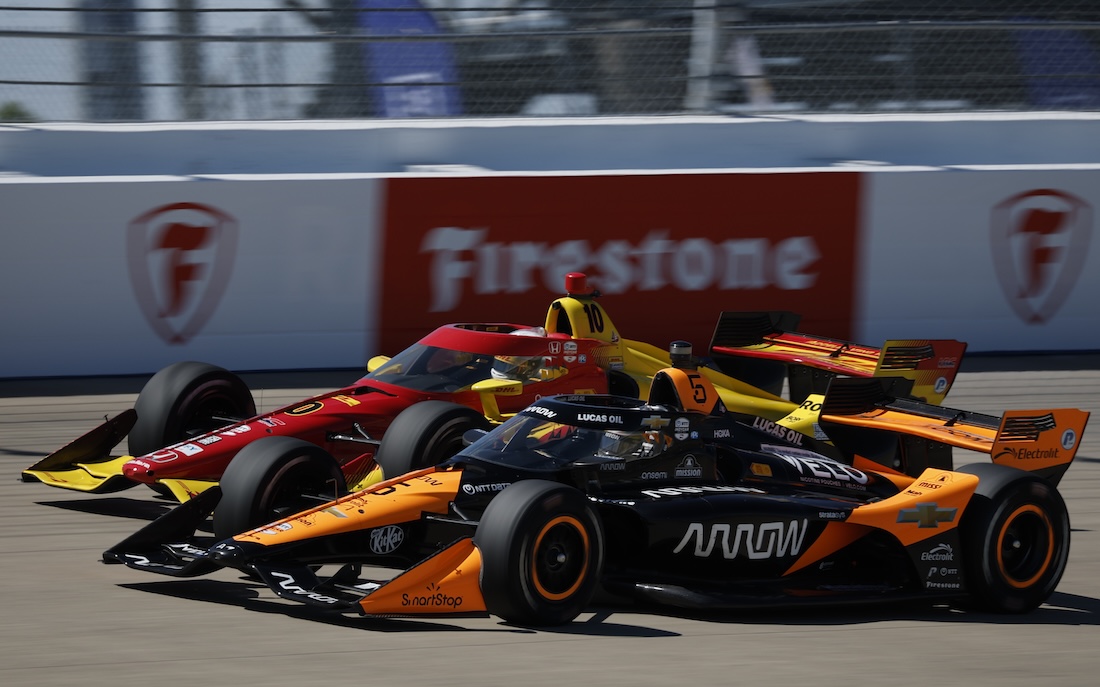
Championship-winning teams tend to be the hottest destinations for drivers and engineers and crew members, which makes the exodus by three high-profile characters – all headed for Arrow McLaren – such an unfathomable reality for a team that’s been steamrolling its opponents for more than a decade.
Since 2015, Ganassi’s taken eight of 12 IndyCar titles. Since 2018, it’s seven of the last nine, which is staggering, and it’s only gotten worse for the team’s rivals since 2023 as Alex Palou and the No. 10 CGR Honda have captured four consecutive crowns.
Behind it all, stability has been at the core of Ganassi’s success, which adds another odd component to the timing of these exits. Giants like Dixon and Simmons, and next-gen stars like Bunnell usually leave lesser teams to get their big shots with title contenders; under normal circumstances, trading their spots in IndyCar’s best team for one that’s never won a championship or an Indy 500 would be a head-scratching affair.
But as one friend recently told me, “Sometimes winning isn’t enough,” which is a heady statement to process.
Basking in the glory of Indy 500 wins and an unending run of championship victories is a powerful reality to live within, but does there come a point where the glow begins to dim and dissatisfactions – bothersome things that were pushed aside while celebrating in victory lane – start to shine through? Apparently so.
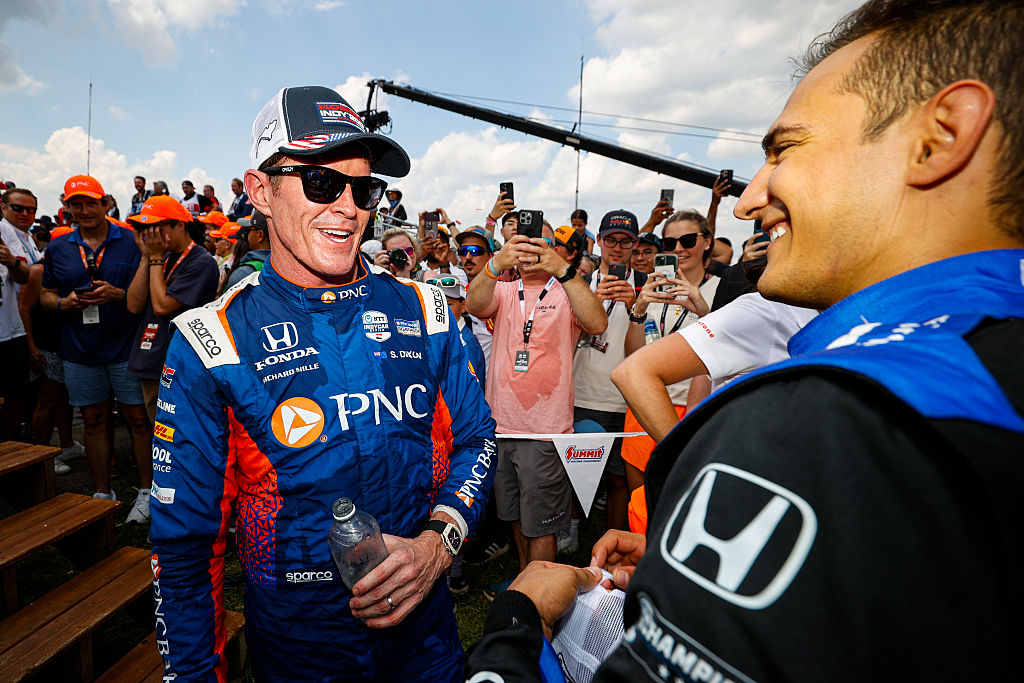
Watching his predominant position at CGR eroded by teammate Palou’s magic run led to and of one of the longest driver-team pairings ever. Jake Galstad/Lumen via Getty Images
Dixon’s grievances started a few seasons ago and continued to grow. Whether it was unilateral changes made to the staff on his No. 9 Honda that he didn’t want or the perception of preferential treatment being given to Palou, the disconnect was building. It reached a point where, at the age of 46, and with six championships and an Indy 500 win with Ganassi, he felt retiring with the team after 25 years was the wrong choice.
It was a shocking twist, but Dixon no longer saw Ganassi as the place to write his final IndyCar chapter. Some have tried to dismiss the New Zealander’s move as a financial decision – simply about the money being offered by McLaren CEO Zak Brown – and I’m sure he’ll be well-paid, but Dixon’s always been a top earner and has never wasted his income on frivolous toys or an outsized lifestyle. To suggest this was motivated by dollars is silly.
Longer-term security within McLaren is another aspect of the switch that has been singled out, and there’s an element of truth to that point. With McLaren’s new FIA World Endurance Championship Hypercar program coming online in 2027 and his ability as a Kiwi to serve as a brand ambassador the team founded by his countryman and hero Bruce McLaren, it’s a great fit for Dixon. But Ganassi also made a long-term offer to Dixon which included a team and sponsor role, and it wasn’t enough to get him to stay.
He’s opted to leave for real reasons, driven by a belief that he can be more competitive outside of Ganassi. It will take the running of the next championship to know if his convictions were accurate, but either way, the core of this change isn’t about money or opportunity that could only be found at McLaren. It was Dixon no longer finding himself in a place of happiness and contentment at Ganassi.
The last part is central to why I think we’re seeing so many resignation letters being tendered or readied for submission. When Scott Dixon – the driver we all assumed would retire at Ganassi and spend the rest of his days representing Ganassi – was willing to acknowledge his increasing displeasure and take action by leaving, it became a powerful co-sign for others to consider their own states of happiness and contentment. If Dixon was willing to leave, what would stop others from doing the same?
I could be wrong, but I doubt we’d be seeing the raft of changes if Dixon elected to finish his career with Ganassi.
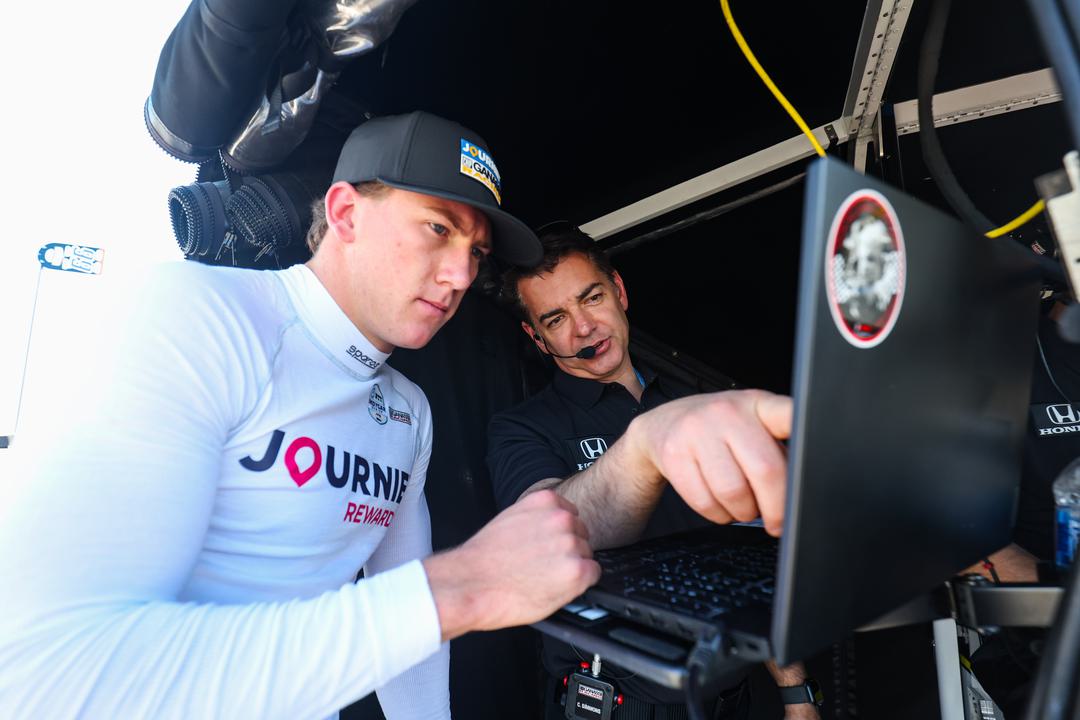
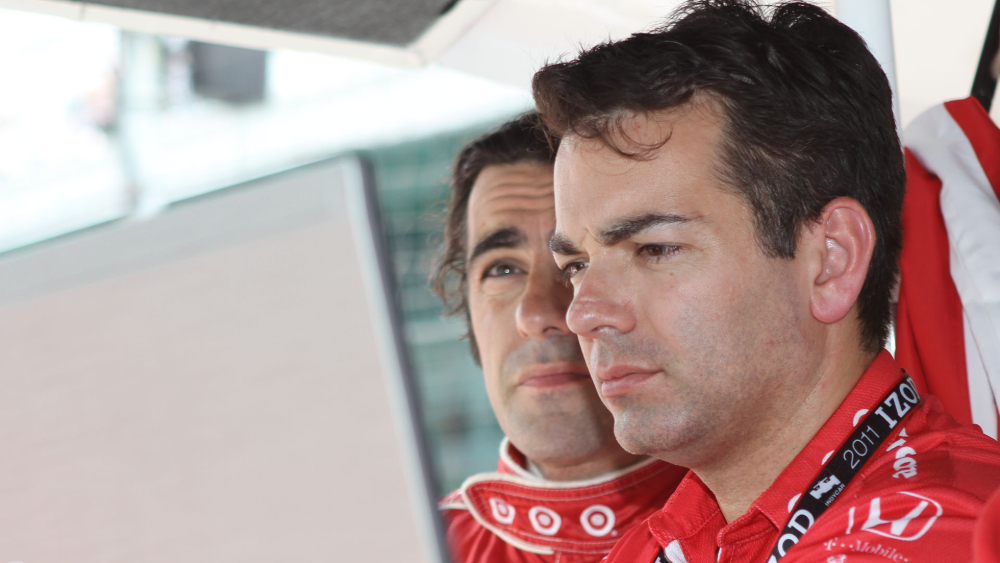
Simmons’ reasons for leaving are slightly different and stem from a different dissatisfaction. He’s one of many former junior open-wheel drivers to pivot from the cockpit to the timing stand as a race engineer, and while at Ganassi, Simmons developed into one of the best engineers in IndyCar history. He’s also proven to be a revelation in the new role of performance director he’s held since 2020. Tasked with evaluating and improving every aspect of how the team competes, Ganassi’s been damn near unstoppable with five championships and two Indy 500 wins with Simmons as the overarching competition leader.
And with a lifetime of driving and engineering being traded for a senior managerial role, Simmons has been keen to take the next step and graduate to running an IndyCar team. Having expressed that desire to Ganassi, and with no clear path to do so as longstanding managing director Mike Hull and team manager Taylor Kiel are in place, the choice to look elsewhere for the opportunity led Simmons to Arrow McLaren which is run by one of his former Ganassi drivers, Tony Kanaan.
With Kanaan in charge of the team, and Simmons’ former Indy Lights colleague Kyle Moyer serving as Kanaan’s No. 2, there’s no immediate pathway for him to step directly into team management, but I understand there’s a plan to move Simmons upwards in the coming years into a senior management position.
I don’t know the specific title Simmons will carry once he joins Arrow McLaren in the new year, but he’s starting off doing the same thing he’s been doing for Ganassi, which will enrich the team in ways it has never known. On the technical side, acquiring someone of Simmons’ caliber – while taking him away from the team that almost nobody’s been able to beat since he became Ganassi’s performance director – is everything they’ve lacked and needed.
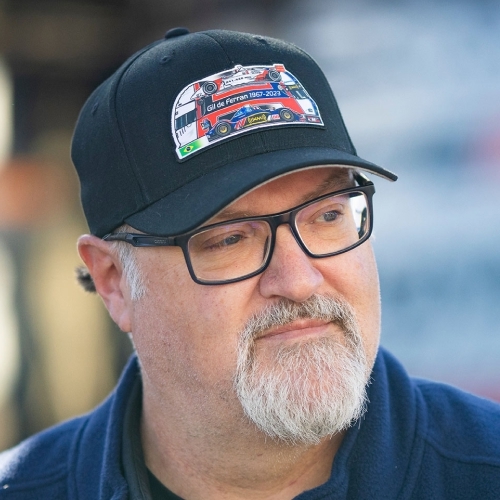
Marshall Pruett
The 2026 season marks Marshall Pruett's 40th year working in the sport. In his role today for RACER, Pruett covers open-wheel and sports car racing as a writer, reporter, photographer, and filmmaker. In his previous career, he served as a mechanic, engineer, and team manager in a variety of series, including IndyCar, IMSA, and World Challenge.
Read Marshall Pruett's articles
Latest News
Comments
Comments are disabled until you accept Social Networking Cookies. Update cookie preferences
If the dialog doesn't appear, ad-blockers are often the cause; try disabling yours or see our Social Features Support.