Jakob Ebrey/Getty Images
From spiraling to success: strategy call puts Toyota in reach of WEC glory
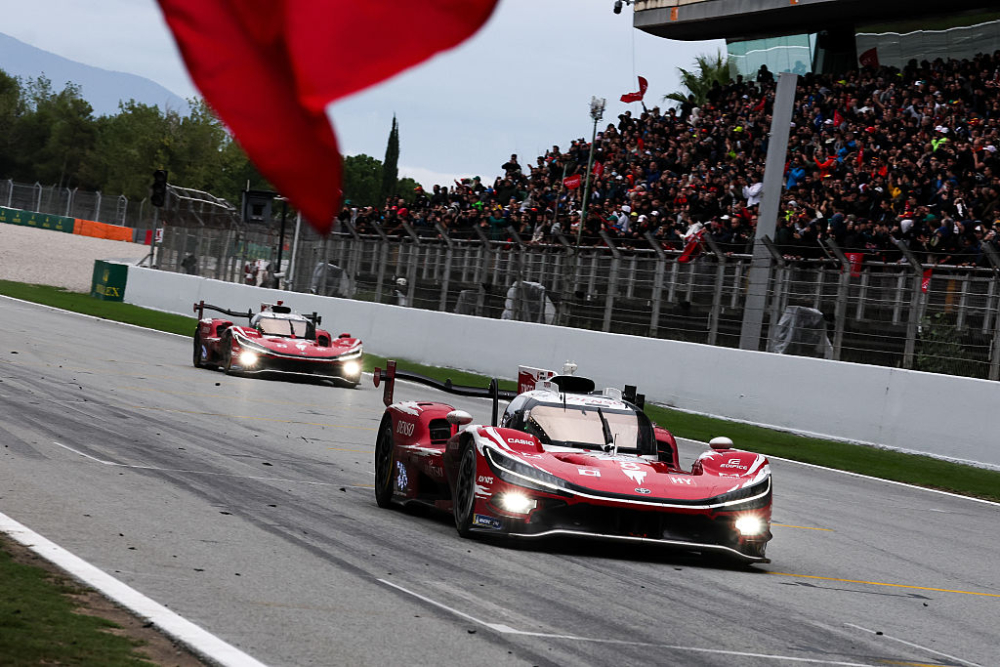
Ahead of the 2026 season, the big question hanging over Toyota was whether its overhauled Hypercar could help the team rediscover its mojo after a lackluster 2025 campaign. Six races into the season, we have our answer.
With three victories in the books, including at Le Mans, Toyota Racing has just 12 hours of racing remaining, and both the Hypercar drivers' and manufacturers' world championships are now within reach.
The latest victory was perhaps the least likely of the three.
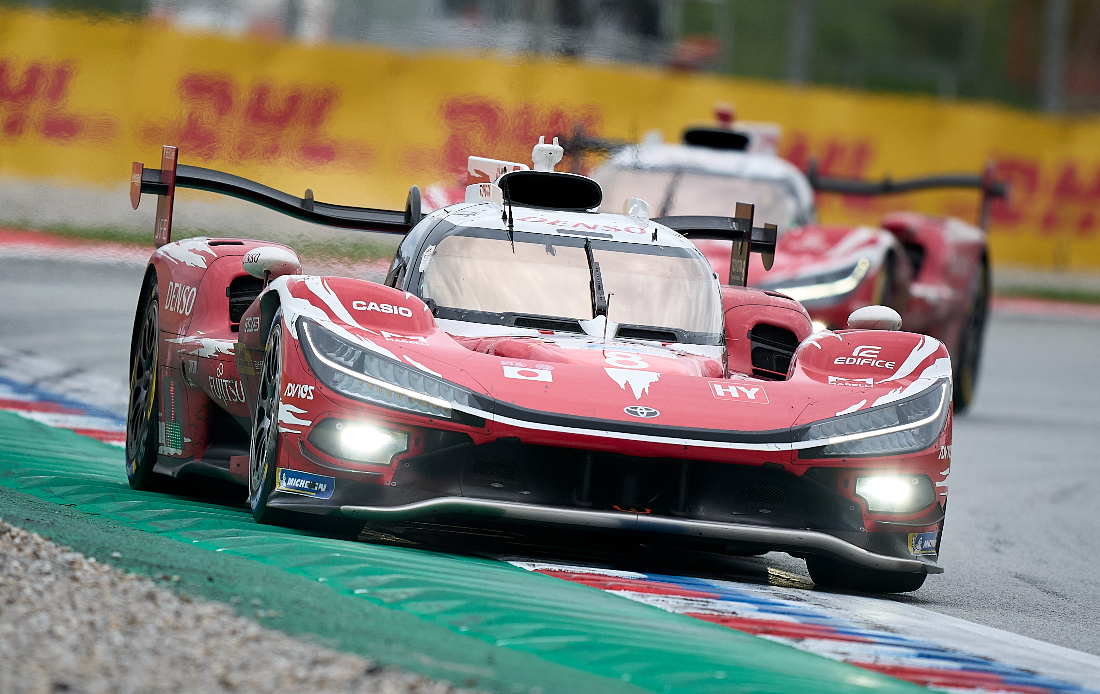
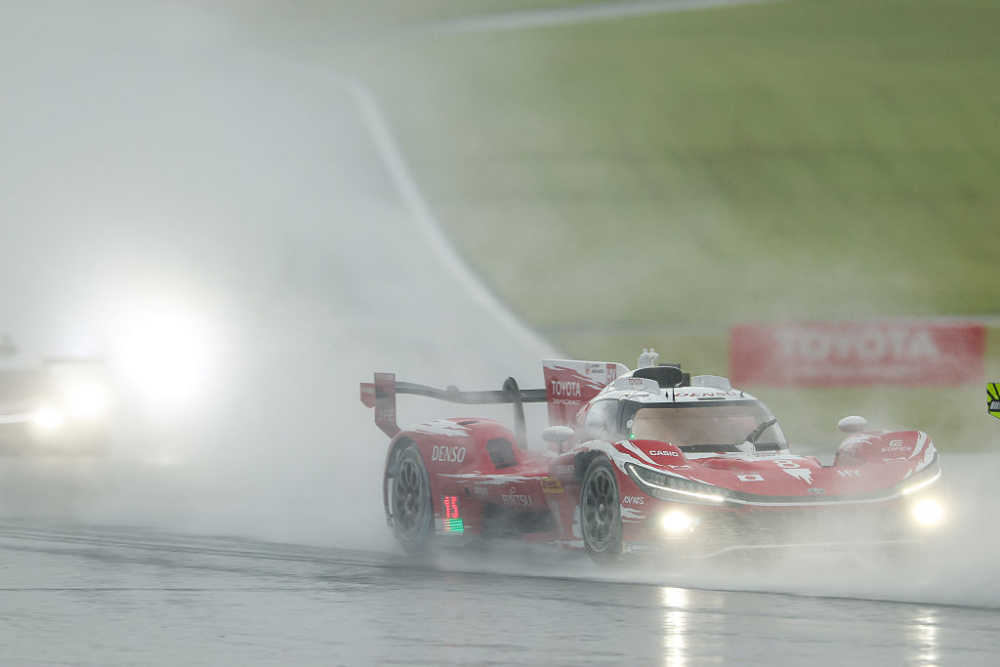
At Sunday's 6 Hours of Fuji, Toyota made a calculated gamble at the final pit stops, taking fuel only with the No. 8 to gain track position. It was a decision that ultimately produced one of the team's most unlikely victories of the Hypercar era, moving Sébastien Buemi, Brendon Hartley and Ryo Hirakawa to the top of the drivers' standings.
Their advantage is 10 points over the drivers of the sister No. 7 Toyota and 14 over BMW's leading pair of René Rast and Robin Frijns, who failed to finish in the top 10 for a second consecutive race. Toyota also leads the manufacturers' standings with 169 points, ahead of BMW on 146 and Ferrari on 115.
None of this was achieved through overwhelming pace.
Toyota has long been a dominant force at Fuji Speedway, with six 1-2 finishes and 10 victories in 13 races on home soil. But the Hypercar era, with Balance of Performance helping keep the field competitive, has made adding to that record considerably more difficult.
This time, Toyota won by making the right decision at the right moment.
"When you looked at our averages in the race, I think we were the fifth-fastest car," Buemi said in the press conference. "And yet we managed to win. It's a massive achievement for us because we didn't have the pace. We won on strategy and no mistakes, so you cannot dream of a better result."
The strategy got Toyota into position, but Hirakawa still had to finish the job.
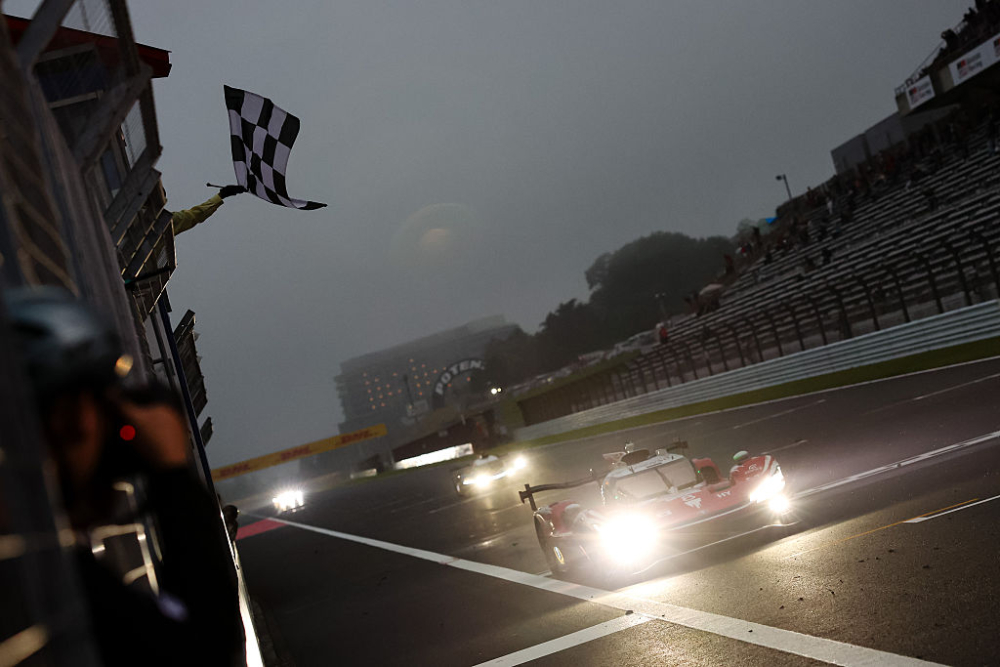
Hirakawa had to finish the job – and he did. Jakob Ebrey/Getty Images
With the No. 8 having gained track position during the final stops, Hirakawa found himself defending from Victor Martins in the closing minutes. The Frenchman's Alpine had both a tire advantage and a faster car, but in front of a packed Fuji crowd, Hirakawa kept him at arm's length.
It was a performance that looked far more straightforward from the outside than it felt from behind the wheel.
"The conditions were changing, the tires were cold, and the track was a bit damp. I was lucky that I had a BMW in front, so I had a reference, and behind me the other BMW was blocking the Alpine. But it was a lot of pressure. One lock-up, and you could throw it away," he said.
"The last couple of laps were stressful, but I had good feedback from the team about where I need to block and where I need to push. The last two laps were not only me, but the whole team's victory."
With only Barcelona and Monza remaining on the schedule, the No. 8 crew now has control of its own championship position. But Toyota knows how quickly that can change.
The unpredictability of the modern WEC — with BoP impacting the heirachy and safety cars and full-course yellows capable of turning any race on its head — means even a significant points advantage can disappear quickly.
"I've learned in the last few races that with so many safety cars and full-course yellows, you can go from being completely out to being in winning positions," Buemi noted to RACER.
"Even if it looks way better now for us in the championship, we have to take it step by step. Car No. 7 was looking amazing at one point in the race; we were not looking good, then all of a sudden, a small bit of strategy and we are winning the race."
That same unpredictability helped Toyota at Fuji, but it also offers its rivals a route back into the championship fight.
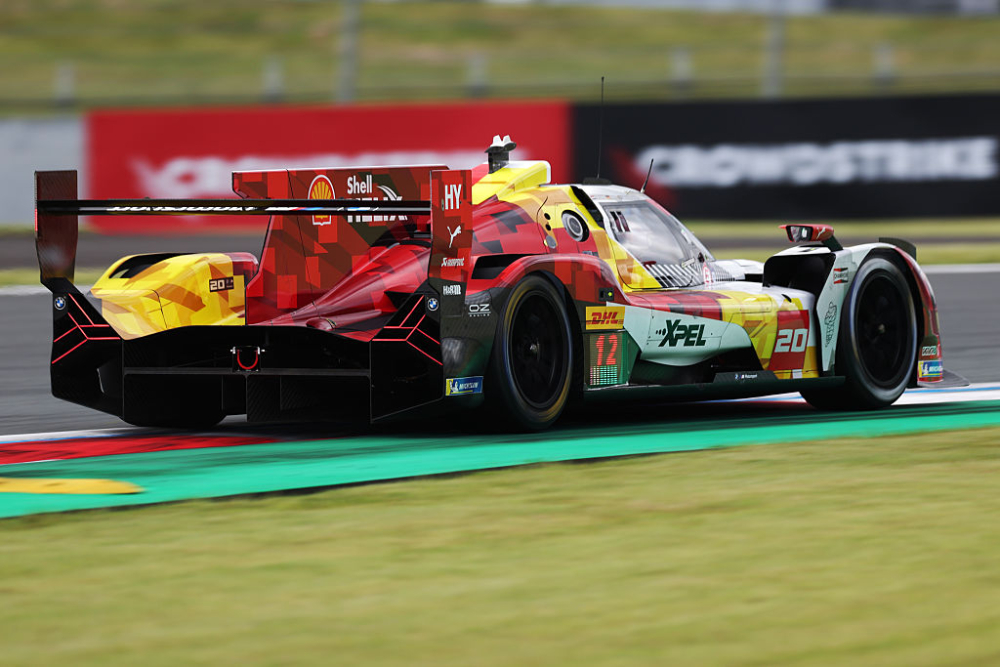
Fuji was a missed opportunity for the No. 15 BMW. Jakob Ebrey/Getty Images
BMW limited the damage by bringing the No. 15 M Hybrid V8 home in third with a strategy call similar to Toyota's. The No. 20, however, missed an opportunity to turn a difficult race into a potentially valuable result.
Better positioned in the championship coming into Fuji, the No. 20 dropped a lap after suffering damage and a puncture following contact with Ferrari's No. 51.
"We are still in the fight," WRT boss Vincent Vosse stressed. "And on top of that, in the manufacturers' standings, we lost a bit to Toyota but gained a bit to Ferrari. It's not perfect, but with a difficult starting position for both cars, we did well."
Ferrari has even more ground to recover after enduraing another difficult weekend at Fuji. The No. 50 retired with a "pneumatic leakage," while the No. 83 struggled for pace and finished 12th. That left the No. 51 as Ferrari's highest-placed 499P, although post-race penalties ultimately dropped it to 10th.
It was a stark contrast to the team's last-gasp victory in Austin, and once again Fuji exposed an area where the 499P has struggled.
"The slow corners (at the end of the lap) have never suited the 499P," Giuliano Salvi, the 499P's chief race engineer, admitted. "We go better in other speed ranges. We still struggle on that. There are some things in our car layout and DNA that you can improve, but you cannot completely change it. We are able to cope with more or less all the WEC tracks and corners, but these kinds (at Fuji) are pretty peculiar.
"We will wake up every day; until it's over, we will fight. Both circuits ahead should be better for us. For Barcelona, we have less information, but it should not be a nightmare like here."
Three weeks ago, Toyota's season looked like it may spiral. The No. 7's retirement in the closing moments of Lone Star Le Mans raised the possibility that a major opportunity had slipped away at exactly the wrong time. Instead, Toyota responded by winning at Fuji and keeping both championships well within its reach.
The turnaround has also given Toyota something it lacked for much of last season: momentum. The TR010 wasn't the fastest car at Fuji. It didn't need to be. Toyota's victory was built on strategy, execution and avoiding mistakes when the opportunity presented itself.
After a 2025 season in which the team repeatedly struggled to turn iopportunities into results, that ability may be just as important as outright pace as the 2026 championship reaches its final stages.
Stephen Kilbey
UK-based Stephen Kilbey is RACER.com's FIA World Endurance Championship correspondent, and is also Deputy Editor of Dailysportscar.com He has a first-class honours degree in Sports Journalism and is a previous winner of the UK Guild of Motoring Writers Sir William Lyons Award.
Read Stephen Kilbey's articles
Latest News
Comments
Comments are disabled until you accept Social Networking Cookies. Update cookie preferences
If the dialog doesn't appear, ad-blockers are often the cause; try disabling yours or see our Social Features Support.