Meg Oliphant/Getty Images
No resets, no do-overs, no insurance: Reality of Chase format hitting home for NASCAR's title contenders
The NASCAR Cup Series Chase is underway, and from here on out, there are no do-overs or second chances coming a driver’s way.
“The playoffs could be harsh, but they were in some ways forgiving because of the rounds and the resets,” 23XI Racing driver Tyler Reddick explained. “We just had the one reset (after Daytona), and you are not going to get another one. It is going to be so important to be consistent and mentally stay in it.”
It is perhaps the biggest difference for drivers racing for a championship this season, and it's certainly top of mind. While the pressure of what is on the line never fades, some would argue there is more pressure in a Chase format. A 10-week stretch of straight-up performance matters differently than having the variables of a win to advance, taking a breath in the other races, and knowing the point standings reset after every three races.
Or, as Reddick described, there will have to be a better balance of aggression, consistency, and using your head. It will be far easier, and a lot quicker, for a driver to find themselves out of championship contention in this format.
“Having the cutoff … it was less about the cutoff and more about the reset,” Christopher Bell of Joe Gibbs Racing said. “The previous format and system, it was just three races at a time, and if you had a bad race, it was just like: survive. You got to get above the cutline. Got to get above the cutline. Once you get above the cutline, OK, we’re in great shape now if you have a lot of bonus points or whatever.
“Now there are no freebies. You can’t have a bad race and get a reset in three weeks. You have to perform every week.”
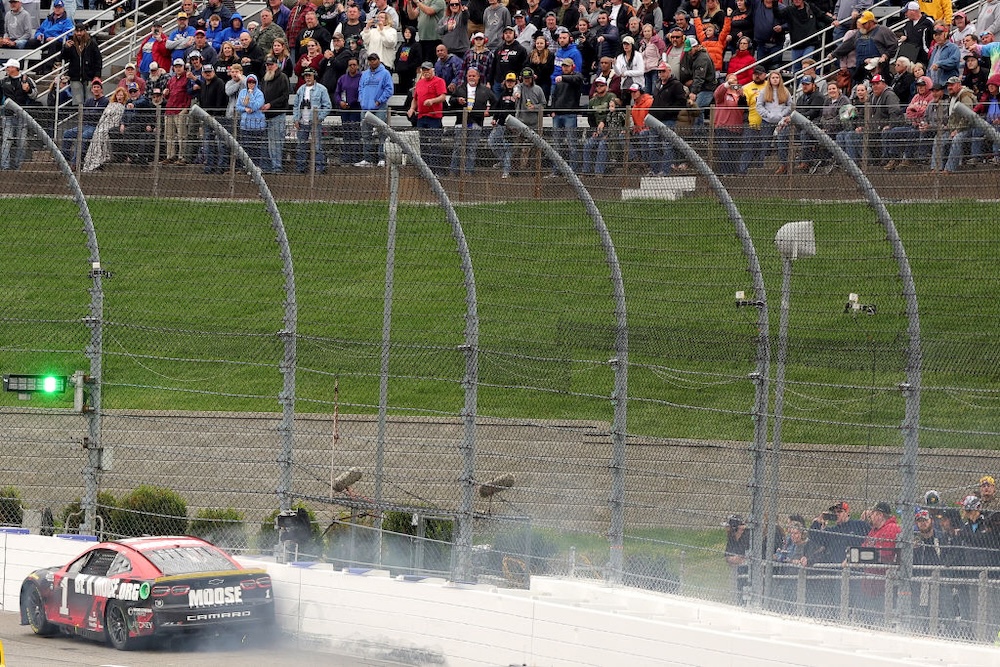
Moves likes Ross Chastain's 'Hail Melon' wallride at Martinsville in 2022 are probably a thing of the past under the new championship format, according to Joey Logano. Stacy Revere/Getty Images
The late Kyle Busch had a great way of describing what it was like to have those bonus points NASCAR awarded in the previous format, calling them an insurance policy. A driver performs to have that insurance in their pocket, but they hope not to have to use it (meaning, fall back on those points in a three-race round if things go sideways). Busch often repeated that analogy, and even deadpanned after a postseason race at Las Vegas, in which he had a poor result, that it was pathetic that he had to lean on insurance and his premiums were going to go up.
Now there is nothing to fall back on. NASCAR righted one of its wrongs with the previous format by not having two different point standings and a convoluted system of crowning a champion. The points will speak for themselves in the Chase, and it’s easy to see who has a good and bad day.
“It’s consistency,” said three-time champion Joey Logano of Team Penske. “There is no do-or-die until maybe later on in the Chase. The risk tolerance is different now – no one is going to be all or nothing. No more 'Hail Melons' (ED: Ross Chastain's dramatic last-lap move during the Martinsville playoff race in 2022). I don’t see that happening anymore.”
Logano’s teammate, the 2023 series champion Ryan Blaney, said, “It’ll be different from what we’ve had the last little bit, but I think everyone was kind of used to that growing up (seeing the original Chase). I think you’re going to have to know that you’re not going to be able to afford any mistakes. But things are going to fluctuate up and down, for sure.”
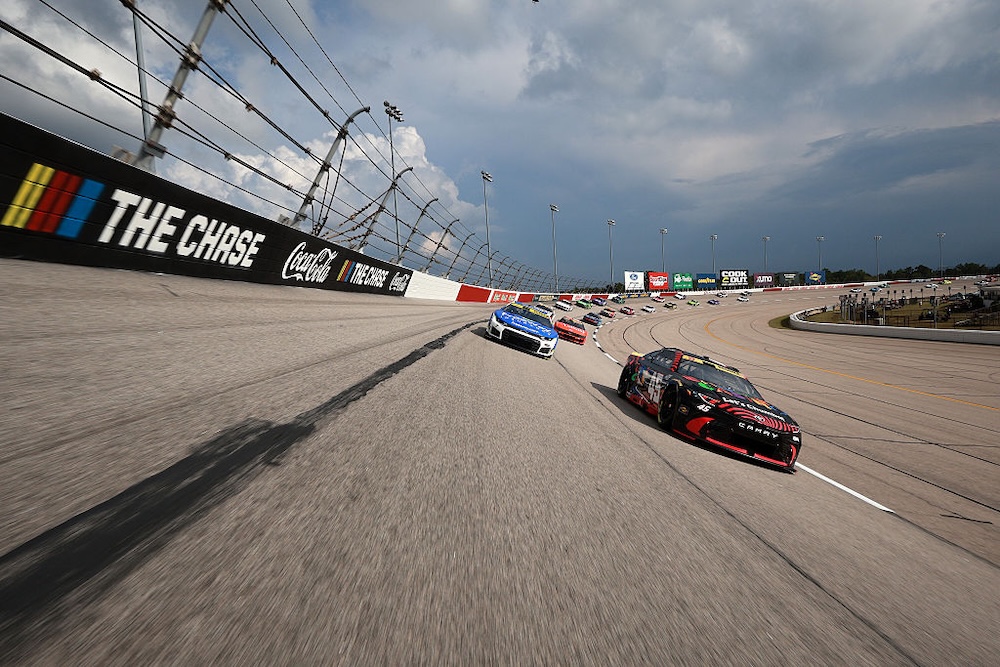
Darlington Raceway set the tone. William Byron, for example, fell to last on the Chase grid in a 114-point hole. It is all about winning from here on out for his Hendrick Motorsports team to make up those points.
Meanwhile, the driver who did win, Christopher Bell, saw how much that matters, jumping to second in the standings. Bell wanted to make a joke afterward about how he’s advanced to the next round and had the next two weekends off, but that isn’t how it works.
“And I love it,” Bell said. “I absolutely love it. That’s the way it should be.”
Because the job isn’t over. All races should matter, and the totality of performance should matter. Thankfully, it does this season. So, back to work for Bell and the rest of the Chase field because no reset is coming and no made-up insurance points to fall back on. Only digging deep and proving your worth will get the job done.
Kelly Crandall
Kelly has been on the NASCAR beat full-time since 2013, and joined RACER as chief NASCAR writer in 2017. Her work has also appeared in NASCAR.com, the NASCAR Illustrated magazine, and NBC Sports. A corporate communications graduate from Central Penn College, Crandall is a two-time George Cunningham Writer of the Year recipient from the National Motorsports Press Association.
Read Kelly Crandall's articles
Latest News
Comments
Comments are disabled until you accept Social Networking Cookies. Update cookie preferences
If the dialog doesn't appear, ad-blockers are often the cause; try disabling yours or see our Social Features Support.