James Gilbert/Getty Images
Cup Series drivers split on effects of NASCAR’s new Daytona package
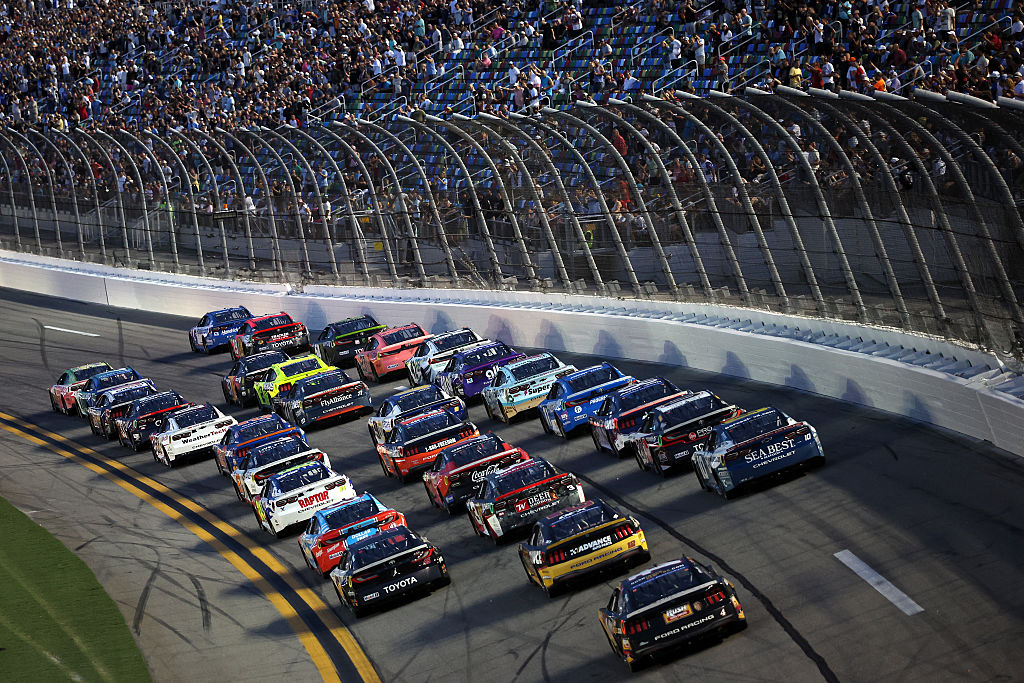
The revised technical package NASCAR Cup Series drivers ran Saturday night produced either marginal improvements or had no effect at all, depending on who you polled afterward.
“Honestly, I could not tell a difference,” Brad Keselowski, driver and winning co-owner of RFK Racing, said. “I couldn’t tell they changed the rules at all. My car drove almost identical to what it did.”
Keselowski was left shocked at how things played out at Daytona International Speedway because he thought a summer race would mean a poor-driving race car. The idea that handling would come into play more was a theory coming into the weekend, and some drivers expected they would have to work harder behind the wheel.
The package featured gear changes, a smaller spoiler and less horsepower. Together, those changes aimed to reduce downforce, with the aim of separating the cars more and letting drivers race instead of running jammed two-by-two.
“It wasn’t any different at all, which I was really disappointed in because I really bought into it,” said Joe Gibbs Racing's Christopher Bell. “I thought it was going to be a lot different, and it didn’t play out any different at all. The cars drove the exact same. So, very perplexing.”
Carson Hocevar, who crashed out late in the event, said it felt like the nose of the car was lifting more with the new package, and that he had been tighter on entry to the corner but then the car would go loose in other areas of the racetrack.
“It was fine,” the Spire Motorsports driver said of the package. “I thought it was super similar; it was just tighter and looser. I felt like handling mattered a little bit more in dirty air, so I felt like the dirty air was worse. But overall similar. But it seemed like you could make moves there.”
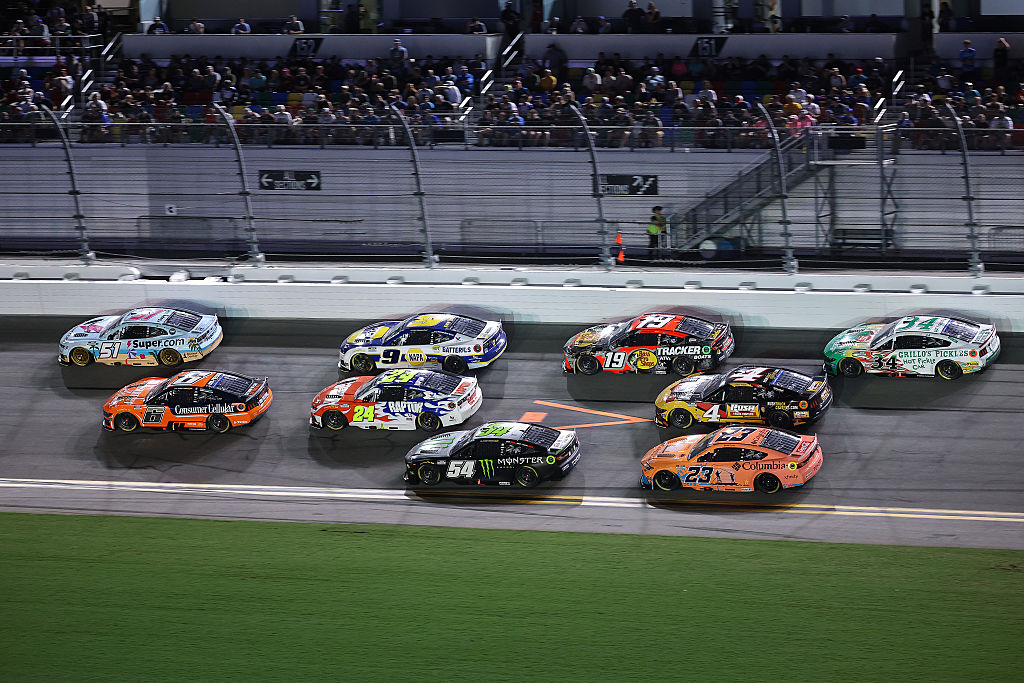
Some drivers felt the new package helped them make moves, but elements like fuel saving remained a factor. Chris Graythen/Getty Images
The changes came after continued frustration in feedback about superspeedway racing, where it appeared hard to make runs and fuel saving locked down the field. NASCAR and the teams, however, have acknowledged that the toothpaste cannot go back in the tube as far as completely stopping drivers from saving fuel. It’s far too valuable a tool, and it did happen again at Daytona.
Lessening fuel saving, or changing how it affects the strategy, could help. But it was considered more important to have a package that allows the drivers to matter more with the moves they make.
Chase Elliott appeared to be one of those drivers making gains. Elliott and Zane Smith traded the lead multiple times by being able to pull out from behind the other and, on their own, make the pass. But the Hendrick Motorsports driver hopes that now with a race under their belt, perhaps getting the cars balanced better with the package can lead to even better racing.
“It seemed like you could do more with runs when you had them,” said Elliott. “The cars were definitely edgier as the runs would go on, like really, really easy to get out of shape. But I thought the overall ability to kind of get momentum … it seemed like it was better to me.
“It seemed like a better race to me, I thought.”
Austin Cindric noticed there were bigger gaps between the cars. The separation kept the field from being on top of each other, leading to fewer crashes from simple mistakes. He felt the ones that did happen at the end of the race were from drivers trying too hard, given the situation.
Ryan Blaney, Cindric’s teammate at Team Penske, felt that at times it was harder to get to another driver’s bumper. But overall, he didn’t feel the cars handled badly.
“I think it’s something to learn from, for sure, and hopefully we can adjust a little bit and continue to try to find newer ways to keep improving,” Blaney said. “But I thought it was a step in the right direction.”
Daniel Suarez of Spire Motorsports was adamant it was better.
“I think it was definitely better,” he said. “You could build runs a little bit easier by yourself, and also the handling was worse. The car was more sensitive when it comes to aero. So, a huge credit to NASCAR for gambling on something like this because you never know how it’s going to go.”
And on the flip side of Bell, two of his other teammates were pleased with how the night went.
“Just a great job by NASCAR as a team for coming up with something different here,” said Denny Hamlin. “I thought it definitely was a change. Our car felt a little different. I didn’t think it was quite as log-jammed as what it was in the past. If you wanted to get to the front, I felt like you could.”
Chase Briscoe said, “I thought the package was way better. Who knows if there’s still more to go, but I thought compared to what we had it was really good. You could make moves and make passes. It was more like traditionally how you would race here. The fuel saving was still there, but it was just how the stages wind up. You have to save fuel to not have to pit, so I don’t know what they can do to fix that part of it.
“If the stages were short enough, I think we would just run as hard as we could, and it would be really, really good. Not sure how to fix that, but definitely interesting how it all plays out.”
The feedback will go a long way in determining how NASCAR proceeds. Unless there was a glaring issue at Daytona, the package will also be run at Talladega Superspeedway (Oct. 25). It's still to be determined whether NASCAR will hold preseason testing at Daytona in 2027, which was mentioned as a possibility to work on the aero package.
Kelly Crandall
Kelly has been on the NASCAR beat full-time since 2013, and joined RACER as chief NASCAR writer in 2017. Her work has also appeared in NASCAR.com, the NASCAR Illustrated magazine, and NBC Sports. A corporate communications graduate from Central Penn College, Crandall is a two-time George Cunningham Writer of the Year recipient from the National Motorsports Press Association.
Read Kelly Crandall's articles
Latest News
Comments
Comments are disabled until you accept Social Networking Cookies. Update cookie preferences
If the dialog doesn't appear, ad-blockers are often the cause; try disabling yours or see our Social Features Support.