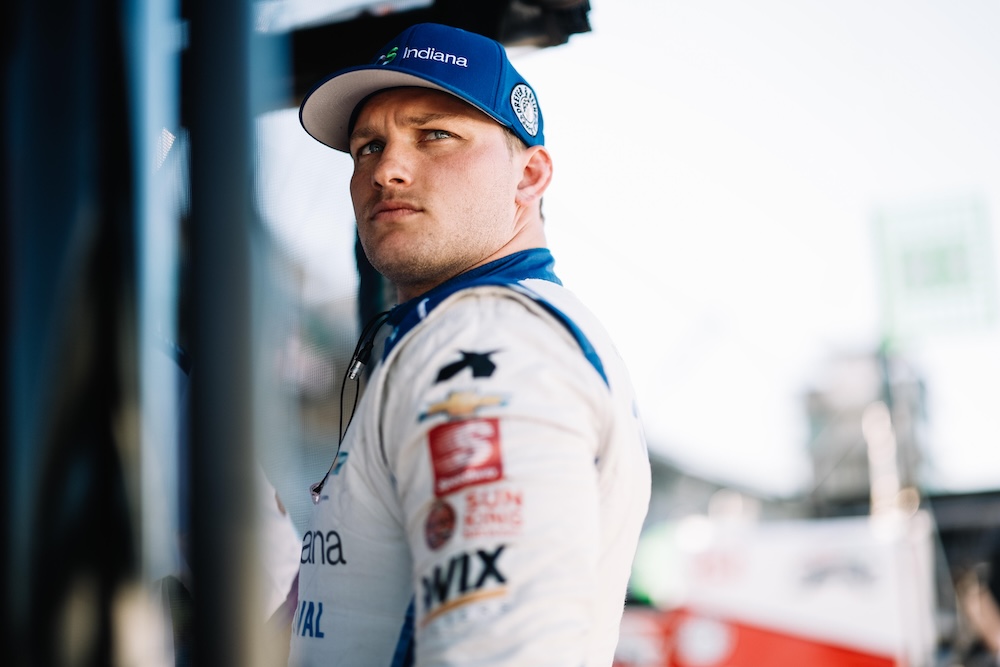
Joe Skibinski/Getty Images
The 2015 Pocono tragedy sent Sage Karam spiralling into depression. Now, he wants others to learn from his journey
Compounding it all were the messages he’d see on social media every time he picked up his phone. Which, as a 20-year-old, was a lot.
“The first year was bad, but it went for years,” he says. “I'd randomly just get somebody message me something stupid: 'that should have been you', or, 'Justin would still be here if it weren't for you'. And then any race I would do after that, it would just be like, ‘can't wait to see you crash again'.
“It carried on for basically my entire career. And being 20, social media was very much in my life. I would always be on Twitter, and Instagram, Facebook, and checking my messages, whatever. So I saw everything, and I became obsessed with it. I would see these things, and then I want to know, ‘who else was saying these things about me?’ So then I was reading forums and stuff. And it's just never good. Especially on the internet, you're very rarely going to find many good things written about you from other people like that are sitting behind a keyboard.
“I'm sure a lot of these people that did say these things to me on social media are the same people that would come up to me during the month of May, asking me for my autograph.”
While Karam was in the early stages of trying to navigate the jumble of emotions in the weeks after the accident, he was dealt a different kind of gut punch: He lost of his Ganassi ride, sparking what proved to be a prescient fear that his full-time racing career was over before it had really started.
“Shortly after Sonoma, I get the call that the (Ganassi) contract was done,” he recalls. “So my world completely flipped on its head.
“At the time, I was living In Indianapolis on my own. I didn't really have anybody. That's when I made the decision to move back home, move back with my family, just because I was just sitting there, not knowing what to do with my life.”
Depression has a way of isolating its sufferers, making them feel hopelessly alone even with family and friends within reach. Karam, now back in Pennsylvania, had no shortage of loved ones ready to support him. But he was pretty convinced that they couldn’t. How could anyone else relate to what he’d been through? Throw in the reliably negative affirmations he’d receive every time he picked up his phone, and the result was that he began to spiral.
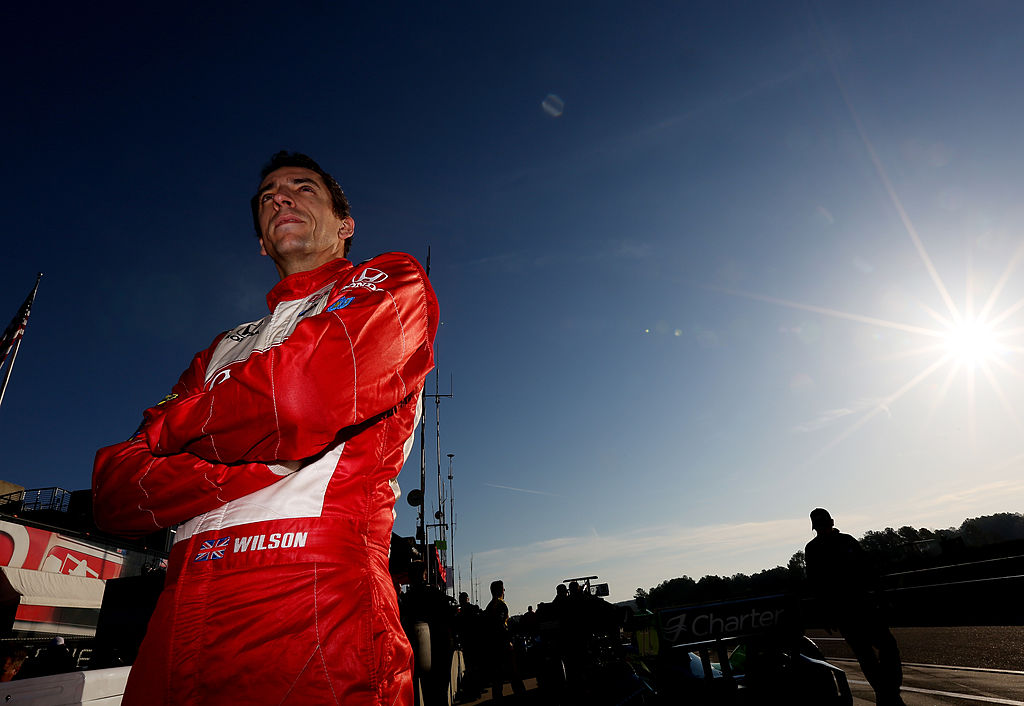
Wilson's easygoing and unpretentious nature made him a hugely popular figure within the motorsports community, but his gentle demeanour belied a fierce competitor on the track. Driving part-time for Andretti in 2015, he'd reinforced his already deep resume with a second-place at Mid-Ohio three weeks before Pocono. Getty Images
“It turned into a humongous depression,” he said. “I’d moved back home. And even when I was back home, I didn't do much. I basically sat in my room. I didn't really want to leave, just because I didn't have any ambition to do anything, as bad as that sounds. But that's just where I was at, mentally.
“The first time I came out of my room and actually went out with purpose was probably December (2015), when wrestling season started. That was my escape from everything, because I knew I had another job, helping my dad with coaching kids.
“But that was just two hours of the day where it kind of masked (the depression), and then I'd go home, and it would be the same thing. Over and over, every night, every day, to the point where after a while, you're just trying to fill voids from what you had before that. And then the race season starts, and I’m not racing, and... things are just hard, and I don't know what to do.
“So then I started hanging out with people I shouldn't have been hanging out with; going to parties and stuff like that. Doing those types of things, drinking alcohol or whatever, was kind of putting a band aid over a bigger problem, and would make me forget about my situation. I went down a bad little hole with that. Then I had a little family intervention that was basically a wake-up point to where it's like, I gotta get my stuff together.”
One of the few things helping Karam stay afloat at that time was working with his psychologist. He’d been seeing one since his pre-teens as part of his quest to be as prepared as possible, physically and mentally, for the rigors of a career in professional racing. The therapy continued through the aftermath of Pocono, and Karam’s subsequent battle with depression, but with a very different focus.
“Shortly after the crash, that whole process of working on the sports side really changed into more just staying alive side,” he says.
“It was bad. It was that bad, where it was like... my family would be the first to tell you, they were probably scared every single day, not knowing if I was going to come home. Or, if they were going to come up and to my room one morning, and I wouldn't wake up. So, seeing a psychologist on that aspect was huge.”
Also important were the outreaches he received from within the paddock. Especially, he admits, because he’d hard-wired himself not to make friends with his on-track rivals.
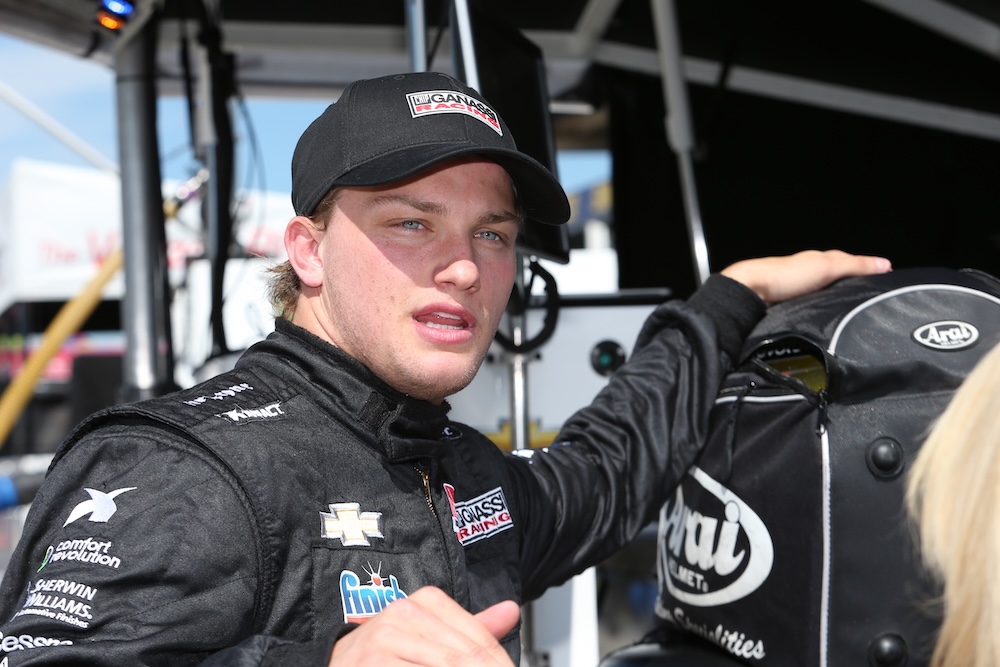
Karam in 2015. He admits now that his determination to make the most of his shot with Ganassi came at the expense of being open to friendships with other drivers. However, outreaches from some of his rivals proved to be an important source of early comfort in the immediate aftermath of Pocono. Penske Entertainment
“To have those (drivers) support me was, was big, even though I didn’t really show it enough (at the time),” he says.
“The two first people to reach out to me after the accident were Ed Carpenter and Graham Rahal. And a couple weeks before the accident, Ed Carpenter was wanting to beat my face in on the pitlane at Iowa. So at that moment I think he doesn't like me, and then he's the first guy to reach out to me, checking in to see if how I'm doing. That meant a lot to me.
“I'm pretty sure Ed had a similar experience with a wreck that ended up involving somebody else. So I think he knew what I was going through. [ED: Paul Dana was killed in a 2006 practice crash at Homestead-Miami after striking Carpenter's car, which was rebounding off the wall following a tire failure].
“Same with Graham. I didn't have a real friendship with Graham, but he went out of his way to make it apparent that he was thinking about me and hoping I was doing well.
"I didn't have a lot of friends in racing. I was a super-intense competitor. I didn't really understand the whole ‘having friends’ aspect in the sport. So I didn't really have a lot of these people within racing to talk to, and another huge part in my journey was allowing myself to be open to these people, because if there's anybody that's going to know what I'm going through, chances are it's going to be the guys that I race with. They know what it's like; what we're dealing with every single lap out there.
“That was the main reason I really opened my eyes up to wanting to get closer to a lot of these guys. For the longest time, when I was at home, all these people, family and friends and everybody, would come up to me and they're like, 'I know it's tough, but I know what you're going through.' I knew they were just trying to help, but in my mind, they didn't know what I was going through, and they couldn't help.
“So I pushed a lot of those people away from me – which was a mistake. Eventually I realized that, hey, people are just trying to help you; you’ve gotta let these people into your life.”
Mark Glendenning
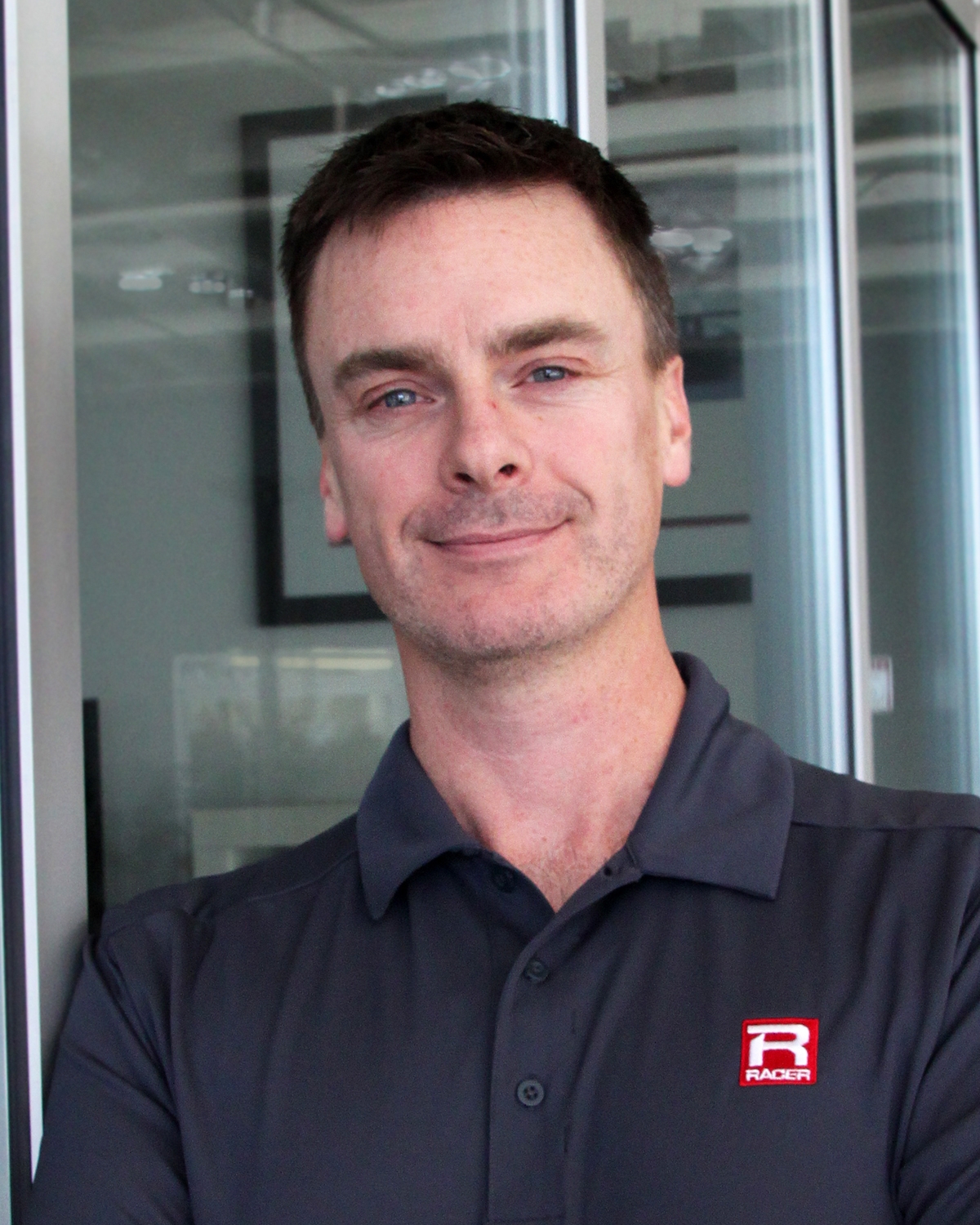
During his long career in racing, Mark has been placed into a headlock by a multiple grand prix winner, escaped a burning GT car, ridden a Ferris wheel with Ari Vatanen and almost navigated a rally car into a pond. He’s also had the good fortune to have reported on hundreds of races around the world, first while working for a national publication in his native Australia, and later during his years with Autosport in the UK. He moved to the U.S. in 2012, and after a serving as a contributor to RACER he joined the publication full-time in 2015. Mark now serves as Editor of RACER.com, and is also involved in the production of the magazine.
Read Mark Glendenning's articles
Latest News
Comments
Comments are disabled until you accept Social Networking Cookies. Update cookie preferences
If the dialog doesn't appear, ad-blockers are often the cause; try disabling yours or see our Social Features Support.