Toyota Racing photos
Toyota gears up for pivotal WEC campaign
It’s safe to say that everyone in the FIA World Endurance Championship Hypercar paddock will be keeping an eye on Toyota in 2026. The Japanese manufacturer heads into the new season looking to reclaim its position as the category’s benchmark, following a lackluster 2025 campaign which featured just a single win at the very end of the season in Bahrain.
The entire team carried an air of frustration and disappointment throughout last season, stemming from its struggle to fight up front (in part, it would argue if the rules permitted, because of the BoP hands it was dealt). The results reflected the mood music in the multiple world championship-winning garage, and in some places were further affected by uncharacteristic errors, both strategic and operational, when the team was under the most pressure.
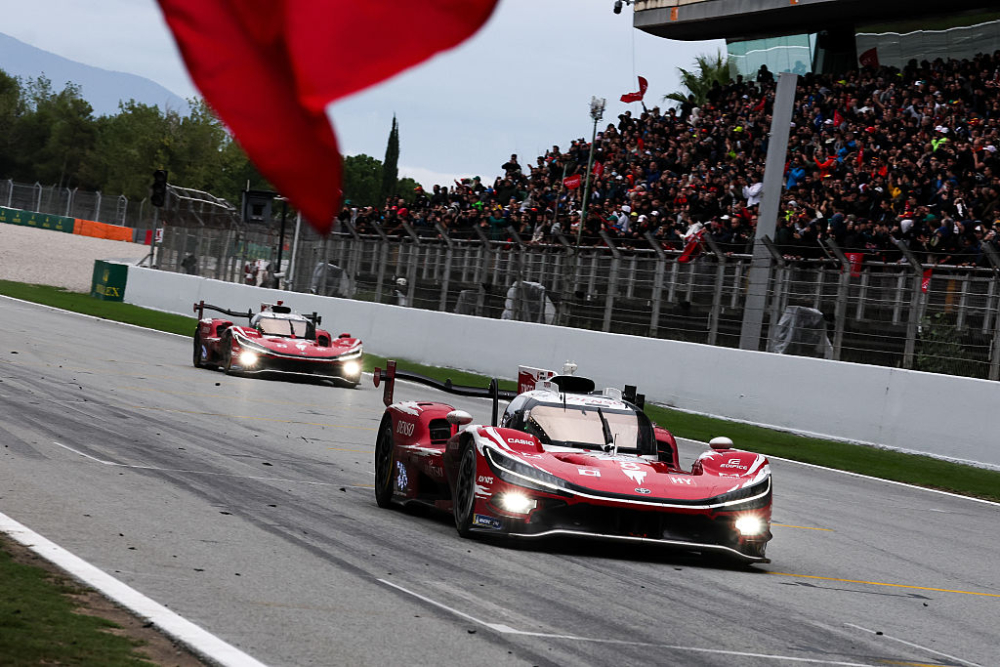
But the Cologne-based outfit – led by team principal/driver Kamui Kobayashi and technical director David Floury – is re-energized and ready to reset when the trucks unload in Imola ahead of its 100th WEC race. The team brings both momentum following its 1-2 in the 2025 finale and a heavily revised Hypercar, renamed the TR010, to the fight.
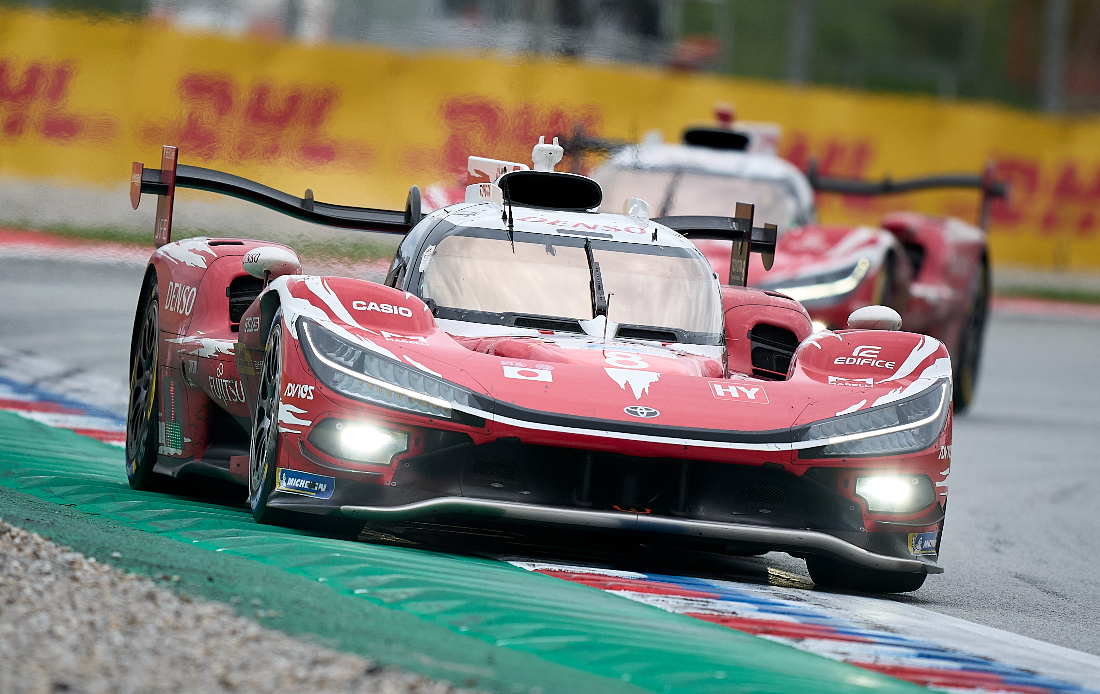
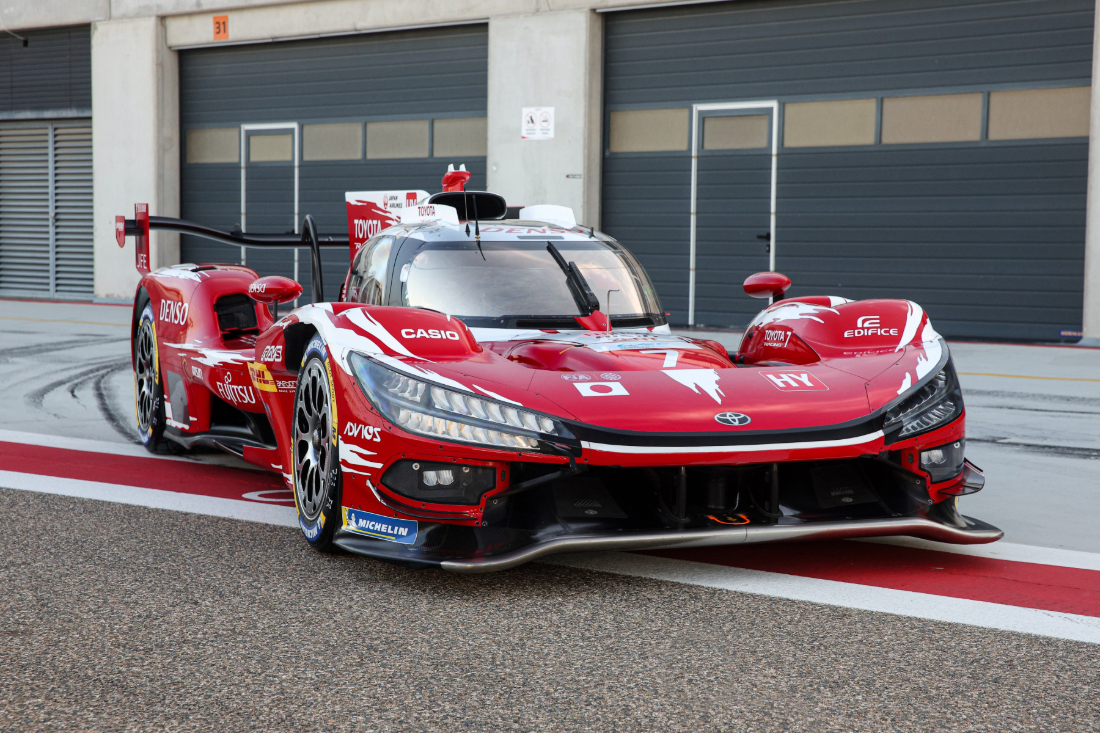
The changes to its LMH prototype for ’26 go far beyond just a name and a shift to a striking red and white livery. It’s received an aerodynamic overhaul via an EVO Joker, which had been in the works since 2024. The redesigned front clip and rear wing, in particular, stand out when comparing the 2025 and ’26 cars.
“We were initially targeting the introduction for the 2025 season, but due to the [homologation] wind tunnel change from Sauber to Windshear, and due to Sauber being now used by Audi, we could not achieve it in 2025 because our plan was to go in the wind tunnel to homologate the car in the first month of 2025," Floury explains. “This was a very tight schedule already, and due to the change in wind tunnel, the 2025 car had to be homologated at Sauber before December – which was impossible to achieve, or would have led to too big of a compromise, both in terms of performance and styling. So at the end of the day, we decided to push it to 2026 and have more time to go into the details.”
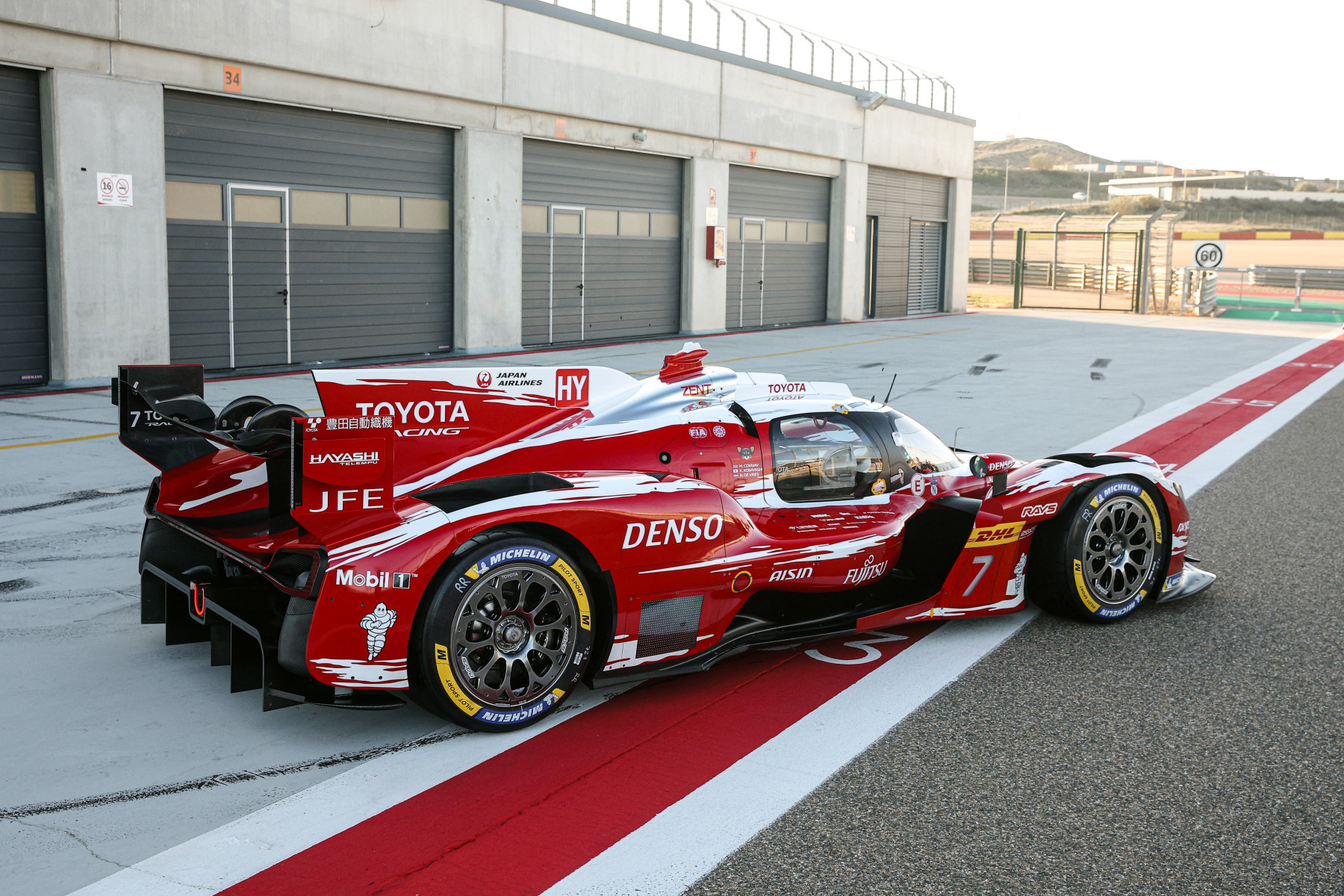
Due to the ruleset and the role that BoP plays, the philosophy behind the changes manufacturers have made to their aero packages is totally different to the previous era in LMP1. There’s no point in putting all your eggs into the proverbial raw performance basket, because you’ll get pegged back anyway.
“The first thing to consider is that Hypercar is regulated based on a narrow performance window, which is used for all cars as part of the homologation process,” Floury notes. “Therefore, it is a very different approach to the LMP1 days, because now we are not developing to reduce drag, increase downforce or maximize aero efficiency, but we have to satisfy this aero window.
“In our particular case, we wanted to address a few small issues we had seen with this package and generally make the car easier to drive and more consistent. So that was the target.”
The team also looked to make the car more recognizable as a Toyota with the redesign, in line with the original push for OEM’s to adopt clear styling cues that mirror their road car range when the regulations debuted.
“By having aero targets that are not too challenging to achieve, it enables us to integrate some styling identity,” Floury points out. “That is something you would not really consider on an LMP1, because everything was about maximizing the performance.
“Our first [Hyper]car didn't integrate strong styling identity, and once we decided to do an upgrade, this was one of the key targets on all sides – that the car should have a much stronger Toyota identity – which I think, at the end of the day, is quite well achieved thanks to the work of the styling department back in Japan. I think the car looks quite cool compared to the previous version.”
Beyond aerodynamic improvements, Toyota believes it has found gains in reliability, too.
“We have made some small updates which are more linked to reliability than anything else,” Floury says. “We had a couple of small things last year, the biggest one being losing a wheel at Le Mans. These points we need to address. With the very competitive environment of WEC nowadays, if you want to win races and championships, you need to be perfect in all aspects.”
Complicating matters for 2026 is the long-awaited introduction of Michelin's new Hypercar tires. With both a revised aero package and unfamiliar rubber arriving simultaneously, Toyota, like its competitors, faces a steep learning curve early in the season.
“The development timing for the tire is not necessarily fully aligned with the development of the aero package,” Floury admits. “Right now, we still don't have a very deep understanding of the 2026 tires. We've taken part in all development sessions, but during the course of the development sessions, you share the duty between the different manufacturers, and you don't necessarily always end up testing the final spec.
“We will definitely be in catch-up mode at the start of the year in this respect. The manufacturers involved in IMSA will start with a much better understanding of the 2026 tires, so it is now up to us to do a very good job to maximize the learning and to come in as ready a state as possible.”
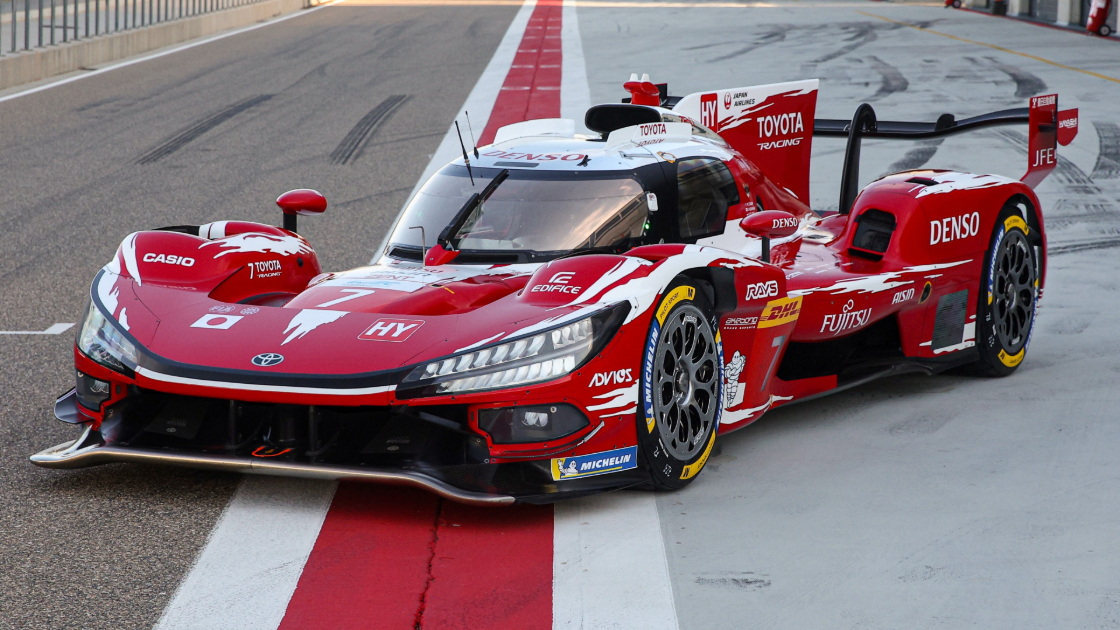
One element that Toyota hopes will change most in 2026 with the TR010 is its top speed in June. In order to win the biggest race of the season, the Le Mans 24 Hours, you need to execute, stay out of trouble, stay reliable, and find a way to reach the upper level of the top speed sheets consistently during the race.
In 2025, when Toyota looked most out of sorts at La Sarthe, the GR010s were down on top speed. The No. 7 hit a high of 342.3 kph/212.7 mph on lap 22, while the two factory Ferrari 499Ps hit 349 kph/217 mph, deep into the race. Over 24 hours, a deficit like that stings, and the reality is, with BoP defining your power and weight, it’s tough to engineer your way out of certain holes.
How Toyota navigates the challenges and setbacks it faces in 2026 will ultimately define its season. The majority of cars in the Hypercar field have matured, the teams have caught up on the operational and strategic side, and the rulemakers remain as keen as ever to create parity. It's a tough combination to deal with for a team that was consistently the top dog for years until Ferrari and to a lesser extent, Porsche, turned up and disrupted the party.
Toyota knows that having the best car and the best-drilled team no longer automatically translates into wins in the WEC's top class, so it must look inward and make adjustments in a suite of areas to give itself the best chance of succeeding over the course of the campaign.
“I think in ’23 we were quite dominant through the season, and after that, ’24 and ’25, it's not been all about the pure car performance only,” Floury says. “Obviously, there is some degree of performance balancing also in the championship but we need to keep pushing because our competitors are doing a good job and pushing. We need to keep pushing to be in the fight.
“But generally speaking, I don't think we were missing anything in 2023. Probably, it would have been good to have this package for 2025. I'm not sure it would have changed the picture.”

Stephen Kilbey
UK-based Stephen Kilbey is RACER.com's FIA World Endurance Championship correspondent, and is also Deputy Editor of Dailysportscar.com He has a first-class honours degree in Sports Journalism and is a previous winner of the UK Guild of Motoring Writers Sir William Lyons Award.
Read Stephen Kilbey's articles
Latest News
Comments
Comments are disabled until you accept Social Networking Cookies. Update cookie preferences
If the dialog doesn't appear, ad-blockers are often the cause; try disabling yours or see our Social Features Support.