Logan Whitton/Getty Images
Will NASCAR's playoff changes put an end to desperate moves?
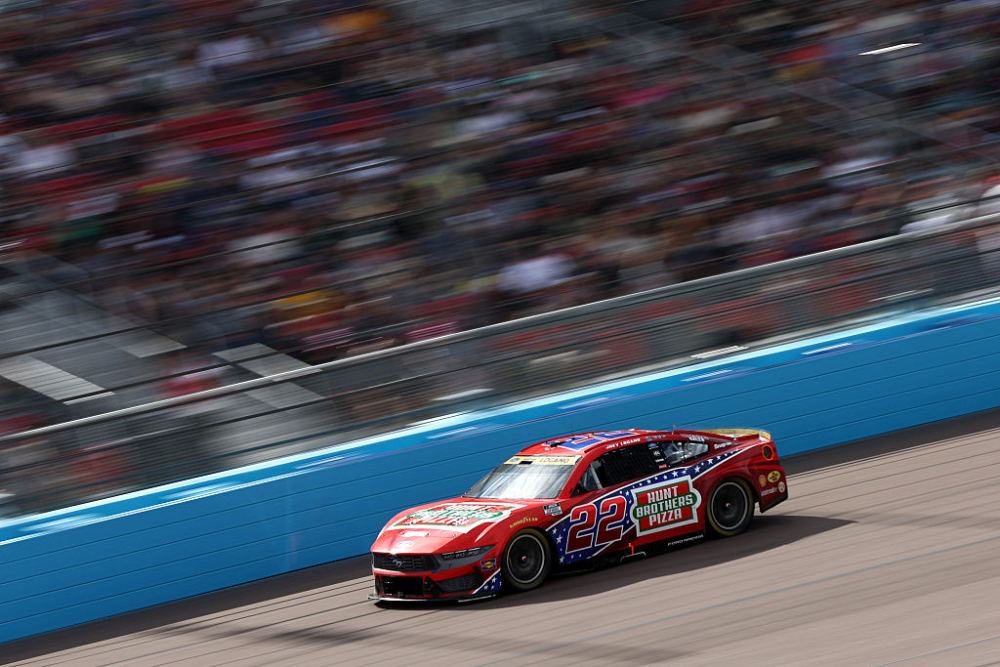
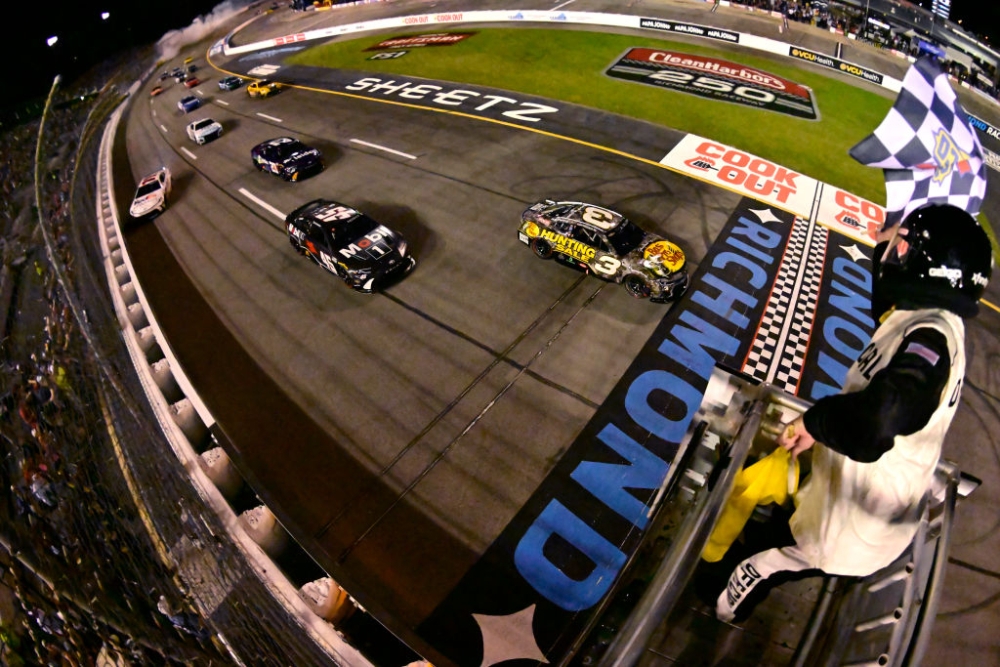
On a fine August night in 2024, an out-of-breath, celebratory Austin Dillon stood on the frontstretch at Richmond Raceway and excused his last lap actions.
“I hate it,” Dillon said in his television interview, “but I had to do it.”
Dillon had driven deep into Turn 3 on the final lap and spun leader Joey Logano. He then right-hooked Denny Hamlin, who was charging along the inside, off Turn 4, to ensure he made it to the finish line first. The victory put Dillon and Richard Childress Racing into the postseason, at least for a few days. NASCAR, upon review and in response, took away Dillon’s eligibility because the totality of his actions on the last lap was deemed unacceptable.
The egregiousness of what took place that night at Richmond will never be forgotten, as it was one of the biggest downsides to the door NASCAR had opened with its playoff format. The win-and-in variable made drivers like Dillon more willing to use the bumper. Or when it came to elimination races and advancing, it made drivers at least willing to try some of the most eye-rolling and debatable moves the sport has seen.
And it was all under the guise of some variation of the words Dillon used. Drivers would say they did what they had to do. Or blamed, not their own decision-making, but that NASCAR and the format forced them to race that way.
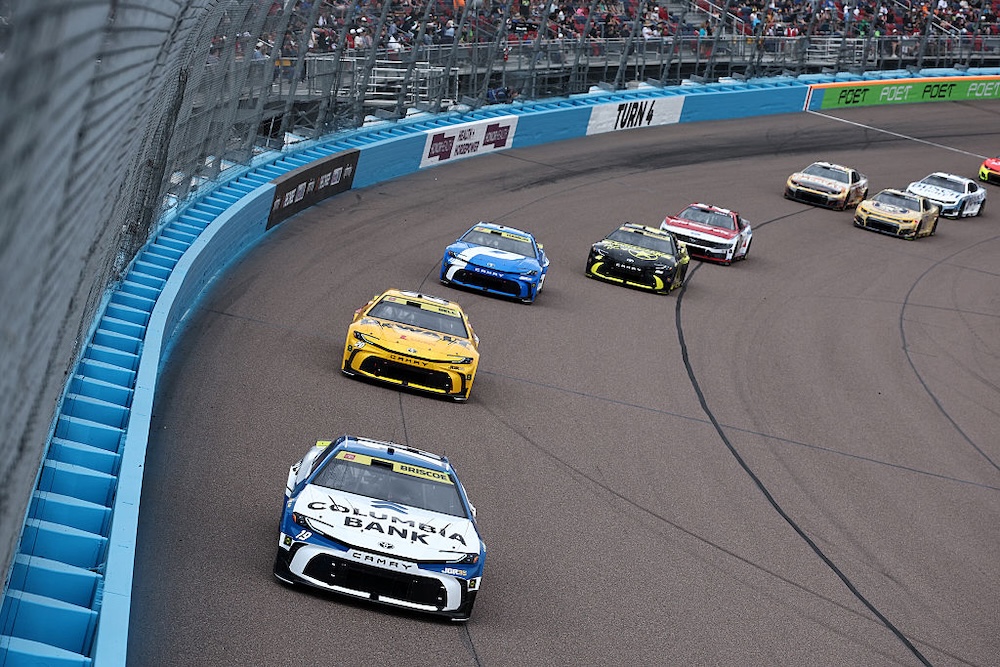
“It made a lot of us do a lot of stupid things at times,” said Chase Briscoe. “As a driver, it put you sometimes in a really miserable spot. It made you do things that you did not want to do or knew were probably not acceptable in any circumstance. I’ve always been really big on trying to be an example for the kids coming up that are racing, and that format did not do you any favors in trying to show how you should race.”
The question or at least intrigue, ahead of the 2026 season, in which NASCAR has reverted to a 10-race Chase for the championship, is whether such moments will continue.
Under the new system, there are no elimination races. A win is no longer an automatic entry into the postseason. There will still be point counting and point watching, but Bristol Motor Speedway, the Charlotte Roval, and Martinsville Speedway will not have points as they run graphics and conversation about a cutline.
There won’t be a buildup of anticipation of what could happen in the final laps when it’s clear who needs to do what to advance. Or to win. In other words, two of the biggest reasons why drivers would dive bomb into a corner or take someone out in the chicane at the Charlotte Roval or wreck (they might argue the word was “move”) another driver for the win, is gone.
That means egregious racing and contact will be gone, too, right?
“No,” Kyle Busch said. “No. No. When you watch all the children that race all year long in the ARCAs and the late models and other things, and you see that stuff already, they’re taught from a very young age to dive bomb and run into them and door that guy. Being a dad, I’ve heard those words, and maybe I’ve said those words once or twice. But I don’t think it’ll change a whole lot.”
There are a number of examples of drivers using the format as the reason they did what they did. Or the reason they did something they never openly owned up to, but the eye test would say otherwise.
Kevin Harvick, for example, was dealing with a mechanical issue in the playoff race at Talladega Superspeedway in 2015 when he wrecked a large portion of the field on a green-white-checkered restart. Harvick was fighting around the cutline to advance and never admitted doing it on purpose, but some in the garage felt differently.
In the fall of 2020, there was another moment involving Harvick. This time, he wrecked himself and Kyle Busch off Turn 4 at Martinsville Speedway because he needed the position to advance. It was for nothing because it didn’t work out the way he needed.
“It definitely does,” Joey Logano said about how the racing will change without eliminations. “You had multiple times throughout the year of a lot of teams and drivers doing desperate things. … It was a true test of what your morals are in the race car and what you’re OK with, and your memory is always reminding you what’s happened to you. All those things.
“It was a true challenge mentally deciding what you were okay with and what you weren’t, and I’m going to be honest with you, it was a hard place to be for all the teams of what’s acceptable. Everyone has a different line of what that is. Now that type of do-or-die moment isn’t going to be here as much.”
Briscoe was the center of one controversial moment in 2022 when his former teammate at Stewart-Haas Racing, Cole Custer, was penalized for race manipulation. NASCAR felt Custer’s team had slowed on the final lap of the elimination race at the Charlotte Roval and was impeding other drivers. Briscoe advanced into the next round.
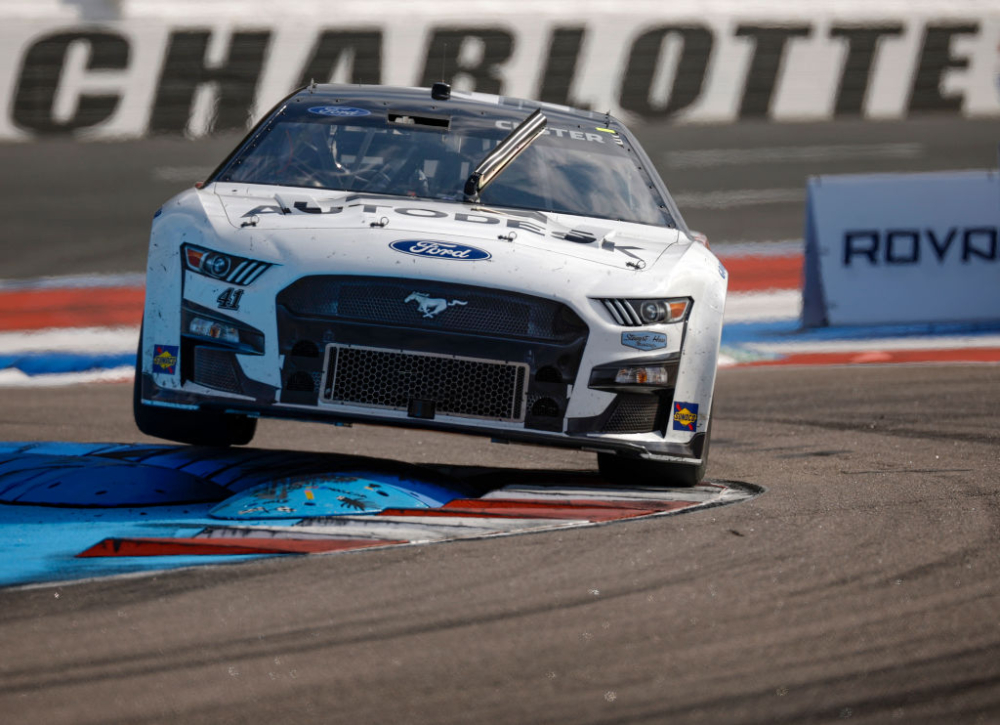
Custer's actions at the Charlotte Roval in 2022 helped Briscoe advance in the playoffs. Jared C. Tilton/Getty Images
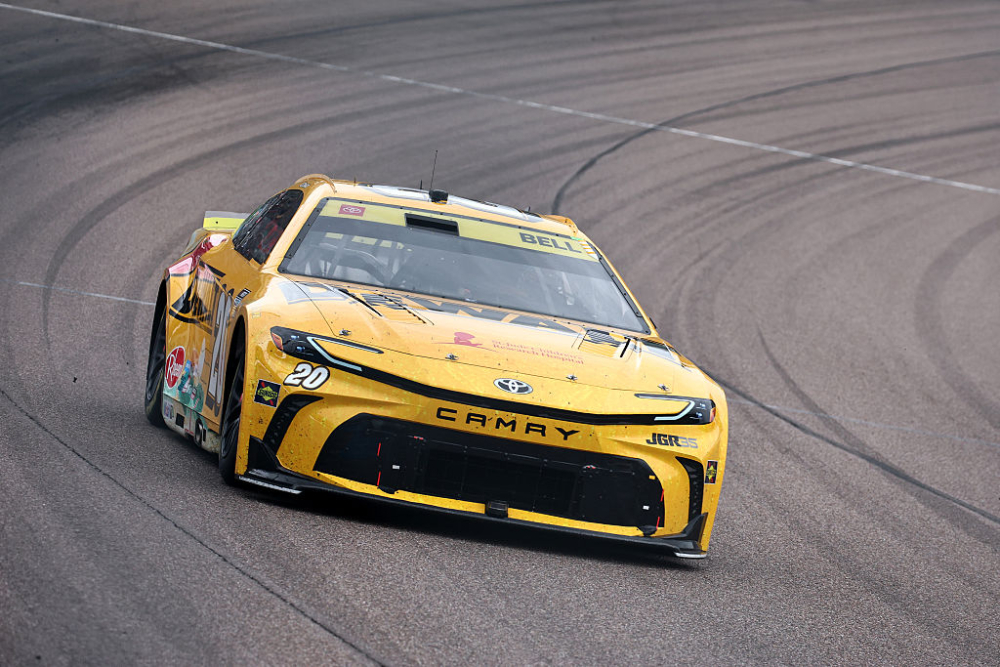
There was also the end of the Martinsville Speedway elimination race in 2024 that resulted in multiple race manipulation penalties. At the center were Chevrolet drivers, including Ross Chastain and Dillon, who appeared to be blocking for William Byron to advance. In the same race, Christopher Bell was penalized for what NASCAR deemed to be wall riding.
The move had been outlawed after Chastain went full throttle into the wall at Martinsville on the final lap of the 2022 race. Although not necessarily a controversial moment, the Hail Melon, as it was nicknamed, was a moment in time of what a driver was willing to do to advance.
Last year, Chastain wrecked himself and Denny Hamlin in the final chicane at the Charlotte Roval because he needed a position. Chastain still failed to advance.
“That is the excuse that just grinds my gears most,” Ryan Blaney said. “We’ve had a lot of finishes where a guy gets out and he’s like, ‘Well, I didn’t want to do it, but I did it because I had to do it.’ I hate that excuse. But from their side, I get it, because that’s the format. You would have a huge uproar online and it didn’t make the sport look good. It made it look like a demolition derby at times in those little moments, and I just hated that. The purity of it was kind of fading.
“I think this (new format) is going to bring it back.”
Blaney hopes to see racing with respect return to the sport. Dale Earnhardt Jr., however, doesn’t want anything to change.
“Will they still do the unusual things, uncommon things, to win? I hope so,” Earnhardt said. “That’s what they all show up to do every single week: win. When it comes down to it, we race every weekend to try to win the trophy and take the checkered flag. It’s not fun to come home second, third, eighth, 10th, every weekend and not be a guy who’s winning races. Our teams, our sponsors, our fans are all expecting success. You feel that pressure as a driver and go to the racetrack knowing that, ‘Man, I need to win this race. I have to perform. I got to show that I deserve this contract …’
“So, I hope there is still a true desire to go out there and be uncommon and be unique in some moments. Like Carl Edwards sending it into Turn 3 at Kansas (in 2008) and hitting the fence. Obviously, the video game move at Martinsville with Chastain. I hope we still get some of those things and I think we will.”
A driver’s will to win shouldn’t be in question, and winning in the Cup Series is, by all admissions, hard and therefore special when it happens. Perhaps that can become the prevailing story in NASCAR going forward, rather than the ridiculousness of what a driver did to make it happen or to get a point they needed to move on in the postseason.
Kelly Crandall
Kelly has been on the NASCAR beat full-time since 2013, and joined RACER as chief NASCAR writer in 2017. Her work has also appeared in NASCAR.com, the NASCAR Illustrated magazine, and NBC Sports. A corporate communications graduate from Central Penn College, Crandall is a two-time George Cunningham Writer of the Year recipient from the National Motorsports Press Association.
Read Kelly Crandall's articles
Latest News
Comments
Comments are disabled until you accept Social Networking Cookies. Update cookie preferences
If the dialog doesn't appear, ad-blockers are often the cause; try disabling yours or see our Social Features Support.