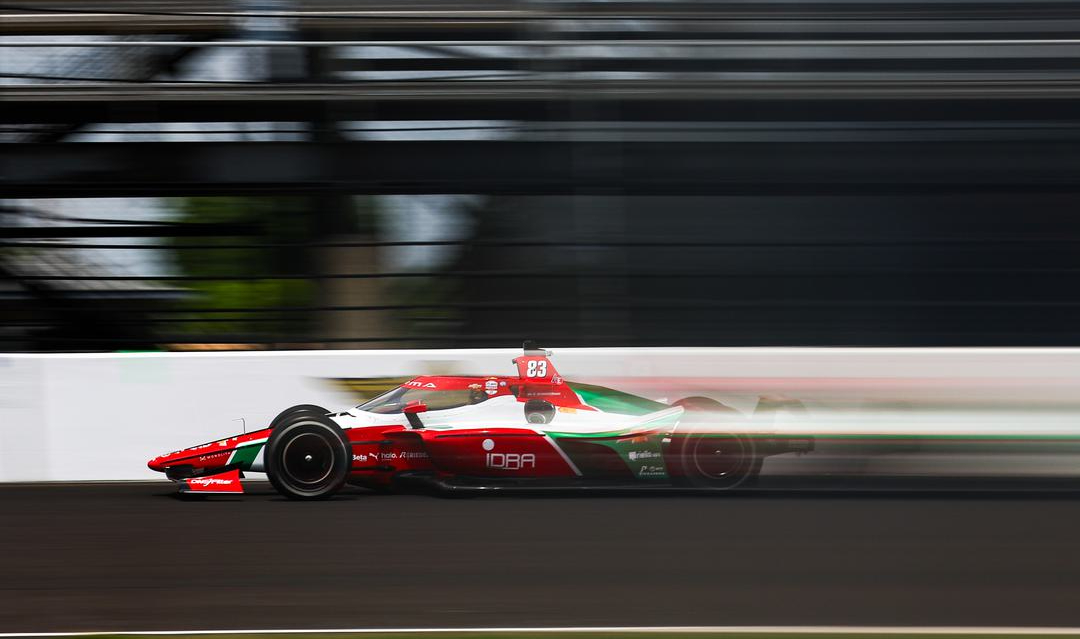
Chris Owens/IMS Photo
PREMA primavera at Indy
Pole for the Indianapolis 500 is a highlight-reel moment for any driver or team, even the ones who earn it relatively often. For Robert Shwartzman and PREMA, leading the field to the green this afternoon reframes the entire season.
For decades a powerhouse across European development series, PREMA is counting down the hours to its sixth-ever IndyCar race, and its first on an oval. On the driver side, Callum Ilott’s three previous Indy 500 starts represent the entirety of the line-up’s experience on the Speedway. Shwartzman will make his first career Indy start from pole: a big moment for him, and as team sporting advisor (and PREMA alumnus) Ryan Briscoe explains, a shot in the arm for the entire organization.
“Such a phenomenal achievement for the whole team,” Briscoe tells RACER. “It's been a really difficult start, just getting into IndyCar, building a brand-new facility, moving into it over Christmas… and then just once the season gets rolling, you’re on the back foot trying to keep up. It's not like in IndyCar you just go to the suppliers and buy all the stuff, and you've got what everyone else has. You buy the stuff, and then it's not good enough and you have to do work to make it good enough.
More IndyCar
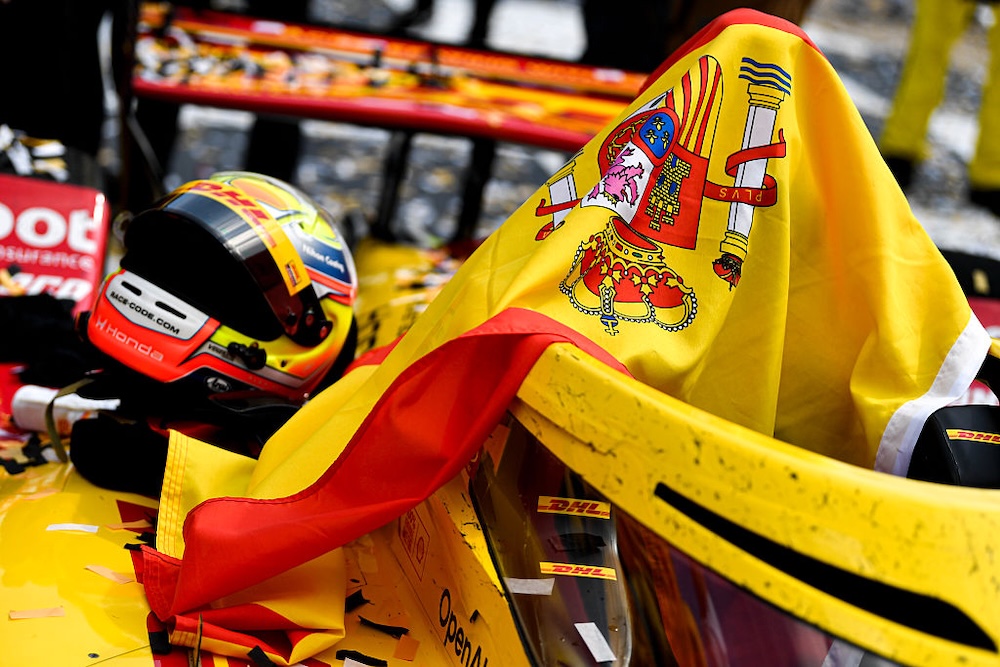
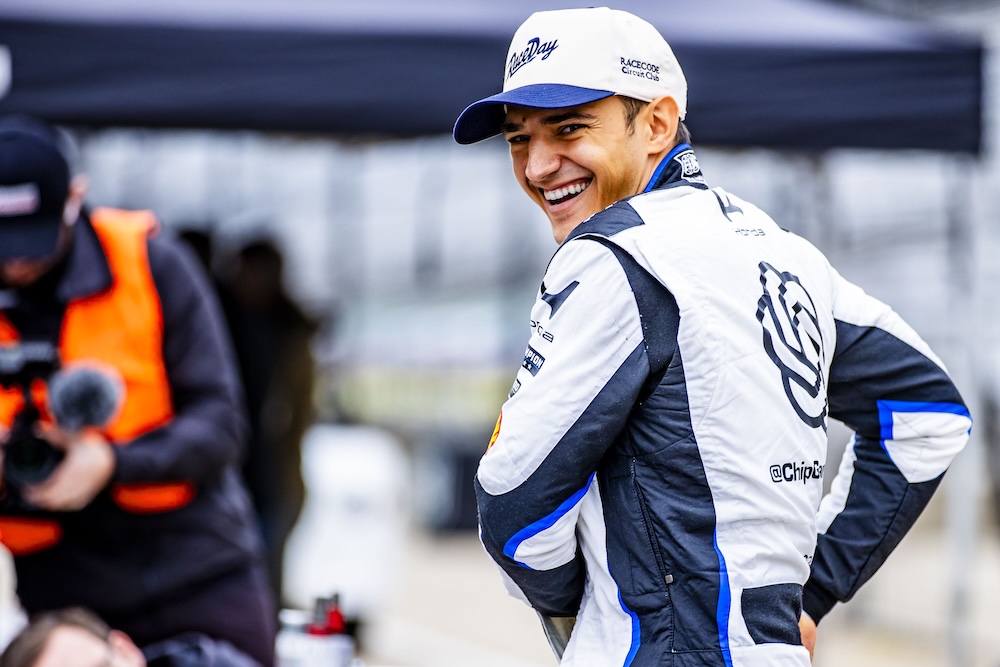
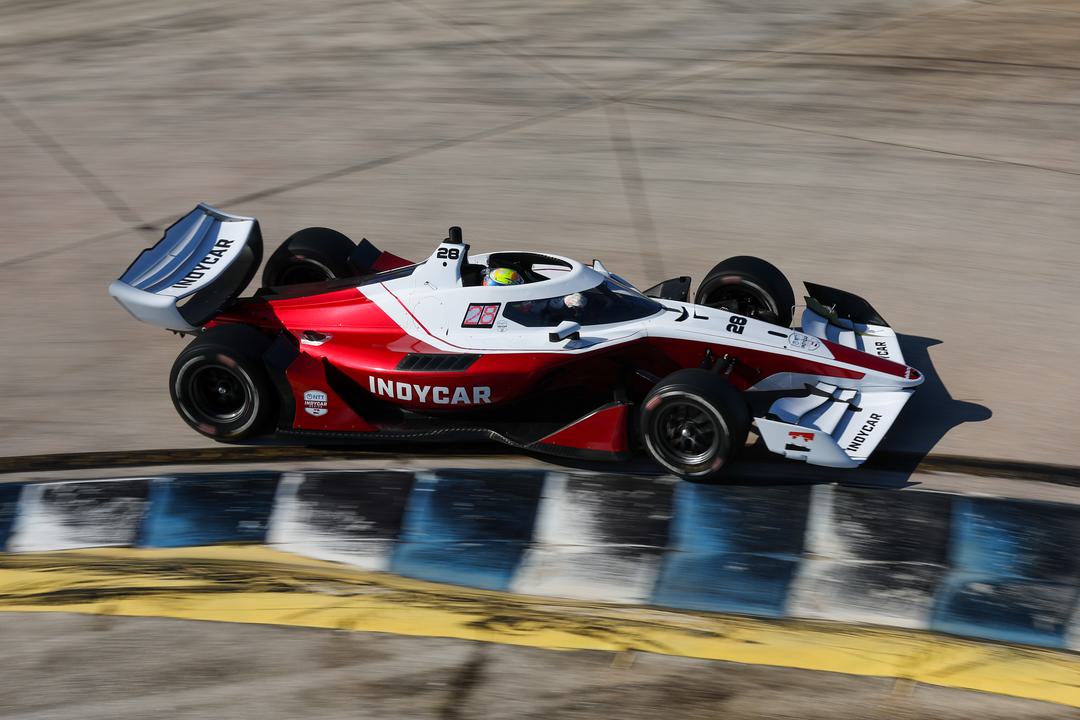
“It's just a lot of work to even show up. And to show up and then to try to be half-competitive is even more work. A lot of attention was given to the build of the cars and everything that was going to go along with that for Indianapolis. But even that was, man, cutting it close on time and everything to get the cars ready. They just came out of the paint shop the week before we came here. We did the Open Test on our road course cars – we didn't have our Indy 500 cars yet. And then getting those ready while we were going racing in Barber…
“It was like, ‘Hopefully we can show up and have something decent.’ Every team knows at this point what needs to be on the car for Indy, but a lot of times they can't achieve the speed. So we were thinking, ‘Well, hopefully we can be mid-pack or something.’ And then when we unloaded it, right away we were feeling like, ‘Man, this car seems fast; we've got some decent speed.’ So we just kept chipping away at it all week.
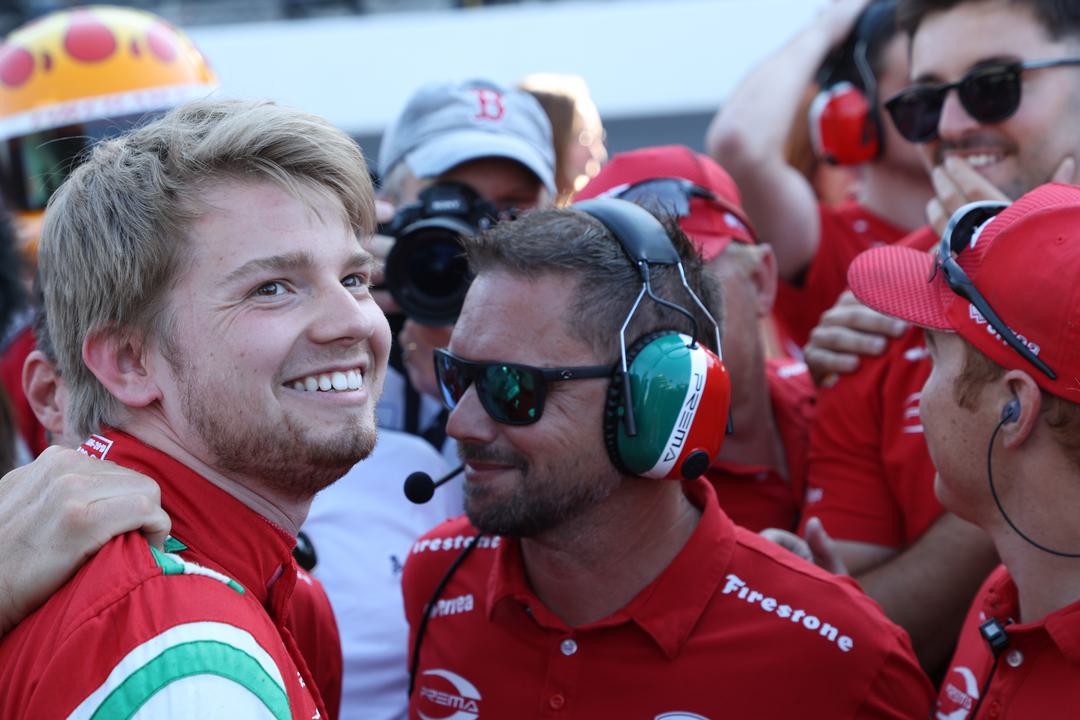
Pole at Indy in his first try on an oval was a huge moment for Shwartzman, but the next step will be even bigger... Matt Fraver/IMS Photo
“We did focus more on our qualifying performance than race prep. Sacrificed a bit of race prep, probably. But especially with Robert, we got to a very happy place early on with his setup where we didn't have to make any big changes. Massive kudos to the engineering staff that did the research and unloaded with a couple of setups that were already close to what we've got on the cars now.”
PREMA is an organization deep in engineering knowledge, but a lot of that is rooted in European racing and doesn’t immediately translate to the quirks of IndyCar, nor the bumpy tracks that it races on. A lot of the early part of the team’s IndyCar journey has been about finding the bits of European know-how that apply and incorporating them into the experience and knowledge brought by those who do have an IndyCar background. Coupled with that has been the process of learning what each driver wants from the car – which in Shwartzman’s case, has been a process he’s been doing in real time in tandem with the team.
All of this has contributed to what Briscoe admits has been a difficult introduction to IndyCar racing for a team that is more accustomed to setting the standard than chasing it.
“We came here wanting to be competitive, but none of us dreamed of being on pole in our first year,” he says. “Absolutely not. It’s not for lack of effort – we're trying to do everything that it takes to be on pole – but it's been a tough start to the season. We haven't been super-competitive.
“You always want to do better than what it has been, but both cars on different occasions have had really promising performance. At the Indy GP Robert had top-10 race pace, but we had issues in P1 and he didn't turn a lap until qualifying. Then we went out in qualifying and the balance was not good for him. We changed the car completely for the race and he went out, and actually had a really strong race. It's just that he stalled in the first pit stop, which wasn't his fault. So now you're half a lap behind. But then we analyzed it all at the end and were like, 'OK, we actually had a really strong race performance and we learned a lot, and we'll apply that to the next race that makes sense.'
“But still, to come here… Fast Friday, we started to believe a little bit. Like, ‘We've got top-12 pace here, if things go our way and we get the good draw… and it was fourth car in line for Robert’s car, we got good conditions, let's go for it. Let's not be too conservative here. Let's really push the envelope.'
“We were P6 at the end of Saturday with that single run. Then looking at what everyone else was doing… I was feeling pretty confident, like, ‘Man, we're legitimately a top-six car here.’
“So talking with Robert’s engineer, we were like, ‘We don't really feel the need to practice on Sunday because a lot more can go wrong doing that than right.’ We knew what the temperature was going to be for the top 12. We knew what the downforce needed to be, and the speed is what it is. We just made sure no one touched the car from Saturday to Sunday.
“The cool thing is that even if [Scott] McLaughlin didn't crash, even if Will [Power] and [Josef] Newgarden both qualified – so even if all three Penskes took part in that top 12 session – and even if all three Penskes did happen to go quicker than Robert, we were still in the pole shootout. So it's not like we got there on luck.
“In the Fast 6 you think, ‘Oh, what's Ganassi going to do?’ And when I saw Palou do 231, I was like, ‘We've got this.’ We were looking at it and all our predictions were, we're going to do 233. I was actually thinking, ‘Could we do a 234?’ But we were definitely going to do a 233. And when Palo and Dixon were like 232, 231, I was, like, ‘All right.’
“Sato was strong. They did a really good job after crashing at the test and then rebuilding and getting him back. There's definitely a Sato effect. He does a really good job here.
“But pole… just amazing. Just the pure joy for the whole team. It's such a big accomplishment. And then to get congratulated by all the big teams on pit road as well, all the small teams, because for the big teams they're like, ‘Holy crap, good job. We're the best at this and you just kicked our butt.’ And then to the small teams, I've had lots of people come up and they're like, ‘Man, that makes us believe that it's possible we can do it, too.’
“Amazing for us, and amazing for Robert. I don't know if he understands what it means. But he's really been eating it up. His interviews are just so fun, because he gets out of the car and like, ‘How was it?’ And he just starts telling a story; he's so natural. He's just so funny and he's just so genuine and honest, and you really feel like you're in the driver's seat when he is telling you how it went. And I think the crowd just loves that because he's got that goofy factor about him. Like, he's a bit weird, but really likeable. He's just great.
“It's just been really fun to be a part of, and fun for me, right from the beginning when Renee [Rosin, team principal] called me in February last year and he was like, ‘We're getting into IndyCar and would you like to be a part of it, and come on as like an advisor and coach?’ It such good timing for me – I wasn't racing, and I started my racing career with PREMA, and I was like, ‘This just feels so, so good for me.’
“I was more emotional on Sunday during qualifying than I was when I got pole myself! It meant so much to me, and it's just been so much fun.”
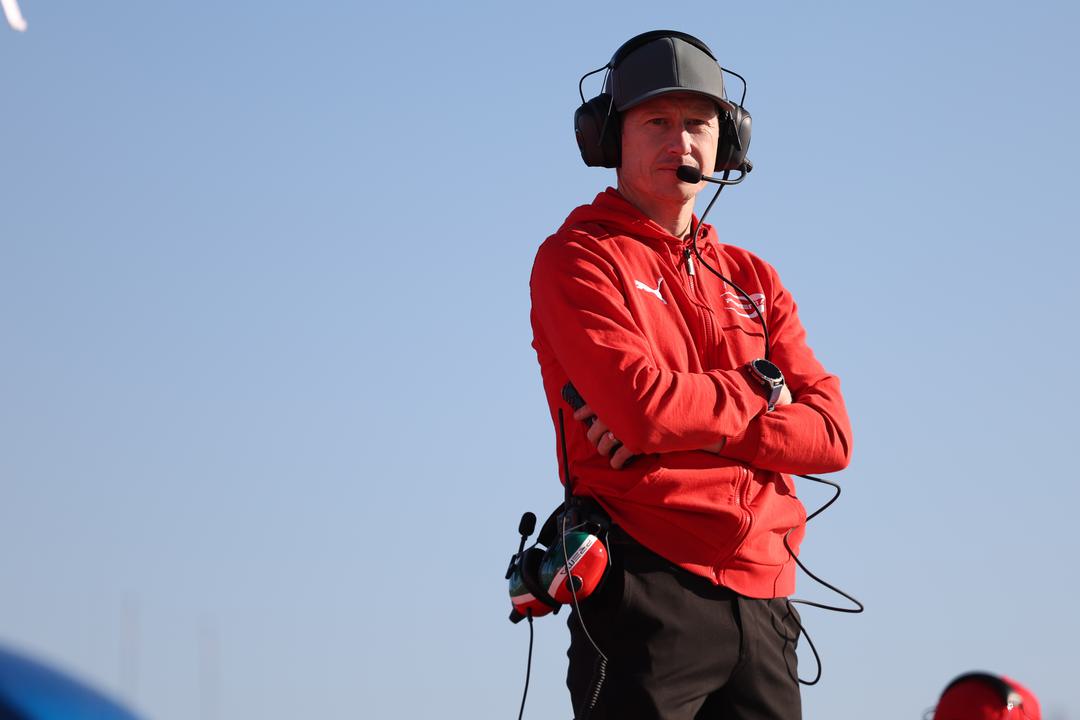
As a former Indy 500 pole winner himself, Briscoe's well positioned to coach his driver on how to approach the start. Joe Skibinski/IMS Photo
As Briscoe noted, he’s no stranger to posing on the yard of bricks with the pole winner’s giant novelty check himself, having won pole for the first Indy 500 of the DW12 era with Penske in 2012. His advice for a driver who will be starting at the front of the field with zero laps of oval racing to draw upon?
“Keep it simple,” he says. “Don't overthink it. Honestly, try to start it like you would any other race. He's the pole-sitter. He gets to be the one that decides when to accelerate. And I think for the Indy 500, there's a lot of respect for that.
“Robert has the advantage of bringing the field around the last corner, accelerating when he wants to, and then the others will follow suit. As long as there's not a miss-shift or overboost, something abnormal… if he just takes off and does it smoothly, he should lead the field into Turn 1 and then exit to Turn 2, the race is on and get ready for the passing to begin. But the most important thing is, let's get through Turns 1 and 2, and then get on with it.
“I was looking back at when I had the pole and I was re-watching my race, which I don't think I'd ever done, actually! I led into Turn 1 and led out of Turn 4, but I got overtaken before the start line, so I didn't lead the first lap. I mean, I led 99% of the first lap, but it doesn't matter. You don't get judged on that. The first car punches such a big hole in the wind. The leader isn't even expected to lead at the end of the first lap.
“Robert is such a student and has been watching so much video and so forth that he's not going to be blocking everyone to try to stay ahead. He's smart and he knows it's a long race. He's still gaining experience of running in traffic like this. You’ve got to remember he's never raced an oval before. Most rookies at Indy in the past have at least raced on another type of oval. Robert's never raced on any sort of oval. We've had fairly minimal testing. So the last couple of days of on-track, Carb Day and Monday, have been all about just getting him as many laps as possible in traffic, the timing and all that, which is so important and unique that it's a different style of driving that you don't do on road courses.
“I think it's going to be a difficult race. You've got, how many Indy 500 champions in the race? Eight? It's a very experienced field. If we're there at the end competing for the win… amazing. But if not, he shouldn't be upset. Take the experience. Already having won the pole is absolutely incredible. The work doesn't stop there. We want to go out and have the strongest race possible, but it is going to be difficult and he's going to be learning all day long. If we do get shuffled back – and even the best guys sometimes get shuffled back – it's important just to keep cool. Roll with it. It's long day, don't get too worked up. So that's the sort of stuff we’re getting him ready for.”
And for a team that’s still finding its feet in IndyCar, it’s about taking what it achieved in qualifying and moving it beyond a single moment in the spotlight, and turning it into something that the whole program can coalesce around.
“It's a huge motivator for everyone,” Briscoe says. “It's straight back to work for Detroit next weekend; completely different track to what we're at here. But it feels great. I think the team needed the sort of celebration that we've been able to have over the last few days. We've been knocking on the door, honestly, of being competitive. Callum was really strong in Barber – he was a little unlucky in qualifying, but he was really strong there. Robert was really strong in Long Beach. Hit the pit speed button on his qualifying lap in the hairpin, so qualified at the back, but I think he could have qualified top 12. Then Robert, in the race at Indy GP, had a top-10, top-12 race performance.
“We are still trying to piece it all together, but we've been bit by bit knocking on the door. So I just want to see that progression for the rest of the season. As we keep learning and gaining experience, move up to mid-pack, and then from there, try to be consistently top 10. It's there for the taking, and I truly believe that's where we should end up by the end of the season.”
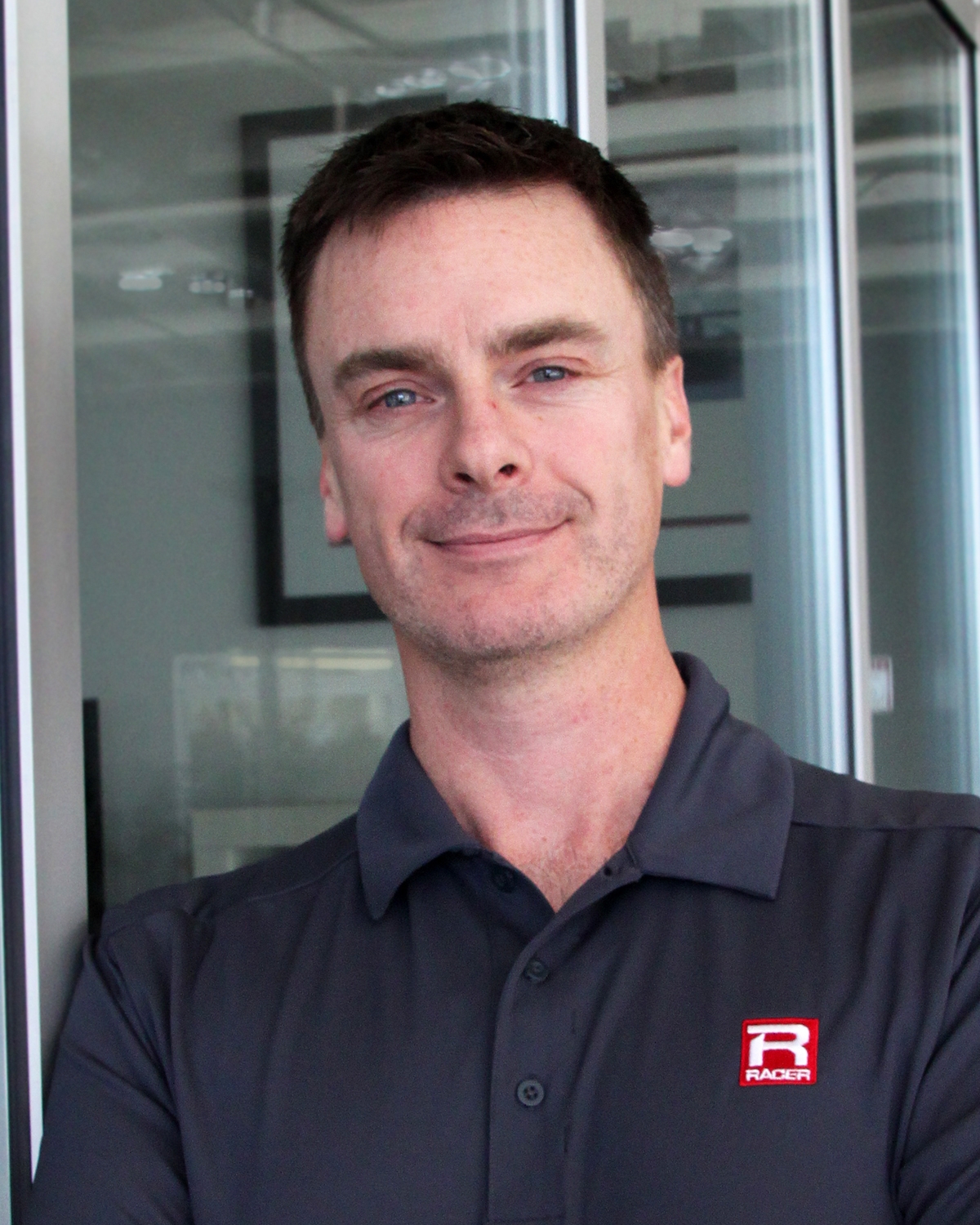
Mark Glendenning
During his long career in racing, Mark has been placed into a headlock by a multiple grand prix winner, escaped a burning GT car, ridden a Ferris wheel with Ari Vatanen and almost navigated a rally car into a pond. He’s also had the good fortune to have reported on hundreds of races around the world, first while working for a national publication in his native Australia, and later during his years with Autosport in the UK. He moved to the U.S. in 2012, and after a serving as a contributor to RACER he joined the publication full-time in 2015. Mark now serves as Editor of RACER.com, and is also involved in the production of the magazine.
Read Mark Glendenning's articles
Latest News
Comments
Comments are disabled until you accept Social Networking Cookies. Update cookie preferences
If the dialog doesn't appear, ad-blockers are often the cause; try disabling yours or see our Social Features Support.