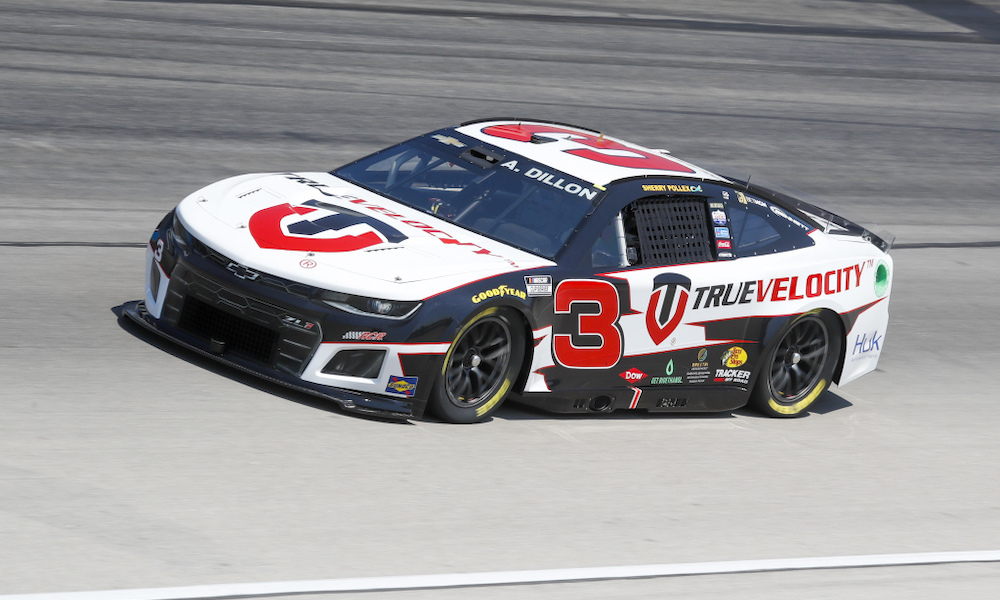
Motorsport Images
RCR's Petree confident that Next Gen improvements are on the horizon
From a team perspective, Andy Petree says he’s comfortable with the communication and response from NASCAR on addressing issues with the Next Gen race car.
But Petree, the vice president of competition at Richard Childress Racing, also admits he’s coming at it from a different perspective to many of the car's detractors. Petree deals with NASCAR from the competition side, whereas much of the negative – and quite loud – feedback comes from drivers.
“I think NASCAR is doing a good job of taking input [and] listening to what we are saying as an industry,” Petree said. “I don’t know about the drivers … they may not be getting the response that they feel like they need on some of these things, but NASCAR is working on the car. I see some future design changes that are hopefully going to address some of the things that the drivers say about some of the impacts, and maybe soon we can make the car a little better.
“But I’m happy with the dialogue that we have and the collaboration that we have when we’re trying to fix problems. The steering is one of those. We have a group of people who meet about that, put their input in it, so we can hopefully move forward and make that system a little better. So yeah, I’m happy with where we are on that.”
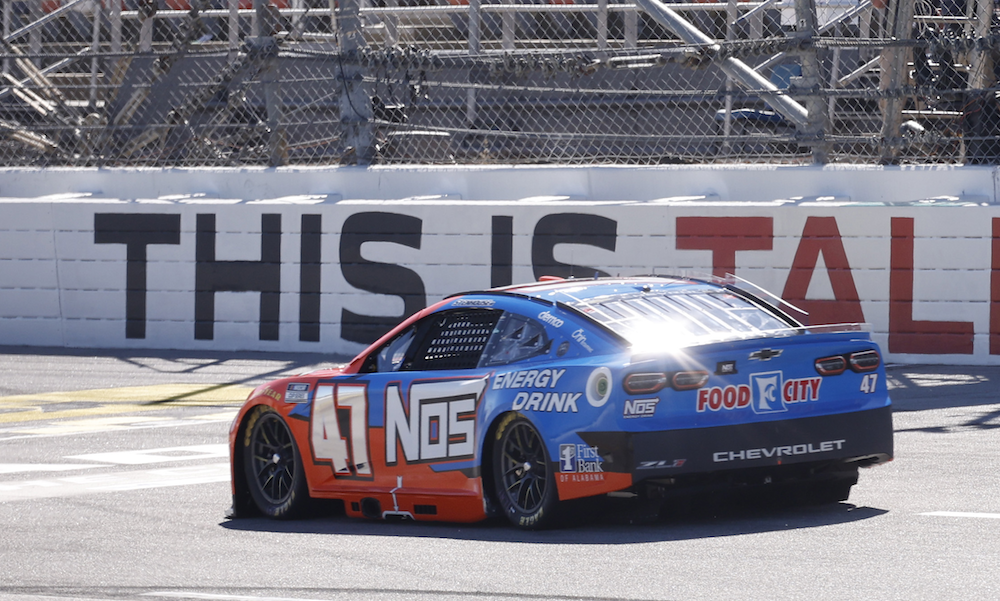
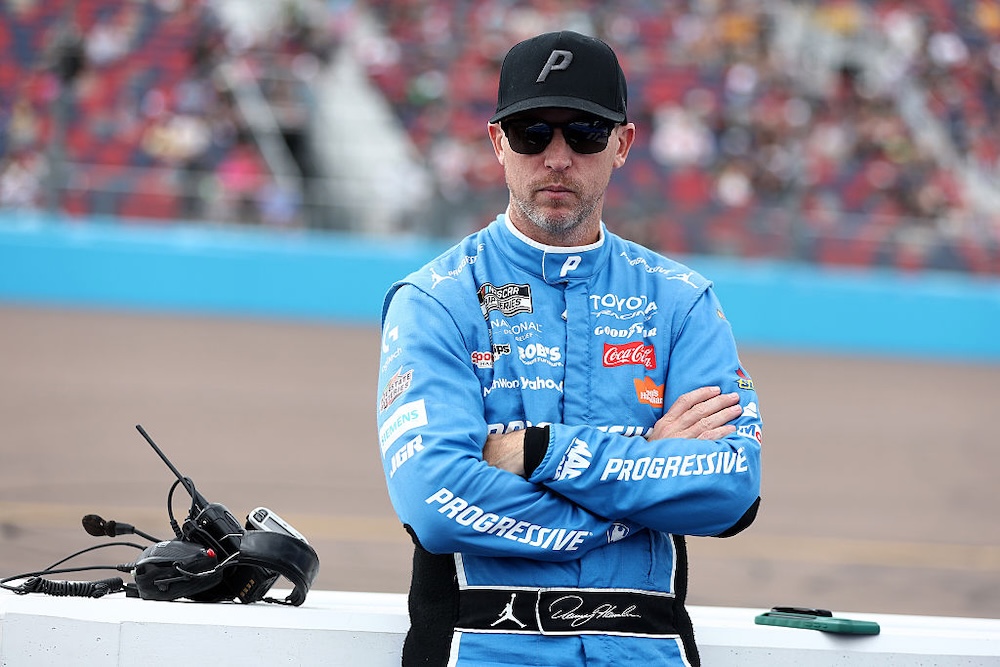
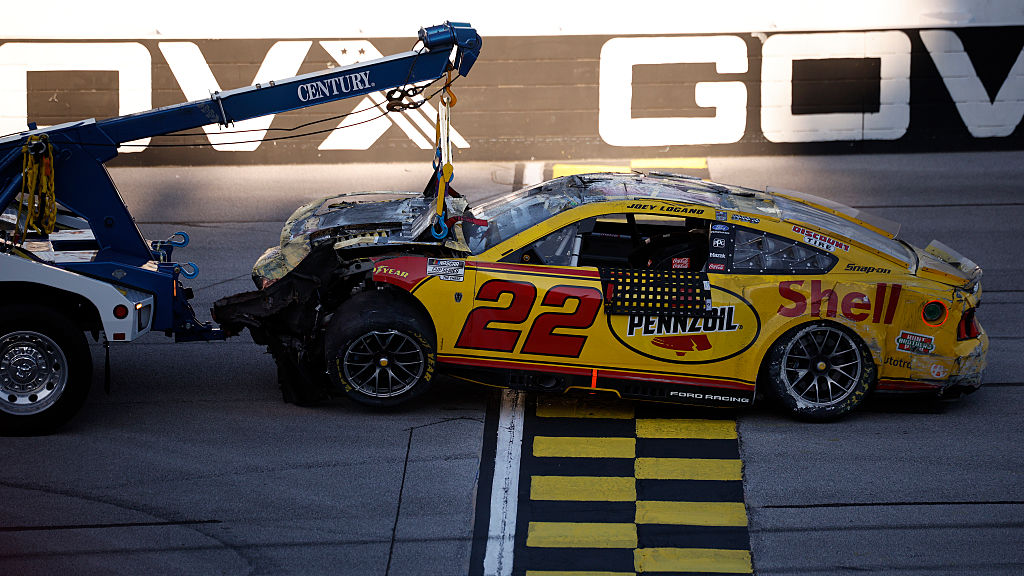
Long before Kurt Busch and Alex Bowman were sidelined with concussion-like symptoms, drivers complained about the impacts. Next Gen, according to drivers, is built stiffer, and rear impacts hurt more than ever before.
Busch backed his car into the wall at Pocono Raceway in mid-July and hasn’t raced since. Bowman spun last weekend at Texas and also suffered a rear impact. It was announced Thursday evening he will not compete on Sunday at Talladega Superspeedway.
Other issues that have cropped up include the steering racks, fires and tires. NASCAR and the teams worked on solutions to the steering rack problems – primarily vibrations – during preseason testing. When multiple cars caught fire during the summer, the series made changes before Richmond Raceway and after Darlington Raceway in a continued push for a solution.
Tire failures have happened all year. But that is a combination of the load put on the tires with the car, air pressures and camber setup.
“We all have a responsibility there of the way we set the cars up [and] Goodyear as well,” Petree said. “We would probably like to have a tire that was a little more durable and maybe didn’t offer as much performance advantage for adding camber lowering pressure, all these things. It’s a difficult proposition for [Goodyear]. Probably never going to make a tire we can’t tear up, but we as teams have to go after all the performance, everywhere it is. Especially with the cars so much closer now that you’ve got to go for every single detail, and we’ve been on the wrong side of that.
“California, one of the first races on a downforce track this year, we had a flat with Tyler [Reddick] on the left-rear leading the race. We learned from that a little bit and then we go and we have a failure on the right-rear in Atlanta (while) running well. Then we had another one at Kansas recently. So, we have to go back and say, how can we protect the tire more? How do we still get the performance out of it? How do we walk that tightrope between performance and durability? I felt like we did a really good job this week at Texas. It was nerve-wracking for sure, but some people were on the wrong side of it, and luckily, we were on the good side and were able to come away with the win.”
Kevin Harvick has been particularly outspoken about “crappy” parts and tires. Others, like Petree, have placed responsibility around the garage. When it comes to necessary fixes, Petree doesn’t believe it will lead to off-season testing but just continued updates.
“I can see a few design changes possibly to the structure of the car and a couple of places that are not impactful to performance,” Petree said. “Not really a reason to go test those and obviously, we’re not going to crash team cars to be able to see how crash-ability is. I’m sure there is plenty of simulation that can do the job on that. But I do see them making some incremental changes to make it better.”
Kelly Crandall
Kelly has been on the NASCAR beat full-time since 2013, and joined RACER as chief NASCAR writer in 2017. Her work has also appeared in NASCAR.com, the NASCAR Illustrated magazine, and NBC Sports. A corporate communications graduate from Central Penn College, Crandall is a two-time George Cunningham Writer of the Year recipient from the National Motorsports Press Association.
Read Kelly Crandall's articles
Latest News
Comments
Comments are disabled until you accept Social Networking Cookies. Update cookie preferences
If the dialog doesn't appear, ad-blockers are often the cause; try disabling yours or see our Social Features Support.