Robin Miller's Mailbag for December 9, presented by Honda Racing / HPD
hpd.honda.com
and on social media at@HondaRacing_HPD
and https://www.facebook.com/HondaRacingHPD.Questions for Robin can be sent to millersmailbag@racer.com. Due to the high volume of questions received, we can’t always guarantee that your letter will be printed, but Robin will get to as many as he can. Published questions have been edited for clarity. Views expressed do not necessarily reflect those of RACER or Honda/HPD.
Q: I just read Marshall Pruett's latest IndyCar silly season update and find the Santino Ferrucci situation very frustrating. He's fast, seems personable and ought to be one of the rising stars to carry the sport into the future. In another article, Charlie Kimball is quoted as saying "everyone is looking at the same seats, with more or less the same budget to bring." My question is, what is the owner's ask, and what is the driver's bid? In the past I've read numbers as low as $4 million and as high as $8 million. Between you and Marshall, someone has to have some idea what the numbers are. There certainly seems to be a substantial gap to overcome.
Bill Carsey
RM: Losing Santino to NASCAR isn’t good because he’s fast, fearless and personable with a bright future. We’ve always been led to believe that $2 million could secure a ride with Dale Coyne (at least that’s what Santino supposedly brought) and it’s a sliding scale with Ganassi at the top (maybe $4-5 million), followed by Andretti (supposedly Ferrucci was offered a seat there for $4m for 2021). Roger Penske doesn’t take money and never has; he always hires his drivers. But I imagine if you have $2 million, you can get to the front of the line with Coyne or Carlin.
Q: Thanks for keeping all of us fans up to date with your knowledge of the drivers, tracks and history. Just curious about fallout from the Grosjean incident. I've always wondered why F1 is the only series (to my knowledge) to follow the field on Lap 1 with a medical car? Don't remember the exact number of seconds, but those guys in the medical car arrived to help Grosjean quite quickly and were obviously a factor in his (and obviously any similar future incidents’) safe outcome. Do you see IndyCar or other series adopting a medical car procedure a la F1, now that its worth has been quite tangibly proven? Did you ever have the opportunity to meet Sid Watkins or any of his colleagues in the racing medical discipline?
Marty, Belmont, CA
RM: No, IndyCar’s safety crews have been the best since CART began making it a priority in the late '80s, and they have the necessary equipment and training to rescue a driver as quick as possible. The F1 guys helped Grosjean out of harm’s way, but thankfully he wasn’t unconscious because I’m not sure what they could have done if that was the situation.
Q: I just read the article about Grosjean being hesitant (at least for now) about coming to the States to race for Foyt next year. I can understand his reasons. Who else does Larry Foyt have in the pipeline for that seat? Would Charlie Kimball return, or is there someone else?
Deb Schaeffer
RM: I think Dalton Kellett is returning to team with Seb, and I guess Larry and A.J. would run a third car if the money was right. But I’m kinda hopin’ they stick to two and concentrate on Seb.
Q: In this age of conspiracies, could Mercedes’ tire mix-up, perhaps robbing George Russell of his first Formula 1 win or at the very least a podium appearance, been some dastardly deed to protect Lewis Hamilton’s image?
Mark Holdren
RM: Probably not, but I like the way you think. And it sure makes you wonder how many other guys on the grid could kick ass in that car.
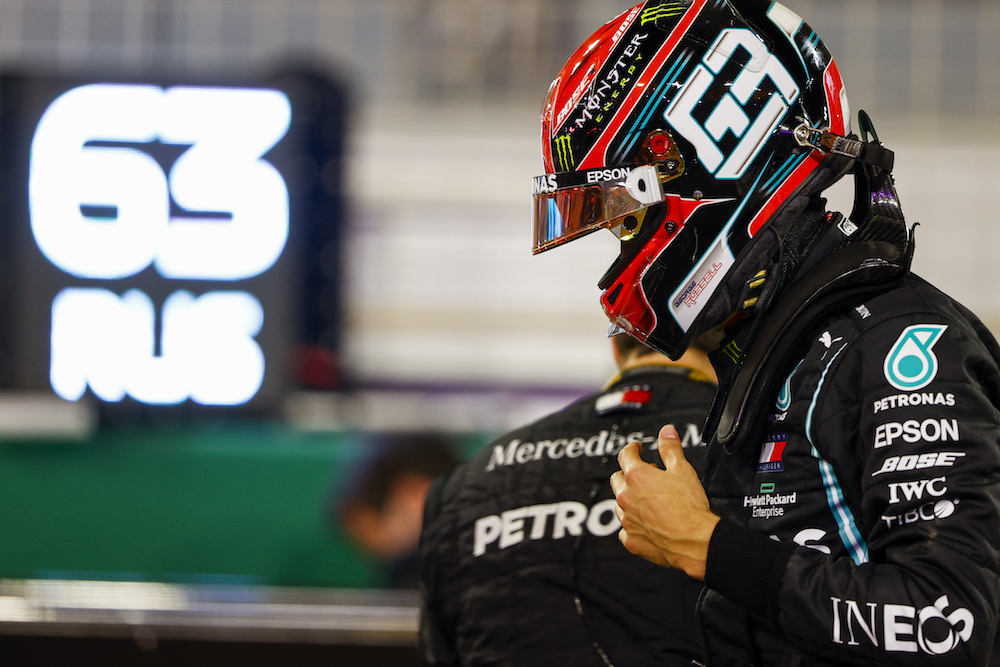
We'll leave the conspiracy theories for others, but the one thing we can be sure of is that Russell had a better platform to show off his undoubted talents at Sakhir than he'd had in his previous 36 F1 starts. Andy Hone/Motorsport Images
Q: Enjoyed your article on Donald Davidson. Back in 1989, I was the successful bidder on all three of the Whittington brothers Indy cars at a federal government auction. While I have been a huge fan of Indy car racing virtually from birth, I needed some information and called Donald. Very helpful, friendly and gave me great insight about what the paddock thought of the Whittingtons when they showed up. Also I was lucky to get a picture of myself with him and Andy Granatelli in the speedway museum in 2007, which I treasure today. Do you think he’ll continue his radio show in May? Always enjoy your stories; please don’t retire!
Jim Wilson, St. Augustine, FL
RM: No doubt Donald is a treasure, and I cannot tell you how many enlightening conversations I’ve had with him during the past five decades. Not sure about him continuing the radio show, but hopefully he’ll still be part of the Indy 500 broadcast for IMS radio.
Q: To the best of my knowledge, the 2020 Robin Miller Award has not yet been awarded. In light of Donald Davidson's upcoming retirement, it seems only fitting that he be named the recipient for this year. Agree? Best wishes for a safe and peaceful holiday season and a better 2021.
Mike Fox, Kalamazoo, MI
RM: I think it’s a great idea because nobody has done more to promote the Indy 500 than Donald, and it’s been his life for 56 years.
Q: Looking forward to your annual Christmas gift guide video. Have you spoken to Evi Gurney lately about the status of Dan’s autobiography? It’s been years since we first heard about it, and I’m hoping I’m still around when/if it’s finally published.
Rick Johnson, Lynnwood, WA
RM: Evi is working hard to have the first of two (Dan’s driving career) books done by this summer, and she’s sorting through and editing all the photos as we speak. Xmas video will be made this weekend.
Q: Your holiday gift recommendations in the past have been great. What would really be neat would be to get obsolete or expired parts from the cars. Where do old suspension and other disposables go? It would be cool to decorate a man cave with a suspension arm or brake disc, etc., that had been used in an actual race. I’m sure they would be worth more than scrap value if they were made available for fans to buy.
Bary Berger
RM: It’s a good idea and during the season you could probably get some good broken parts after crashes, but not sure how it works in the winter. The best present used to be when Firestone and Goodyear threw away tires after a race and people made coffee tables out of them, but that doesn’t happen anymore.
Q: I understand Jimmie Johnson has been in Birmingham testing a lower-spec open-wheel car. Any idea what type of car he is testing with? Also, are there restrictions on testing in non-IndyCar type open-wheel cars? Could a driver do unlimited testing in a Lights, F3 or an old Champ Car?
Craig C., Slinger, WI USA
RM: Here’s Mike Hull: "Jimmie has been in the Honda Simulator to work on the racetracks. To this point, he has tested his No. 48 Carvana IndyCar at Barber and Laguna Seca based upon the rules provision for off-season testing
The rulebook defines an IndyCar ‘Test’ and ‘Testing’ as:
We’re working hard with Jimmie on the drivestyle items that are common with an intermediate open-wheel car to an IndyCar. Is it an IndyCar? No; rather, it’s an intermediate open-wheel car that allows the driver to feel the downforce application at corner entry, plus braking zones, particularly higher-speed corners. Not certain in this case if you would define it as ‘testing’; more about changing the mindset or style of the approach to the technique differences between his past and future choices of race cars. Added would be that Jimmie comes from a world that allows you to work on your drivestyle craft in the other NASCAR Series that support the Cup program.
IndyCar has clearly stated the rookie and team testing rules for a series race car. We aren’t in any way using like power, chassis, engine, or tires, which would very much not be in the spirit of the rules.”
Q: Merry Christmas Robin! Any updates you can offer on Robert Wickens’ rehabilitation? We all are pulling for him! Maybe going to the St. Pete GP for the first time. Where do you recommend sitting? Thanks for all you do.
Matt from South Bend, IN
RM: We all keep up with Robert through his Facebook videos and he continues to amaze me with his progress. We had a nice chat at the Harvest GP and it’s hard to imagine what a fighter that guy is and what a spirit he’s got. Sit in Turn 1 and see all the passing and pit stops.
Q: As a lifelong Indy resident (born in 1962), I am by default an Indy 500 fan (attended 27 straight ending in 2018). I recently ran across a history piece about the Indianapolis Speedrome and became interested in that track. In operation since the 1940s, that track has a lot of whiskers, and has to have a lot of memories. I wonder what you know of it. Did A.J. or Mario ever run there?
Mike Pelfrey
RM: Anthony Joseph never ran the Speedrome but he did run the 16th street Speedway in a midget, and Mario ran IRP but not the Speedrome.
Q: Just noticed in a photo from this past season on one of Foyt's cars the name 'Greer' in small block letters on the engine cover. The names Foyt and Greer together go back decades in IndyCar. Do you know the significance for that particular decal on the car? Same Greer from years ago?
Jim, Indy
RM: Same family, and 'ol Jim Greer still comes to an occasional race. The first time I saw Greer on the side of a Foyt car was 1968 when Jim McElreath was his teammate. Mr. Greer is a great old man.
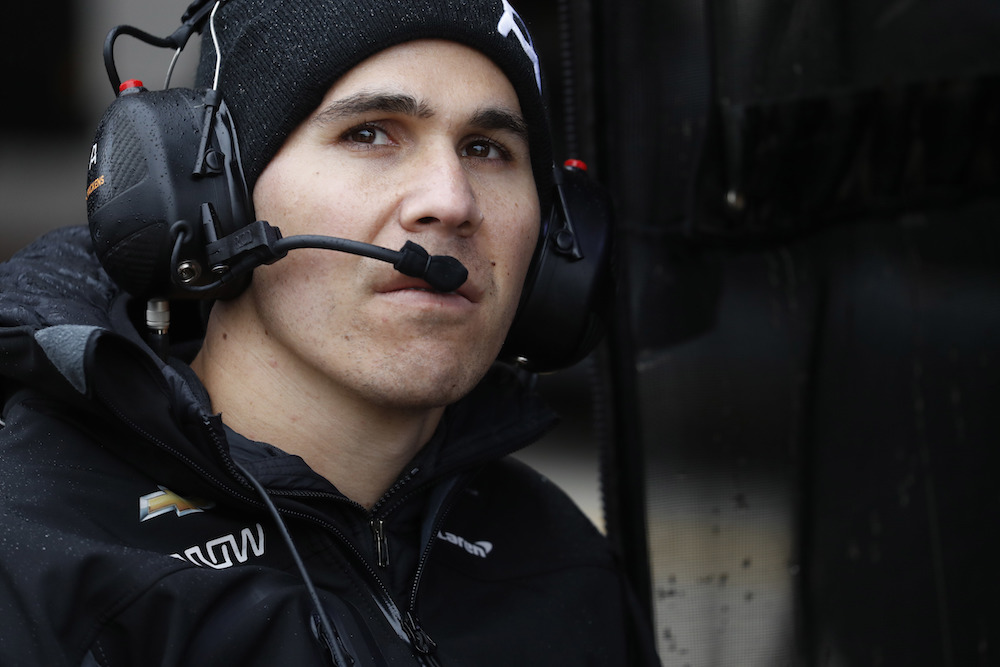
Wickens is an inspiration and a badass in pretty much equal measure. Michael Levitt/Motorsport Images
Q: You recently wrote that Foyt could land Sebastien Bourdais for $500-750k. Last year RACER reported that it was believed Hinch was earning $500K from from what is now Arrow McLaren SP. My question is, if that's all higher-end IndyCar drivers are making, then what does a guy like IMSA GT winning driver Andy Lally make? I know he's paid from the budget his "gentleman" co-driver brings. Or a guy like Ryan Eversley, who's a Honda factory driver but drives in the lower TCR class. Patrick Long is a long-time factory Porsche GT driver. Unless its NASCAR, it seems like the high driver salary of the beer and cigarettes' days are long gone.
Chris, Ft. Lauderdale, FL
RM: Dixon, Power, Newgarden, Pagenaud and Rossi make seven-figure retainers, and other drivers take a percentage of the sponsorship they bring. RHR should still be among that group now that DHL has re-upped, and I would think Colton Herta is in line for a raise now that Gainbridge is backing him. I have no idea what Lally, Long, Ryan Briscoe or Jack Hawksworth are paid, but I hope it’s in that $250,000 range. It’s not all gravy, though. Conor Daly raced for one year in IndyCar for free and is still owed money by another team for his services, but he wanted to stay relevant so he drove for nothing.
Q: When in doubt, we know you might have the answer! There was either a racer or a sportswriter who used to own a bar and grill in Warsaw or Wyoming, NY.
A friend was asking, and for the life of us we cannot remember his name. Would you perhaps know who we are referring to?
Ron and Elaine Gertner
RM: I was thinking Brock Yates but can’t find any references, and the only racer I know on the east coast with a famous bar is Bentley Warren, whose Bentley’s Saloon is a popular place in Arundel, Maine.
Q: I was reviewing IndyCar races on ovals from the 1990s to see why they were so entertaining and the most recent races at the same tracks were not (Phoenix specifically). I see two main reasons. The first reason is that during the race, the maximum speed at the end of the straight was 50mph, or more, greater than the minimum in the corners. That characteristic led to the second reason: there was a 20mph spread in qualifying speeds from the front to the back of the grid.
These led to what can easily be called multi-class racing. The leaders had to race each other while weaving their way through the lapped traffic. That made the races very fun to watch. Today's field is very close together because everyone has the same chassis and the two engines are very close together. At a sustained 180mph, they are too dependent on aerodynamics for their grip, and as a result, can't follow very closely. Lowering the speeds in the corners would spread out the field because mechanical setup differences would have a larger effect, less reliance on downforce would let them follow more closely, and longer braking zones would give more passing opportunities.
Ovals today are struggling, and a change needs to be made to improve the show to try and attract new customers. Has there been any thought of having a third set of wings, something in between the speedway and road course configurations, that would have the drivers using the brakes more heavily at these ovals, spreading out the field, and creating the racing-in-traffic that was so fun to watch? It's an inexpensive option to try. CART tried something similar by requiring speedway wings. Do you think that worked, or would something in the middle, as I suggest, be better?
Rob C, Ringwood, NJ
RM: Watching a race at Phoenix or Milwaukee in the '60s and '70s was cool because drivers had to lift for the corners, but then wings and aerodynamics consumed IndyCar racing. True, traffic made things exciting, and watching Tom Sneva or Michael Andretti thread their way around was always entertaining. A lot of the talk the past few years was to give Indy cars 900hp and take away downforce so they couldn’t run wide open on ovals, but that’s still a work in progress. I guess the trade-off is that the old days had one or two cars on the lead lap of an oval and now we have 20, and the racing has been pretty damn good at Indy, Texas, Gateway and Iowa. I sent your question to Bill Pappas and Tino Belli at IndyCar so I’ll let you know what they say.
Q: I just finished Gordon Kirby's book on Chris Pook and LBGP and enjoyed it immensely. The travails involved in just starting the event were monumental and made for a great read. Shortly after the first race, a short picture book entitled "Roar In The City" by John E. McCollister was published. As I recall, Pook tried unsuccessfully to stop it. Why?
David, Waxhaw, NC
RM: No idea, but probably because McCollister didn’t pay for the rights if there was such a thing, or maybe didn’t check with Pook. But I’ve got a copy.
Q: I see BMW has become the second major auto brand (Audi being the other) to announce that it will leave Formula E. Very surprising to me, as I thought this was seen as such a relevant series. But, any chance one of them is doing this to free up resources and become IndyCar's third engine supplier?
Forrester Morgan, Myrtle Beach, SC
RM: Mr. Penske’s response when I emailed him: “Never know, a lot of moving chairs.”
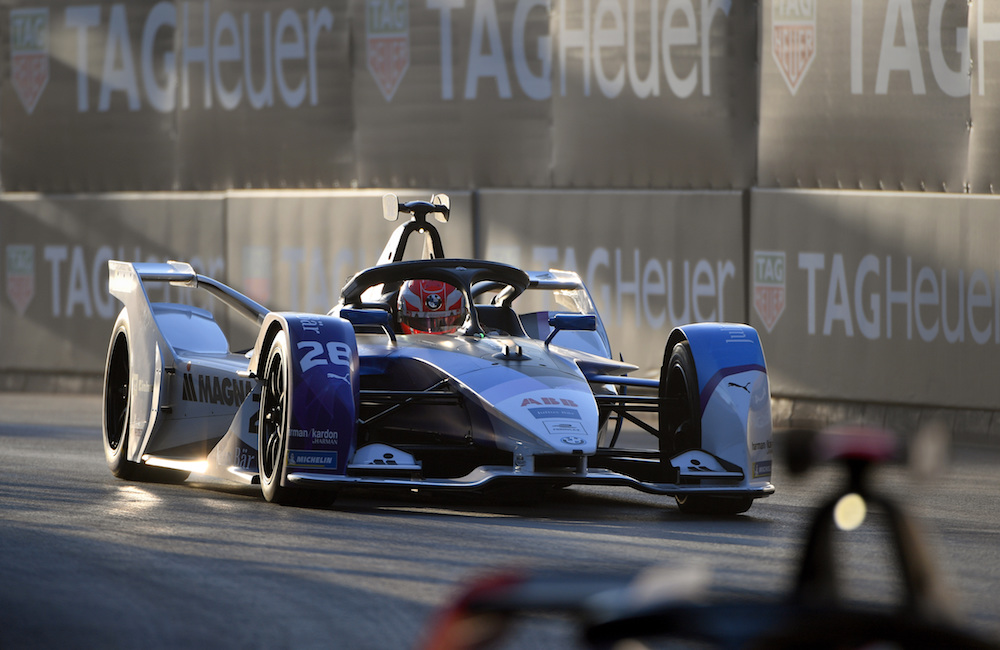
The Speedway would certainly meet the criteria of a 'new challenge', if that's what BMW is looking for after Formula E. Sam Bagnall/Motorspot Images
Q: Regarding lack of attendance at other ovals, do you think that IndyCar could use the Indy 500 ticket as admittance to the rest of the ovals on the schedule? Buy Indy, see the rest for free or perhaps at a discount, or something along those lines?
Janis from Central Indiana
RM: Not sure how that could work to Gateway’s and Texas’ benefit -- they need to sell tickets and IMS certainly had a costly year so it needs all the revenue it can muster in 2021. If COTA was still on the schedule maybe you could have a Texas ticket, but that’s about all I could see.
Q: Does anybody notice there’s a 800 lb. lithium ion battery in the room? To that point: Are there discussions in the various racing organizations on how to proceed with electric car racing? Can you imagine race cars quieter than the '67-'68 turbines? One of many attractions to racing is the cadence of sound and dopplerism. That alone is a worry of horse and buggy proportion. On that note, Merry Christmas!
Phil from Central Indiana
RM: I know Jay Frye has said he likes the sound of today’s IndyCar engines and that noise has always been part of the attraction, so I don’t see electric engines at Indy in the foreseeable future. Thankfully.
Q: Saw my first Indy 500 at age 10 in 1959. As a college freshmen at Ball State in the summer of 1968, my mother and I worked as extras in the filming of Winning at IMS and Raceway Park. I am even in one quick scene as a walk-by between Paul Newman and Richard Thomas. What are your all-time favorite big screen racing movies? I think Grand Prix was a great mix of story and technical filming, and while on F1, Ron Howard’s Rush was well done. The documentaries I have enjoyed include Senna, McLaren, and Born Racer. A nifty bootleg documentary film titled The Racing Scene from 1969 follows James Garner’s brief stint as an owner and driver in several smaller racing venues, which he narrates. The Clark Gable/Barbara Stanwyck feature To Please a Lady in the early 1950s showed the mix between Champ Cars and dirt cars at the 500 during that period. A couple of films based on that movie in the 1930s were titled Speedway. What are your favorite films and also any stinkers you have seen over the years?
John Beineke, Jonesboro, AR
(A Hoosier in exile)
RM: Grand Prix remains the standard in terms of movies with Winning, Le Mans, Rush and To Please A Lady in the top five. Driven (Drivel) is the worst ever, followed by Bobby Deerfield and Redline 7,000.
Q: What is going on, if anything, with former car owner Gary Peterson and his long-time driver Sebastian Saavedra? They were around for several years, and ran OK on their own and in various partnerships. I think their high water mark was the Indy road course race when Saavedra qualified on pole and there was the big crash at the start. Any updates?
Marshall Autry, La Mesa, CA
RM: Haven’t heard their names for a couple years so not sure if they’re still together in sports cars or what, but Gary was very loyal to Saavedra.
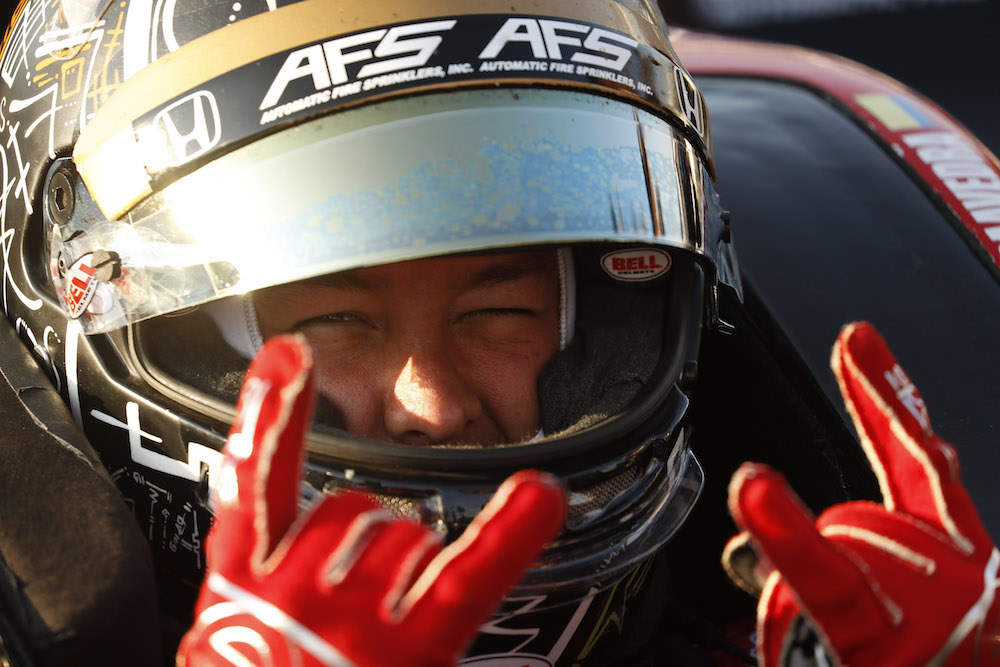
Saavedra looked pretty excited to be at Gateway with Schmidt Peterson Motorsport in 2017, where he finished 11th. But he's been missing from the IndyCar grid ever since. Levitt/Motorsport Images
Q: “Dirt was so much more fun. And so much easier.” For those of us that had the same (but unfulfilled), racing fantasies, can you expand on your answer from last week’s mailbag?
Mike Skillman
RM: Driving on dirt affords you the opportunity of making mistakes and being able to recover and not crash, while pavement racing was much more precise. There is nothing like going out for hot laps at Terre Haute or Little Springfield or Erie, Colorado with a nice cushion and going wide open for a couple laps. It’s an exhilaration that’s hard to explain and impossible to duplicate.
Q: Come on Miller, did you forget about Bryant Heating and Cooling sponsoring Rapid Rich in '88 or '89? Even had a photo of the car in your story about Rich few years back. Let's also stick him on the list of guys who didn't have the equipment to showcase the talent they had, along with Bryan Clauson, Dave Steele, and Dan Drinan.
Ethan Donahue
RM: I admitted last week I could be a moron, and this is further proof. I have no idea how I forgot Vogie in Byrd’s Bryant Car but I thank you for reminding me. Steele actually had a good IRL ride with Panther but crashed hard (maybe testing at Indy) and it just never meshed. BC was getting the hang of Indy but knew he wasn’t going road racing, while Drinan survived one of the worst accidents I’ve ever seen at IMS and thankfully quit driving to concentrate on fabricating – at which he is a wizard.
Q: Liked the interesting response in last week's Mailbag for the question of Bryant Heating sponsorship over the years as it relates to TK's present deal. What other sponsor history or current stories comes to mind to share? Sponsors are what is on the cars and have a close relationship to race teams and fans.
Bob Hunt, Lodi, WI
RM: Target was with Ganassi from 1990 to 2016, while Marlboro backed Penske from 1990 through 2006 and Jim Greer has been associated with A.J. Foyt since 1968 as a primary and associate.
Q: My question is, who was Harpo Coogan? In one of my Indy yearbooks there is a picture of him in the '70s helping Gary B. with his helmet. I was reading a story about Jan Opperman last evening and it mentioned a member of his Indy crew named John Coogan. Was wondering if this was the same person?
A.J., Indianapolis
RM: Harpo (aka Jim) was one of five Coogan brothers and, together with my pal Tim Coffeen, they were all racing junkies that hung out together and chased race cars. John Coogan was the oldest and started working on Indy cars as a teenager before buying a sprint car and becoming a pretty good driver. He’s still running a vintage sprinter today in the Pacific Northwest. Harpo also worked on Indy 500 crews and raced a sprinter at Bloomington, Paragon and Putnamville -- as did Phil -- while Paul raced go-karts. I didn’t know Mark but he passed away in 1992.
Q: During these boring days I would encourage IndyCar fans to go on YouTube and watch each Indy 500 race from 1951 thru 1966. I kind of forgot how great these races were. Time Trials in the '50s and '60s actually drew 150,000 fans. Remember how the pit crews used to hang over the pit wall with a blackboard letting their driver know what lap to pit? And who can forget the flag man Pat Vidan out there in a yellow sport coat, white shirt and tie standing on a four-foot pedestal five feet off the track just whipping those flags? Now we have two no-name guys on a stand 30 feet above the track and dressed like they are going for a lunar walk waving flags. Not to mention all the drivers wearing those little white construction worker helmets, with a little pair of goggles and their faces covered with oil and sweat.
And for a laugh, check out the 1953 Indy 500 when they still made 40-50 second pit stops. Great picture of Billy Vukovich coming in for a pit stop and a guy in his pit crew handing him a cigarette so Vuky could get a couple quick puffs. I like watching races now, but they just are not the same as during the Indy 500 heyday.
Don, Michigan
RM: Good way to end the Mailbag. Do you think Vuky thought smoking was dangerous?
Robin Miller
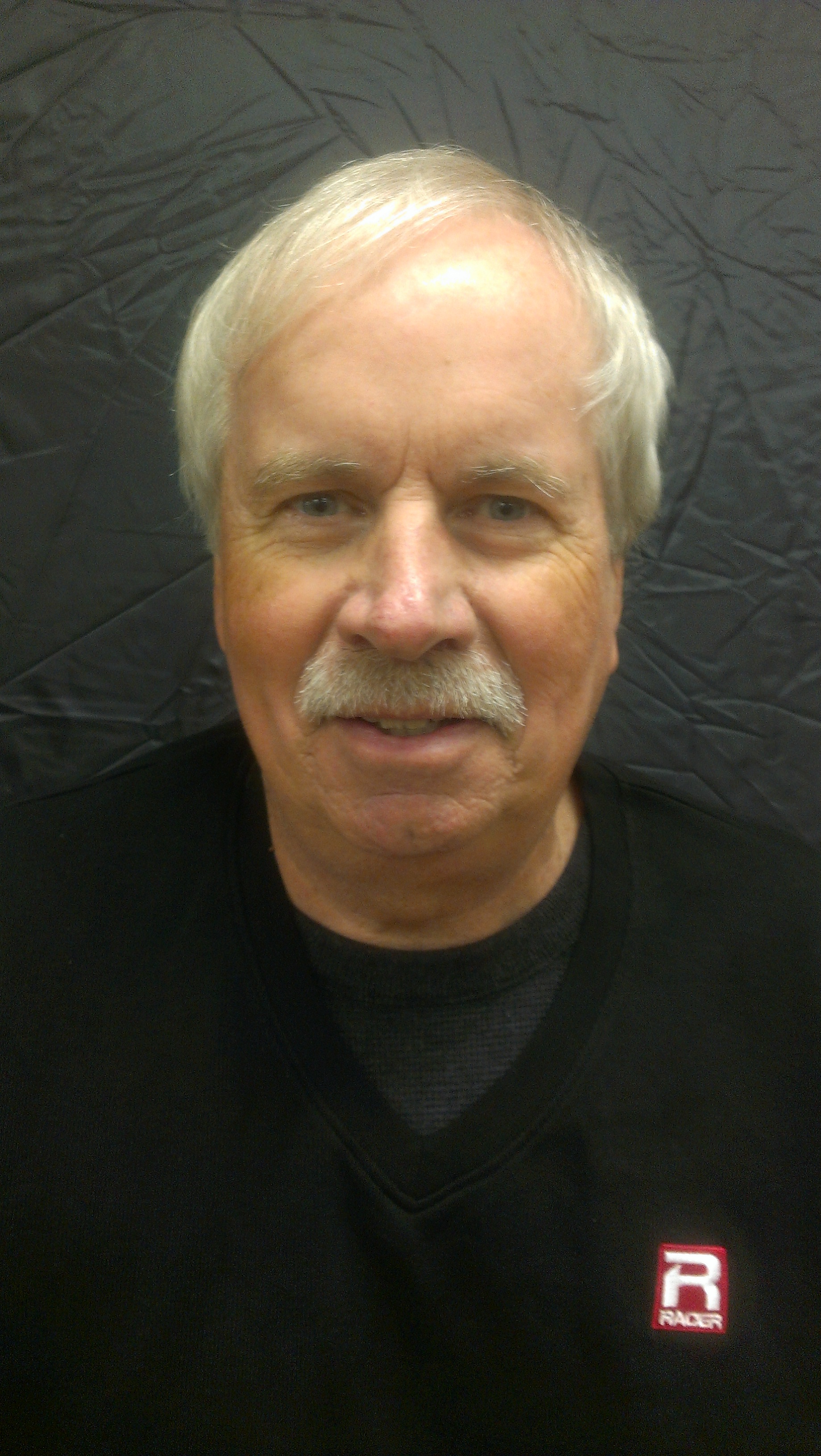
Robin Miller flunked out of Ball State after two quarters, but got a job stooging for Jim Hurtubise at the 1968 Indianapolis 500 when Herk's was the last roadster to ever make the race. He got hired at The Indianapolis Star a month later and talked his way into the sports department, where he began covering USAC and IndyCar racing. He got fired at The Star for being anti-Tony George, but ESPN hired him to write and do RPM2Nite. Then he went to SPEED and worked on WIND TUNNEL and SPEED REPORT. He started at RACER when SPEED folded, and went on to write for RACER.com and RACER magazine while also working for NBCSN on IndyCar telecasts.
Read Robin Miller's articles
Latest News
Comments
Comments are disabled until you accept Social Networking Cookies. Update cookie preferences
If the dialog doesn't appear, ad-blockers are often the cause; try disabling yours or see our Social Features Support.