Image by Miller/LAT
MILLER: The one area where the Daytona 500 still crushes Indy
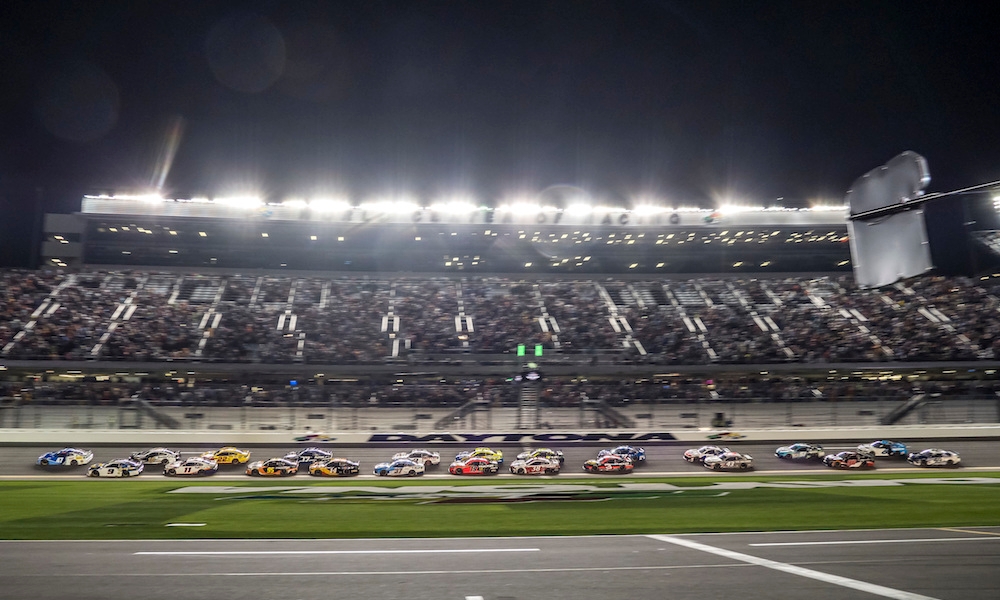
Lost in the two days and nights of the Daytona 500 and concern for Ryan Newman was this overlooked little gem: the purse paid a jaw-dropping $23.6 million.
Considering NASCAR quit divulging its purses in 2016, it was interesting timing that this monstrous number was announced the day before Roger Penske revealed that the payout for this year’s Indianapolis 500 would increase by $2 million to $15 million.
Call it coincidence or one-upmanship, but it’s the kind of money that I’ve always felt Indy merited.
Now, just because the stock car boys put out the largest payoff in motorsports history didn’t mean it was broken down into individual totals, but thanks to James Crabtree-Hannigan of the Sporting News, we’ve got a baseline based on old figures and percentages.
The most interesting number of James’ story was that he surmised the winner (which was Denny Hamlin) would get the biggest check ever of $2.06 million – which is well short of Simon Pagenaud’s payoff of $2,669,259.00 for capturing last year’s Indianapolis 500.
But the big difference in the two premier races in North America is in the Top 10. NASCAR has front-loaded its purse, and it dwarfs running well at Indianapolis.
Here are Crabtree-Hanigan’s projections compared to the official 2019 Indy 500 breakdown:
2020 Daytona 500 | 2020 Indianapolis 500* | |
1st | $2,064,397 | $2,669,529 |
2nd | $1,512,975 | $759,179 |
3rd | $1,114,836 | $540,454 |
4th | $936,544 | $462,904 |
5th | $784,844 | $454,544 |
6th | $624,009 | $450,554 |
7th | $566,133 | $435,404 |
8th | $529,577 | $379,129 |
9th | $495,596 | $369,129 |
10th | $470,354 | $230,805 |
*Some Indy 500 figures are affected by the entrant's Leaders' Circle status
Of course the obvious discrepancy is that second and third place at Daytona earn over $1 million and fourth is damn close, while Alexander Rossi losing by a couple car lengths to Pagenaud after their daring duel was almost a $2 million difference. Getting only $759,179.00 really sucks. Just like $540,454 for third.
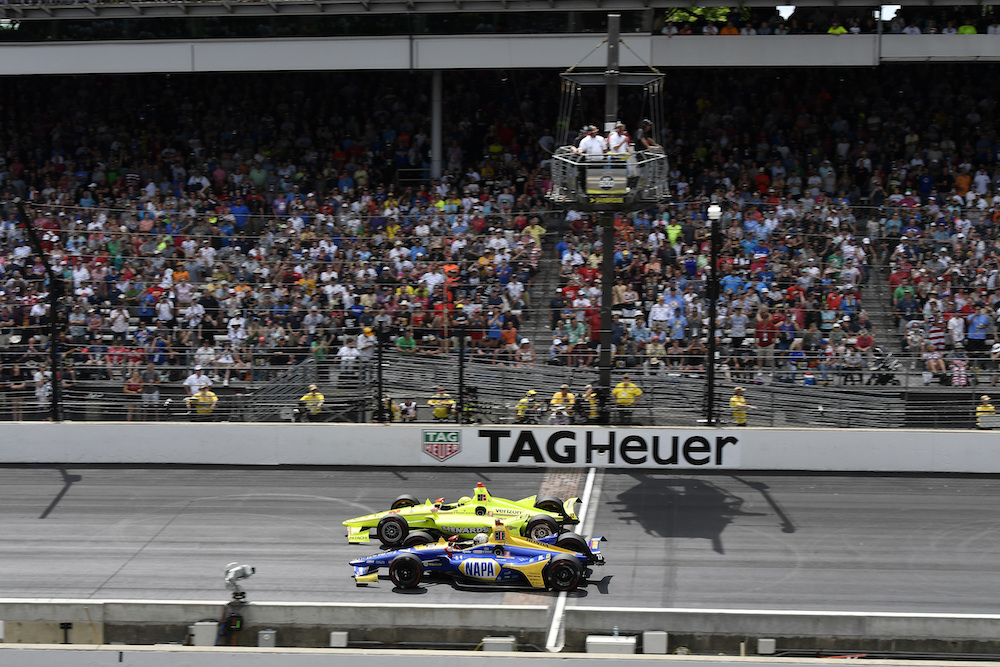
A few inches at the finish line made a big difference to Rossi's payday at Indy last year. Image by LePage/LAT
The Sporting News guessed $365,000 to start Daytona last week, while seven of the non-Leader’s Circle teams only made $200,305 and three more got between $200,805 and $220,000 last May. Conor Daly finished 10th and only realized $230,805 for his efforts.
Now, the good news for the full-timers in the NTT IndyCar series is that The Captain pledged that extra $2 million to be divided equally among the 22 members of the Leader’s Circle. That’s $90.909.00 a car, so let’s call that a good start to the Penske era. But naturally it needs to be increased so running up front is rewarded accordingly. Also, the Indy-only teams need to earn at least $300,000-400,000 for making the show.
Doing something with the paltry purses for the rest of the IndyCar season ($35,000 to win) is also an embarrassment that needs immediate attention. But let’s give R.P. a couple years to work his marketing magic and find enough money to bring the purses in line with the expenses of fielding an Indy car. If he opts to go for a title sponsor for the Indianapolis 500 you can bet some major corporation will want to hitch their wagon to The Captain’s and I think he’ll find a way to make more cents out of IndyCar. He'll also make it more attractive to a sports car team that’s considering a move or an old-school racer like Tony Stewart.
After all these years of the same old song at IMS, there’s a new lyricist in the house, and I predict it’s eventually going to be sweet music to the competitors’ ears.
Robin Miller
Robin Miller flunked out of Ball State after two quarters, but got a job stooging for Jim Hurtubise at the 1968 Indianapolis 500 when Herk's was the last roadster to ever make the race. He got hired at The Indianapolis Star a month later and talked his way into the sports department, where he began covering USAC and IndyCar racing. He got fired at The Star for being anti-Tony George, but ESPN hired him to write and do RPM2Nite. Then he went to SPEED and worked on WIND TUNNEL and SPEED REPORT. He started at RACER when SPEED folded, and went on to write for RACER.com and RACER magazine while also working for NBCSN on IndyCar telecasts.
Read Robin Miller's articles
Latest News
Comments
Comments are disabled until you accept Social Networking Cookies. Update cookie preferences
If the dialog doesn't appear, ad-blockers are often the cause; try disabling yours or see our Social Features Support.