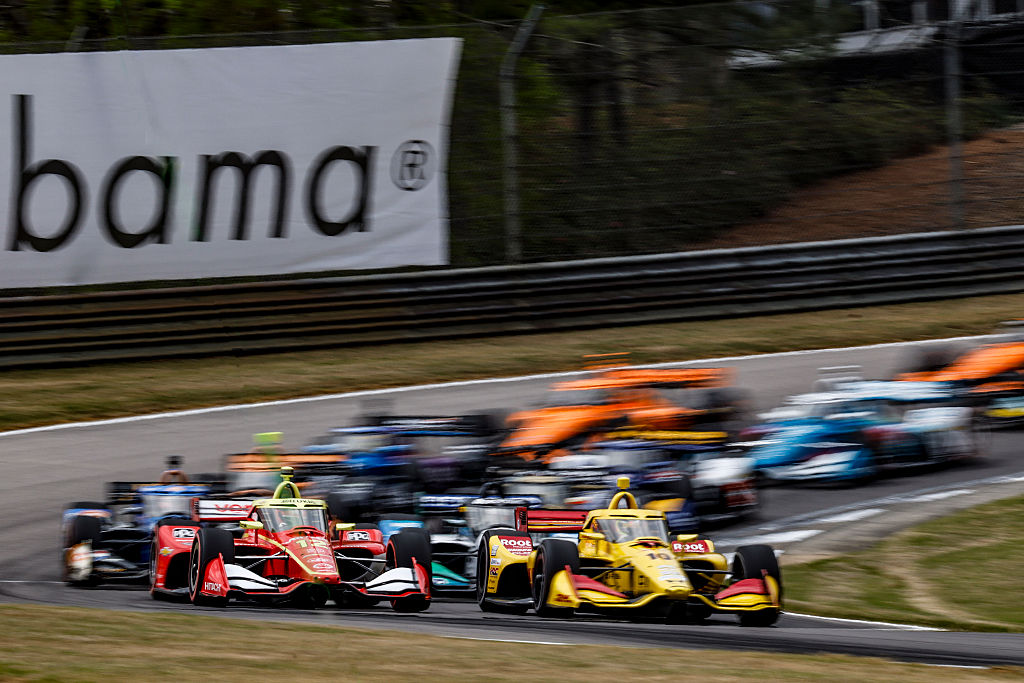
Image by Levitt/LAT
Date set for IndyCar's next engine formula
IndyCar's next engine formula will make its debut in 2021. The definitive date has been set after an option to move the introduction forward one season to 2020 passed without being triggered.
RACER has learned the option for a 2020 debut, which was agreed upon by Chevy and Honda, would have been put in motion if a third engine supplier had signed on earlier this year.
With the deadline having recently expired, the Verizon IndyCar Series, its current engine partners – and any new manufacturers that might arrive in the near future – will plan towards 2021 for outfitting the field with motors that conform to a new set of regulations. A tentative revealing of the 2021 engine rules could take place in May at Indianapolis Motor Speedway.
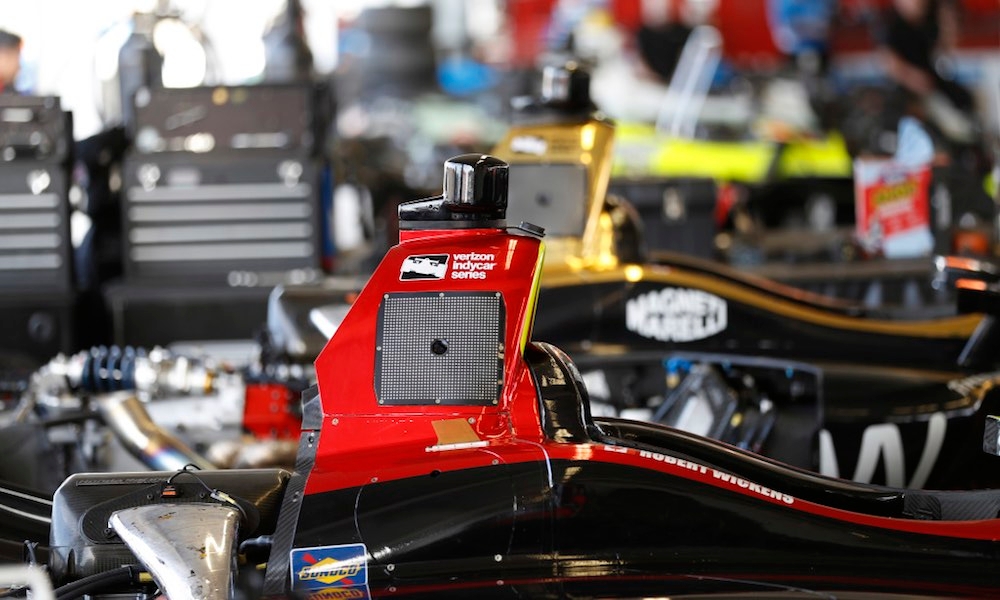
While little is known about the finer details of the next-generation powerplants, the same general concept of small-displacement internal combustion engines using turbochargers as the sole power adders is expected to be confirmed.
recently told RACER
, and it's believed the same twin-turbo V6 formula, with modifications to the current 2.2-liter capacity limit, will be retained. Rumors of a switch to CART-style turbo V8 engines appear to be unfounded.Of particular interest with the forthcoming rules is how IndyCar will allow its manufacturers increase today's estimated maximum horsepower figure of 750 to something at or above the 900hp IndyCar competition president Jay Frye is openly seeking.
Presented by:


Marshall Pruett
The 2026 season marks Marshall Pruett's 40th year working in the sport. In his role today for RACER, Pruett covers open-wheel and sports car racing as a writer, reporter, photographer, and filmmaker. In his previous career, he served as a mechanic, engineer, and team manager in a variety of series, including IndyCar, IMSA, and World Challenge.
Read Marshall Pruett's articles
Latest News


Comments
Comments are disabled until you accept Social Networking Cookies. Update cookie preferences
If the dialog doesn't appear, ad-blockers are often the cause; try disabling yours or see our Social Features Support.