Mercedes AMG on a roll in PWC
As exciting a product as GT3 racing is – especially in the Pirelli World Challenge Sprint and SprintX formats – the cars themselves have become complicated. And while GT3 was envisioned as customer – not factory – racing, those who buy and race the cars have learned that doing so without some support from the factory is a challenging task. Tim Pappas and his Black Swan Racing team have been on both sides, and he prefers racing with a support infrastructure in place.
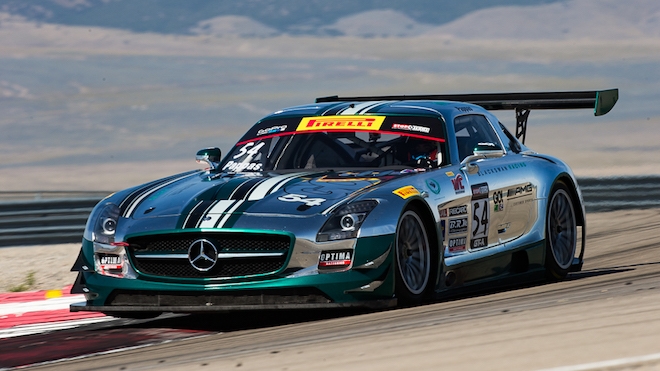
Pappas was the pioneer in Mercedes AMG GT3 racing in the U.S., bringing the SLS GT3 to the U.S. to race in PWC. It was the company's approach to its first GT3 program that drew Pappas to race the car.
"In 2011, I was contacted by my teammate, Jeroen Bleekemolen, who alerted me that there were three SLSs entered in the 24 Hours of Dubai and was I interested in joining one of the cars," Pappas explained. "The cars were run by Black Flacon, but were still technically under the guise of a factory program – it was after Dubai that the first customer cars were delivered, so the 24 Hours of Dubai 2011 was the last proof-of-concept and development of the cars. The car was fantastic, but unfortunately one of my teammates had a pretty big shunt early in the race and the car ended up spending two hours in the garage. But one of our sister cars finished third in the race."
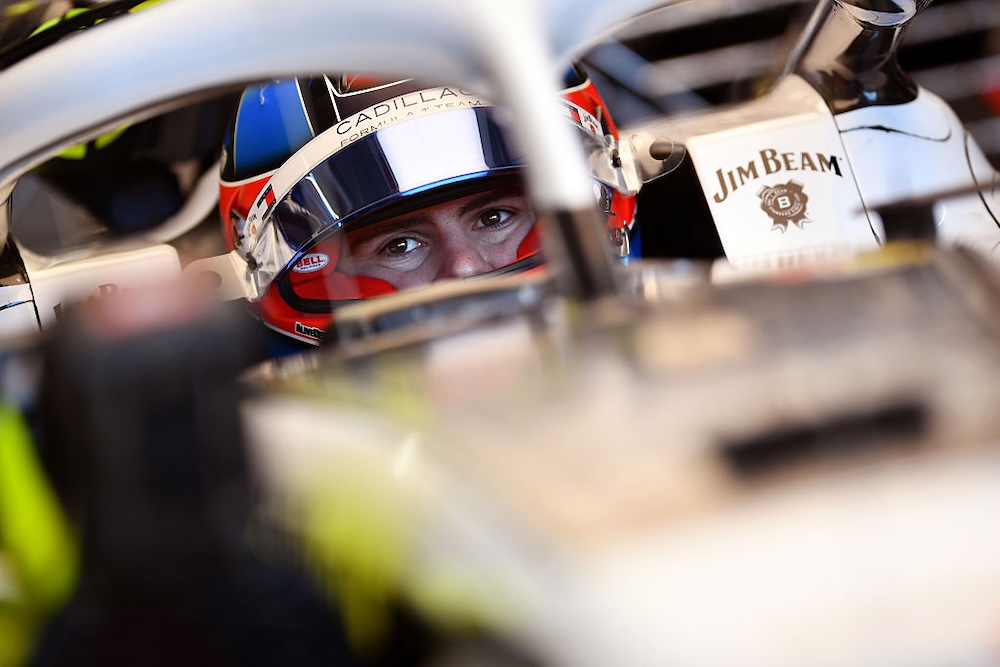
While factory drivers were involved, it was the inclusion of gentleman drivers such as Pappas (pictured) – the Boston resident makes his living in real estate development, not motorsports – that attracted him. Knowing that Mercedes AMG was looking for feedback from likely customers and not just pros really roped him in.
"I just really became enamored of their personnel and their process and their commitment to the ongoing development of the car," he said. "We, the group of drivers, offered a tremendous amount of feedback about racing the car and the things we were experiencing. When you see today's car, the AMG GT3, it really is the culmination of all the feedback and experience from the SLS program. What makes that unique and different from most of the other manufacturers was the fact that they had guys like me involved early on before the 'recipe' was set in stone. If you're going to build a car for customer racing, why would you take all the development time having only professional factory drivers driving the cars? You want me to get in the car as soon as possible, because if I can't drive it, or the car is tricky or has a narrow setup window, that's not going to make a good product to sell to customers."
Pappas ran the SLS in World Challenge in 2013 and 2014, finishing eighth in the GT championship in 2013 and sixth in the newly formed GTA category in '14, despite not running a full season either year. But running one of only a couple of cars of its kind in the country created some challenges. There were a lot of expensive air freight charges to get parts from Germany. It became enough of a challenge that Pappas switched to a Porsche that he primarily campaigned in IMSA in 2016.
Now Pappas is back in World Challenge GTA with the Mercedes AMG GT3 (with Bleekemolen as his co-driver in SprintX), along with CRP Racing in GT and Champ1 in GTA. There are also three AMG GT3s in IMSA full time, and the car has won in both series, with Ryan Dalziel and Daniel Morad taking the victory in the second SprintX race at VIRginia International Raceway.
Going from a couple of SLSs to a fleet of the latest cars was no mean feat. It was a year after the car was introduced that it made its way into U.S competition. Much of the reason for that was to get the necessary infrastructure in place to support the teams running the cars. Now all that is up and running, explains Rob Moran, director of corporate communications at Mercedes-Benz.
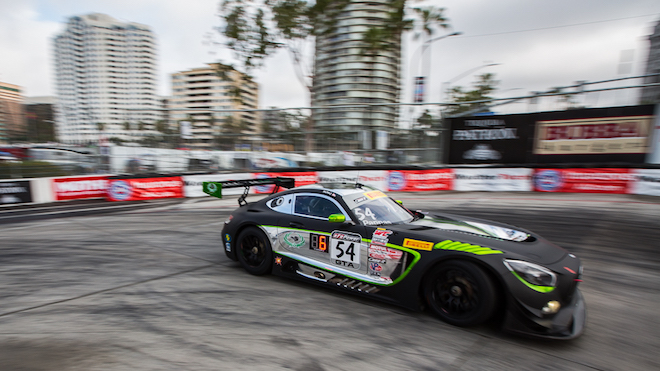
All that was enough to bring Pappas back from Porsche. Porsche has a long history of customer racing, and its support for racers is legendary. Mercedes AMG isn't at that level, of course, but they have a handful of teams racing their cars, where Porsche's customers number in the hundreds if not thousands.
"Mercedes is getting there, and they have made a huge investment and commitment," Pappas said. "They committed when we bought the SLS that they would do what they have now done, and we decided to give them a shot and see how it would go. So far it's been a good season. It's really tough to be an independent team and survive without significant support from the manufacturer with these cars, because they're complicated and they're technical. And the close racing means inherently you're using lots of parts."
Six cars is a big step for a company that hasn't had a real motorsports presence in the U.S. since it's days of supplying IndyCar/Champ Car engines in the 1990s, and indeed spent many years away from racing altogether. Furthermore, that is likely to expand with the introduction of a GT4 version of the AMG GT. Moran's former position was as the brand manager for AMG in the U.S., so he's steeped in the company's history and its passion for racing.
"I've been with the company for 13 years, and we've been talking for many years about returning the Mercedes marque to motorsports. For those of us that are racing enthusiasts, it's a real badge of honor and a real passion point to see the company you represent beat the world's best on the racetrack," he said.
Moran cited AMG's first real racing success as the starting point for all that has followed. Founded by Mercedes engineers that loved to go racing in 1967, the first splash came in 1971 when they took a 6.3-liter Mercedes sedan, punched the engine to 6.8 liters, and won their class at the 24 Hours of Spa with a car known as "The Red Sow." After decades of tuning Mercedes-Benz cars, Mercedes invested in the company in the 1990s and absorbed it altogether in the mid-2000s. Now the highest-performance Mercedes cars wear the AMG badge, and the U.S. is the biggest market for those cars.
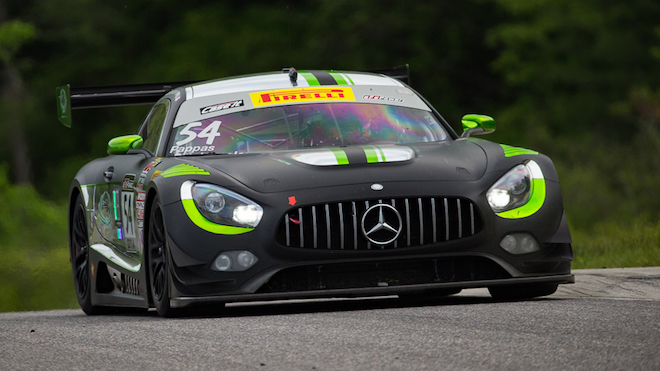
"We've evolved from being a high-performance sedan company to offering pure performance cars like the SLS and the GT. As many of us are enthusiasts and followers of racing, we feel good about our product, but we also feel its important to showcase its performance in competition, because competition truly does improve the breed," said Moran.
Pappas appears to agree, feeling positive not only about the process of developing the SLS and its successor, but the end result.
"I wouldn't call it easy to drive, because GT3 cars have become very aero sensitive and the performance is so high now," Pappas explains. "But the car is highly communicative to someone like me. It is telling you all the time what it's doing or not doing, and that makes it a real pleasure to drive. I would rank this car among the most satisfying, easier-to-drive of the GT3 cars that I've driven, and I've driven a lot of them at this point."

Latest News
Comments
Comments are disabled until you accept Social Networking Cookies. Update cookie preferences
If the dialog doesn't appear, ad-blockers are often the cause; try disabling yours or see our Social Features Support.