Safety changes made to IndyCar's '18 bodywork
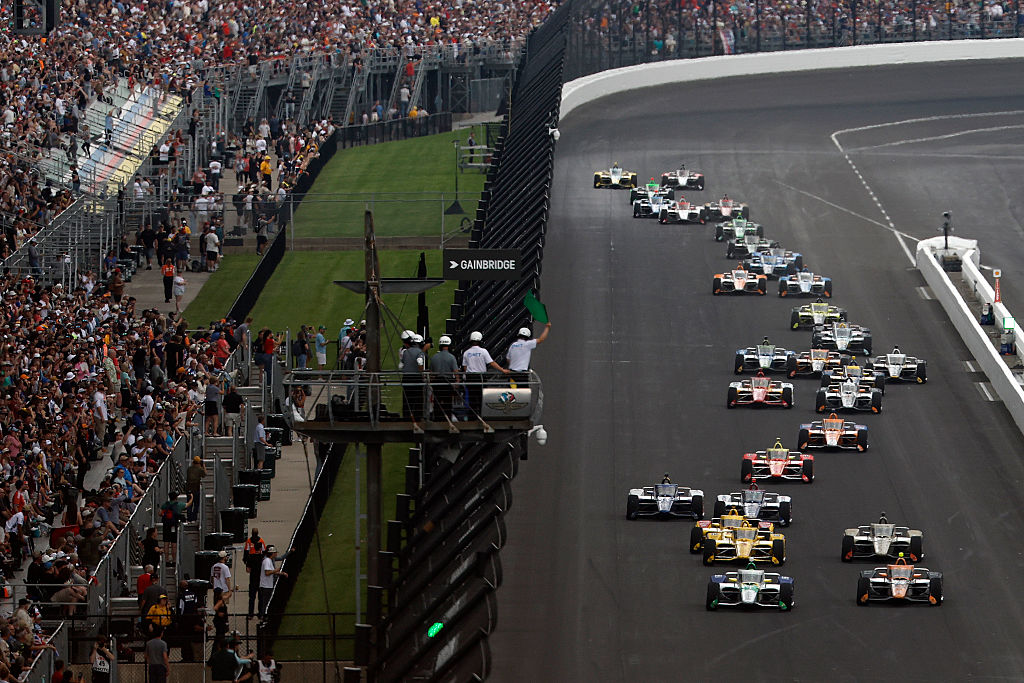
Two key changes from the current superspeedway aero kits are in the works for next year's universal IndyCar bodywork.
In reaction to the numerous flips that caused a panic during practice for the 2015 Indy 500, Verizon IndyCar Series officials put plans in motion to add new stabilization components for the 2016 race. Beneath the spec Dallara DW12s, IndyCar mandated the use of dome skids beneath the chassis to increase downforce in a spin, which required teams to raise the ride height of those cars ... which led to a lot of handling complaints from drivers. At the back of the cars, flaps were installed on the beam wings that would deploy upward in the event of a 180-degree rotation.
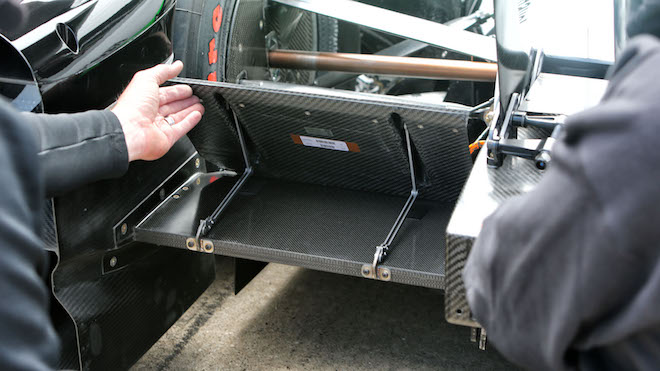
Through aero development led by IndyCar's Tino Belli with the new bodywork, the cars raced at Indianapolis and other superspeedways in 2018 will no longer use the unpopular dome skids (pictured below).
"The new kit does not have the dome skid," Belli said. "We have probably the most stringent anti-flip regulations for the current aero kits. We look at nose up flip over speed, 90-degree flip-over speed, 135-degree flip-over speed, 180-degree flip-over speed.
"We eliminated it because of some of the tech issues we've had and known since the 2000s with it and still managed to hit the flip-over targets. We have achieved all of the critical flip over speed numbers. We've also involved our teams at every stage in the development with the [universal] kit."
With the deletion of the DW12's rear wheel guards next year, IndyCar has willfully surrendered the excess weight and componentry that currently carry the rear-spin flaps. Starting in 2018, the superspeedway flaps will be repositioned to the top of the diffuser tunnels.
"It will be on the trailing edge of the underwing, and it has not been easy," Belli said. "At various stages we had certain [CFD testing] conditions where we said, 'hey, what is going on here?' We had to do more CFD studies to actually understand and work through some new areas. It was a valuable exercise and quite a lot was learned by having gone through it."

Latest News


Comments
Comments are disabled until you accept Social Networking Cookies. Update cookie preferences
If the dialog doesn't appear, ad-blockers are often the cause; try disabling yours or see our Social Features Support.