Porsche launches its 2017 919 Hybrid
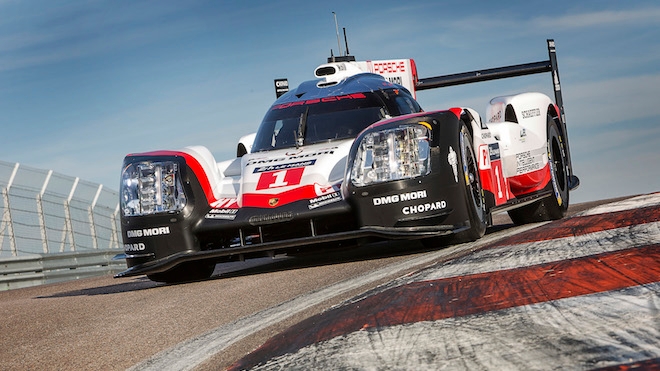
Porsche Team has officially unveiled its 2017 919 Hybrid LMP1 prototype to the public at the Autodromo Nazionale di Monza ahead of the pre-season World Endurance Prologue test this weekend. It's a car which the German marque hopes can deliver it a third straight Le Mans victory and FIA World Endurance Championship Manufacturers and Drivers titles.
In addition to its fresh coat of paint, the 2017 919 has seen major upgrades in almost every area.
"For the 2017 season, 60 to 70 percent of the vehicle is newly developed," said Porsche Team team principal Andreas Siedl. "The basic concept of the 919 Hybrid still offers scope to optimise the finer details and further boost efficiency.
"The monocoque has remained unchanged since 2016, but the optimisation potential of all other components was analysed and, in most cases, adjustments made accordingly."
To comply with the 2017 LMP1 technical regulations, Porsche has made strides in aerodynamics to combat the reduced downforce for the LMP1 runners to ensure that it can claw back some of the time lost to the new rules, which require speeds being reduced in corners for safety.
It has also had to focus on getting the most out of the two aerodynamic packages allowed this season, down from three as part of the FIA WEC's new cost-cutting measures for LMP1 manufacturers. In particular, the team's Le Mans-spec aero has been developed to achieve maximum top speeds on the lengthy straights between the chicanes down the Mulsanne Straight and from Mulsanne Corner to Indianapolis by minimising air resistance.
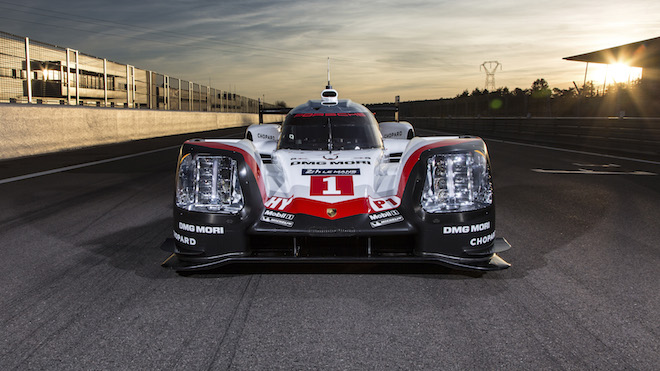
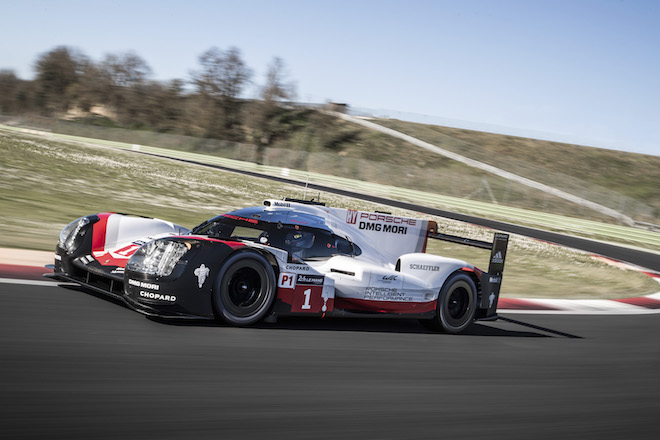
The new 919 Hybrid is higher, wider and has longer wheel arches at the front end, as part of a new direction in aero design.
"A key focus for the engineers was to design the front-end of the vehicle to be less aerodynamically sensitive," Seidl continued. "In 2016, the front-end of the vehicle was accumulating small amounts of abraded rubber from the track surface. This rubber built up and upset the balance of the vehicle. We analysed this phenomenon and optimised the relevant bodywork components.
"As a result of the aerodynamic losses we will incur due to the new regulations, we are expecting to see a three to four-second increase in lap times at Le Mans," explained Seidl.
The car's two-litre V4 internal combustion engine is the most ambitious and efficient power source designed by Porsche to date. It delivers just under 500 horsepower, with the two energy recovery systems adding a further 400 to the front-axle on demand. It is the only prototype to harvest energy under acceleration as well as braking. The additional power makes it an all-wheel-drive 900 horsepower machine.
60 percent of the energy recovered comers from the KERS system on the front brakes, while the remaining 40 is sourced from the exhaust system. An average of 80 percent of the recovered energy under braking is converted into power. This is achieved in a smaller, lighter and more efficient brake package which therefore requires less cooling.
Advances have also been made in the tire department along with Porsche's partner Michelin. The 2017 tires are expected to be more durable due to a combination of developments in the compounds used, traction control improvements and changes to the hybrid management systems. This will help reduce the impact of the reduction in tire sets each weekend (by three) which will force the teams to double stint more often during races.
The new 919 Hybrid will hit the track in public for the first time tomorrow and Sunday in Italy as part of the FIA WEC Prologue test, with the team planning to run both cars and all six full-season drivers on both days.

Latest News
Comments
Comments are disabled until you accept Social Networking Cookies. Update cookie preferences
If the dialog doesn't appear, ad-blockers are often the cause; try disabling yours or see our Social Features Support.