Significant cost savings expected from IndyCar's aero freeze
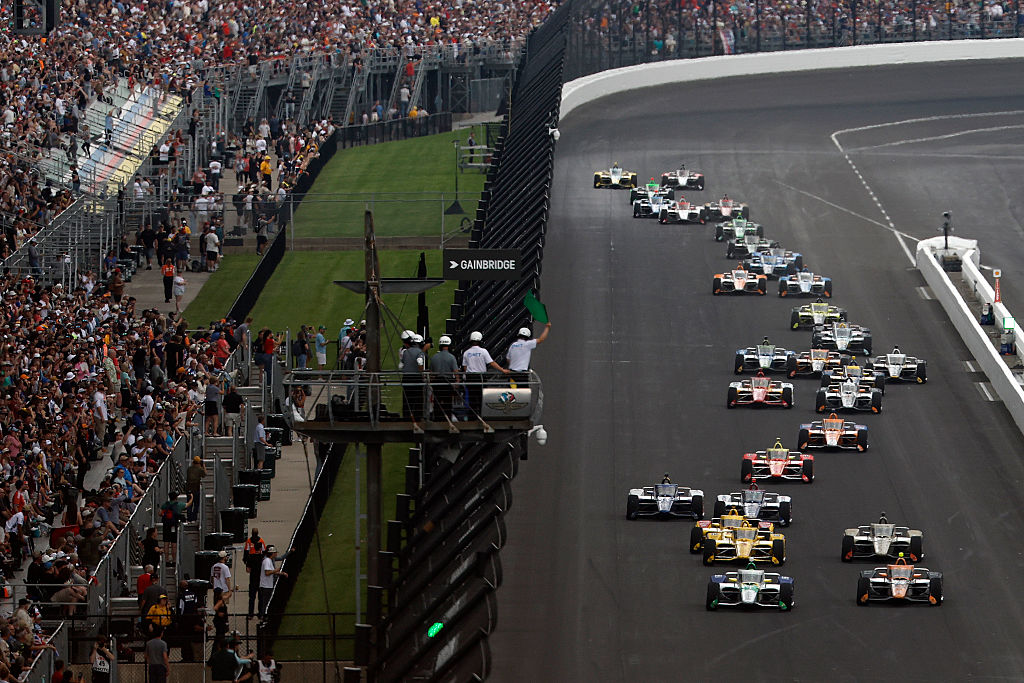
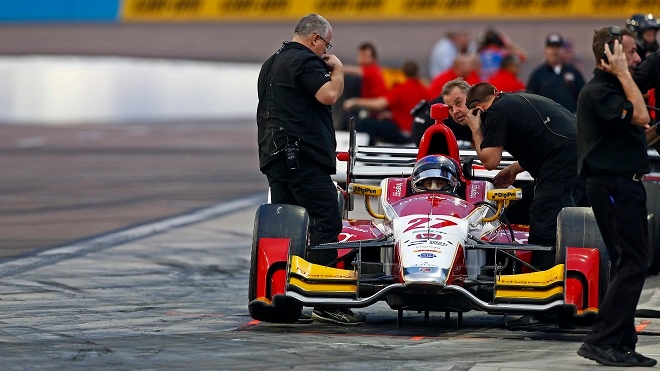
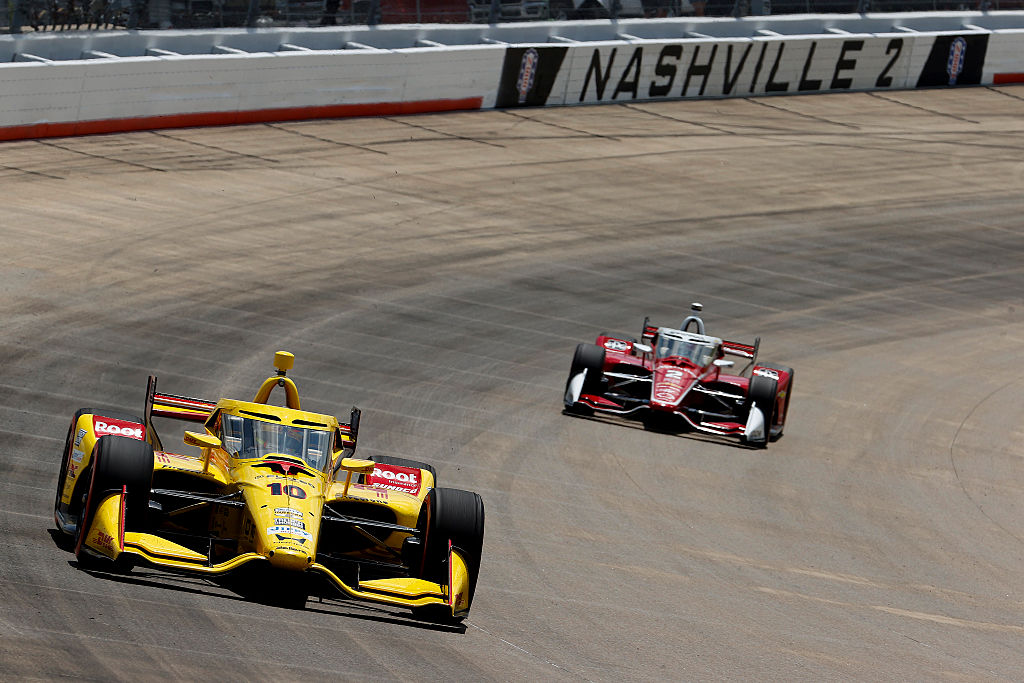
IndyCar's decision to freeze aero kit development for 2017 and replace the custom kits made by Chevy and Honda with new universal bodywork in 2018 could end up saving each manufacturer a considerable amount of money.
The series has been consistent in its messaging regarding the upcoming change of aero direction; easing the path for a third car company to join IndyCar as an engine supplier – without the financial burden of creating and continually developing its own bodywork – should bring more brands to the discussion table. Carving a big chunk out of the budgets Chevy and Honda have been committing to aero kits is another major benefit.
"The amount of money that each of them was spending for the aero competition was a serious, eight-figure-a-year [expense]," said IndyCar CEO Mark Miles.
The sum of $10 million or more per season to develop aero kits has been mentioned behind the scenes by both manufacturers since the brand-specific bodywork was introduction in 2015, which aligns with Miles' estimation.
Considering all of the aero kit staff and their associated salaries, non-stop wind tunnel testing, computational fluid dynamics and computer simulation work, and track testing involved since Chevy and Honda were allowed to build aero kits, the short-lived experiment will go down as a costly exercise that did little to improve the quality of racing.
Despite the current freeze, Chevy and Honda have continued to invest in R&D programs to learn more about their 2016-spec aero kits, but the sum for 2017 is said to be much lower than anything that was previously committed.
Although Chevy routinely declines requests to speak on budget-related topics, Honda Performance Development vice president Steve Eriksen was willing to share his input on how HPD views the financial ramifications of the end to aero kits.
"Each of the motorsports activities we are involved in, our big focus is involved in trying to influence governing bodies toward cost-conscious, yet exciting and fun regulations," he told RACER. "So on every front where we have been involved with the decision-making process at least in providing feedback on decisions that are being considered, cost is a very key element of that. By being able to freeze aero kits going to a spec kit, that goes a long way toward [IndyCar] continuing to be viable for us, and also I hope will become a viable opportunity for another manufacturer too."
Eriksen's comments regarding viability could suggest the skyrocketing costs with aero kits in 2015 and again in 2016 had at least one brand questioning its return on investment with IndyCar. With the exorbitant aero kit costs all but eliminated, keeping Chevy and Honda for the long haul – and signing up a third manufacturer – should be an easier sell for the series.
"If you look at the various activities that we have been involved with from a motorsports standpoint, we are always pushing for regulations that provide good value," Eriksen added. "If you look at USF4, for example, the value proposition there is stunning. I think that's why it's been able to launch in its first year last year, and it's successful and it's growing this year because it is a really good value.
"We did the same thing back in 2009 when we came up with an engine for the 40-year-old Formula Ford category, which is now Formula F, and we could provide a modern [Honda] Fit engine that meant you didn't have to spend all your time maintaining old carburetors and distributors. Just change the oil and go racing.
"So in those categories we very much pushed for cost-conscious opportunities – we want to support racing because racing is part of Honda's DNA, but in order for that to continue to be viable, it has to be cost-conscious. Whether it's IndyCar and directions on IndyCar with aero kits or sports cars and directions with GT3 and regulations there, or what we are doing in the grassroots space, it is always about trying to maximize value and not creating unnecessary financial burden that doesn't really provide any benefit."
Both brands have said in the past that the high cost to participate in IndyCar reduced its ability to commit a greater sum to marketing and advertising its presence in the series. Provided Chevy and Honda are willing to use some of the newfound aero kit savings, that could change when the universal bodywork arrives.
"So you pick a number, let's say you said 20 million bucks a year somebody might have been spending [on aero kits], or 15 [million], and it literally went away, and it's the same [racing] program," Miles said. "I think there should be money [left] there, if the overall program is funded at about the same level."
And that's a question only Chevy and Honda can answer. Will IndyCar's manufacturers look to 2018 (and beyond) as an opportunity to spend less and save more as the series returns to spec bodywork, or will the brands continue to ask for the same aero kit-era dollars to use in other IndyCar-related expenses? Fans will have to wait and see.
"We are always conscious of the reality that motorsports is a line item in the bigger picture," Eriksen said. "We are always trying to spend our money wisely because it is not our money, it is Honda's money. Each of the opportunities we look at we try to make sure what we are doing is providing commensurate value back to our parent company."

Latest News
Comments
Comments are disabled until you accept Social Networking Cookies. Update cookie preferences
If the dialog doesn't appear, ad-blockers are often the cause; try disabling yours or see our Social Features Support.