MEDLAND: Welcome to the post-Bernie world
The Bernie Ecclestone era of Formula 1 is over.
Just think about that for a second.
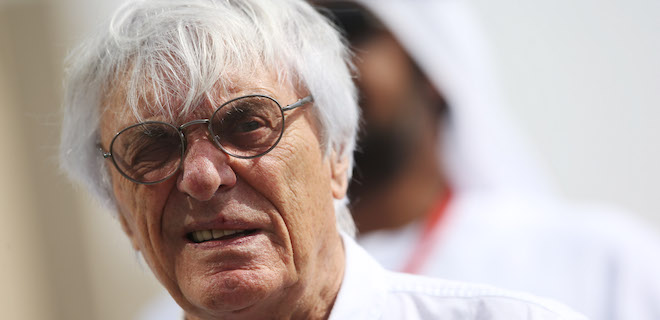
Just under 40 years since he became chairman of the Formula One Constructors' Association (FOCA), taking control of many of the commercial aspects of the sport, Ecclestone has been replaced as chief executive officer of Formula 1.
A lot has happened in that time. The sport has grown to become a massive global business, given an enterprise value of $8.0 billion by Liberty Media's takeover.
With races in five continents, and lucrative television deals, it would be easy to sing Ecclestone's praises for the rest of this piece. And while he deserves huge credit for the way he has built up the sport, his replacement as CEO by Chase Carey is a move that F1 needs.
At 86 years of age, there is no criticism in saying that Ecclestone is no longer the right man to lead the sport forward. He found a formula to make money - divide and conquer, selling races to the highest bidder both in hosting and television terms - and did it well. But F1 has stagnated. Regulation changes, on numerous occasions hailed as the magic wand to save the sport, could only get so far in a model where the rich teams were rewarded and the small teams fought for the scraps.
Television audiences have dropped - although that can in part be attributed to the changing way in which fans consume sport - while the historic races that are so central to F1's heritage have struggled to secure long-term futures. This year Germany should be celebrating its third drivers' champion. It can't afford to host a race in order to do so.
Nico Rosberg's shock retirement meant that celebration would not have occurred anyway, but he was the first to respond to the official announcement of Liberty's restructuring by Tweeting: "Bernie, mega job! But a change has been overdue. Mr. Carey, all the best in making our sport awesome again."
And it's those last two words that are so crucial right now.
Many fans and drivers don't feel Formula 1 is at the same level it used to be. Fernando Alonso cites the mid-2000s as the peak, with tobacco sponsorship helping to fuel an era of excess, but Liberty has not purchased the sport based on past glories. It has done so because it sees huge potential.
The new owners believe F1 can be so much better, and so do so many within the sport. There will be dissenters – including those whose close ties to Ecclestone placed them close to the seat of power - but the majority now stand looking ahead to an exciting new era.
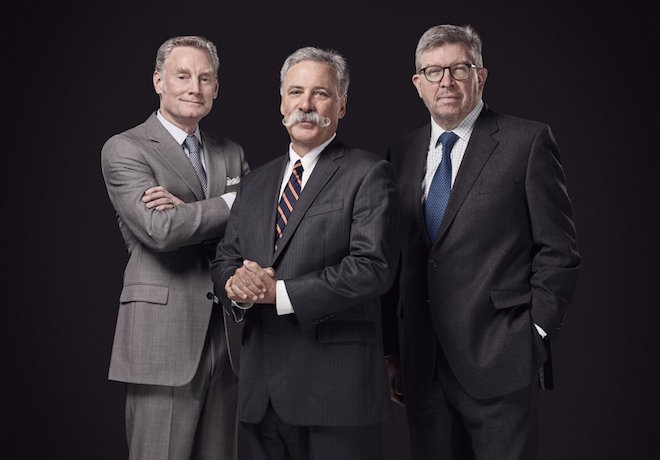
It seems strange to think Ecclestone is no longer in charge, that his powers have been removed. Some of his more loyal supporters still claim he will be too hard to replace. Of course it won't be easy, but the immediate announcement of Ross Brawn and Sean Bratches in top roles - to oversee the sporting and commercial sides respectively - show Liberty's intent. When doing a deal of this size, you don't mess around. Liberty has done its homework, concluded the deal quickly, and is now acting decisively.
That said, to expect immediate change would be doing a disservice to Bernie.
Yes, there are fundamental flaws. The much-maligned revenue distribution, the rising costs forcing the most iconic venues to reconsider their ability to host races, the general predictability of the pecking order under stable regulations to name but a few. But if they were easy to fix, Ecclestone would have done so by now.
There have been occasions where Ecclestone has pointed the finger of blame at himself, admitting that he created a bad financial model for the teams by entering into bilateral agreements until 2020 that reward the likes of Ferrari, Mercedes, Red Bull, McLaren and Williams more heavily than the rest with extra payments.
Regardless of the rights and wrongs of those deals, they are in place until 2020 and Liberty cannot simply tear them up. They can build for the future, of course, but from this point on, significant change will take time.
Revised deals can be negotiated with circuits to protect the races Liberty wants to protect. New ones can be signed in the regions the owners want to expand - such as North America - but even that will be restricted by existing contracts for current venues.
The sporting regulations are set for 2017, and the power units are set to stay until 2020. After such huge investment for all the teams - to the extent one of the 11 is currently in administration - there is not going to be a radical overhaul in the near future. Perhaps the new ownership structure will inspire confidence in would-be Manor investors to get involved but, on track at least, the coming season would have followed a very similar path regardless of who owns the sport.
Liberty is thinking long-term, and that means it will take time to make decisions. The arrival of Brawn brings in a highly-respected figure with recent knowledge of the sport and an overview of what can make it successful from a sporting point of view. He's also a racer at heart, which is a crucial element.
While Carey has become CEO, it is Bratches who essentially takes over Ecclestone's role as he works on the commercial side of the sport. But both new arrivals will need time to get comfortable and work out their own strategies for improving their respective areas.
It's impossible to see any of those three men - Carey, Brawn or Bratches - still in their roles in 40 years time, and that's what makes Ecclestone's achievements so remarkable. He should be respected and praised, but the main focus should be on the future.
The big change has finally arrived, even if the full effects are unlikely to be felt for some time.
Presented by:

Latest News
Comments
Comments are disabled until you accept Social Networking Cookies. Update cookie preferences
If the dialog doesn't appear, ad-blockers are often the cause; try disabling yours or see our Social Features Support.