In RACER Magazine: The British are Coming!
For more than a quarter century, British-based racecar constructors dominated CART. First March, then Lola, and finally Reynard, revolutionized the way teams went racing.
John Cooper and Colin Chapman changed the face of Indy car racing in the 1960s with the rear-engine revolution, but the second British invasion of American open-wheel racing was a full-blown takeover for the better part of three decades that totally changed the template for success.
British-based constructors March, Lola and Reynard took turns dominating Championship Auto Racing Teams (CART) from 1983 to 2002, while also flexing their collective muscle at the Indianapolis Motor Speedway from '81 until "The Split" in '96.
During that stretch, they combined to win 341 races, including eight Indianapolis 500s, and racked up a staggering 20 championships between them.
Other than the prowess of Penske Cars, a few shots of adrenaline from Dan Gurney's Eagle, and Swift's late '90s foray, there was no competing with these three manufacturers that mass-produced winning packages available to anyone.
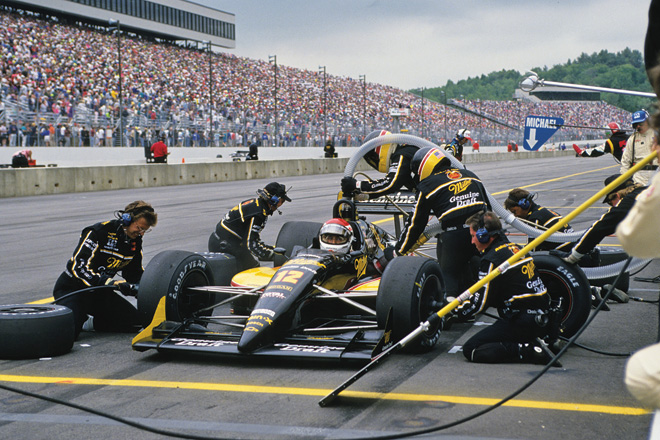
Founded in 1969, with lawyer and former driver Max Mosley as the commercial boss and ex-McLaren man Robin Herd as the designer, March Engineering's ambitious game plan was to build and sell customer cars for everything from Formula Ford to Formula 1.
But even though Jackie Stewart's Tyrrell-run 701 won the 1970 Spanish Grand Prix in just the second F1 World Championship start for the fledgling constructor, sustained success was hard to come by. March found F1 to be a daunting financial challenge and enjoyed a much better profile and sales in Formula 2 before George Bignotti came calling in 1980.
"I looked out of my office and saw George and couldn't believe it; he was one of my idols," says Herd. "He was looking for a car for Tom Sneva, so we jumped at that offer and got busy on our first Indy car, the March 81C."
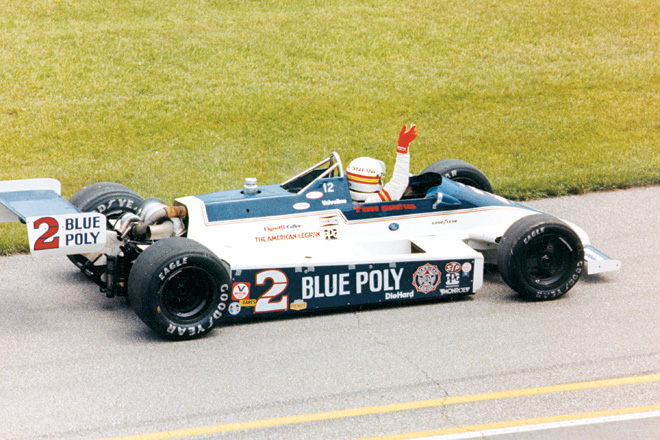
"I think the shape of the bottom of the car was better than everyone else's and it had more downforce than the rest," says Sneva of the 81C. "I wasn't sure why, but it went fast and it was fast right away.
"George was convinced it was going to be a good piece and it was head and shoulders above everyone else. That should have been an easy Indy win in '81."
Herd was overwhelmed, literally and figuratively. "I didn't expect to win so quickly and it all went mad after that; our phone was ringing constantly," he recalls.
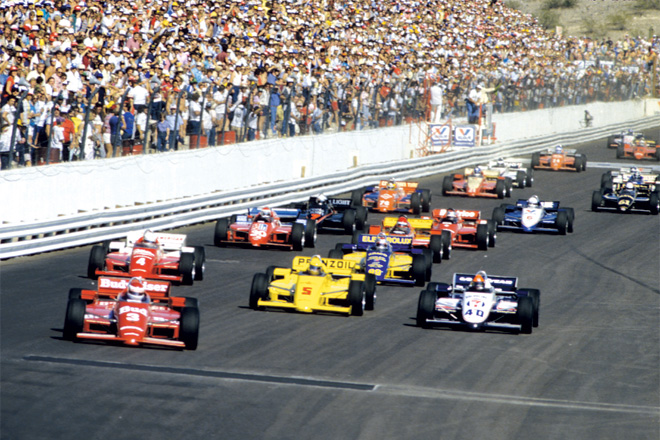
From three starters at Indy in 1981, to 17 in '82, then 18 in '83 and Victory Lane with Sneva, it was a whirlwind as the March kit car became the rage. But nothing would top 1984.
"We built 47 cars for '84 and had 29 of the 33 starters at Indianapolis," recalls Herd. "And Roger Penske bought one, which surprised us, but made us very happy – and then Rick (Mears) only went and won the race in it.
"At the end of every race we would give our teams a setup sheet for the next race and people put their trust in it. That was a new concept in Indy cars."
While March captured Indy five years in a row (Sneva, Mears, Danny Sullivan, Rahal and Al Unser), it snared its initial CART title in '85 with "Big Al," followed by another with Rahal, aided by a young engineer named Adrian Newey.
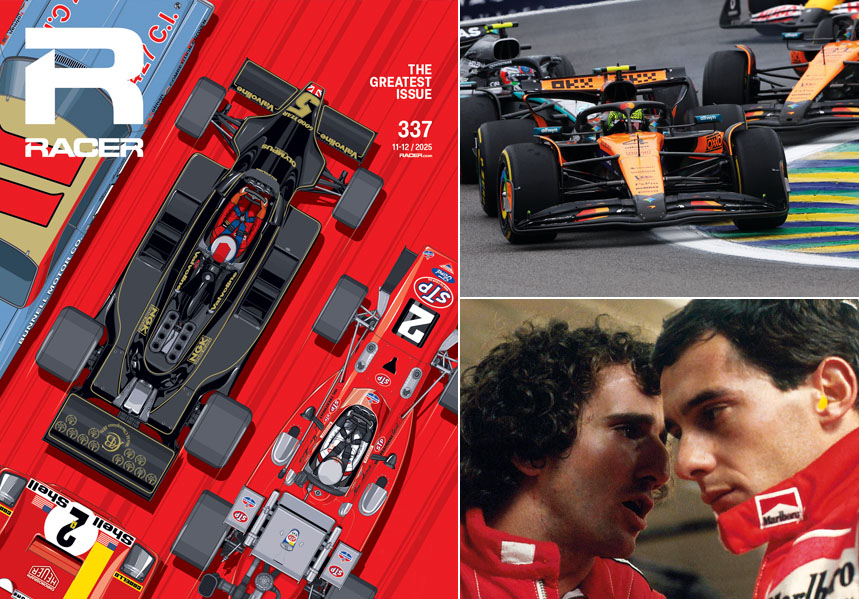
the Great Cars Issue of RACER
, on sale now. Click here to take a video tour of the issue.click here
, or to buy the Great Cars Issue online, click here. To learn where to buy RACER in your area,click here
.RACER is also available digitally for Apple, Android and Kindle Fire devices. RACER Digital has the complete content of the magazine's print edition formatted for mobile viewing. With RACER Digital, you'll have access to your RACER content all the time, wherever you are.The RACER app can be found by searching for "RACER Magazine" in the Apple, Android or Amazon App stores. The app is free and includes issue previews and the RACER.com newsfeed. Individual issues can be purchased for $1.99 and an 8-issue annual subscription is $9.99. Back issues are also available.

Latest News
Comments
Comments are disabled until you accept Social Networking Cookies. Update cookie preferences
If the dialog doesn't appear, ad-blockers are often the cause; try disabling yours or see our Social Features Support.