WEAVER: It's time to implement DQs in NASCAR
Despite numerous changes to NASCAR in the Brian France era, there has remained an oddly outdated constant in regards to its unwillingness to strip victories after a failed post-race inspection.
The reasons have been understood since what feels like the beginning of time. But for the unaware, NASCAR has always wanted fans to leave the track with zero doubt about who won the race. That's an admirable goal but it's also something that just doesn't fit with the modern additions to the highest level of the sport.
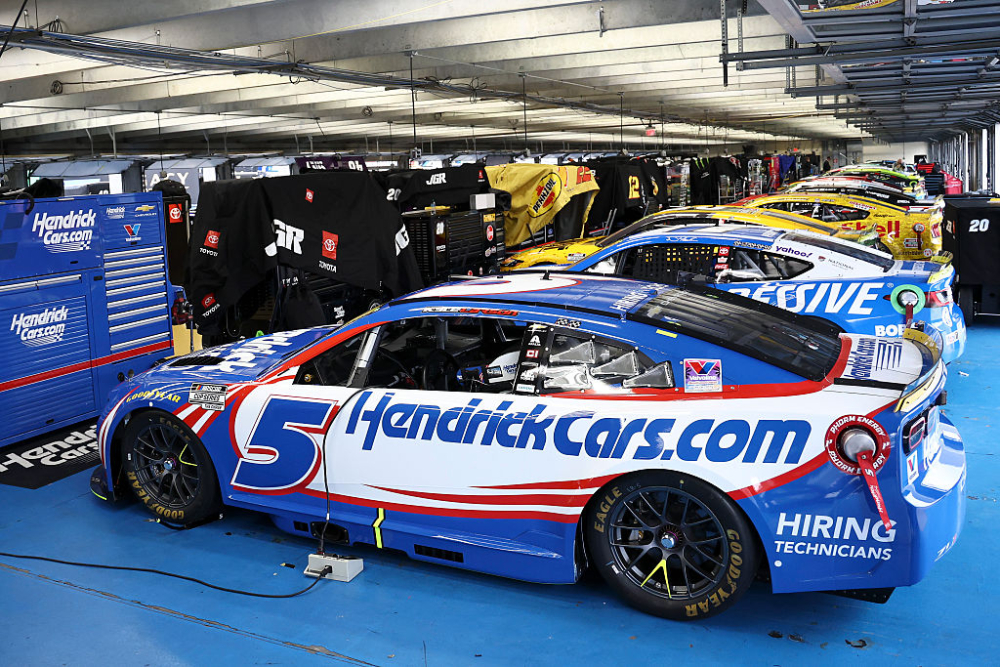
immediately failed the NASCAR Laser Inspection Station
. While the penalties won't arrive until Tuesday or Wednesday, NASCAR has already established 15 points and $25,000 against the crew chief as a precedence for previous LIS failures.But at the same time, this is uncharted territory, because it's also the only time a winner has failed the LIS platform since it was implemented back in 2013.
Over the past 10 years, the championship system has changed dramatically, as has the technology and political structure of the entire industry. It only stands to reason that post-race inspection failures should change with it. Simply put, it's time for NASCAR to bring back disqualifications.
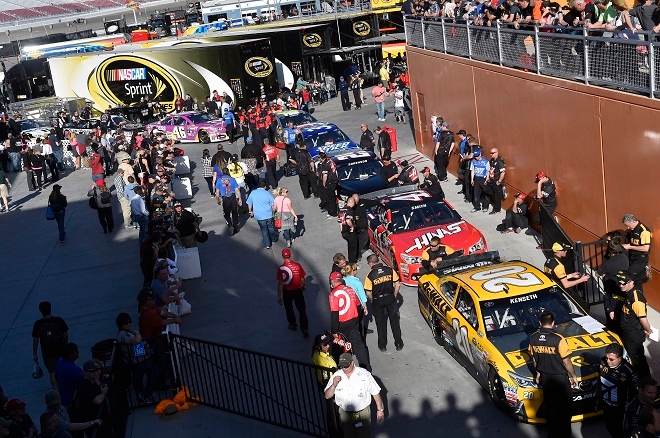
Barring a major shift of procedure, there will be no real significant implications against the No. 20 team upon arrival at the Indianapolis Motor Speedway on Friday morning. Their pockets will be collectively lighter, they'll face probation and may lose the at-track services of crew chief Jason Ratcliff for a few events.
But Kenseth will be forever listed as the winner of the race, and more importantly, will likely maintain his three bonus points toward the Chase for the Championship that winners receive for each regular season triumph.
In fact, this was Kenseth's second victory of the season, so there was nothing for the No. 20 team to lose in exploring the gray areas of the Sprint Cup rule book. In the best-case scenario, they win the race without incident. The worst-case scenario amounts to a slap on the wrist.
This goes back to the larger issue of NASCAR's lack of consequence during the regular season, and the No. 20 team likely working within that luxury of already having a victory during the summer stretch. So while this was Kenseth's second victory, what if it had been his first? What if it had taken place during the Chase? What if some team won their way into the playoffs or into the next round but failed post-race inspection?
These are important questions for NASCAR to explore in the current winning-trumps-consistency era. Allowing that team to advance would be an unfortunate message to send to both the garage and the fans. And while NASCAR has expressed a willingness to strip Chase berths or seed points after an inspection failure, stripping victories remains off the table.
Honestly, that's just a silly use of semantics. But most importantly, disqualifying offending "winners" is simply the right thing to do. The first legal car to cross the finish line should be the winner of the race, regardless of the circumstances. And in 2016, the fans will have no problems learning of what happened in the case of problems in the tech shed.
Yes, teams will always look for advantages, and sometimes they will get caught. That's part of racing. But all it would take is for one team to get stripped of a victory to put a stop to what seemingly happens at least once a year.
By in large, every team works tireless hours to become the first legal car to cross the finish line on Sunday. Logic dictates that this team should be declared the legitimate winner. So in an era defined by unprecedented change, it's time to for NASCAR to begin stripping victories for illegal cars, and rewarding the spoils of victory to its rightful owners.
Bring back disqualifications.

Latest News
Comments
Comments are disabled until you accept Social Networking Cookies. Update cookie preferences
If the dialog doesn't appear, ad-blockers are often the cause; try disabling yours or see our Social Features Support.