PRUETT: ACO pulls rug from under DPi hopefuls
First it was the requirement for IMSA teams to remove the manufacturer-specific bodywork from their 2017 Daytona Prototype international models in order to compete in future runnings of the 24 Hours of Le Mans. Then it was the requirement to strip those DPis of the manufacturer-specific electronics in favor of the spec systems that will be used on the 2017 WEC P2s.
IMSA, ACO appear to reverse course on DPis
And now, with only one unique aspect left to take from DPis – the manufacturer-specific engines that will power IMSA's premier cars – the ACO is said to have informed its American counterparts on Thursday those motors must be left behind if its teams wish to race at Le Mans.
Without formally stating IMSA's DPis aren't welcome, the ACO has gradually and progressively changed its willingness to allow the cars by mandating WEC P2 bodywork, electronics, and now, the use of the new-for-2017 WEC P2 Gibson V8 engine. Even if no formal statement is forthcoming, all it takes is finding one's belongings on the lawn and the locks changed to know a significant relationship modification has taken place...
It means that despite the press conferences, press releases and smiling for the cameras, the goodwill and spirit of togetherness presented between the ACO and IMSA with the new P2/DPi formula has been walked back, unwound and tossed in the dumpster by the French sanctioning body.
For IMSA Prototype teams that looked to DPi as a perfect new formula – one that brought domestic and international opportunities – the door has been slammed shut outside of North America.
This news comes on the heels of the 84th Le Mans where participation by American teams is at an all-time high across LMP2, GTE-Pro and GTE-Am. The effective ban on DPis for 2017 won't affect IMSA's GT teams, but for those Prototype entrants looking to compete at Le Mans when IMSA switches to the new DPi formula in January, the latest ACO bombshell could impact which chassis platform teams choose.
On a related but abstract topic, it's believed IMSA pays the ACO for the right to award automatic invites to some of its teams for the 24 Hours of Le Mans, which is part of a greater business relationship that has existed for some time under the former American Le Mans Series banner, and presently under the merged IMSA series that combined Grand-Am and the ALMS, as a result of licensing the use of ACO technical regulations for LMP2 and GTE-Pro.
With DPis now ineligible outside the WeatherTech Championship, any hope a Cadillac or Mazda had of racing in France with a prototype came to an immediate end. At present, the spec 2017 WEC P2 will be legal for use in IMSA next year, and with the ACO's hardline approach toward IMSA DPis at Le Mans in mind, would IMSA owner/founder Jim France return the favor and close the door on WEC P2s in America?
Such a knee-jerk reaction is unlikely, but for a proud and passionate man like France, it's hard to imagine an ongoing scenario where he allows the ACO to dictate any aspect of IMSA's future--not while his series is a paying customer.
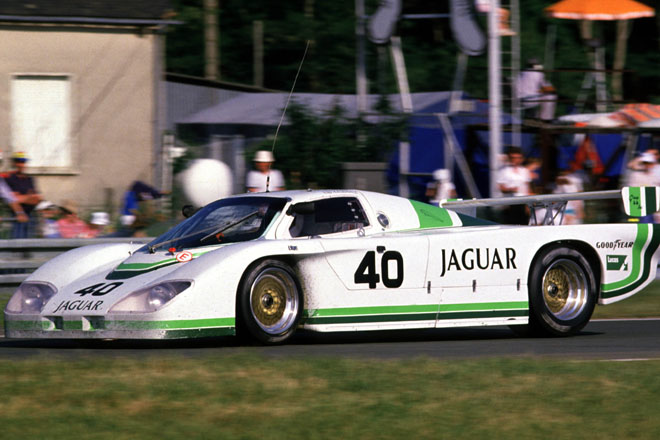
Thinking back to a time when IMSA had its own prototype regulations, and the ACO welcomed those cars to compete at Le Mans in a special GTP class (top), it's hard to fathom how the relationship has become skewed so heavily in the ACO's favor.
So what does this latest maneuver mean to both sides? It's said the decision to ban DPi engines came as a total surprise to IMSA, and even with the apparent lack of respect on display, IMSA's leadership team still held a lengthy private meeting with the ACO on Thursday. It's understood that while seeing DPis at Le Mans in 2017 is highly unlikely, a road map of sorts was penciled in that could see IMSA's top cars on the grid in 2018.
2017 P2s, in WEC and DPi form, have already gone into initial production, and as I've written more than once, I can only hope Jim France takes full control of IMSA's prototypes going forward. The ACO is happy to take IMSA's money, but their interest, as their actions continue to prove, has nothing to do with what's best for America.
And if the ACO doesn't want IMSA's DPi prototypes, which Thursday's move indicates, why should IMSA involve the ACO in its 2017 regulations?
The answer is crystal clear. When it comes to prototypes, maybe it's time for IMSA to change the locks on the ACO.

Latest News

Comments
Comments are disabled until you accept Social Networking Cookies. Update cookie preferences
If the dialog doesn't appear, ad-blockers are often the cause; try disabling yours or see our Social Features Support.