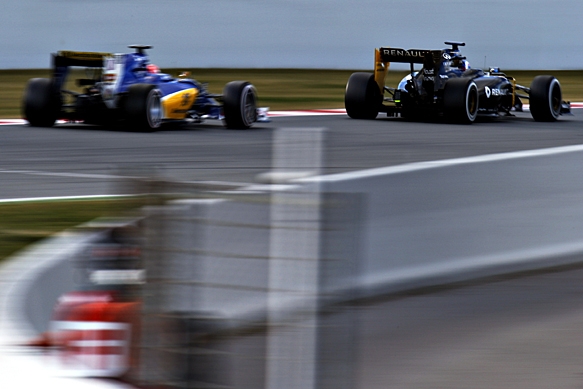
F1: Qualifying revamp gets FIA green light
Formula 1's new knockout qualifying format has been approved in its original form by the World Motor Sport Council.
The new system is scheduled to be introduced for the season-opening Australian Grand Prix later this month, despite concerns aired by Formula One Management regarding its implementation due to software issues.
The three qualifying periods will remain, with Q1 to run for 16 minutes, with the slowest car eliminated after seven minutes, and then every 90 seconds thereafter until 15 remain to head into Q2.
The second period is to run for 15 minutes, and will follow the same process as Q1, with the first driver to be eliminated after six minutes until eight remain.
For the 14-minute Q3, the first driver will be knocked out after five minutes, with the session continuing until only the man on pole is left standing.
The original idea was approved following meetings of the Strategy Group and F1 Commission in Geneva last week, only for Ecclestone to reveal soon after FOM's potential difficulties in relaying the information to the television broadcasters.
Ecclestone suggested that due to the problems the new system could be postponed until later in the year, possibly not starting until the Spanish Grand Prix in May.
Speculation then emerged earlier this week of a slight change to the format, with Q1 and Q2 to adopt the knockout configuration, but with Q3 continuing under the system that has been in place since 2006. That would mean all eight drivers competing throughout the duration as concerns were aired the dwindling number of cars would be unattractive to fans in the grandstands and for television.
But the WMSC, at its meeting in Geneva on Friday, has opted to go with the full knockout setup, with FOM now understood to have informed Ecclestone it could be ready in time for the race at Melbourne's Albert Park in two weeks.
Presented by:


Latest News

Comments
Comments are disabled until you accept Social Networking Cookies. Update cookie preferences
If the dialog doesn't appear, ad-blockers are often the cause; try disabling yours or see our Social Features Support.