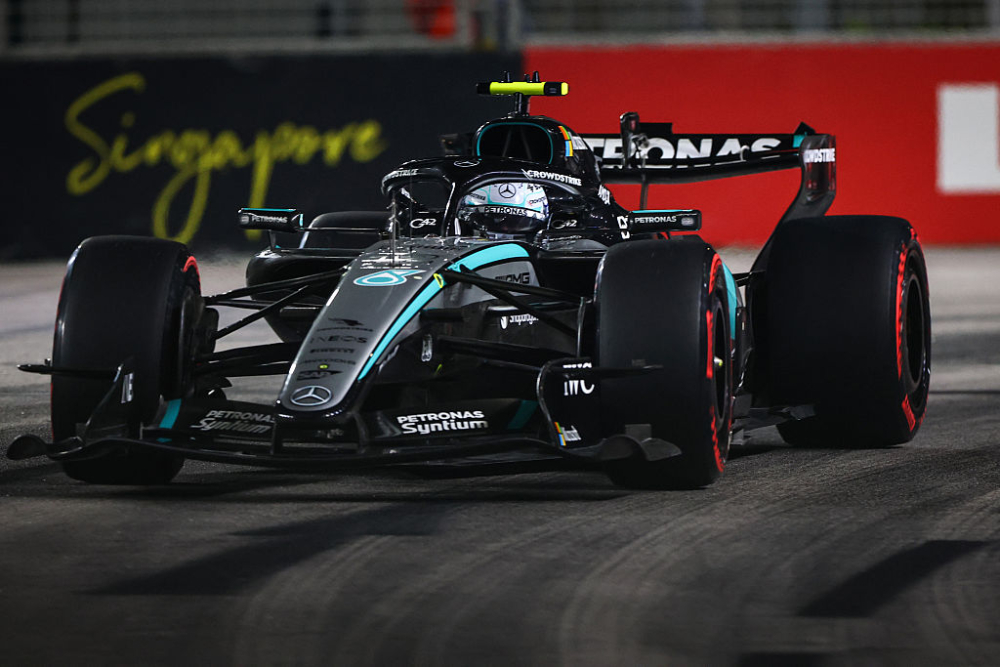
.jpg?environment=live)
F1: Symonds says Williams focusing on low-speed woes
as it unveiled its 2016 car
.Last year's FW37 proved problematic at low-speed circuits such as Monaco and the Hungaroring, where both Felipe Massa and Valtteri Bottas finished outside the points.
Although Williams retained its third place in the constructors' championship last year, technical director Symonds would like to believe the team has made further gains with the FW38.
"The FW37 was a pretty effective car and so we concentrated on understanding the areas where we could improve it without losing the attributes which made it effective," he said. "It is no secret the low-speed performance of the FW37 didn't match its high-speed performance, so a lot of time was spent looking into why this was and subsequently making changes, which we hope will improve the situation.
"On top of this we looked at the normal physical obstacles to development that one always meets during the life of a car and tried to push those barriers back."
Symonds, though, is refusing to estimate how Williams will fare this season, adding: "I have been in the sport far too long to fall into the trap of making predictions.
"Over the last couple of years Williams has regained the competitive spirit it was so long famous for. I want to harness and augment that spirit and use it to drive us forward in a progressive manner while always keeping a strategic eye on the future and in particular the big changes due for 2017."
He also confirmed the team has made "several operational changes" for this year to ensure it will "cope with the many variant scenarios racing will inevitably throw at them."
Meanwhile, Symonds has downgraded his estimate for the improvement in engine noise for this season. Having initially suggested a 25 percent increase, he now feels it could be half that.
While suggesting "the engines will sound a bit sharper," he added: "We can expect more power from improved combustion and this will in itself produce a bit more noise, but perhaps more significantly the turbo wastegate is no longer plumbed into the main exhaust.
"This should not only produce an engine note that is around 12 percent louder than before, but may also from time to time trigger some of the dramatic sounds we all associate with high-performance turbocharged engines."
Presented by:


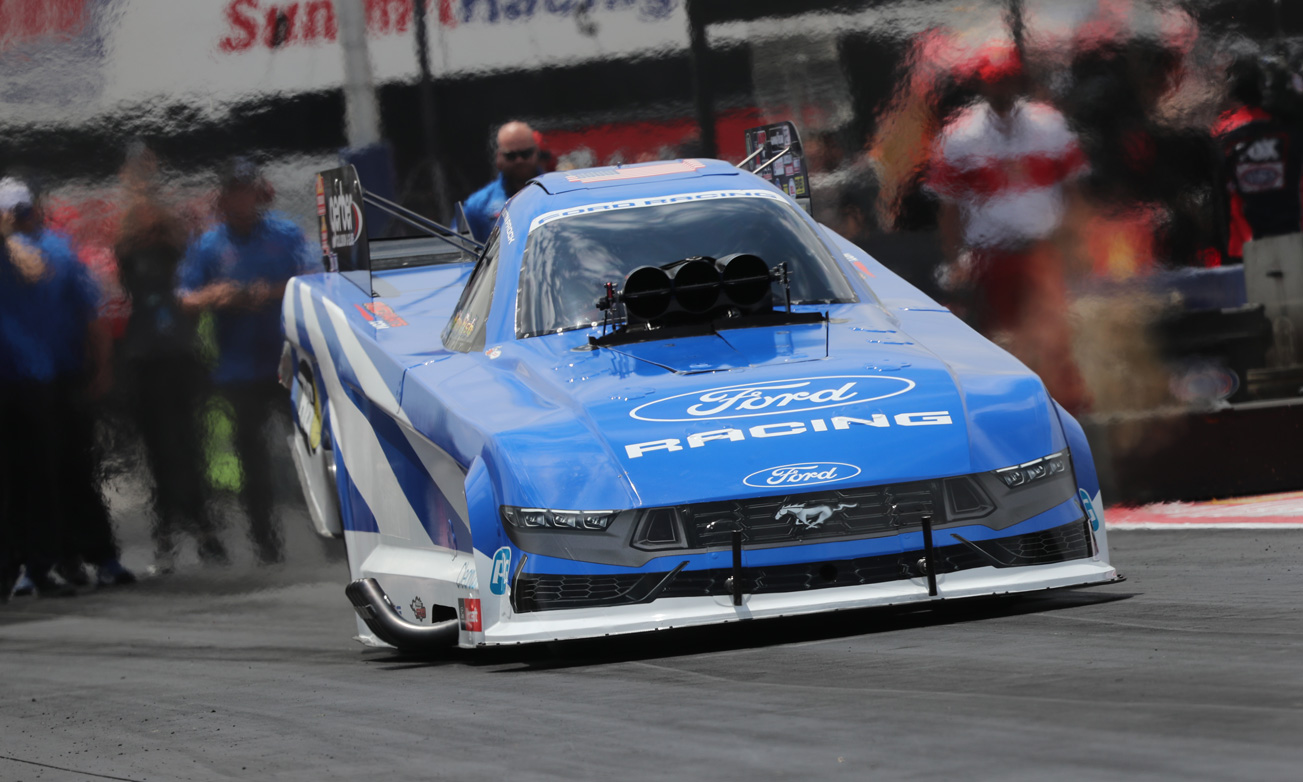
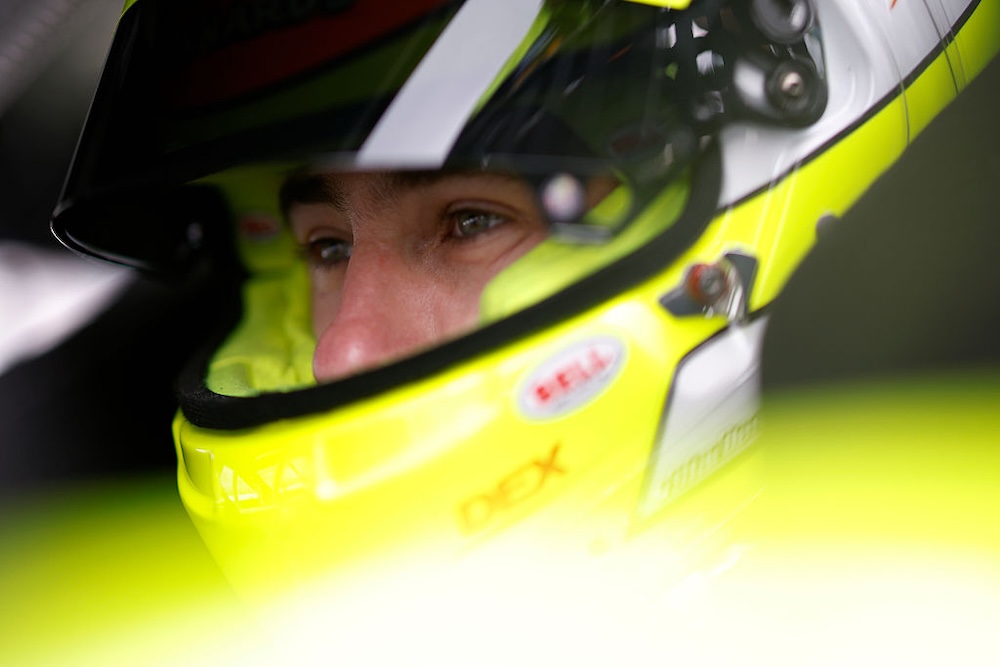
For Ford Racing NHRA Funny Car ace Austin Prock, it’s a family affair
Latest News


Comments
Comments are disabled until you accept Social Networking Cookies. Update cookie preferences
If the dialog doesn't appear, ad-blockers are often the cause; try disabling yours or see our Social Features Support.