GLENDENNING: Honda, rebooted
There was a clear divide between Honda and Chevrolet in IndyCar this year. The numbers said so: six Honda wins to Chevy's 10; a Bowtie clean-sweep of pole positions. Honda said so when it petitioned IndyCar for permission to make parity-based improvements to its aero kit for 2016. And IndyCar said so when it gave Honda the green light to make those changes.
shifted away from aero partner Wirth Research
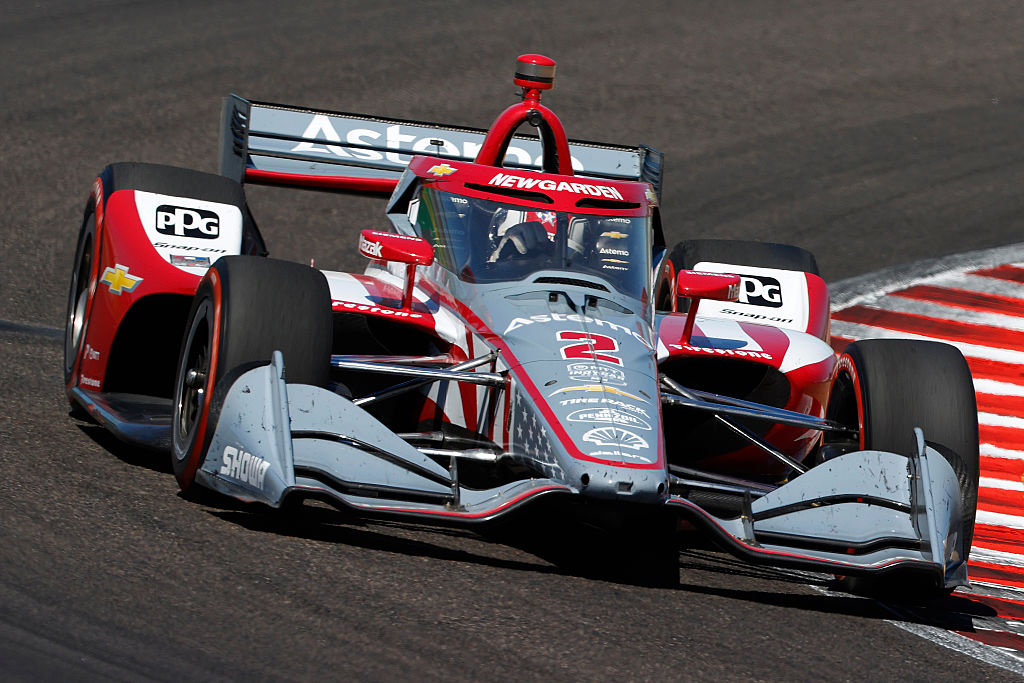
and redirected to the Honda's revived F1 group in Japan.But other gaps will be trickier to fill. Honda has some decent speed in its ranks: three good Andretti cars, a title contender in Rahal, a reliable threat in Schmidt. The problem is, when you switch your attention to the guys on the other side of the fence, those are countered by four Penske entries and three Ganassis, and that's before you factor in the likes of Josef Newgarden or Sebastien Bourdais, who are also capable of winning for Chevy on any given weekend. Put them side-by-side, and Honda looks like a good football team with no backup quarterback. If the main guy twangs his hamstring, who can step up?
What makes this all the more galling from HPD's standpoint is that historically, it has actually been pretty good at nurturing talent. The problem has been keeping it. Simon Pagenaud changed badges when he moved from Schmidt to Penske, and Newgarden left the family when the newly-merged CFH Racing opted for Chevy. And both of those defections took place over the 2014/5 winter, depleting HPD of two of its sharpest weapons in a single off-season.
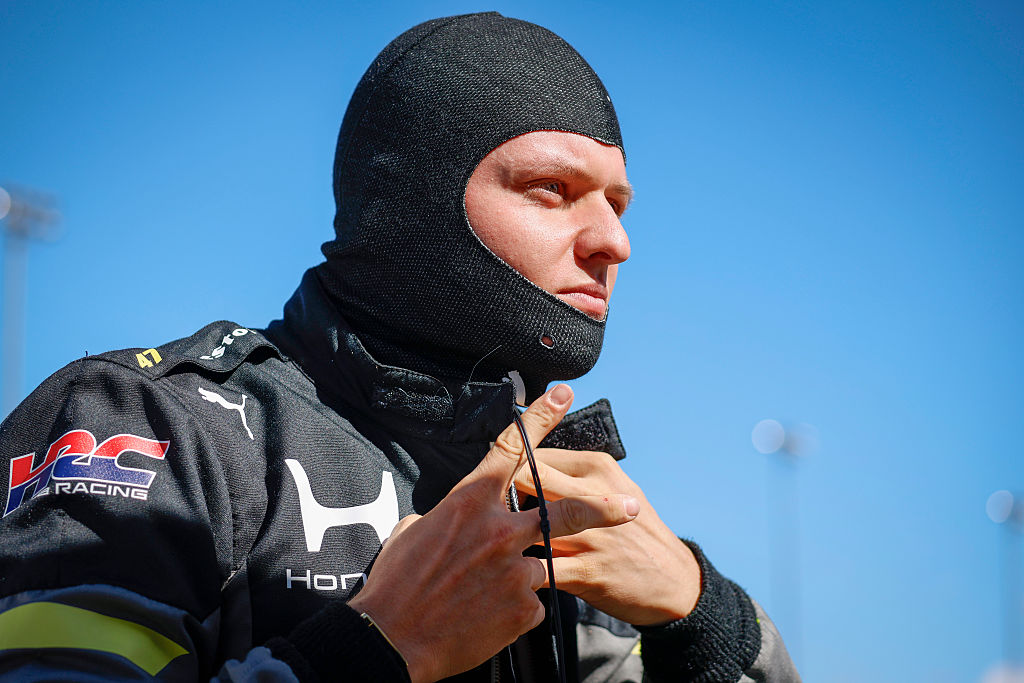
Mikhail Aleshin
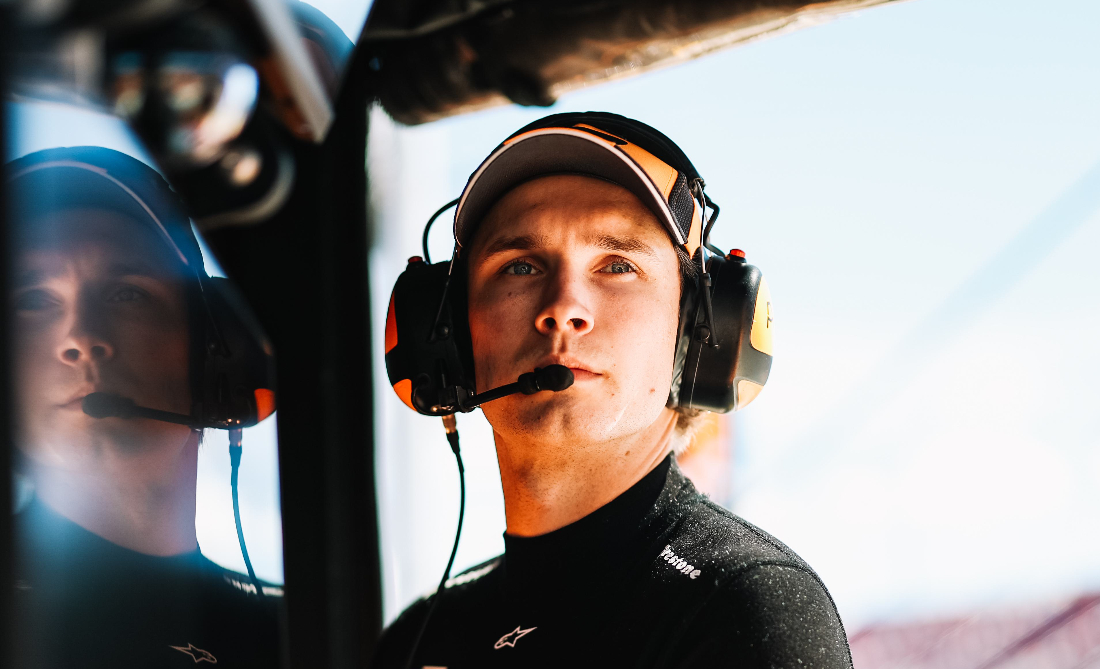
andConor Daly
offer a couple of green shoots of optimism, but they represent steps rather than solutions.So the meantime, St Cyr says that Honda is trying to make the teams themselves more competitive.
"We look at our involvement with IndyCar and it's going to be a long-term commitment, and we want to strengthen the whole sport because we love open-wheel racing," he says. "We don't want to have one or two dominant teams, we want to have lots of dominant teams that are financially stable and can provide a good show. So we look at what we can do with all of our teams to help make them stronger.
"To win on any given weekend you've got to have all the things in place – you have to have stronger cars, stronger aero performance, stronger teams, stronger trackside support, stronger drivers, all that kind of stuff. So we look at trying to strengthen all of those things at the same time to put a winning product out there.
"I'm not going to say that our drivers aren't highly talented and capable of winning every week, but it's obvious when you look at the pedigree that the Penske [drivers] have a lot more race wins to their name. But I don't know if that transitions into a talent gap. It's an experience gap, for sure. And we're looking at trying to close all those things, and how we, as a performance company can help our teams to do that. All of those things I mentioned earlier can help our teams to chip away at any perceived gap."
Another possible solution is helping to lower any financial barrier that stands between matching a desirable driver with a competitive team by partially subsidizing the drive. Multiple paddock sources have indicated that there was some interest from Honda's side in helping Newgarden into one of its teams for next year, but that it was derailed by the 24-year-old's refusal to commit to a multi-year deal. He went on to sign a one-year deal renewal with CFH that leaves him available for any openings that might appear at Penske or Ganassi in 2017.
St Cyr declined to go into specifics, but says that subsidizing drives is one of Honda's options.
"We need to do what we need to do to improve and maintain the driver talent that we have," he says. "Whether that's a subsidy, whether that's offering more assistance, whatever that might be, we work on a team-by-team, driver-by-driver basis to work out what it is we can do to strengthen the teams that we have and make sure that we have the best chance of winning every week."
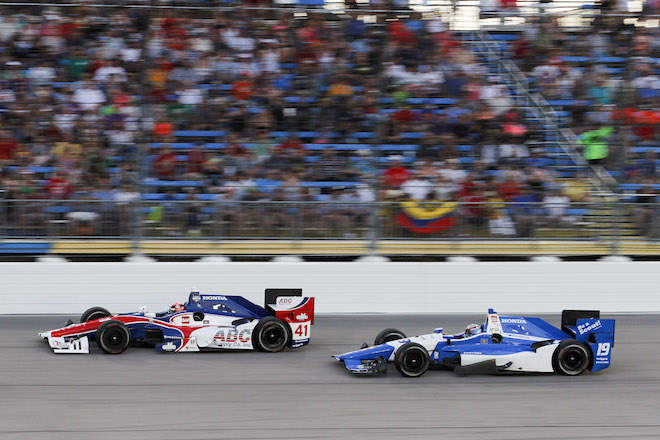
It only takes a brief review of the past season to appreciate St Cyr's emphasis on bespoke solutions for each team, because those that failed to cause sleepless nights in the Penske and Ganassi camps fell short for different reasons. Foyt believed that it had most of the ingredients to be competitive but didn't put them together properly. BHA was constrained by its status as a tightly-resourced, single-car team with a rookie driver. At Coyne, it felt like you never know who was going to be in the car each weekend until the first practice session.
Looking longer-term, Honda is also focusing on a more fundamental approach to building a more competitive stable: making itself more a desirable technical proposition; a car that drivers and teams want to be aligned with.
"To say that that wasn't a stumbling block after last season, I think, would be a little bit disingenuous," agrees St Cyr. "Obviously we need to have a package that is capable of winning. It's chicken-and-egg stuff.
"[And] it's no secret; Chevy talked about how far in advance they were developing their aero kit, and we came in late, and the teams got the cars late. And I think it was pretty evident that in terms of sheer speed, there was clearly a gap between the Honda cars and the competition.
"But under race conditions, our teams showed a lot of fight, a lot of ability to understand what the weaknesses and strengths of the kits were, and were able to race themselves to a victory that wasn't necessarily based on pure capability of what the car was able to do. Obviously Graham Rahal and Rahal Letterman Lanigan figured it out a lot sooner than somebody like the Andretti guys, but it was a missed opportunity from a racing standpoint."
That places a huge importance on the upgrades that HPD is currently in the midst of developing. On the aero side, the aim is to make it easier for all of the Honda teams to tap into the sweet spot that Rahal found this year; on the engine front, it's about addressing the uncharacteristically high count of reliability problems that HPD weathered during 2015.
"Our major philosophy [for the upgrades] is more about trying to widen the performance window than it is about trying to get more speed," says St Cyr.
"Graham Rahal showed that you could race the car if you got it exactly right; the problem was that every driver wants the car a little bit different, and our operating window was too narrow for us to be competitive right across the field. So really, our focus was on trying to make the car easier to drive, make it more user-friendly for the teams to set up and race competitively. In that respect, I think we've made good progress.
"Clearly you don't know what the competition does until we show up at St Pete, but we're cautiously optimistic with where we stand right now. Obviously we didn't get everything we wanted – we didn't get any relief at all with the speedway [kit], and if you saw our performance at the Indianapolis 500 that's big concern for us, so we're looking at other ways of closing that gap. But we'll deal with it as we can."
On development time alone, you could probably argue that HPD is one of the few entities in the paddock that actually welcomes having such a long off-season in which to refine its updates. Balancing its driver and team ledger to match the experience and win tally of its rivals? That will take a little longer. (Although it might get a helping hand if one or two of those Chevy-aligned veterans retire at the end of next year).
Nobody at HPD's Santa Clarita base in southern California is in any doubt about the size of the hill that needs to be climbed. But they also know that if you keep climbing, you'll eventually spot the summit.

Latest News
Comments
Comments are disabled until you accept Social Networking Cookies. Update cookie preferences
If the dialog doesn't appear, ad-blockers are often the cause; try disabling yours or see our Social Features Support.