.jpg?environment=live)
F1: FIA testing three cockpit safety ideas
The FIA has confirmed it is to test three cockpit protection solutions for Formula 1 cars next month. The designs are all part of the FIA's ongoing campaign to safeguard drivers in the future from being hit by objects during accidents, notably loose wheels.
The first, known as AFP-V2, is an updated version of a rollcage on the nose of the car, with a trio of protruding blades designed for deflection.
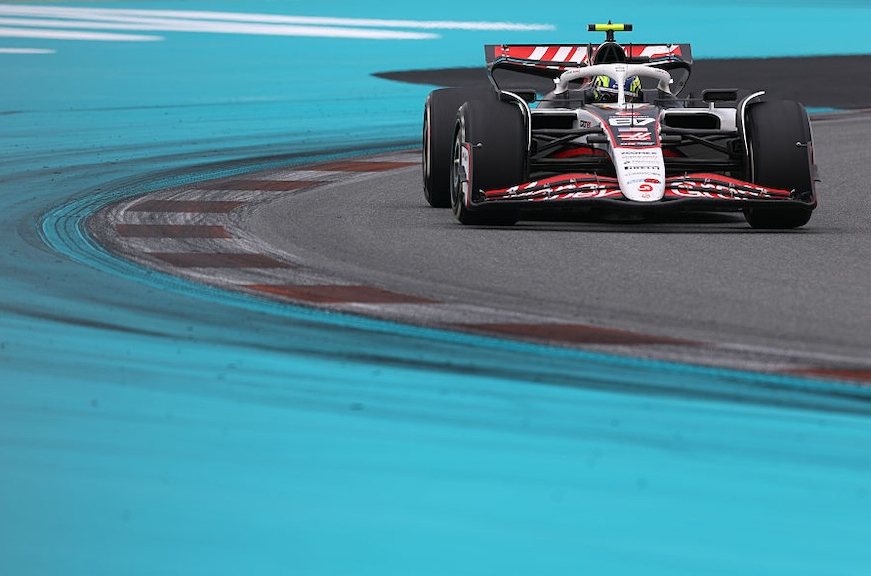
The second is the Mercedes "halo" concept [pictured], while the final one is a centerline rollhoop consisting of three bars, fashioned from, a material to be determined, that run from the midsection of the nose and connect with the air intake above the driver.
All three were presented to the drivers at a briefing on Friday at the USGP to update them on the FIA's continuing research into safety. The latter two designs, in particular, pose concerns over driver extraction from a car, although FIA safety director Laurent Mekies said: "We first find something that does the job, then we will find a way to deal with other matters. We are looking at a broad range of solutions and trying to learn from each test."
GPDA chairman Alex Wurz added: "You will see solutions that maybe aren't pretty, to be honest, but it's first about function and then we work on style.
"First we look at what we want to achieve and then I'm sure we will find solutions to extraction and other potential dangers. Of course, if you just look at flying objects then a canopy would still be the best solution - I prefer that - but then you have other issues to deal with such as fast extraction, fire.
"The good thing is something will be done, but we have to accept it will take time. We're not talking about anything that will be here next year. We have to be 100 per cent sure the solutions are safe and bring things forward."
Mekies added: "We can't do anything before 2017. That's not do-able. But something in 2017 could be introduced if we get good results."
The FIA has also confirmed high-speed video will definitely be introduced in 2016, with a prototype used on the cars of Daniil Kvyat and Fernando Alonso during Friday's first practice session ahead of the United States Grand Prix.
"It is designed to understand how the driver's head and upper body interact with the environment." Mekies said.
Wurz added: "They help us a lot, when an accident happens, to understand how much a human body can take."
Following Felipe Massa's accident in the 2009 Hungarian GP, the FIA is to also introduce a Zylon visor panel which allows objects to bounce off it into the next generation of helmets.

Latest News

Comments
Comments are disabled until you accept Social Networking Cookies. Update cookie preferences
If the dialog doesn't appear, ad-blockers are often the cause; try disabling yours or see our Social Features Support.