.jpg?environment=live)
IndyCar: Series begins discussions on 2018 car
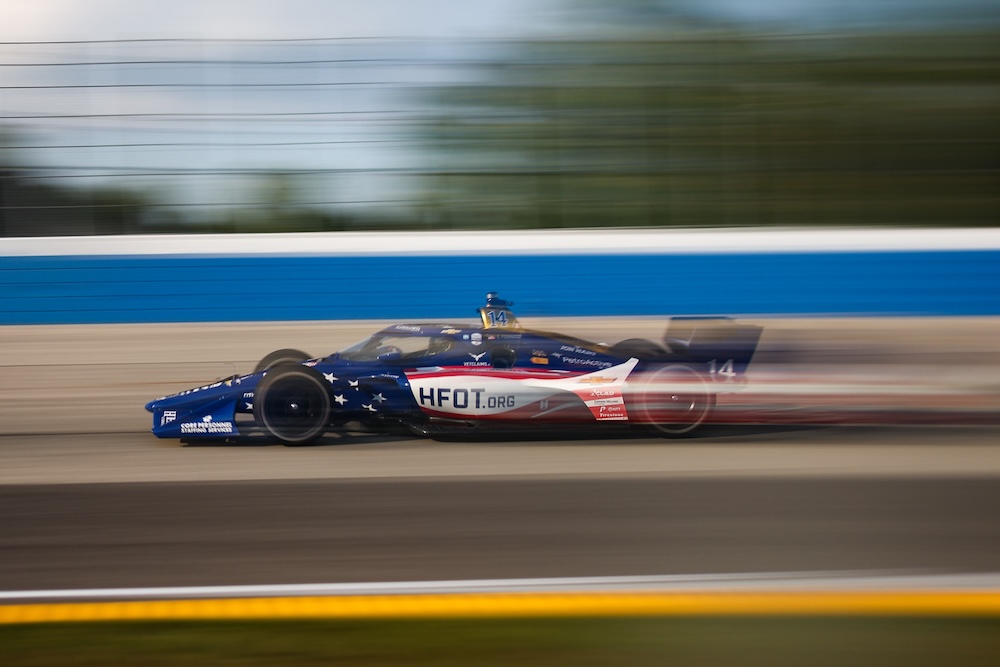
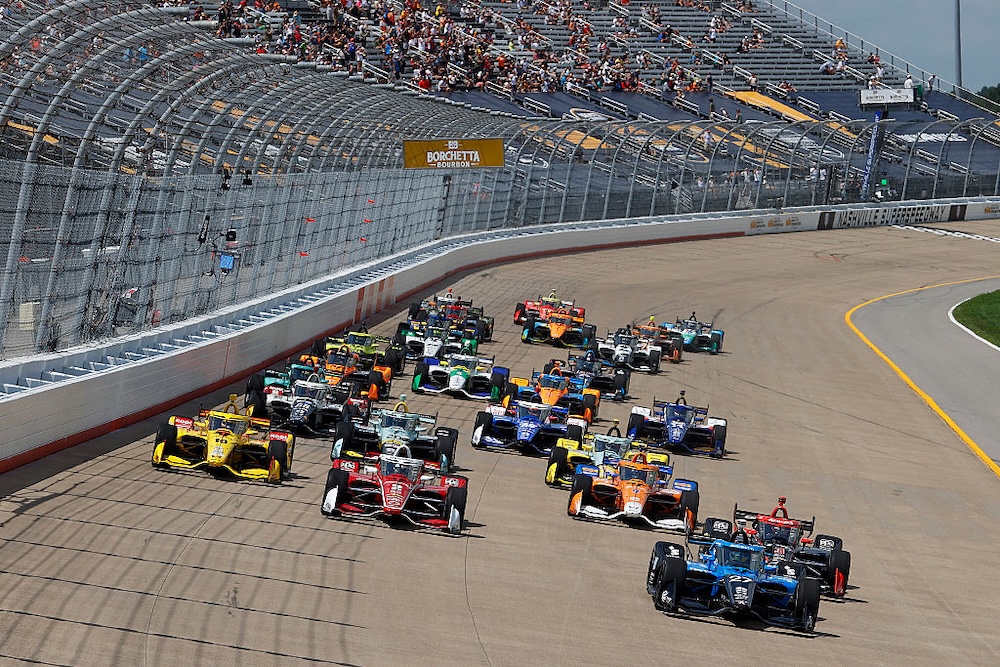
The Verizon IndyCar Series is getting an early start on the planning required to replace its current chassis, the Dallara DW12, which made its competition debut in 2012, and the engine formula used to power the car.
The DW12 will reach six years of service by the end of the 2017 season, leading IndyCar President of Competition Derrick Walker to recently open talks with IndyCar team owners on the DW12's successor for 2018.
"When you back up from '18 to here, it says certainly within the next 12 months we have to be thinking and developing a plan that says, this is what we're going to do, this is where we're going with the sport, and build it into the 2018 car and engine," Walker (LEFT) revealed to RACER. "That's the timeframe for change.
"We introduced the concept to the owners to think about the future of their current cars and when should we look at change and how should we look at the change, how should we go about building the next, call it the DW18 chassis, per se. How shall we do it? What should it be? What new things should we consider?"
Under former CEO Randy Bernard's direction, IndyCar convened a panel of racing insiders and series personnel in 2010 to form the ICONIC committee which was tasked with outlining the performance and safety parameters for the 2012 chassis. Selecting a primary chassis vendor to lead all aspects of design and subcomponent sourcing was the final task for the ICONIC team, and Italy's Dallara was awarded the contract which runs through 2017.
The entire ICONIC process took place prior to Walker's transition from his role as team manager for the Ed Carpenter Racing IndyCar team to his current position with the series. Yet as someone who went through the turbulent 2012 season with ECR where high costs and general dissatisfaction tainted much of what took place between events, Walker is looking to avoid the ICONIC-related issues by taking an inclusive approach to shaping the next Indy car.
"We proposed to the team owners – just food for thought, because it wasn't an official proposal in any way – that we would take one year to actually evolve and think through a plan and come back with a plan that entails those options or those ideas for them to consider," he explained.
"If they endorse the plan or wish to see it implemented in some form, then from there it would go forward and start developing and eventually end up as being on track in '18. We left it with them for their consideration. Now we need to come back with some more detail for them, and then they can put their thoughts together as the starting point for a long-range plan for IndyCar to develop and prepare to change what we've currently got for '18 onwards."
Compared to 2010 and 2011 when IndyCar team owners – the customers for whatever the ICONIC committee ratified – weren't heavily engaged by the series, IndyCar's new outlook on collecting buyer feedback and desires before going the new-car process in a few years could deliver a more harmonious outcome.
"I think it was positively received, although there wasn't a lot of reaction in that meeting; it was more us talking to them about some thoughts and considerations for them to keep in mind until we come back and ask more specific questions and seek support," Walker noted.
"I've had a couple of owners that followed up with suggestions on how to do it – putting some detail into the way we should go about it. It's happening far enough out that they're not necessarily reacting to something they have to really deal with now."
By giving themselves a year to debate and refine the 2018 car, Walker hopes this new process results in something that appeals to its current ownership base and attracts new owners once the final rules and formula is solidified.
"We want to take a year, more than enough time, and then we'll come back with a plan that's going to build a car for 2018 instead of waiting to begin this process until the current car is toward the end of its usefulness," he said.
"As far as the team owners are concerned, we can knock ourselves out for a year and it doesn't cost them a penny. It's an easy one to say, yeah, that's OK, let's do that. The only thing we're asking for is their time, and it's time that will benefit them and everyone else when it's time to put our next car into production."

Latest News
Comments
Comments are disabled until you accept Social Networking Cookies. Update cookie preferences
If the dialog doesn't appear, ad-blockers are often the cause; try disabling yours or see our Social Features Support.