.jpg?environment=live)
Tom Kristensen's keys to winning Le Mans
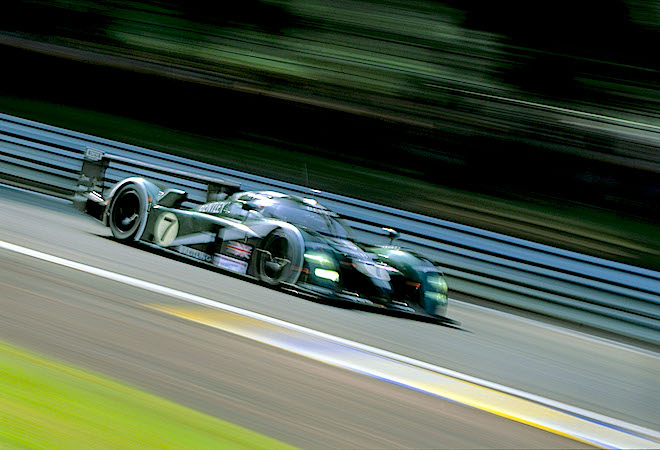
With nine outright victories at the 24 Hours of Le Mans – three more, and counting, than the next most successful driver – Tom Kristensen knows a little bit about what it takes to win the world’s most prestigious endurance race. The Dane won on his Le Mans debut in 1997, partnered by the more experienced pairing of Michele Alboreto and Stefan Johansson in a TWR Porsche WSC-95. Since then, he’s added eight more victories from a total of just 17 starts – seven of them coming in factory or privateer Audis and one with its sister company, Bentley (pictured BELOW).
It’s a phenomenal record, and with the ninth win coming just last year at the wheel of an Audi R18 e-tron quattro, the story isn’t over yet for Kristensen. But knowing what it takes to win isn’t the same as winning. There are no foregone conclusions at the Grand Prix de l’Endurance. Twice Kristensen has seen enormous leads flip-flop into DNFs in the blink of an eye and as “TK” guides RACER through some of the elements that can help toward success at the 24 Hours of Le Mans, he begins by explaining that there are no magic bullets.
This story is an excerpt from RACER magazine's THE GREAT TEAMS ISSUE, on sale now.
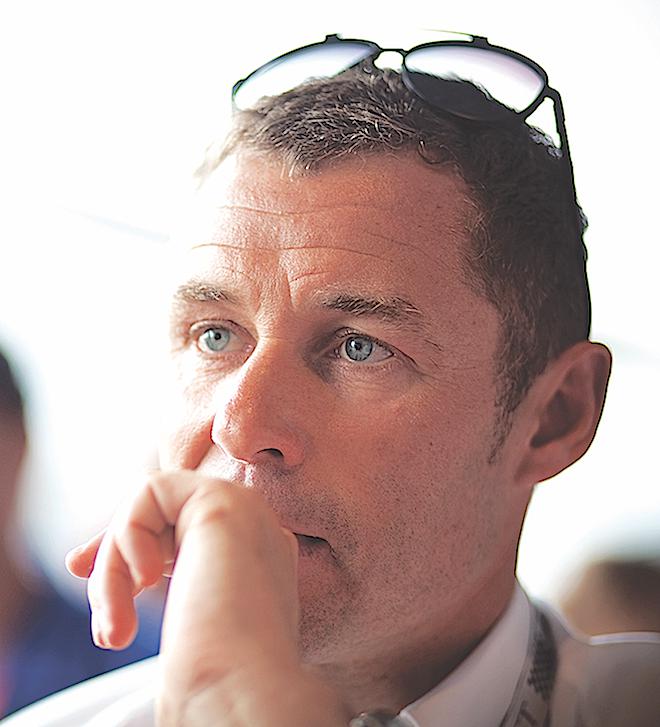 KNOW THAT THERE ARE NO SECRETS TO SUCCESS
Dedication and hard work are required for success in any motor race, but even more so at Le Mans. That goes for the team and the drivers. You need to be hard on yourself to do well. The workload has grown in magnitude over my time in sports car racing. Compared to today, things like systems checks and debriefs were completely different when I started out back in 1997. Of course, luck plays its part, too. You think you’ve planned and prepared for every eventuality, but this is a race that will still throw up surprises. Always. It’s why Le Mans is Le Mans.
WORK HARD IN TESTING
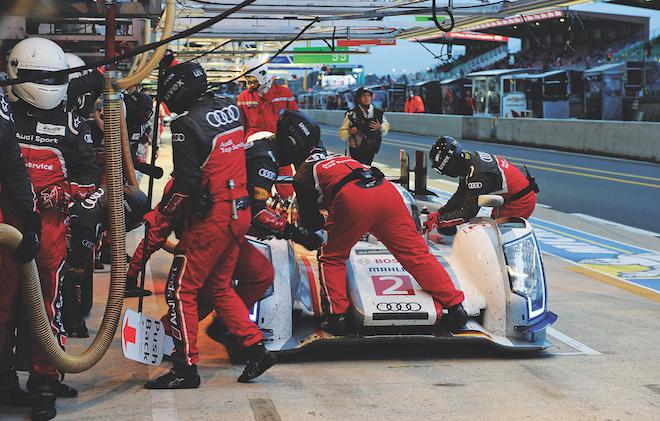
When you go into Le Mans or any other race when you are driving for Audi, you know you’re getting into a car that will do the distance. That’s a major plus that goes back to that old saying that everyone knows: to finish first, first you have to…. The way Audi goes about its endurance simulations is very clinical. It doesn’t mix development testing with its endurance simulations, which I think has been one of the keys to its success down the years. As a driver, you always think that you’d like to optimize this or that, try something else on setup, or whatever. But it doesn’t work if you try to do development at the same time as endurance testing.
ACKNOWLEDGE THAT THERE IS NO “I” IN TEAM
When you come out of open-wheel racing, where everything is about me, myself and I, and arrive in endurance racing, you have to learn that there’s no “I” in team. It’s not about me, it’s about we. You need to understand your teammates and they need to understand you, and you have to support each other. I know that in those circumstances I deliver the best I possibly can. With the experience I now have, I try to pass that on to my teammates and help them in the same way that Michele [Alboreto] and Stefan [Johansson] did when I first came to Le Mans.
Since my Bentley year [2003], I’ve always made sure that I travel to and from the track with my teammates over the course of a race weekend. That gives you a quiet time together and you can say everything you need to say to each other in private. I think it’s one of the most important things that we’ve done to bring everyone together as a team. It’s something that helps you click as a group and make you one force.
YOU MUST CONCENTRATE, AND CONCENTRATE HARD
The importance of concentration is completely underrated at Le Mans. Some say that because it’s a long track, with the long straight and not so many corners, you get a chance to relax. That’s certainly not true: you have to be focused and concentrated 100 percent of the time.
The next overtaking maneuver you do is always the most important one. You might recognize the car ahead and remember that the driver left you room last time you passed it, but the car might have been in the pits since then and have a different driver behind the wheel now. You always have to be alert. The mental demands placed on the driver are even higher today than in the past. The new breed of LMP1 car is a highly complex machine and so much is being asked of the driver in the cockpit. There’s no doubt to my mind that LMP1 is the most challenging form of motorsport anywhere in the world right now.
Subscribe to RACER magazine for instant digital access to THE GREAT TEAMS ISSUE.
Print + instant access digital subscription
Order a digital subscription to RACER for only $9.99
Order a copy online
Find RACER on the newsstand
 PICK YOUR MOMENTS IN TRAFFIC
There is an element of controlled risk-taking at Le Mans, but you can’t take risks just for the sake of lap time. The difference between those two zones is very small. But you have to remember that the winners at Le Mans are always the drivers who have taken the correct way around the GT cars.
GET ON YOUR BIKE
Fitness is very important because it gives you the ability to concentrate better. If you are not fit, you cannot get the best out of yourself. Weight is important, especially these days, so training is very important for me. I do some kind of training, whether it is running, cycling, or core training in the gym, every single day. Most days I will run 10 or 15km [six or nine miles] or go for a long cycle ride.
As I’ve become older – and I am now the oldest of the Audi LMP1 drivers, although I didn’t realize that until quite recently – my training has become more disciplined. I certainly wouldn’t say I train any harder, just in a more focused and tailored way now. For example, if I go running, I now incorporate some interval work. It all helps.
CHECK YOUR FLUID LEVELS
Fuel for your body is important, of course. But what you eat is not the most important part of preparing your body for Le Mans. What you drink, however, is crucial. A lot of water is important, and you have to make sure you have the right mix of minerals in your drinks bottle when you begin a stint. I do eat some carbohydrates, but I’m not a big one for pasta. The key for me is to eat little and often. I take small bites here and there, and try to eat less than I would normally.
LEARN FROM YOUR PAST
That 1997 race, my first 24 Hours, has been an important part of my energy at Le Mans over the years. I got to grips with the place in my first year, both in the day and at night, even though I did hardly any laps in qualifying. I came away with the lap record and that is something that I can fall back on. I know that if I am not there on the stopwatch on one lap, I can be there the next lap. My first Le Mans gave me the belief that I can do what is required.
YOU DON’T NECESSARILY NEED THE FASTEST CAR
Sometimes over one lap we haven’t been fastest, and certainly not in terms of straightline speed. At Audi we’ve always been a bit down on maximum speed on the straights, but that is our way.
Performance at Le Mans is a complex thing, and it has become even more complicated with the new breed of LMP1. With the new fuel limitations we have, it will be even more crucial to get the right strategy to be fast over one lap, over a stint, and over the 24 hours.
Want more? Subscribe to RACER magazine for instant digital access to THE GREAT TEAMS ISSUE.
Print + instant access digital subscription
Order a digital subscription to RACER for only $9.99
Order a copy online
Find RACER on the newsstand

Latest News

Comments
Comments are disabled until you accept Social Networking Cookies. Update cookie preferences
If the dialog doesn't appear, ad-blockers are often the cause; try disabling yours or see our Social Features Support.